Describing the goal as fluffy brows to someone who’s never heard of brow lamination makes it sound like you’re growing a small animal on your face instead of getting a beauty treatment. Brow lamination is a real, properly popular treatment with a specific mechanism behind it, not just a trend built on a strange nickname. Here’s exactly what it does, how the appointment actually works, and how long the results realistically last.
What Brow Lamination Actually Does
Before getting into appointments and aftercare, it helps to understand what’s physically happening to the brow hair during the treatment.
Repositioning Brow Hair, Not Adding Any
Brow lamination uses a chemical lifting solution to reposition and restructure existing brow hair into a new growth direction, typically brushed up and outward, rather than adding any new hair at all. The treatment works entirely with whatever hair is already growing there, reshaping it rather than supplementing it.
The Fluffy Brow Look Explained
The fuller, fluffy look brow lamination is known for comes from brushing every hair, including the shorter or finer ones usually hidden underneath longer hairs, up and into view at once. This makes brows look denser and more uniform simply by changing which hairs are actually visible, not by adding volume that wasn’t there before.
Comparing Brow Lamination to Other Brow Treatments
Brow lamination gets confused with a few other brow services fairly often, and the differences actually matter.
Brow Lamination vs a Regular Tint and Wax
A standard tint and wax shapes and darkens existing brow hair without changing its direction or texture at all, while lamination physically restructures how the hair sits and grows. Many people book lamination alongside a tint and trim for a complete result, since the services solve different problems rather than competing with each other.
Brow Lamination vs Microblading: Different Problems Entirely
Microblading deposits pigment into the skin to create the appearance of individual hair strokes, closer to a form of semi-permanent makeup, while lamination works purely with existing natural hair and adds no pigment beneath the skin at all. Someone with very sparse brows might actually need microblading to add the appearance of hair, since lamination can only reposition what’s already growing.
Who It Does and Doesn’t Suit
Brow lamination repositions the hair that’s actually there. It doesn’t summon new hair from thin air, so a brow with very few visible hairs left is working with a fundamentally different starting point.
Great for Unruly, Wiry, or Downward-Growing Brow Hair
Brow hair that grows in multiple directions, sits flat against the skin, or generally refuses to cooperate with a brow gel is exactly the kind of hair lamination handles best. The chemical process trains hair into a new, more manageable direction that regular styling alone usually can’t achieve.
Great for Sparse or Patchy Areas That Repositioning Can Cover
Brows with some patchy or thinner areas often look fuller after lamination, since surrounding hairs get repositioned to angle across and visually cover those gaps. This works well for properly patchy brows with reasonable hair density overall, instead of brows with very little hair anywhere at all.
Not the Right Fit for Very Thin Brows With Little Hair to Work With
Brows that are extremely sparse from years of over-plucking or a naturally low hair count don’t have much for lamination to actually reposition, which limits how dramatic a difference the treatment can realistically make. An honest consultation should flag this rather than promising a result the existing hair simply can’t deliver.
A Patch Test Matters Here Too
A patch test feels like an annoying extra errand, until it’s the thing that stops your forehead from staging a small rebellion. The lifting solution used in brow lamination can trigger a real allergic reaction, even without any prior history of sensitivity, so a patch test 24 to 48 hours before a first appointment is standard responsible practice rather than an overly cautious extra step. Checking a technician’s reviews beforehand also helps confirm they actually take this step seriously.
What the Appointment Involves
Knowing the general shape of the appointment removes most of the mystery before booking a first session.
Consultation, Cleaning, and Shape Planning
The appointment opens with a conversation about the desired shape and look, followed by thoroughly cleaning the brows to remove any oil, makeup, or product residue. The lifting solution needs a completely clean surface to actually work properly, so this step counts for more than it might seem.
The Actual Lift: Solution, Setting, and Neutralizing
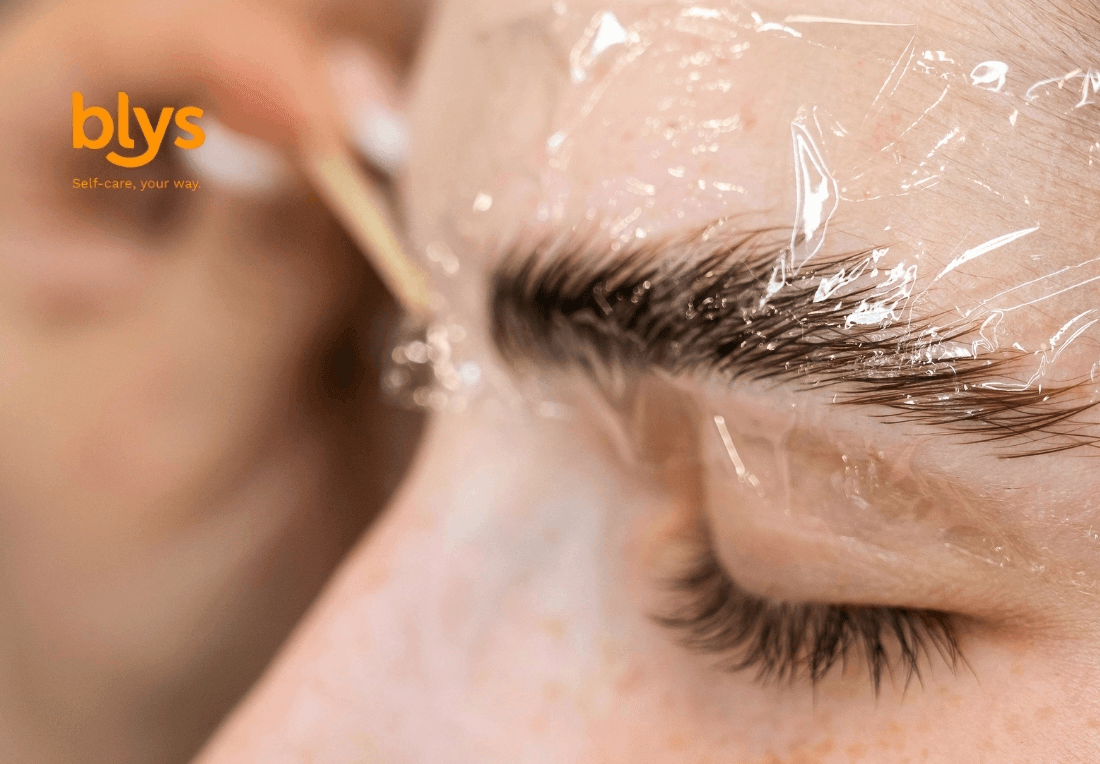
Brow hair gets brushed into the desired position and held there while a lifting solution is applied and left to set for several minutes, softening the hair’s internal structure enough to reshape it. A neutralizing solution follows, locking the new shape and direction into place before the technician moves on to any add-ons. The same lifting mechanism is used for a lash lift too, and booking both together as a combined brow and lash refresh is a common pairing.
Tint and Trim: The Common Add-Ons
A tint and a trim are commonly booked alongside lamination, adding definition and a cleaner overall shape to complement the newly repositioned hair. None of these are required, but together they’re what most people actually picture when they imagine a finished brow lamination result. A group appointment also works well if a few friends are all getting brows done ahead of the same event.
Aftercare and How Long Results Last
What happens in the days after the appointment affects both how the result settles and how long it actually holds.
The First 24 Hours: No Water, No Makeup, No Touching
Avoiding water, steam, sweating, and makeup on the brow area for the first 24 hours gives the treatment time to properly set into its final shape. The first week after brow lamination also usually involves an unreasonable amount of time spent brushing your own eyebrows in random mirrors, purely because you now can.
Brow Oil Afterward: Why Conditioning Actually Helps
Once that initial 24-hour window has passed, a proper brow oil or conditioning serum used regularly helps counteract any dryness the chemical process can leave behind. This is a properly useful habit instead of an optional extra, since well-conditioned hair holds its new shape better over the following weeks.
Brushing Brows Daily to Maintain the Trained Shape
Brushing brows into place each morning, even after the initial setting period, helps reinforce the trained direction as the effect gradually softens over time. This small daily habit extends how polished the result looks well past the first couple of weeks.
Four to Eight Weeks, Tied to Your Own Brow Growth Cycle
Brow lamination results typically last four to eight weeks, varying more than a lash lift’s timeline since brow hair growth cycles differ from lash growth cycles and involve more day-to-day contact from touching, cleansing, and makeup application. Results fade gradually as treated hairs get replaced by new growth in their natural, untreated direction, rather than the effect disappearing all at once.
Understanding what brow lamination actually does, and how long it realistically lasts, turns a trending term into an informed decision instead of a guess based on a social media video.
A Blys gift voucher also works well if someone else’s brows are the ones getting the upgrade.
Find a Mobile Brow Technician →
Frequently Asked Questions
What is brow lamination?
Brow lamination is a chemical treatment that repositions and restructures existing brow hair into a new growth direction, typically brushed up and outward, using a lifting solution similar to a lash lift. It works entirely with the hair already there rather than adding any new hair.
How long does brow lamination last?
Brow lamination results typically last four to eight weeks, gradually fading as treated hairs get replaced by new growth in their natural direction. The exact timeline varies based on individual hair growth cycles and daily habits like touching or cleansing the brow area.
What do brow lamination results actually look like?
Brow lamination results typically look fuller and more uniform, since brushing every hair up and into view, including shorter hairs usually hidden beneath longer ones, makes brows look denser without adding any actual volume. Sparse or patchy areas often look less noticeable as surrounding hair gets repositioned to cover gaps.
Does brow lamination hurt?
No, brow lamination isn’t painful, though some people notice mild tingling or sensitivity from the lifting solution during the appointment. Any real discomfort beyond mild tingling should be mentioned to the technician immediately.
Can brow lamination fix very sparse eyebrows?
Not dramatically. Lamination repositions existing hair rather than adding any, so brows with very little hair to work with won’t see the same transformation as brows with more density but an unruly or downward growth pattern. Very sparse brows may get more benefit from microblading instead.
What’s the difference between brow lamination and microblading?
Brow lamination repositions existing natural hair using a chemical process, while microblading deposits pigment into the skin to create the appearance of individual hair strokes. They solve different problems, working with existing hair versus adding the appearance of hair that isn’t there.
Do I need a patch test before brow lamination?
Yes, a patch test 24 to 48 hours before a first appointment is standard practice, since the lifting solution can trigger an allergic reaction even without any prior history of sensitivity. Skipping this step is a real risk, not just an overly cautious formality.
Can I get a tint with my brow lamination?
Yes, a tint and trim are commonly booked alongside lamination for a more complete, defined result. None of these are required individually, but together they’re what most people picture when imagining a finished brow lamination look.
What should I avoid after brow lamination?
Avoiding water, steam, sweating, and makeup on the brow area for the first 24 hours lets the treatment properly set. After that, using a brow oil or conditioning serum regularly and brushing brows daily helps the result hold its shape for longer.
How often can I get brow lamination done?
Since results last four to eight weeks, most people rebook somewhere within that window once the effect has visibly softened. Waiting for brows to fully grow back to their natural, untreated direction before a new treatment is generally the healthiest approach for the hair.
Is brow lamination the same as a lash lift?
The underlying chemical mechanism is similar, repositioning hair using a lifting solution, but brow lamination works on eyebrow hair while a lash lift works on natural eyelashes. Many people book both together as a combined brow and lash refresh in one appointment.
Can brow lamination damage my eyebrows?
A properly performed treatment using appropriate timing shouldn’t damage brow hair, though leaving the lifting solution on too long or over-processing can cause damage or breakage. Choosing a technician with real experience specifically in brow lamination, not just general beauty treatments, matters for this reason.