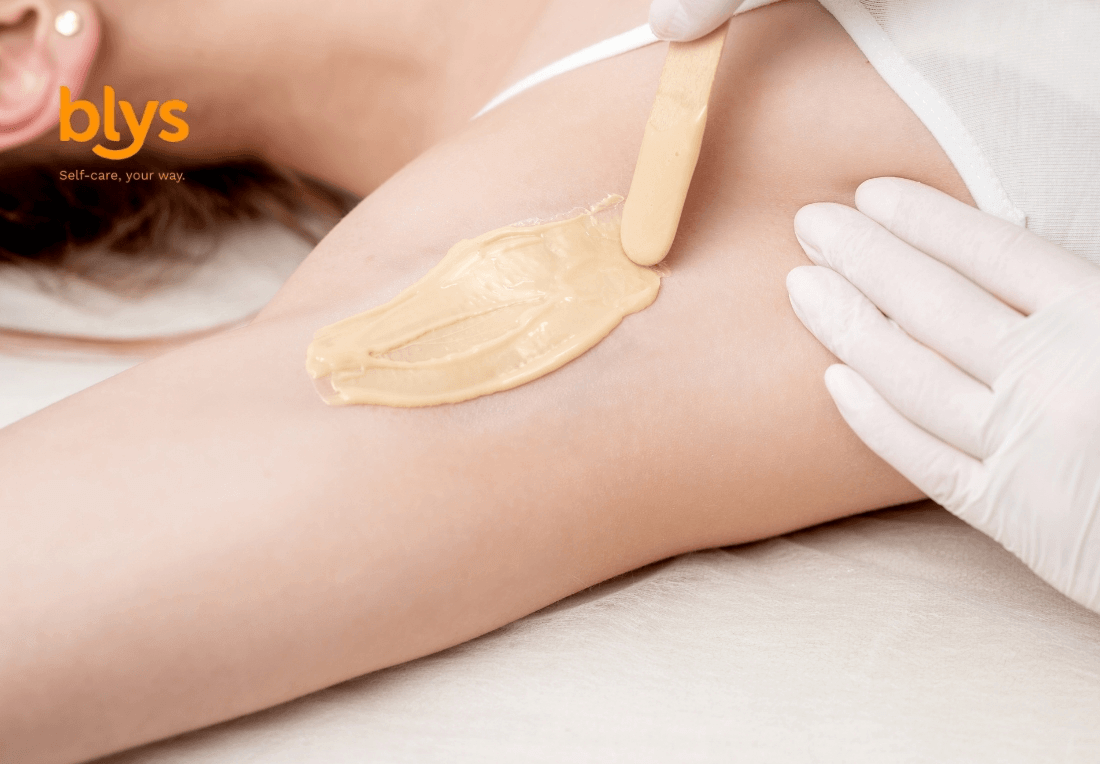
Everyone’s heard someone’s wax horror story from 2018 secondhand, which is not the same as it actually being your own experience today. Waxing at home runs through the same core process as a salon visit, just adapted to your own space. Here’s exactly what to expect during your first time mobile wax, from prep to the moment the therapist packs up.
Which Areas Can Actually Be Waxed
Waxing covers a lot more ground than legs and eyebrows, and knowing the actual categories helps when booking.
Body, Intimate, and Facial Waxing Cover Most Requests
Body waxing covers full or half leg, full arm, and underarm areas.
Intimate waxing covers Brazilian waxing and standard bikini line treatments.
Facial waxing handles eyebrow shaping, upper lip, and chin, and combo packages bundle common pairings, like Brazilian, full leg, and underarm, into a single appointment.
What’s Different About a Mobile Wax
The actual waxing technique doesn’t change. What changes is everything happening around it.
Same Technique, Different Setup
A mobile waxing therapist applies the same professional technique to a spare room or a bathroom counter instead of a fixed salon table, adapting the setup without cutting any corners on the actual service. The skill involved doesn’t shrink just because the address does.
Hygiene Standards That Should Travel With the Therapist
Fresh linens, single-use applicators, and clean tools for every client should apply just as strictly at home as they would in any licensed salon. A therapist bringing their own sealed, hygienic supplies to every appointment isn’t a bonus. It’s the baseline expectation for any waxing service, mobile or otherwise. Checking a therapist’s reviews beforehand is a good way to confirm they actually meet that standard.
Prep Before Your Therapist Arrives
A few small habits in the days before an appointment make a real difference to how it actually goes.
Hair Length Actually Matters Here
Shaving or trimming everything down to stubble the night before a wax is a well-meaning mistake that leaves the wax with nothing to actually grip onto. Hair generally needs at least four weeks of growth for wax to properly grab and remove it from the root, so skipping any trimming or shaving for that stretch beforehand usually gives the best result.
A Gentle Exfoliation the Day Before, Not the Day Of
Exfoliating gently around 24 hours before an appointment helps clear away dead skin cells so wax can grip hair more evenly, without irritating skin right before the actual treatment. Exfoliating on the same day as the wax itself is too close to the appointment and can leave skin more sensitive than it needs to be.
Skip Retinoids and Sun Exposure Beforehand
Retinoids and other strong active skincare ingredients thin the skin, which makes it more prone to irritation or tearing during waxing, so pausing these in the treatment area for at least 48 hours beforehand is a sensible precaution. Booking a wax the same week as a serious tanning session is also asking already-stressed skin to deal with two dramatic events back to back.
Setting Up a Private, Accessible Space
A private room with a bed, table, or firm surface at a comfortable working height, plus good lighting, is really all a mobile therapist actually needs to work properly. Privacy counts for more here than for a lot of other mobile services, so picking a room with a door that actually closes is a sensible thing to plan for ahead of time.
What the Appointment Involves
Knowing the general shape of the appointment removes most of the nerves before a first booking.
Consultation and a Skin Check First
The appointment opens with a quick conversation about which areas are being waxed, any skin sensitivities, and any medications that might affect how skin reacts to waxing. Certain medications, including some acne treatments like isotretinoin, can make skin noticeably more prone to tearing during waxing, which is exactly why mentioning current medications counts for more here than for most beauty services.
Hard Wax vs Strip Wax: What’s Actually Different
Hard wax is applied thickly, sets on its own, and gets removed by hand without any cloth strip, generally suiting more sensitive areas since it grips hair rather than skin. Strip wax is applied thinly and removed using a cloth or paper strip, working well for larger, less sensitive areas like legs or arms. A good therapist chooses between the two based on the actual area being treated, not just personal habit.
The Actual Waxing, Section by Section
Wax gets applied and removed in small sections, with skin held taut to reduce discomfort and improve how cleanly hair comes away. A soothing lotion or aloe-based product typically follows each section to calm the skin immediately, rather than waiting until the very end of the appointment.
Who Should Check With a Doctor First
A few situations actually call for a doctor’s input before booking, instead of proceeding and hoping for the best.
Certain Medications and Skin Conditions Change the Risk
Anyone currently using isotretinoin or other medications known to thin or sensitize skin, or dealing with an active skin condition like eczema or psoriasis in the treatment area, should check with a doctor before booking a wax. This isn’t medical advice, and anyone with a relevant health condition or current medication should raise it with their own doctor rather than relying on general information from a blog. General tips for waxing sensitive skin can help alongside that conversation, though they don’t replace it.
Aftercare Basics
What happens in the day or two after waxing affects both comfort and how clean the results actually stay.
The First 24 to 48 Hours: No Heat, No Sweat, No Tight Clothes
Telling a committed gym-goer to skip a sweaty workout for a full day post-wax is a properly tough sell, but freshly opened pores and a spin class are not friends. Avoiding hot showers, saunas, swimming, and heavy sweating for 24 to 48 hours reduces the risk of irritation and ingrown hairs settling in. Loose, breathable clothing over the treated area for a day or two also helps prevent unnecessary friction, and holding off on heavy perfumes, oils, or deodorants straight onto freshly waxed skin gives it a chance to properly settle first.
Exfoliating to Prevent Ingrown Hairs, But Not Right Away
Waiting a few days before exfoliating, rather than doing it the same day, gives freshly waxed skin time to calm down first. Once that initial sensitivity has settled, regular gentle exfoliation between appointments properly helps reduce ingrown hairs and keeps skin smoother for longer.
Sun Protection on Freshly Waxed Skin
Freshly waxed skin is more sensitive to sun exposure for at least the first 24 hours, so covering up or applying sunscreen over treated areas counts for more than usual during this window. Skipping this step can lead to irritation or uneven pigmentation, especially for anyone waxing an area that’ll actually see direct sun soon after.
How Often to Rebook
Regrowth cycles vary by area and individual hair growth, but most people rebook somewhere between three and six weeks once new hair has grown back enough for wax to grip properly. A therapist can usually advise on the right schedule after a first appointment, and summer and winter routines often look different from each other once the seasons actually change.
A group booking also works well ahead of a holiday or event if a few friends are all getting waxed around the same time.
A Blys gift voucher works for waxing too, if it’s someone else’s first mobile appointment being planned.
Have a Waxing Therapist Come to You, Not the Salon →
Frequently Asked Questions
What areas can I get waxed at home?
Body waxing covers full or half leg, full arm, and underarm areas, while intimate waxing covers Brazilian and standard bikini line treatments. Facial waxing handles eyebrow shaping, upper lip, and chin, and combo packages bundle common pairings into one appointment.
What happens during a mobile waxing appointment?
A mobile wax follows the same steps as a salon visit: consultation, a quick skin check, waxing in sections with skin held taut, and a soothing product applied after each area. The therapist brings all the equipment and supplies, so nothing needs preparing beyond basic hair length and a private space.
How long should my hair be before a wax at home?
Hair generally needs at least four weeks of growth for wax to properly grip and remove it from the root. Trimming too short beforehand can mean the wax has nothing to grab onto, so skipping any trimming or shaving for that stretch before an appointment usually works best.
What should I do to prepare for my first mobile wax?
Avoiding strong active skincare ingredients like retinoids in the treatment area for at least 48 hours beforehand, exfoliating gently around 24 hours before the appointment, skipping recent sun exposure, and setting up a private, comfortable space for the therapist to work in handles most of the preparation needed.
Is mobile waxing as hygienic as a salon?
It should be, provided the therapist uses fresh linens, single-use applicators, and properly cleaned tools for every appointment, the same standard expected in any licensed salon. Asking about hygiene practices before booking is a reasonable question.
What’s the difference between hard wax and strip wax?
Hard wax sets on its own and is removed by hand without a strip, generally suiting more sensitive areas since it grips hair rather than skin. Strip wax is thinner and removed with a cloth or paper strip, working well on larger, less sensitive areas.
What should I avoid after getting waxed?
Avoiding hot showers, saunas, swimming, heavy sweating, and tight clothing for 24 to 48 hours reduces irritation and the risk of ingrown hairs. Sun exposure on freshly waxed skin should also be limited for at least the first 24 hours.
When can I exfoliate after waxing?
Waiting a few days after the appointment, rather than exfoliating the same day, gives freshly waxed skin time to settle first. After that initial period, regular gentle exfoliation between appointments helps reduce ingrown hairs.
How often should I book a wax?
Most people rebook every three to six weeks, depending on the area and individual hair growth cycle, once enough new hair has grown back for wax to grip properly. A therapist can usually advise on the right schedule after a first appointment.
Are there medications that affect how my skin handles waxing?
Yes, some medications, including certain acne treatments like isotretinoin, can make skin more prone to tearing or irritation during waxing. Mentioning current medications during the consultation, and checking with a doctor beforehand if there’s any doubt, is a sensible precaution.
Does waxing hurt more the first time?
Discomfort varies a lot by person and by area, and while it’s rarely described as painless, most people find later appointments feel more manageable once they know what to expect. Proper hair length and following pre-wax skincare advice both actually help reduce discomfort too.