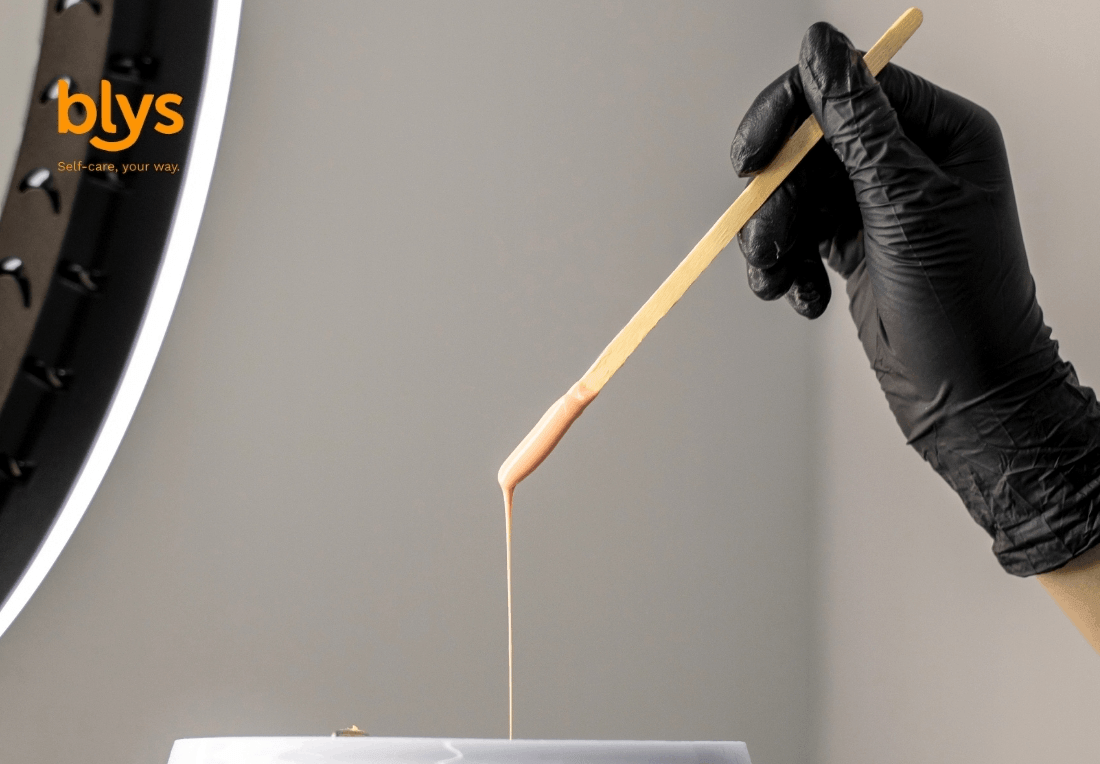
Waxing typically keeps hair away for three to six weeks, since it removes hair from the root instead of just cutting it at the surface, though the exact timeline shifts depending on body area, individual hair growth, and a few other real factors. Expecting a single wax to keep hair away forever is asking a beauty treatment to override several million years of mammalian biology.
Average Regrowth Time After Waxing
The three to six week range isn’t an arbitrary marketing figure. It actually reflects how hair grows back once it’s been pulled from the root.
Why Waxing Lasts Longer Than Shaving
Shaving cuts hair at the surface, leaving the root fully intact and ready to push new growth through within days. Waxing removes the entire hair, root included, which means the follicle has to start the growth process over from scratch, properly extending how long skin actually stays smooth compared to any surface-level method. Shaving is only one of several removal methods waxing gets compared against, and each one trades off speed, cost, and longevity slightly differently.
The Hair Growth Cycle Explains the Timeline
Hair grows in cycles, an active growth phase, a short transition phase, and a resting phase, and not every hair on a given area sits in the same phase at the same time. Waxing works best on hair actively in its growth phase, which is part of why the regrowth timeline varies even across hairs on the exact same patch of skin.
Why Some Regrowth Appears Sooner Than Expected
Spotting a stray hair two weeks after a wax that promised six feels like a personal betrayal, even though it’s just biology doing its normal, slightly inconvenient thing. Hairs that were already further along in their own individual cycle at the time of waxing can start showing again sooner than the bulk of hair removed from the same session, which is exactly why regrowth often looks patchy or gradual rather than all at once.
Factors That Affect How Long Waxing Actually Lasts
Waxing removes hair from the root, not from existence, a distinction biology insists on maintaining regardless of how good the appointment felt.
Body Area Makes a Real Difference
Facial hair, especially around the upper lip, usually grows back fastest, often within two to three weeks, since hair in this area cycles through growth phases more quickly than hair elsewhere. Legs and arms generally sit toward the longer end of the typical range, while more sensitive areas can vary depending on hair coarseness and individual growth patterns.
Back and Chest Waxing Follow Their Own Pattern
Back and chest hair, a common request for men specifically, tends to be denser and coarser than hair on the arms or legs, which changes both how the wax needs to be applied and how the regrowth timeline typically plays out. The technique for these specific areas differs enough from a standard leg or arm wax that it actually changes what to expect before booking, rather than assuming it works identically to any other area.
Individual Hair Growth Rate and Genetics
Some people’s hair simply grows back faster than others, a real, unavoidable difference tied to individual biology rather than anything done right or wrong during the appointment itself. Two people waxing the same area on the same day can end up with noticeably different regrowth timelines purely down to how their own hair naturally cycles, which is exactly why comparing personal results against someone else’s experience rarely tells the full story.
Hormonal Changes Can Shift the Timeline
Hormonal shifts, from pregnancy, certain medications, or other real bodily changes, can affect how quickly hair grows back, sometimes temporarily speeding up or slowing down a previously consistent pattern. This isn’t something to diagnose from a blog post, but it’s a real, honest factor to keep in mind if a usually predictable timeline suddenly changes.
Why Repeated Waxing Changes Things Over Time
Noticing regrowth come back finer after months of consistent waxing produces a very specific, smug satisfaction, like discovering a loophole nobody told you about. Repeated root removal over time can actually weaken the follicle, leading to finer, sparser regrowth for many people, though this varies by individual and isn’t the same as permanent removal.
Technique Quality Affects How Fast Regrowth Seems to Appear
Technique matters here just as much as regrowth timeline itself, since hair that isn’t fully removed from the root during a rushed or poorly executed wax can start showing again far sooner than a properly done appointment would produce. A technician working carefully through a full pass, instead of rushing through an area, actually affects how long the result holds, since a section left half-removed simply looks like regrowth weeks before the rest of the area does. Checking a provider’s reviews for mentions of thoroughness specifically gives a better sense of this than a generic star rating alone.
How Long a Full Brazilian Appointment Itself Takes
Regrowth timeline and appointment length are two completely different questions, and it’s easy to mix them up. How long the actual Brazilian wax appointment takes, and what a Brazilian wax specifically involves, is covered properly elsewhere, since this piece is about how long the result lasts afterward, not how long the session itself runs.
Getting the Most Out of Each Wax
A few real habits actually extend how long a wax holds up, beyond simply waiting out the natural cycle.
Timing Appointments Around the Growth Cycle
Waiting until hair reaches a proper length before booking, rather than waxing too soon after the last session, gives the wax more actively-growing hair to actually grip, producing a cleaner result that lasts closer to the full expected range. The same area-specific considerations that apply to a Brazilian or bikini wax apply to any waxed area, since timing around growth matters regardless of which specific style gets booked.
Gentle Exfoliation Between Sessions
Light exfoliation a few days before each appointment, not immediately beforehand, helps clear away dead skin that can otherwise trap regrowing hair and make it look like regrowth is happening faster than it actually is. The general aftercare habits that protect any waxed area apply just as much here, since consistent care between sessions actually affects how the next appointment turns out.
Sticking to a Consistent Schedule
Waxing regularly, instead of letting long gaps build up between sessions, usually produces more consistent results over time, since hair that’s repeatedly caught in its growth phase responds differently than hair that’s allowed to fully cycle through untouched for months at a stretch.
When Unusually Fast Regrowth Should Get Mentioned to a Technician
Regrowth appearing noticeably faster than a previously consistent pattern, especially if it happens suddenly across multiple appointments rather than gradually, is a detail to raise with a technician at the next visit. It could simply reflect a change in body area or provider technique, but flagging it outright helps rule out anything technique-related before assuming it’s purely down to biology.
Setting Realistic Expectations
A single wax rarely produces the exact same result twice in a row, and knowing why helps avoid comparing every appointment unfavourably against one especially good one.
Why the Same Area Can Vary Appointment to Appointment
Since hair growth cycles shift naturally over time, and factors like recent hormonal changes, sun exposure, or even the season can subtly affect hair growth rate, two waxes on the same area months apart can actually produce slightly different regrowth timelines even when nothing about the technique or provider changed at all. This isn’t a sign anything went wrong. It’s just how hair actually behaves.
One Wax Won’t Undo Months of Shaving Overnight
Anyone switching from shaving to waxing for the first time shouldn’t expect the same clean, extended regrowth timeline immediately, since hair that’s been repeatedly cut rather than pulled from the root behaves differently for the first few sessions. Consistency over several appointments, rather than judging the entire method from one single wax, gives a much more accurate sense of what waxing can actually do long term.
Knowing what actually drives the timeline, body area, individual biology, and technique quality, sets realistic expectations instead of measuring every appointment against a single generic number. A properly done wax is still the biggest factor within actual control, so that’s the part to get right from the start.
Book a Waxing Session at Home →
Frequently Asked Questions
How long does waxing last?
Three to six weeks is the honest range, though where in that range a specific appointment lands depends heavily on which area was waxed and how that particular person’s hair grows.
Why does waxing last longer than shaving?
It comes down to what actually gets removed. A razor only cuts what’s above the skin, but a wax pulls the whole hair out, root included, so there’s actually nothing left to push through until the follicle starts over.
Why does some regrowth show up sooner than expected after waxing?
Not every hair on an area is at the same stage of growth on appointment day. Some hairs were already closer to resurfacing before the wax even happened, so they show up first while the rest of the area stays smooth for weeks longer.
Does body area affect how long waxing lasts?
Significantly. Upper lip and other facial hair cycles fastest, often back within two to three weeks, while legs and arms usually hold out much longer before needing another appointment.
Does waxing regularly make hair grow back finer over time?
Often, yes, though results vary person to person. Pulling hair from the root repeatedly usually wears down the follicle over months and years, which is why long-term waxers frequently notice softer, sparser regrowth compared to when they started.
Can hormones affect how long waxing lasts?
They can. Pregnancy, certain medications, and other hormonal shifts are all capable of speeding up or slowing down a regrowth pattern that had previously been predictable.
Does technique affect how long a wax actually lasts?
Yes, quite noticeably. A rushed pass that leaves hair partially attached rather than pulled clean from the root will show regrowth far sooner than a properly executed one, regardless of what timeline the area would normally follow.
Should I mention it if my regrowth suddenly seems faster than usual?
Raise it at the next appointment, especially if it’s a sudden shift rather than a gradual one. A technician can rule out anything technique-related rather than leaving it down to guesswork.
Why does the same body area sometimes regrow differently between appointments?
Season, sun exposure, and hormonal fluctuation all nudge hair growth rate around slightly, so identical technique on the same area can still produce two appointments that don’t match perfectly.
Does switching from shaving to waxing take time to show real results?
Give it a few sessions before judging. Hair that’s spent years being cut rather than pulled needs time to adjust, so the first wax or two often won’t reflect what the method can really do once that pattern settles.
How long does a Brazilian wax take?
That’s really a separate question about the appointment itself rather than the result afterward, and it’s covered properly in its own dedicated guide.
What actually helps a wax last as long as possible?
Three habits do most of the work: letting hair reach a proper length before booking, exfoliating a few days out rather than right before, and keeping a consistent gap between appointments instead of letting it stretch unpredictably.