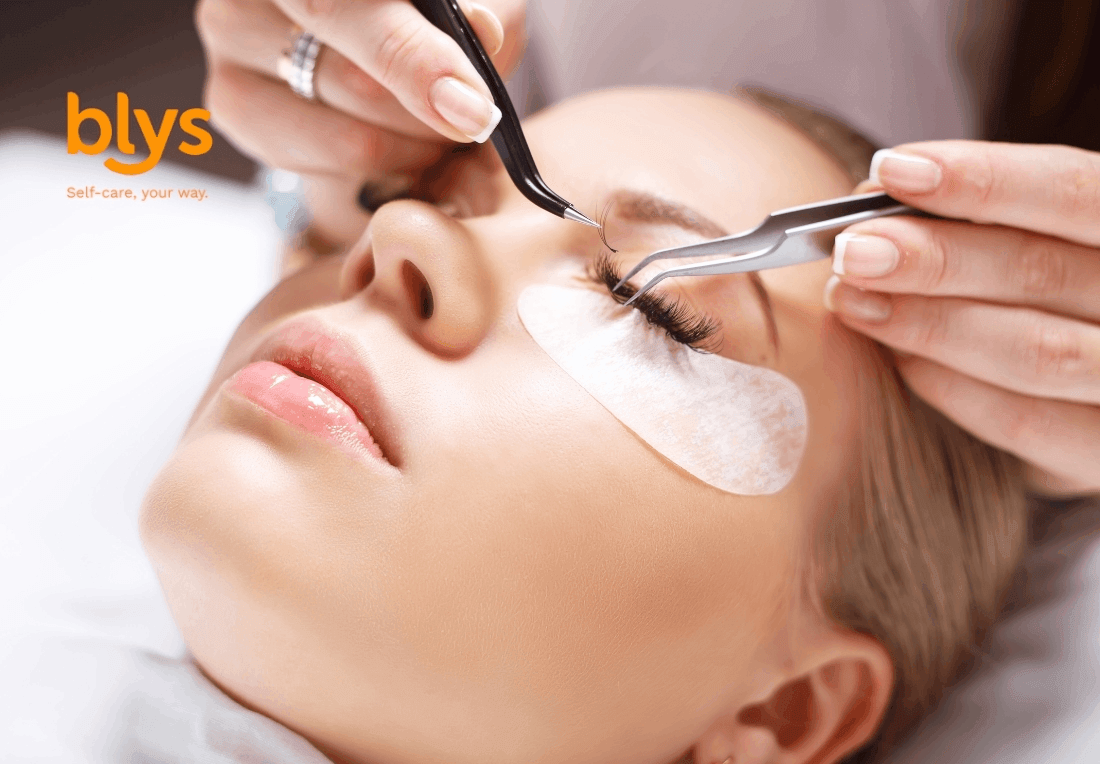
Whether you need a licence to offer lash extensions or brow lamination depends entirely on which country, state, province, or local authority you’re actually operating in, since no single national rule governs this across any of the major English-speaking markets. Assuming lash extension rules work the same in every state is how someone ends up legally compliant in one zip code and quietly in breach of local regulations two suburbs over. Nobody’s checking your lash tweezers at the border, but a regulator absolutely might.
Why This Varies So Much by Market
Beauty and cosmetic treatment regulation in most markets isn’t set by one central authority, which is exactly why a single, confident answer to this question doesn’t actually exist.
No Single National Licensing Body for Beauty Services
In Canada and the UK, regulation similarly tends to sit with local authorities or provinces rather than a single national licensing scheme. In the US, cosmetology and esthetics licensing is regulated at the state level, not federally, which means requirements for lash and brow work can differ substantially from one state to the next, sometimes governed under a general cosmetology licence, sometimes under a specific esthetics licence, and sometimes with no clear category at all. In Australia, lash and brow work isn’t currently a government-licensed occupation nationally, though local business registration and other requirements can still apply.
Why State, Provincial, and Local Rules Differ So Much
Beauty services generally get regulated the same way hairdressing and massage therapy do in most of these markets, as a local or regional matter rather than a national one, which is part of a much broader pattern rather than something specific to lash and brow work. This means two technicians offering identical services in neighbouring states or provinces can actually be operating under two different sets of rules entirely.
What’s Typically Required
Two different concepts get conflated constantly in this conversation, and separating them actually clarifies most of the confusion.
Licensing vs Certification: Two Different Things
A licence is a legal requirement set by a government body, and operating without one where it’s actually mandated is a real legal issue. A certification is an industry credential, often from a private training academy, that demonstrates a specific skill but isn’t necessarily a legal requirement on its own. In markets where lash and brow work isn’t formally licensed, a recognized certification can still function as the practical standard most insurers, platforms, and clients expect, even without any government mandate behind it. The training and qualification side of becoming a lash and brow technician sits alongside the licensing question as an equally important part of getting started properly.
The Common Pattern, Even Where It’s Not Legally Mandated
Even in markets without a specific government licence for lash and brow work, a recognized training course covering technique, sanitation, and patch testing tends to be the practical baseline most technicians complete anyway, since it’s what insurers and clients generally expect regardless of whether the law technically requires it. Getting the actual training and kit right matters just as much here as the licensing question itself does.
Where to Check Your Region
Googling “do I need a licence for lash extensions” and taking the first confident-sounding answer as fact is not the same as actually checking with the body that governs your specific area.
Your Actual Government Regulatory Body Comes First
The relevant state licensing board, local council, or provincial regulator is the only reliable source for a specific area’s actual requirement, since general information, however well-researched, can’t account for a rule that changed last month in one specific jurisdiction. Checking straight with them, rather than relying on a training academy’s marketing page or a forum post from another technician, is the only way to get an answer that’s actually current and actually applies to the specific location in question.
Checking With Any Platform You’re Working Through
A marketplace platform may have its own verification requirements for offering certain services, separate from both government licensing and insurance requirements, and confirming what a specific platform actually asks for avoids a rejected application over a requirement that was never clearly stated upfront.
Finding the Right Body When the Search Results Are Confusing
Searching a state or province’s name alongside “cosmetology board” usually surfaces the correct government body faster than searching for “lash extension licence” directly, since lash and brow work is often regulated under a broader beauty or cosmetology category rather than having its own dedicated licensing category. Calling the board directly and asking specifically about lash extensions and brow lamination, rather than assuming a general cosmetology page covers every specific treatment clearly, closes the gap a website alone often can’t.
Why Platforms Verify This at All
A platform connecting providers with clients has its own reasons for checking credentials, beyond simply following whatever the law requires in a specific area.
Protecting Clients Across Every Market a Platform Operates In
A platform operating across multiple states, provinces, or countries can’t rely on each individual provider to have correctly interpreted their own local requirement, so building a consistent verification step protects clients regardless of which specific jurisdiction a booking happens in. This isn’t about distrust of individual providers. It’s about a single, consistent standard applying everywhere a platform actually operates.
What This Means for a New Provider Applying
A new provider going through the application process should expect to provide evidence of relevant training or qualification upfront, rather than assuming a platform will simply take their word for it. Having this documentation ready before applying, rather than scrambling to find it mid-application, makes the whole process considerably smoother.
What Happens If You Skip It
Finding out your insurance doesn’t actually cover you the day something goes wrong is the single worst moment to discover a licensing or certification requirement you’d skipped.
Real Consequences Beyond Just a Fine
Operating without a legally required licence can mean fines, a formal order to stop operating, or in more serious cases a licensing body’s ongoing scrutiny of a business well beyond the specific incident that first caught its attention. These consequences vary by jurisdiction, but none of the markets involved treat operating without an actually required licence as a minor administrative technicality. It’s the kind of thing that feels theoretical right up until it isn’t.
Why Insurance Coverage Is the Bigger Risk
A denied insurance claim after an actual client incident is often the more damaging consequence in practice, since it means facing the financial and legal fallout of that incident with no coverage behind it at all. This risk exists regardless of whether a government licence was technically required, since insurers can still deny a claim based on their own certification requirements not being met. Proper aftercare reduces the likelihood of a client incident in the first place, and lash and brow aftercare is where most of those incidents start when it’s skipped.
A note on this information: This page describes general patterns across how lash and brow licensing tends to work in different markets. It isn’t legal advice, and requirements can change or vary at a level of detail this piece can’t capture for every specific state, province, or local authority. Confirming your own specific, current requirement straight with your relevant government regulatory body and your insurance provider is the only reliable way to know exactly where you stand.
Getting this right before booking a single client protects a business from a risk that’s fully avoidable with one phone call or a few minutes on the right government website. Sort the paperwork first, then sort your clients.
Sign Up as a Provider on Blys →
Frequently Asked Questions
Do you need a licence to offer lash extensions or brow lamination?
It depends entirely on your specific state, province, or local authority, since no single national rule applies across Canada, the US, the UK, or Australia. Checking straight with your relevant government regulatory body is the only reliable way to know your actual requirement.
What’s the difference between a licence and a certification for lash and brow work?
A licence is a legal requirement set by a government body, and operating without one where it’s mandated is a real legal issue. A certification is an industry credential, often not legally required on its own, but frequently expected by insurers, platforms, and clients regardless.
How do I find the right regulatory body if searching online is confusing?
Search for your state or province’s name alongside “cosmetology board” rather than searching for “lash extension licence” specifically, since this work is often regulated under a broader beauty category. Calling directly and asking about lash and brow work specifically gets a clearer answer than reading a general web page alone.
Where should I check my region’s actual licensing requirement?
Start with the relevant state licensing board, local council, or provincial regulator for your specific area, rather than a training academy’s marketing page or a general online search. Also check separately with your insurance provider, since their requirements aren’t always identical to the legal minimum.
What happens if you offer lash or brow services without a required licence?
Consequences vary by jurisdiction but can include fines, a formal order to stop operating, or ongoing regulatory scrutiny. A denied insurance claim after an actual client incident is often the more damaging real-world consequence, regardless of the specific legal penalty involved.
Can my insurance deny a claim even if my area doesn’t legally require a licence?
Yes, insurers can set their own certification requirements separate from government licensing, so a claim can still be denied for not meeting the insurer’s specific requirement even in a market with no formal licence for lash and brow work.
Why do platforms verify credentials beyond what local law requires?
A platform operating across multiple states, provinces, or countries can’t rely on every provider having correctly interpreted their own local requirement, so a consistent verification step protects clients no matter which specific jurisdiction a booking happens in.
What should a new provider prepare before applying to a platform?
Evidence of relevant training or qualification, ready before starting the application, rather than assuming a platform will take their word for it. Having this documentation prepared in advance makes the whole process considerably smoother.
Does a platform like Blys have its own requirements separate from government licensing?
A marketplace platform can have its own verification requirements for specific services, separate from both government licensing and insurance requirements, so confirming what a specific platform actually asks for avoids issues during the application process.
Is this page legal advice for my specific situation?
No. This page describes general patterns across markets, not a specific legal determination for any one jurisdiction. Confirming your own current, specific requirement straight with your relevant government regulatory body and insurance provider is the only reliable way to know exactly where you stand.