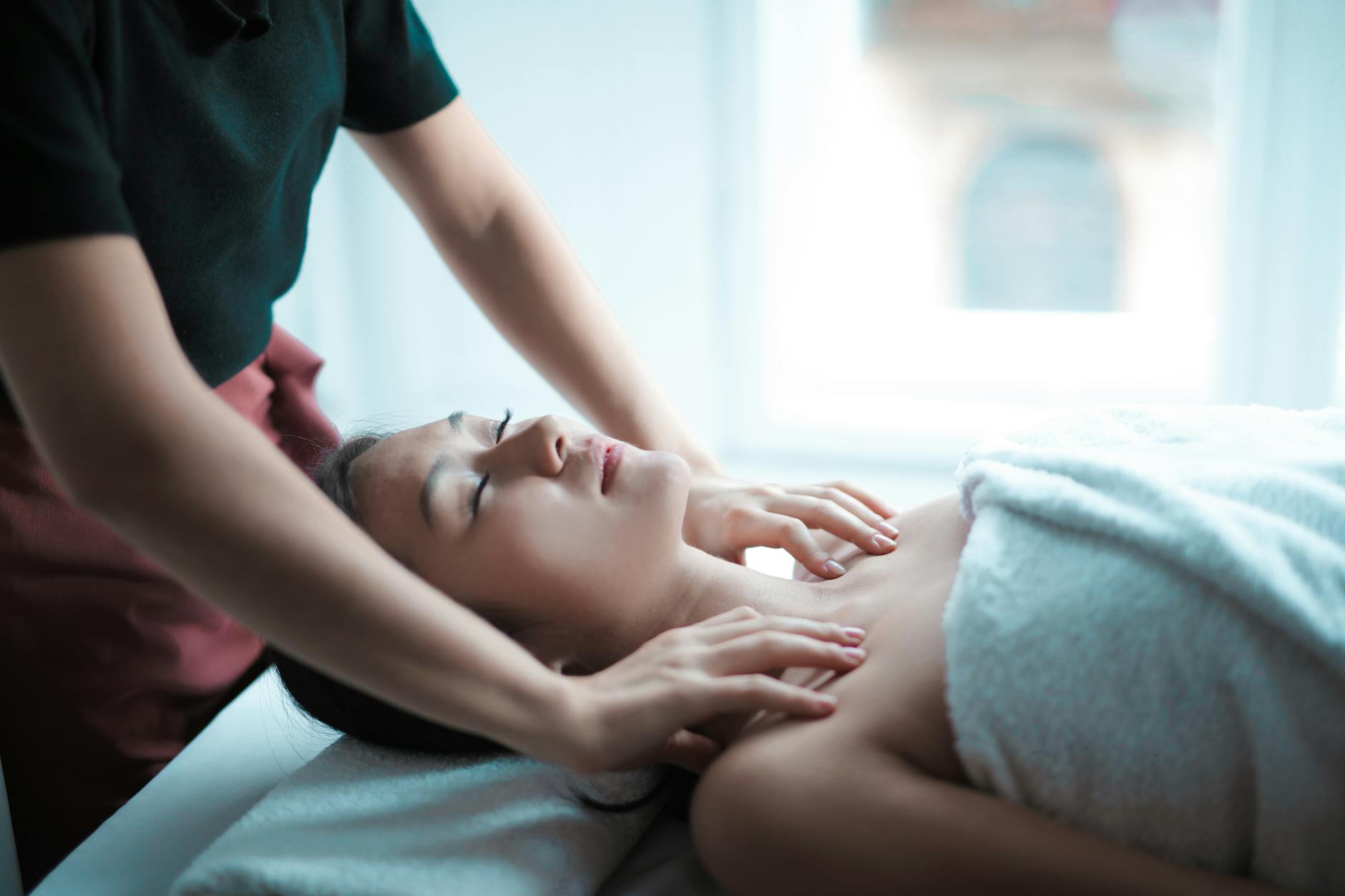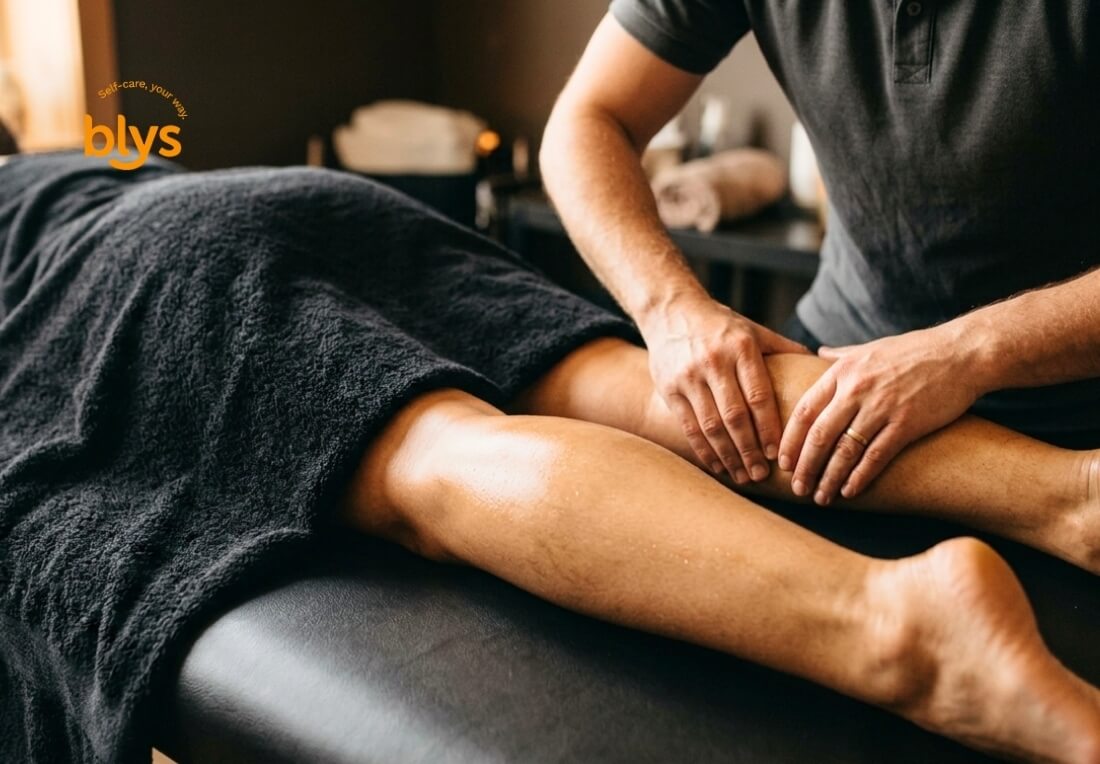
Most runners treat post marathon massage the way they treat rest days, something they know they should do more of, usually scheduled for the week after the race that’s now three months away. The problem with this approach is that by the time the race is three months away, the training load has been accumulating for twelve weeks and the tissue is already behind. Massage works best as a regular part of the training cycle rather than an emergency measure at the end of it.
This is how to build marathon training massage into a program so it’s doing its job throughout, not just at the start and finish.
Where Massage Fits in a Training Cycle
Marathon training typically runs 16 to 20 weeks, with volume building through the base and peak phases before a two to three week taper. Each phase creates different demands on the tissue, and the massage schedule should reflect that rather than staying fixed throughout.
Base Phase (Weeks 1–8)
The base phase is where the aerobic foundation gets built, usually through moderate volume and relatively lower intensity. The tissue load is manageable, but this is also where overuse injuries start, quietly, in the background, weeks before they announce themselves properly.
Fortnightly sports massage for runners in the base phase keeps the tissue in check before problems start. A therapist who sees the same runner every two weeks notices the calf tightening before it becomes a strain, the IT band loading up before it becomes an injury, and the lower back compensating before it becomes the reason for a DNS.
Peak Phase (Weeks 9–14)
The peak phase is where the long runs get long and the weekly volume is highest. This is where the body is most likely to start breaking down, because the training load is outpacing recovery. Weekly massage is appropriate for most runners taking the race seriously. Fortnightly is the minimum.
At this stage, the massage focus shifts from maintenance to focused work on the areas that are accumulating the most load: the calves and Achilles from the cumulative impact, the IT band and TFL from the volume of hip flexion, and the lower back from the forward lean that develops as fatigue sets in toward the end of long runs.
Taper Phase (Weeks 15–18)
The taper is where most runners feel their worst while doing the least, which is confusing and completely normal. Volume drops, but the nervous system and tissue are still processing the previous weeks of load, so the legs feeling heavy and flat is the adaptation working rather than something going wrong. Massage during the taper should be lighter than peak phase work. Save the deep tissue session for after the race, not the week before it.
One session at the start of the taper and one lighter session three to five days before the race works well for most runners. Nothing the day before.
Pre-Race vs Post-Race: Race Recovery Massage Timing
Pre-Race Massage
A pre-race massage in marathon context means the session in the week before the race, not the morning of. The goal is to arrive at the start line with legs that feel mobile and relaxed rather than worked. Deep tissue work in the final week is counterproductive, it leaves the tissue sensitized for 24 to 48 hours, which is not what you want in the days before asking that tissue to cover 42 kilometres.
The pre-race session should be lighter than training massage, focused on circulation and mobility rather than working through adhesions or trigger points. If something is tight or sore in race week, the honest answer is that the week before a marathon is too late to fix it with deep work, and the goal shifts to managing it rather than resolving it.
Post-Race Massage
The post marathon massage question is one of the most common ones runners ask, and the answer surprises most people: not immediately. The 24 to 48 hours after a marathon are an inflammatory response to the muscle damage from the race, and deep work during that window increases rather than decreases recovery time. The tissue needs to settle before it’s ready to respond to massage.
The ideal window for the first post-race massage is 48 to 72 hours after the finish line. At that point, the acute inflammation has reduced enough that the massage can support recovery rather than fighting against it. A sports massage at home in this window addresses the muscle damage from the race while the body is still in active recovery mode rather than waiting until everything has stiffened up.
The second post-race session, around one to two weeks after the race, is when the deeper work can happen, working through the residual tension that didn’t fully clear in the first session and assessing what the race did to the tissue. Most runners who do this are surprised by how much faster they feel ready to train again.
What to Expect After a Long Run
The long run is the centrepiece of marathon training, and it produces a predictable set of aftereffects that regular massage manages better than rest alone.
The 24-Hour Delayed Response
Most runners don’t feel the full effect of a long run until the next morning, the legs feel fine after 30 kilometres, and then less fine when getting out of bed the following day. This is delayed onset muscle soreness (DOMS), and it peaks around 24 to 48 hours after the effort rather than immediately. Planning a massage session for the day after a long run catches the tissue at the right point in this cycle.
What the Therapist Is Looking For
A therapist working on a marathon runner after a long run is looking for the same areas every time: the calves and soleus for impact accumulation, the IT band and outer quad for the friction load from hip flexion, the hip flexors for the shortening that comes from ongoing running position, and the lower back for the compensatory tension that builds as form deteriorates late in the run.
The picture is consistent enough that a therapist who works regularly with runners builds a picture of how each runner’s body responds to volume, which makes each subsequent session more focused than the last. This is one of the strongest arguments for booking with the same therapist throughout the training cycle rather than a different one each time.
Recovery Between Sessions
Massage works best alongside rather than instead of the other recovery tools, sleep, nutrition, hydration, and load management. A runner who is sleeping five hours, under-fuelling, and running on consecutive days without adequate rest will not get the full benefit of regular massage, because the massage is addressing the symptom rather than the source. Marathon training recovery covers the full picture of what effective recovery requires at each phase of the training cycle.
Red Flags Massage Alone Won’t Fix
Most of what goes wrong in marathon training responds well to massage when caught early. Some things don’t, and it’s worth knowing the difference.
Stress Fractures
Bone stress injuries present as pain that gets worse during a run rather than easing after a warm-up, often with a very specific point of tenderness over the bone. Massage won’t help and the only appropriate response is a sports medicine assessment and imaging. Running through suspected stress fractures turns a four-week setback into a twelve-week one.
Plantar Fasciitis in the Acute Phase
Plantar fasciitis in its acute phase, when the first steps of the morning produce sharp heel pain, needs a combination of load management, specific stretching, and sometimes footwear assessment before massage will be effective. Massage on the plantar fascia during the acute phase can aggravate rather than settle the tissue. Once the acute phase has passed, calf and plantar work are useful.
Referred Pain From the Spine
Leg or foot pain that doesn’t follow the usual muscle location, that’s accompanied by numbness or tingling, or that changes with spinal movement rather than muscle loading needs assessment by a physiotherapist or sports medicine doctor before massage. Referred pain from disc or nerve involvement won’t respond to soft tissue work and needs a different approach.
Persistent Swelling or Joint Pain
Swelling around a joint, pain that’s inside a joint rather than in the surrounding muscle, or any pain that’s getting worse with training rather than fluctuating needs medical assessment rather than massage. A good massage therapist will tell you this if they encounter it in a session, and taking that feedback seriously is the right response.
For cyclists and other endurance athletes building massage into a training plan, the same phase-based approach applies with different tissue priorities.
The training plan accounts for everything else. Book a sports massage at home through Blys and build the massage into the plan rather than fitting it in around the plan, available 7 days a week, 6 am to midnight across Canada.