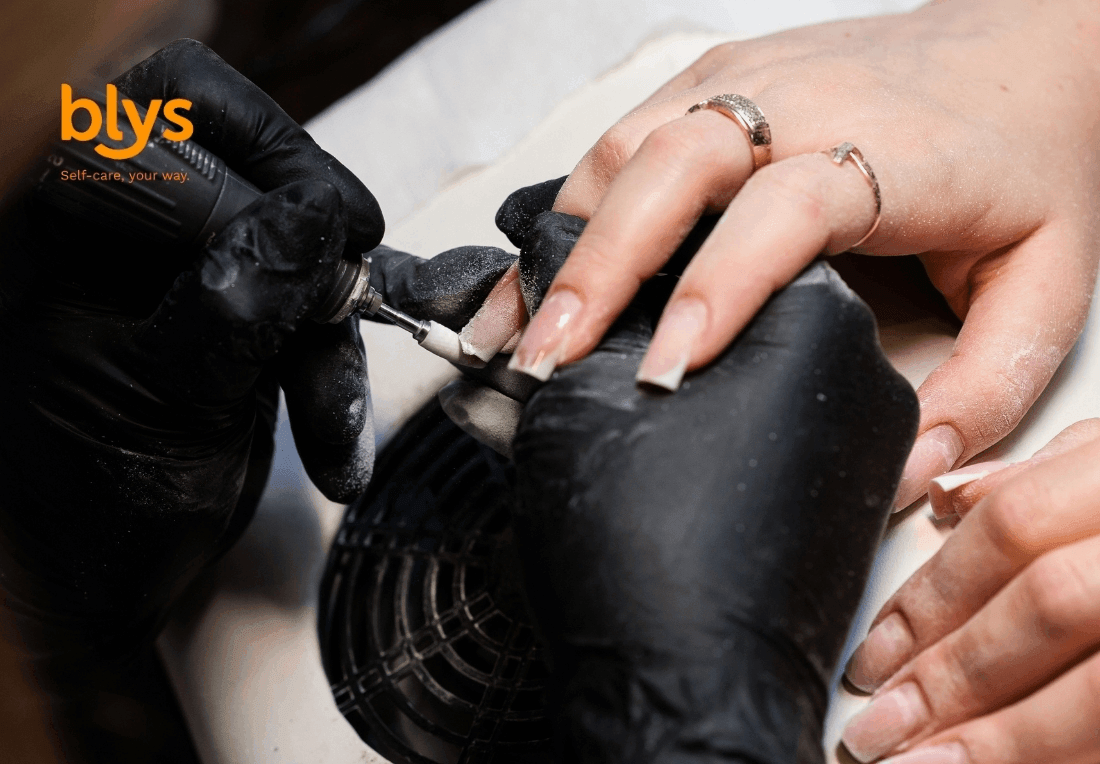
A Russian manicure is a nail technique that uses an electric e-file instead of traditional metal tools to remove cuticle and dead skin from around and slightly under the nail plate, done dry rather than after soaking the hands in water. Hearing an electric drill buzz within a few millimetres of your actual skin is an unsettling sound, at least until you realize how precise the person holding it actually is.
What Is a Russian Manicure?
The technique gets its name from where it was developed and standardized, not from anything being imported or flown in specially.
The E-File Technique That Defines It
An e-file, a small electric rotary tool with interchangeable bits, replaces the metal cuticle pusher and nippers used in a standard manicure. A trained technician uses specific bits at a controlled speed to precisely remove dead skin and excess cuticle, including the small amount that grows slightly onto the nail plate itself, rather than only trimming what’s visibly overhanging the edge. The technique itself is separate from whichever polish system gets applied afterward, gel, dip powder, or regular polish can all follow a Russian manicure, since the cuticle work and the polish choice are two independent decisions.
Why Bit Choice and Speed Actually Matter
Different e-file bits are shaped and textured for different jobs, a coarser bit for faster removal in less sensitive areas, a finer bit for precise work close to the cuticle edge itself. Running the tool at too high a speed, or using a bit meant for a different job, is where most of the real risk in this technique actually comes from, which is exactly why bit selection and speed control matter as much as the technique itself.
Where the Name Actually Comes From
Despite the name, nobody’s flying in a specific technician from Moscow. The term describes a technique that was developed and popularized in Eastern Europe, especially Russia, where dry, e-file-based cuticle work became the standard well before it spread to salons elsewhere.
How It Differs From a Regular Manicure
A properly done Russian manicure leaves cuticles looking suspiciously tidy in a way that makes every previous manicure look like it was done in the dark.
Dry Technique vs the Traditional Soak
A standard manicure typically starts with soaking the hands in water to soften the cuticle before pushing it back with a metal tool. A Russian manicure skips the soak entirely, working on completely dry skin instead, since the e-file doesn’t need softened cuticle the way a metal pusher does, and working dry actually makes it easier to see precisely what’s being removed.
Why It Requires Specific, Additional Training
Standard manicure training doesn’t automatically include e-file technique, and using one incorrectly, wrong speed, wrong angle, too much pressure, carries real risk of damaging the nail plate or surrounding skin. A technician offering Russian manicures specifically should have completed training beyond a general manicure qualification, focused on e-file use itself. Precision, longevity, cost, and pain all differ between the two techniques, each one a real factor to weigh before choosing between them.
Is a Russian Manicure Safe?
Trusting a spinning metal bit millimetres from your cuticle requires a specific kind of faith not usually required for a Tuesday afternoon appointment.
The Real Risk Sits With the Technician’s Training, Not the Technique Itself
Done properly by someone actually trained in e-file use, a Russian manicure carries no more risk than a standard one. Done by someone using an e-file without proper training, the risk is real: over-filing can thin the nail plate, irritate the surrounding skin, or in worse cases break the skin in a way that raises infection risk. The technique itself isn’t inherently risky. An untrained hand holding the tool is where the actual risk comes from.
Does a Russian Manicure Hurt?
A properly done Russian manicure shouldn’t hurt. Some clients feel a mild vibration or warmth from the e-file, and very sensitive skin around the cuticle might feel slightly more aware of the process than during a standard manicure, but real pain during the appointment is a sign something’s being done incorrectly, not a normal part of the service.
What to Actually Check Before Booking
Asking outright whether a technician has specific e-file training, not just general manicure experience, is a reasonable question and one a properly trained technician won’t hesitate to answer. Checking a provider’s reviews specifically for mentions of e-file work or Russian manicures gives a clearer signal of real experience than a generic star rating alone.
Cost and Longevity
The clean, precise finish a Russian manicure produces isn’t just cosmetic. It’s part of why the result usually lasts as long as it does.
Why It Typically Costs More Than a Standard Manicure
A Russian manicure generally costs more than a standard manicure, reflecting the additional training, the specialized tool, and the extra time the technique takes compared to a quicker, soak-and-push approach. Checking exact pricing on a specific booking page gives an accurate number rather than a rough guess, since rates vary between providers and locations.
How Long a Russian Manicure Actually Lasts
A Russian manicure paired with gel polish typically lasts noticeably longer than a standard manicure with the same polish, largely because the more thorough cuticle removal creates a cleaner surface for the gel to bond to. The same underlying causes behind gel lifting and damage apply here too, since proper prep is exactly what protects against early lifting regardless of which manicure technique came before it.
Aftercare That Actually Protects the Result
The dry, precise cuticle work a Russian manicure involves means the surrounding skin can feel slightly more exposed immediately after the appointment than it would after a standard manicure, which makes aftercare a real, practical step rather than an afterthought.
Keeping the Cuticle Area Hydrated Afterward
Applying cuticle oil regularly in the days following the appointment helps the surrounding skin recover and stay comfortable, since the more thorough removal process leaves slightly less of a natural barrier immediately afterward than a standard manicure would. This isn’t a sign anything went wrong. It’s simply part of how the technique works, and proper aftercare accounts for it.
Avoiding Harsh Products on Freshly Worked Skin
Strong sanitizers, harsh soaps, or anything else likely to irritate already-worked skin are better avoided for the first day or so after the appointment, giving the area time to settle before it’s exposed to anything more abrasive than normal hand washing.
Who a Russian Manicure Actually Suits Best
Clients with naturally dry or overgrown cuticles, or anyone who’s found a standard manicure doesn’t leave the nail bed looking as clean as they’d like, usually notice the biggest difference with this technique specifically. It also suits anyone planning to wear gel polish for an extended period, since the cleaner prep actually supports a longer-lasting result. Brides specifically often benefit from exactly this kind of longevity, given how much a wedding day and the photos that follow depend on nails holding up without any early lifting. It suits this group considerably more than someone simply wanting a quick, basic manicure with no particular concern about cuticle appearance or longevity.
Does the Same Technique Apply to Pedicures?
Yes, the same e-file, dry-technique approach works just as well on toenails and the surrounding cuticle, and the same training and safety considerations apply equally to a Russian pedicure as they do to the hands.
Getting the actual technique and technician right is what turns a Russian manicure into a properly better result, not just a fancier name for the same service. Finding a provider trained specifically in this technique is the actual first step toward getting that result.
Book a Russian Manicure at Home →
Frequently Asked Questions
What is a Russian manicure?
A Russian manicure is a nail technique that uses an electric e-file instead of traditional metal tools to remove cuticle and dead skin from around and slightly under the nail plate, done on dry skin rather than after soaking.
Can a Russian manicure be done with gel, dip powder, or regular polish?
Yes, the cuticle technique and the polish system are two separate decisions. A Russian manicure describes how the cuticle is prepared, not which specific polish or system gets applied afterward.
Does the type of e-file bit used actually matter?
Yes, different bits suit different jobs, a coarser bit for faster removal, a finer bit for precise work near the cuticle edge. Using the wrong bit, or running the tool at too high a speed, is where most of the real risk in this technique comes from.
How is a Russian manicure different from a regular manicure?
A regular manicure typically starts with soaking the hands and uses metal tools to push back cuticle. A Russian manicure skips the soak, works on dry skin, and uses an e-file to remove cuticle more thoroughly, including the small amount that grows onto the nail plate itself.
Is a Russian manicure safe?
Yes, when done by a technician specifically trained in e-file technique. The risk comes from an untrained hand using the tool incorrectly, not from the technique itself, so checking a technician’s specific experience with e-file work matters before booking, the same way it would for any technique involving a specialized tool close to the body.
Does a Russian manicure hurt?
No, a properly done Russian manicure shouldn’t hurt. Some clients notice mild vibration or warmth from the e-file, but actual pain during the appointment signals something isn’t being done correctly.
How long do Russian manicures last?
A Russian manicure paired with gel polish typically lasts noticeably longer than a standard manicure with the same polish, largely due to the cleaner cuticle removal creating a better surface for the gel to bond to.
How much does a Russian manicure cost?
Generally more than a standard manicure, reflecting the additional training and time the technique requires. Checking exact pricing on a specific booking page gives an accurate number, since rates vary by provider and location.
What should I check before booking a Russian manicure?
Ask outright whether the technician has specific e-file training instead of only general manicure experience, and check reviews for mentions of e-file work or Russian manicures specifically for a clearer signal of real experience.
Is a Russian manicure a good choice for a bride?
Yes, often. The longevity and clean finish suit exactly what a wedding day and the photos afterward need, nails that hold up without early lifting through a long, eventful day.
Who is a Russian manicure best suited for?
Anyone with naturally dry or overgrown cuticles, or anyone planning to wear gel polish for an extended period, usually notices the biggest benefit from this technique specifically, more so than someone wanting a quick, basic manicure with no particular concern about longevity.
Does a Russian manicure technique work for pedicures too?
Yes, the same e-file, dry-technique approach applies to toenails and surrounding cuticle just as well, with the same training and safety considerations carrying over to a Russian pedicure.
Does a Russian manicure need special aftercare?
Yes, applying cuticle oil regularly in the days after the appointment helps the surrounding skin recover, since the more thorough removal process leaves slightly less natural barrier immediately afterward than a standard manicure would.
Should I avoid anything on my hands right after a Russian manicure?
Strong sanitizers and harsh soaps are better avoided for the first day or so, giving the freshly worked skin time to settle before it’s exposed to anything more abrasive than normal hand washing.
Can over-filing during a Russian manicure damage the nail?
Yes, if done incorrectly. Over-filing can thin the nail plate or irritate surrounding skin, which is exactly why technician training and experience with e-file technique specifically matters more here than for a standard manicure.