 Beauty therapy in Canada is one of those careers that looks like it’s about skincare and lashes on the surface and turns out to be mostly about people. The technical skills matter, waxing, facials, lash treatments, nail care, but the therapists who build strong careers are the ones who are good at reading what a client needs, building trust over multiple sessions, and making someone feel well looked after. That combination is harder to train than a specific technique, and it’s what separates a therapist with a full client list from one who’s always looking for the next booking.
If you’re considering a beauty therapist career in Canada, here’s what the role actually involves, what qualifications you need, what you can expect to earn, and where the career can take you.
What Does a Beauty Therapist Do?
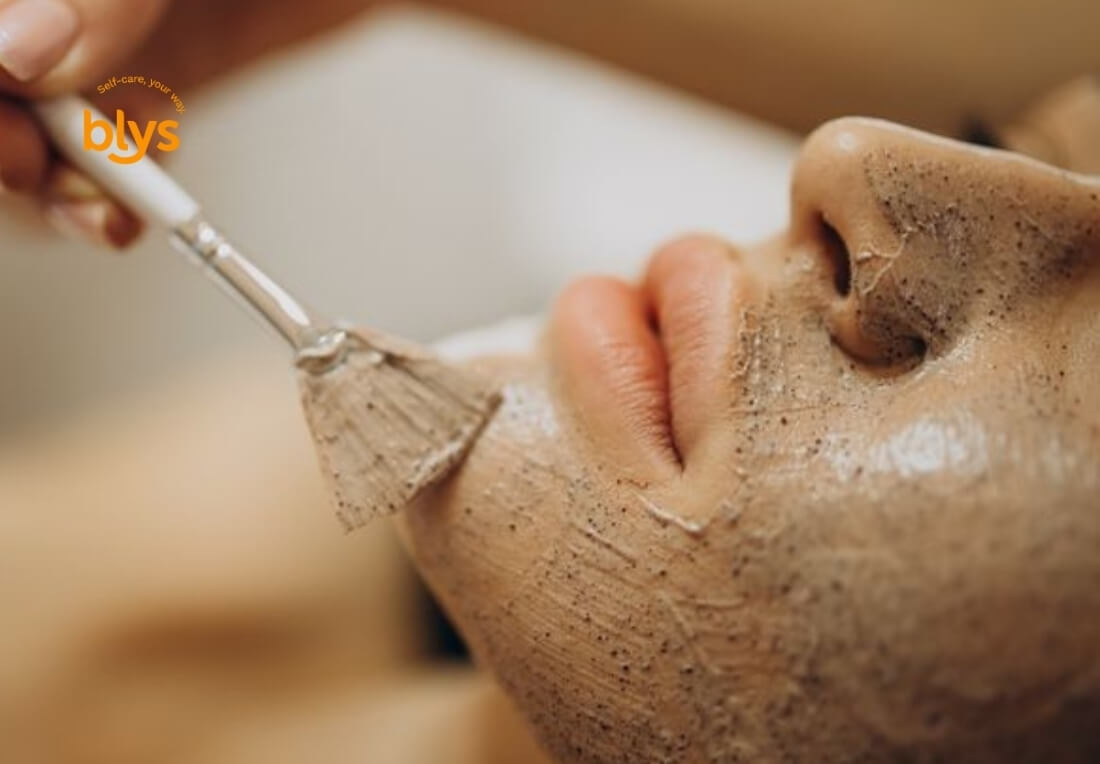
A beauty therapist is a trained professional who provides skin, grooming, and body treatments in a client-focused setting. In Canada, the role typically covers facials and skin treatments, waxing, lash and brow services, nail care, makeup, and body treatments like wraps and scrubs. Client consultations, product recommendations, and aftercare advice are also core parts of the job, and the treatment itself is only part of what clients are paying for.
Beauty therapy and massage therapy are related but separate career paths. Some beauty therapists expand their scope with relaxation massage training, but the two credentials are distinct and regulated differently across provinces. Beauty therapy is also separate from hairstyling, which runs on its own training and licensing track by province, even though the two fields often sit side by side in salons and spas.
Where Beauty Therapists Work
One of the real advantages of a beauty therapy career is the variety of settings it opens up:
- Day spas and wellness centres
- Beauty salons and dedicated skin clinics
- Hotels, resorts, and luxury retreats
- Medispas and cosmetic clinics
- Mobile and in-home beauty services
- Self-employment and freelance work
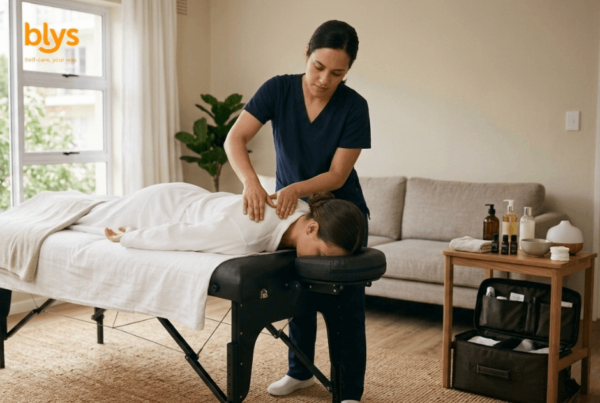
Mobile beauty has grown considerably in recent years, with platforms like Blys beauty services connecting local therapists with clients who want treatments at home, at hotels, or at events. For therapists who prefer flexibility over a fixed location, it’s a different way to run a practice.
Specialisations Worth Considering
Once you have your foundational training, short courses and advanced certifications open up higher-earning specialisations. The most in-demand areas currently include:
- Advanced skin treatments and chemical peels
- Laser and IPL hair removal (requires provincial licensing in most provinces)
- Cosmetic tattooing and semi-permanent makeup
- Lash lifting and volume extensions
- Oncology aesthetics
- Spray tanning and airbrush makeup
Oncology aesthetics carries real responsibility beyond standard beauty therapy training, since it means understanding treatment side effects, product contraindications, and timing around chemotherapy or radiation. This isn’t a specialisation to pick up casually. It requires dedicated oncology esthetics training and, in most cases, direct coordination with a client’s medical team.
Specialising is one of the clearest paths to higher income in this field, letting you charge more, attract a more defined client base, and stand out in a competitive market. Makeup, in particular, often grows into its own separate career built around bridal work and portfolio-building rather than developing out of a beauty therapy credential, even though plenty of beauty therapists add makeup services to their existing skill set.
How to Become a Beauty Therapist in Canada: Qualifications and Training
Canada doesn’t have a single national beauty therapy qualification. Training requirements and credential recognition vary by province, which means where you plan to work affects what you need to study.
Provincial Variation
In Ontario, estheticians complete a program through a registered private career college or community college, typically running 300 to 600 hours depending on the scope of services covered. The Ontario College of Trades previously regulated the trade, though the regulatory landscape has shifted in recent years, check with your provincial authority for current requirements.
In British Columbia, estheticians are regulated under the Industry Training Authority (ITA), and completion of an apprenticeship program or equivalent training is required. Programs typically cover 1,200 hours of combined classroom and hands-on training.
In Alberta and most other provinces, esthetician programs are offered through private career colleges and community colleges, with no mandatory provincial licensing for basic beauty therapy services. However, specific services, especially laser and IPL treatments, typically require additional licensing regardless of province.
The safest starting point is to check the regulatory body or training authority in your specific province before enrolling, since requirements have changed in several provinces over the past few years.
What to Look for in a Program
Regardless of province, a solid beauty therapy program will include both classroom theory and hands-on clinical practice with real clients. The clinical hours are where most skill development happens, and programs that rush through them or substitute demonstrations for supervised client work fall short of what the certificate should actually represent.
Most employers and booking platforms also expect a current first aid and CPR certificate, and professional indemnity insurance before you take on clients independently.
Beauty Therapist Salary Canada: What to Expect
Beauty therapist salary in Canada varies considerably depending on province, work setting, and whether you’re employed or self-employed.
According to Job Bank Canada, the median hourly wage for estheticians and related occupations is around $17 to $22 per hour for employed therapists, translating to roughly $35,000 to $46,000 annually in a full-time salon or spa role. In major cities like Toronto and Vancouver, rates tend to sit at the higher end and beyond, especially for therapists with specialist skills or premium clinic roles. Lash and brow work has grown enough as its own specialty that a lot of technicians now build an entire career around the fill and rebooking cycle alone, separate from general beauty therapy.
Self-employed and mobile therapists often earn more per appointment, with typical mobile beauty service rates in Canadian cities running $80 to $150+ per hour depending on the service, but they carry their own costs for insurance, products, equipment, and travel. Building a steady client base takes time, and income in the early months is rarely linear.
Location matters. Toronto, Vancouver, Calgary, and Ottawa tend to offer higher earning potential and more client volume. Smaller cities and regional markets often have less competition and stronger word-of-mouth referral networks, which can make building a practice more manageable.
How to Get Started
Step One: Research Your Province’s Requirements
Before enrolling in anything, check what your province requires for the specific services you want to offer. Some services, especially laser, IPL, and certain advanced skin treatments, have their own licensing requirements separate from general esthetician training.
Step Two: Choose an Accredited Program
Look for programs delivered by registered private career colleges or community colleges with a strong hands-on component. Student reviews, graduate employment rates, and the ratio of clinical hours to classroom hours all matter and deserve a proper look before you commit.
Step Three: Build Your Portfolio Early
In beauty therapy, your work is your marketing. Start documenting your treatments from your first supervised client session, build a clean social media presence with your work, and gather testimonials as early as you can. A therapist with visible evidence of their skill fills bookings faster than one with the same qualifications and no portfolio.
Step Four: Get the Basics in Place Before Your First Client
First aid certificate, professional indemnity insurance, and a clear understanding of hygiene and infection control standards are all required before you take on clients independently. Most employers and platforms require all three before they’ll let you book through them.
Step Five: Consider How You Want to Work
The choice between employed, freelance, and mobile isn’t just about income, it’s about what kind of working life you want. Employed roles offer stability and client flow without the admin. Freelance gives you more control but more overhead. Mobile work through a platform like Blys gives you flexibility and access to a client base without running a full business. Most therapists try more than one model before settling on what works for them.
Where the Career Can Take You
Entry-level beauty therapy is usually salon or spa work: learning speed, building technique, and getting comfortable with a high volume of different clients. From there, the paths diverge quite a bit depending on what you’re interested in.
Senior therapist and clinic lead roles are the most natural progression. Management and salon ownership are natural extensions for people who like the business side. Education, training new therapists, developing curriculum, and working for product brands suits people who enjoy sharing what they know. Specialist clinical roles in medispas and cosmetic clinics command higher rates and require additional certifications, and the earning ceiling there is much higher than general salon work, largely because those roles demand the specific advanced qualifications covered earlier.
The highest-paying roles in the Canadian beauty industry include the specific qualifications that open up the clinical track.
Mobile and independent practice is also a real long-term option rather than just a starting point. Therapists who build a strong mobile client base often find it more sustainable and more lucrative than salon employment, especially once their reputation is established.
If you’re already trained and looking for flexible bookings on your own terms, Blys connects experienced beauty therapists with clients across Canada, a low-overhead way to build your client base without the commitment of running a full salon. Sign up as a provider and start taking bookings on your schedule.