Eyebrow tint is a semi-permanent dye that darkens brow hair without changing its shape, and it typically lasts two to four weeks before fading back toward its natural colour. Ten minutes and a small brush somehow manages to change how an entire face reads, which feels like it should require more ceremony than it actually does.
The Eyebrow Tinting Process
Understanding exactly what tint does, and doesn’t do, to the hair explains why the timeline that follows looks the way it does.
Why a Patch Test Actually Matters First
Skipping the patch test because you’re in a hurry is how a quick brow refresh turns into an unscheduled visit to urgent care, dramatic, but not actually rare enough to ignore. Tint dyes can actually trigger allergic reactions in some people, so a small test patch 24 to 48 hours before the actual appointment checks for sensitivity before the dye ever goes anywhere near the eye area properly.
How the Actual Application Works
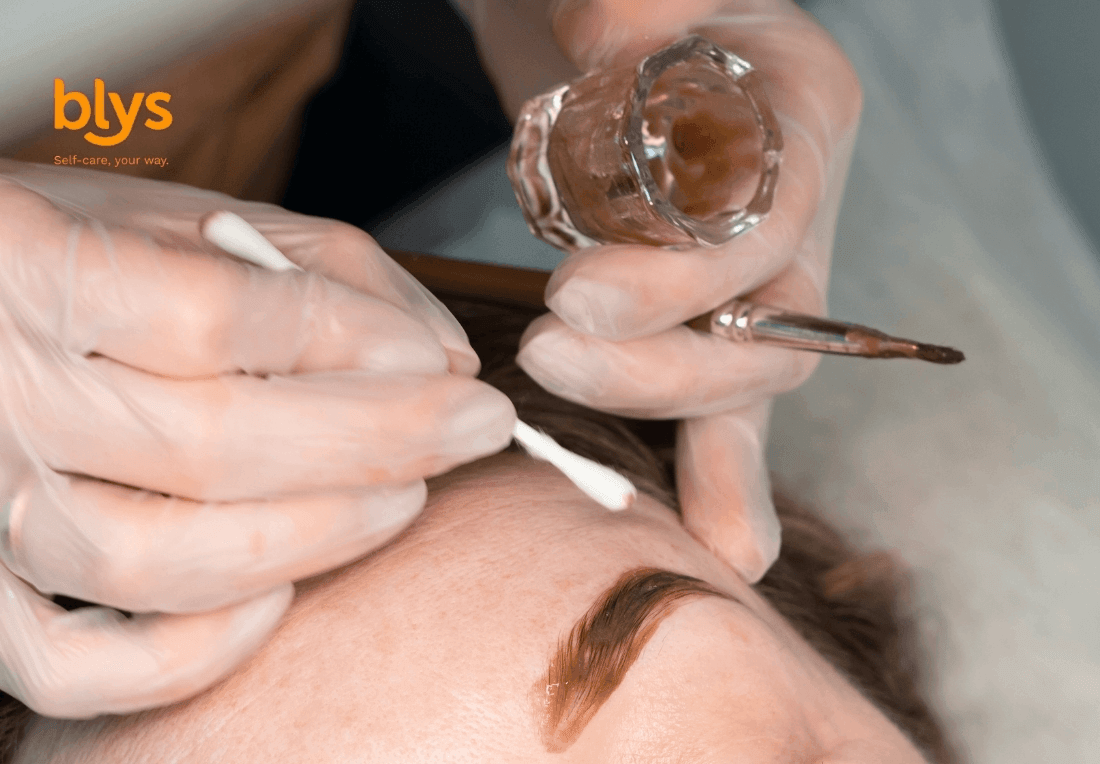
Skin around the brows typically gets a light barrier of protective cream to stop the dye staining anywhere it shouldn’t, then the tint itself gets mixed and brushed onto the brow hair, left to develop for around five to fifteen minutes depending on how deep a colour is wanted, and wiped away once it’s done its job. Most professional brow tints use a vegetable-based or specifically formulated dye rather than standard hair colour, since regular scalp hair dye isn’t designed or tested for use this close to the eyes.
Choosing a Shade That Actually Matches
A technician typically mixes a shade based on natural hair colour, skin undertone, and how bold a result is actually wanted, since a tint that’s too dark against pale brows can look jarring, while one that’s too light barely registers at all. Bringing along a reference photo of a preferred brow look helps a technician land on the right depth faster than describing it verbally alone.
Henna Brow Tint Is an Actually Different Option
Henna specifically colours both the hair and the skin underneath, creating a fuller, more defined brow shape that can last slightly longer than standard tint since it’s actually staining two surfaces rather than just the hair itself. This is a real, distinct alternative to ask about specifically if standard tint has consistently faded faster than expected.
Tint vs Lamination: Not the Same Treatment
Eyebrow tint only changes colour, leaving the hair’s natural direction and shape completely untouched, which is a properly different job from what brow lamination actually does. Lamination restructures the hair itself to hold a new shape, and the two are often combined in one appointment specifically because they solve two separate problems, colour and shape, rather than overlapping.
The Same Logic Applies to Lashes Too
Tinting works on lashes for the same basic reason it works on brows, darkening hair colour without changing its shape, and it’s commonly paired with a lash lift the same way brow tint pairs with lamination.
How Long Does Eyebrow Tint Actually Last?
Watching your freshly tinted brows fade back to their apologetic, barely-there original colour within two weeks feels like a personal betrayal, though it’s really just biology being its usual, unbothered self.
The Real Timeline You Can Expect
Two to four weeks is the realistic range most people actually get, with individual hair growth rate, skin cell turnover, and how often the brow area gets cleansed or exfoliated all shifting where in that range a specific result lands.
Why Tint Fades Faster Than Lamination
Tint fades through two separate processes happening at once, natural skin cell turnover gradually clearing any colour that landed on the skin itself, and new, untinted hair growing in to replace hair that was actually coloured. Lamination, by contrast, only fades as hair grows out, since there’s no surface colour component to also wear away, which is exactly why tint’s timeline sits shorter than lamination’s on average.
How Often to Book a Fresh Tint
Booking a touch-up every three to four weeks generally keeps colour looking consistently fresh without letting brows fade back to their natural shade in between appointments. Waiting until the colour has almost completely faded before rebooking means starting from a more noticeable contrast each time, rather than maintaining a steady, barely-there gap.
Sun Exposure Speeds Up Fading Too
Regular sun exposure on the face accelerates how quickly tint fades, similar to how sun exposure fades other cosmetic colour treatments over time, so wearing sunscreen on the brow area or simply spending less time in direct sun helps a tint last closer to the longer end of its typical range.
Removing or Fading Eyebrow Tint
Attempting to lighten an unexpectedly dark tint result with whatever’s under the bathroom sink is a decision made exclusively by people who have never had to explain an eyebrow-related emergency to a pharmacist.
Why There’s No Real “Removal” Process
Eyebrow tint doesn’t have a dedicated removal treatment the way something like lash extensions does, since it’s designed to simply fade out naturally rather than needing to be actively stripped away by a technician.
If You Want It to Fade Faster
Gentle exfoliation around the brow area speeds up how quickly any surface colour clears, and repeated use of an oil-based makeup remover on the brows can help nudge hair-shaft colour toward fading a little sooner, though neither approach dramatically undoes the result overnight.
Skincare Actives Can Fade Tint Faster Than Expected
Retinol, exfoliating acids, and other active skincare ingredients used regularly around the brow area can speed up how quickly tint fades, since they accelerate the same skin cell turnover process that naturally clears surface colour anyway. Anyone using these products consistently around their brows should expect a shorter tint lifespan than someone with a gentler skincare routine in that specific area.
The Real Risk of DIY Correction at Home
Bleaching or attempting to strip tint at home carries real risk given how close the area sits to the eyes, and a technician correcting an overly dark or uneven result professionally protects both the skin and the eyes far more reliably than a home fix ever could. Checking a provider’s reviews for specific mentions of tint correction experience gives a clearer sense of who can actually help if a result needs adjusting.
Getting the shade right the first time, with a patch test done properly beforehand, avoids needing any kind of correction at all. Mentioning your desired depth clearly when booking through Blys helps a technician mix the right shade from the very first appointment.
Get Your Brows Tinted at Home →
Frequently Asked Questions
Is eyebrow dye the same as eyebrow tint?
Yes, the terms are generally used interchangeably to describe the same semi-permanent colouring treatment applied to brow hair.
Does eyebrow tinting hurt?
No, it’s a painless process. The only real sensation is the tint sitting on the brows during development, and most people feel nothing beyond that.
How much does eyebrow tinting typically cost?
Pricing varies by provider and location, but it’s generally one of the more affordable brow treatments available, often costing less than lamination given the shorter appointment and simpler process involved.
Is the tint result visible immediately, or does it darken afterward?
The colour is visible as soon as it’s wiped away, though it can appear very slightly darker for the first day before settling into its true, final shade.
Can very light or blonde brows still get a noticeable result from tinting?
Yes, often with the most noticeable transformation of any hair colour, since there’s a bigger contrast between the original pale colour and the tinted result.
Is eyebrow tinting safe during pregnancy?
This is a question for a doctor directly, since individual advice can vary and isn’t something a general guide can safely answer.
Can tint stain the surrounding skin permanently?
Not permanently, as long as a proper barrier cream is used during application. Any minor staining that does occur fades within a day or two as skin cells naturally turn over.
Can you tint your own eyebrows at home safely?
It carries more risk than a professional appointment specifically because of how close the area sits to the eyes, and an allergic reaction or uneven result is harder to manage without training.
Does previous brow hair removal, like threading or waxing, affect how tint takes to the hair?
Not usually, since tint works on whatever hair is currently present regardless of how it’s been shaped beforehand, though very sparse brows will naturally show less overall colour change than fuller ones.