Physiotherapy is one of the most in-demand allied health professions in the world. Whether you’re drawn to sports rehabilitation, pediatric care, or helping people recover from surgery, the career offers genuine variety, strong job security, and the daily satisfaction of making a measurable difference to someone’s quality of life.
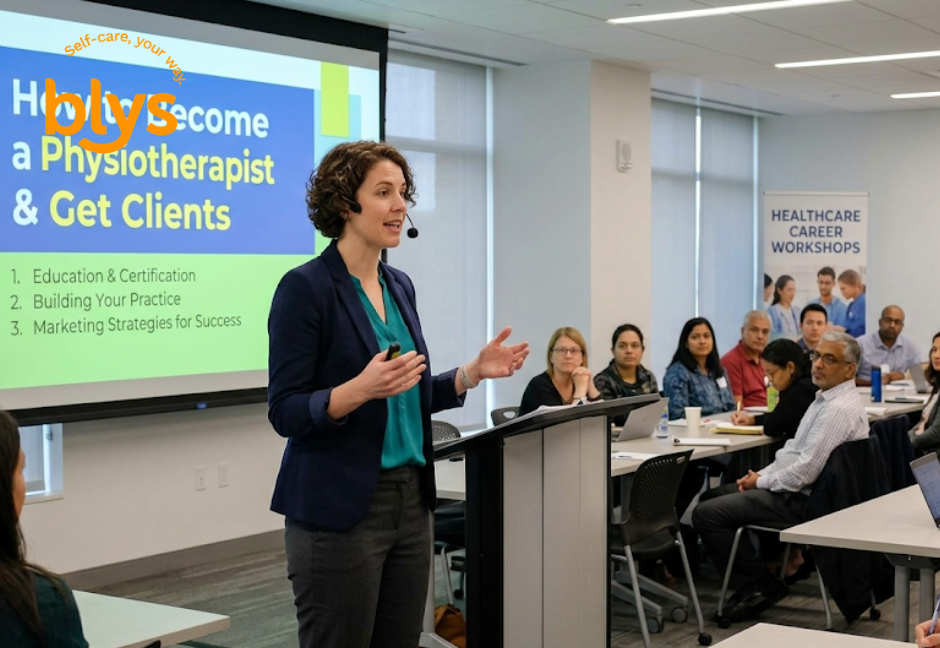
If you’re wondering how to become a physiotherapist, the path is structured but very achievable. It involves the right degree, supervised clinical practice, and registration with your country’s relevant health authority. Once qualified, the next challenge is to establish yourself in the job market and cultivate a clientele that you can expand over time.
This guide walks you through every stage of the journey, from choosing your degree to landing a physiotherapist job and growing a sustainable practice.
What Does a Physiotherapist Do?
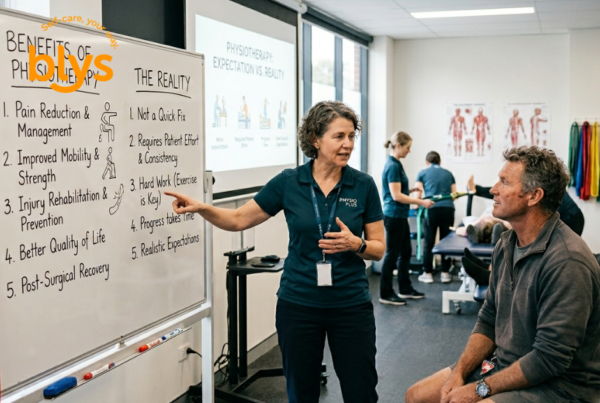
Physiotherapists assess and treat physical conditions that affect movement, function, and quality of life. They work with patients recovering from injury, managing chronic pain, preparing for surgery, or rebuilding strength after illness. Conditions they commonly treat include back and neck pain, sports injuries, post-surgical rehabilitation, neurological conditions such as stroke, and musculoskeletal disorders.
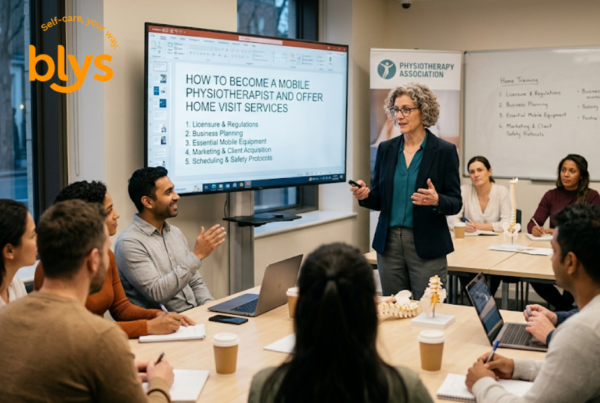
The work spans a wide range of settings. Many physiotherapists work in hospitals or private clinics, while others operate in community health centers, aged care facilities, schools, or sporting organizations. There’s also a growing demand for mobile physiotherapy, where therapists travel to patients’ homes or workplaces and offer treatment in a more convenient and personalized setting.
The role is both physically and intellectually demanding. Physiotherapists need strong diagnostic skills, a sound understanding of anatomy and biomechanics, and the ability to build rapport with patients across different age groups and health backgrounds. For a detailed look at day-to-day responsibilities and career pathways, the Blys physiotherapist career guide is a useful starting point.
Steps to Become a Physiotherapist
The requirements vary slightly by country, but the core pathway is consistent across most regions: an accredited degree, clinical placements, and registration with a professional or regulatory body.
Step 1: Complete an Accredited Physiotherapy Degree
To become a physiotherapist, you usually need to complete an accredited university degree. This is often a Bachelor of Physiotherapy, although some countries also offer graduate-entry master’s programs for students with a related degree.
Accreditation is important because registration bodies usually only accept graduates from approved programs. These courses are designed to meet the academic, clinical, and practical standards required for entry into the profession.
Typical study pathways in physiotherapy:
| Pathway | Who it suits | Typical duration | What it involves |
| Bachelor of Physiotherapy | School leavers or first-time university students | 3–4 years | An undergraduate degree that combines theory, practical training, and clinical placements |
| Graduate-entry Master’s in Physiotherapy | Students with a relevant prior degree | 2–3 years | A postgraduate option for those with a background in health, exercise, or biological sciences |
| Equivalent accredited programme | Students in countries with different qualification titles | Varies by country | A recognised entry-level course that meets local registration standards |
Common areas covered during the degree:
| Study area | What students learn |
| Anatomy and physiology | How the body is structured and how it functions. |
| Pathology | How disease and injury affect movement and recovery. |
| Musculoskeletal physiotherapy | Assessment and treatment of muscles, joints, and bones. |
| Neurological physiotherapy | Care for patients with conditions affecting the brain, nerves, and spinal cord. |
| Cardiorespiratory physiotherapy | Support for patients with heart and lung conditions. |
| Clinical reasoning and evidence-based practice | How to assess patients, plan treatment, and apply research in practice. |
A physiotherapy degree is not only about classroom learning. Students also complete supervised clinical placements, where they begin applying their skills in real healthcare settings. This practical experience is a major part of training and helps prepare graduates for registration, entry-level roles, and the demands of day-to-day patient care.
Step 2: Complete Your Clinical Placements
Practical experience is built into physiotherapy degrees from the early stages. You’ll complete clinical placements across a range of settings, typically including hospitals, private practices, and community health. These placements are supervised and assessed, and they form a critical part of both your learning and your qualification.
Take your placements seriously. They’re where you develop real clinical skills, build professional networks, and often make a strong first impression on potential employers. Many new graduates secure their first physiotherapist job through a placement contact.
Step 3: Register With Your National Health Authority
Once you’ve completed your degree, you need to register before you can practice. In Canada, registration is managed by AHPRA (Australian Health Practitioner Regulation Agency) under the Physiotherapy Board of Australia. Other countries have equivalent bodies. Registration typically requires proof of your qualification, a criminal history check, and evidence of professional indemnity insurance.
You’ll need to renew your registration annually and demonstrate compliance with continuing professional development (CPD) requirements. These requirements vary by country and professional body, but ongoing learning is expected throughout your career.
Step 4: Consider Postgraduate Specialisation
Postgraduate study is not essential for entry into physiotherapy, but it can support career growth and help you move into more focused areas of practice. Many physiotherapists choose to build experience first, then pursue further training once they have a clearer sense of the patient groups or clinical settings they want to work in.
Common areas of specialization include:
- Sports physiotherapy
- Paediatric physiotherapy
- Women’s health physiotherapy
- Pain management
- Neurological rehabilitation
- Cardiorespiratory physiotherapy
Some physiotherapists also use postgraduate study to move beyond direct clinical care. Further qualifications can support pathways into research, university teaching, leadership, or health policy. In most cases, specialization becomes more valuable after a few years of general practice, when you have a stronger understanding of your interests, strengths, and long-term career goals.
How to Find Your First Physiotherapist Job
The job market for physiotherapists is strong globally. Most new graduates find work within a few months of completing their degree, particularly those who were proactive during their clinical placements.
Here are the most effective strategies for finding a physiotherapist job early in your career:
- Leverage your placement networks: Stay in touch with supervisors and colleagues from your clinical placements. Many positions are filled through referrals before they’re advertised publicly.
- Apply to private practice clinics: These are the most common employers of physiotherapists. Look for clinics that offer mentorship programs or structured graduate support, as these are ideal environments to consolidate your skills.
- Explore hospital and community health positions: These roles are often advertised through public health service websites and offer excellent exposure to a broad patient caseload.
- Register with allied health recruitment agencies: These agencies often have access to roles that aren’t listed on general job boards.
- Consider mobile or home-based physiotherapy: Platforms that connect therapists with clients directly are an increasingly popular way to build a flexible caseload, particularly for early-career physiotherapists who want to supplement clinic work.
For a broader view of what to expect in terms of earnings and employment conditions, the Blys physiotherapist salary and job outlook guide covers current market trends across different practice settings.
How to Grow Your Client Base as a Physiotherapist
Whether you’re working as an employee or building your own practice, developing a reliable client base takes time and deliberate effort. The following approaches make a real difference.
Build a Strong Professional Reputation
Clinical outcomes drive referrals. When patients feel heard, improve under your care, and understand what they’re doing and why, they return and they recommend you to others. Invest in your communication skills as much as your clinical skills, especially early in your career.
Connecting with general practitioners, sports coaches, and other allied health professionals in your area is also valuable. GPs and specialists regularly refer patients for physiotherapy, and building those relationships takes time but pays off consistently.
Establish a Professional Online Presence
Most people search for health services online before making a booking. A clear and up-to-date professional profile, whether on your clinic’s website, a health directory, or a booking platform, makes you significantly easier to find.
If you’re practicing independently, consider a simple website that outlines your areas of focus, qualifications, and how to book. Collecting genuine patient reviews on Google or a relevant directory also builds credibility with new clients who don’t yet know you.
Offer Mobile Physiotherapy Services
Mobile physiotherapy is one of the fastest-growing segments of the profession. Many clients, particularly those managing chronic conditions, post-surgical recovery, or mobility limitations, strongly prefer the convenience of in-home treatment. Offering mobile physiotherapy through Blys is a practical way to expand your reach without the overhead of a second clinic location. Blys connects qualified physiotherapists with clients who are actively looking to book, making it easier to fill your schedule while maintaining flexibility.
Wrapping Up
A career in physiotherapy offers more than job stability. It gives you the chance to combine clinical knowledge with meaningful, hands-on work that can improve how people move, recover, and live day to day. From helping someone return to sport after an injury to supporting long-term pain management or rehabilitation, physiotherapy can be both intellectually challenging and deeply rewarding.
The pathway is also relatively clear. In most cases, you will need to complete an accredited degree, build your clinical experience through placements, meet registration requirements, and continue developing your skills once you begin practicing. Over time, many physiotherapists shape their careers around the settings and patient groups that suit them best, whether that means private practice, rehabilitation, sports care, aged care, or mobile services.
If you are looking for a career that blends science, problem-solving, and genuine human connection, physiotherapy is well worth considering. And if you are ready to start building your client base with greater flexibility, Blys mobile physiotherapy can help you connect with clients in your area and grow your caseload on terms that fit your lifestyle.