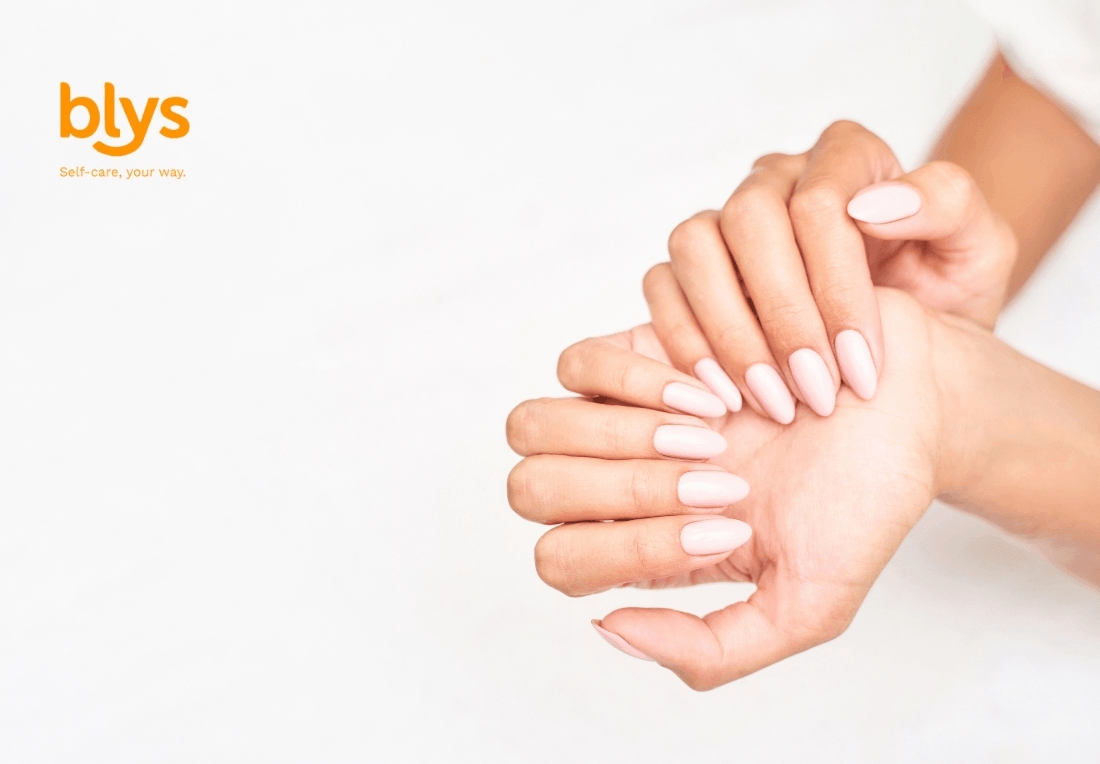
The right nail shape depends on your actual finger length, nail bed width, and how much real durability you actually need day to day, not just whichever shape is trending this month. Copying a celebrity’s stiletto nails without checking whether your actual nail beds can support that particular life choice is how a gorgeous photo becomes a very short-lived reality.
Nail Shapes at a Glance
| Shape | Best for | Durability |
| Round | Short or narrow fingers, active hands | Highest |
| Square | Longer fingers, wanting a bold, clean edge | Lower, corners chip easily |
| Squoval | Most finger types, a solid all-rounder | High |
| Oval | Short or wide fingers, wanting elongation | Moderate |
| Almond | Narrow fingers, wanting a softer taper | Moderate, tip can be fragile |
| Coffin/Ballerina | Longer nail beds, wanting a modern look | Moderate |
| Stiletto | Longer nail beds, wanting a bold statement | Lowest |
Round
Writing off round nails as the boring, sensible shape ignores that sensible is exactly what’s kept it in constant rotation since manicures were invented.
Why Round Suits Shorter, Narrower Fingers
Round nails follow the natural curve of the fingertip with no pointed corners at all, which keeps shorter or narrower fingers looking proportionate rather than visually shortened by a shape working against them. This is also the most durable shape available, since there’s no sharp corner or point to catch and chip.
Square
Square nails, a straight edge across the top with sharp corners, suit longer fingers especially well, since the flat top emphasizes length rather than fighting against it.
The Real Trade-Off Behind the Clean Look
Those same sharp corners are exactly where square nails usually chip first, ranking among the least durable shapes on this list despite how clean and deliberate it looks freshly done. Anyone choosing square specifically for the aesthetic should factor in more frequent touch-ups than a rounder shape would need.
Squoval
Squoval, a square shape with the corners softened into a gentle curve, exists specifically to solve the durability problem square nails create.
Why It Works for Almost Every Finger Type
Squoval keeps the clean, deliberate look of a square edge while removing the sharp corners that chip so easily, which makes it a properly versatile shape across different finger lengths and nail bed widths. It’s a reasonable default for anyone unsure which shape actually suits their hands specifically.
Oval
Oval nails, tapered and rounded at the tip like an elongated version of round, do real, visible work for shorter or wider fingers specifically.
The Elongating Effect Explained
The tapered shape draws the eye along the length of the nail rather than across its width, which is exactly the visual effect that makes shorter or wider fingers look longer and narrower without actually changing anything about the finger itself. This ranks among the most reliable shape choices for anyone specifically wanting that elongating effect.
Almond
The exact same almond shape that looks effortlessly elegant on one person’s long, narrow fingers can look like a slightly confused compromise on someone else’s, and that’s not the shape’s fault.
Who Almond Actually Suits Best
Almond, tapered to a rounded rather than sharp point, suits narrower fingers especially well, softening the taper while still adding visual length. On very wide nail beds, the narrow tip can look out of proportion with the base, which is where the shape occasionally gets an unfair reputation for “not suiting everyone” when it’s really about matching the taper to the actual nail bed width underneath.
The Fragility Trade-Off at the Tip
The narrower tip that makes almond so elegant is also the most fragile point on the entire nail, meaning almond shapes generally need to stay a bit shorter than square or coffin shapes to avoid snapping at that exact point.
Coffin or Ballerina
Coffin, or ballerina, nails taper along the sides before ending in a flat, squared-off tip, giving a modern, elongated look that’s become properly popular over the past several years.
Why This Shape Needs Real Length to Work
Coffin only really works on longer nail beds, since the tapered sides need enough actual length to taper along in the first place. Attempted on short natural nails, the shape ends up looking cramped rather than sleek, so it’s usually paired with an extension system rather than natural nail length alone. Acrylic’s structural strength specifically supports this kind of shape better than a natural nail typically can on its own.
Stiletto
Stiletto nails have the structural integrity of a breadstick and the real-world function of oven mitts, and somehow remain one of the most requested shapes anyway.
A Bold Look With a Properly Short Lifespan
Stiletto nails taper to a sharp, dramatic point, and that same dramatic point is also the single most fragile shape on this entire list, prone to snapping under everyday pressure that a rounder shape would shrug off completely. Anyone choosing stiletto should go in expecting a shorter real-world lifespan in exchange for the bold look, not a shape built for typing all day without a second thought.
How to Actually Figure Out Your Nail Bed Shape
Looking at the actual width of the nail bed itself, not just overall finger length, counts for more than most people realize when picking a shape.
Wide vs Narrow Nail Beds
A wide nail bed generally suits oval or almond shapes better, since the taper narrows the visual width. A narrow nail bed suits squoval or round better, since these shapes add a bit of visual fullness rather than narrowing something that’s already slim. Picking a shape based purely on finger length while ignoring nail bed width is how a shape that “should” work in theory ends up looking slightly off once it’s actually done.
Length Changes How a Shape Actually Reads
The same shape can look completely different depending on how long the nail actually is. A short almond shape reads as subtle and neat, while a long almond shape reads as much more dramatic, even though the underlying taper is identical. Deciding on length first, then choosing a shape that suits both the nail bed and that length, produces a more considered result than picking a shape in isolation and hoping the length works itself out later.
Choosing Based on Lifestyle, Not Just Looks
The shape that looks best in a photo isn’t always the shape that survives an actual week of real life.
Matching Shape to How Hands Actually Get Used
Anyone doing hands-on work, cooking, typing constantly, or generally living an active lifestyle usually gets more real wear out of round or squoval, since fewer sharp corners or fragile points mean less frequent breakage. A shape reserved for a special occasion, a wedding, a big event, can afford to prioritize the look over durability for the short window it actually needs to last. Brides specifically often plan shape choice around exactly this kind of occasion-specific durability, since a shape only needs to survive one very specific, very photographed day.
Shape and Nail System Work Together
The actual polish or extension system underneath affects how well a shape holds up just as much as the shape itself does.
Why Some Shapes Pair Better With Certain Systems
A dramatic shape like stiletto or coffin generally holds up better with an extension system providing real structural support than with natural nail length alone, since the added strength compensates for what the shape itself gives up in durability. The same underlying prep and technique that protects any gel application matters just as much regardless of which shape sits on top of it.
Asking a Technician What They Actually Recommend
A technician who looks at actual nail bed width and finger length before suggesting a shape, rather than assuming everyone wants the same trending shape regardless of fit, usually produces a result that actually suits the hands in front of them. A proper fingernail shaping guide, whether from a technician or worked out yourself beforehand, always starts with nail bed width, not just finger length. Checking a provider’s reviews for mentions of shaping advice specifically gives a clearer signal of this than a generic star rating alone.
Picking a shape that actually fits your hands, not just whichever one’s trending, is what makes a manicure look intentional rather than borrowed from someone else’s fingers. Mentioning that actual fit to a technician when booking gets the right shape sorted before the appointment even starts.
Book a Manicure Session at Home →
Frequently Asked Questions
What does a good fingernail shaping guide actually focus on?
Nail bed width first, then finger length, since shape choice based on width alone often produces a better fit than length alone would.
What nail shape suits me?
It depends on your actual nail bed width and finger length, not just current trends. Shorter or wider fingers generally suit oval or almond for an elongating effect, while narrower fingers suit squoval or round for added visual fullness.
What are the different nail shapes?
The main shapes are round, square, squoval, oval, almond, coffin (or ballerina), and stiletto, each varying in tip shape, taper, and how much of the nail bed they visually emphasize.
Which nail shape is best for short fingers?
Oval or almond generally work best, since the tapered shape elongates the appearance of shorter fingers rather than emphasizing their actual length the way a blunt square or round shape can.
Which nail shape is the most durable?
Round is generally the most durable, since it has no sharp corners or fragile tapered point to catch and chip. Squoval comes close behind it for similar reasons.
What’s the difference between oval and almond nail shapes?
Oval is a fuller, more rounded taper, while almond narrows to a more pointed, though still rounded, tip. Almond suits narrower fingers especially well, while oval works across a broader range of finger widths.
Do coffin nails work on short natural nails?
Not really. Coffin shape needs real length to taper properly along the sides before reaching its flat tip, so it’s usually paired with an extension system rather than attempted on short natural nail length.
Why do stiletto nails break so easily?
The sharp, dramatic point is the most fragile part of any nail shape, with far less structural support than a rounder or flatter tip, so stiletto nails generally have a shorter real-world lifespan than most other shapes.
Does nail length change how a shape looks?
Yes, considerably. The same shape can read as subtle at a shorter length and much more dramatic at a longer one, even though the underlying taper hasn’t changed at all. Deciding on length first helps a shape choice actually work as intended.
How do I know if I have a wide or narrow nail bed?
Looking at the actual width of the nail bed itself, separate from overall finger length, is the real test. A wide nail bed generally suits a narrowing shape like oval or almond, while a narrow nail bed suits a shape that adds visual fullness, like squoval or round.
Should nail shape choice depend on lifestyle?
Yes, actually. Anyone doing hands-on work or living an active lifestyle usually gets more real-world wear out of round or squoval, while a shape for a specific occasion can prioritize the look over long-term durability.