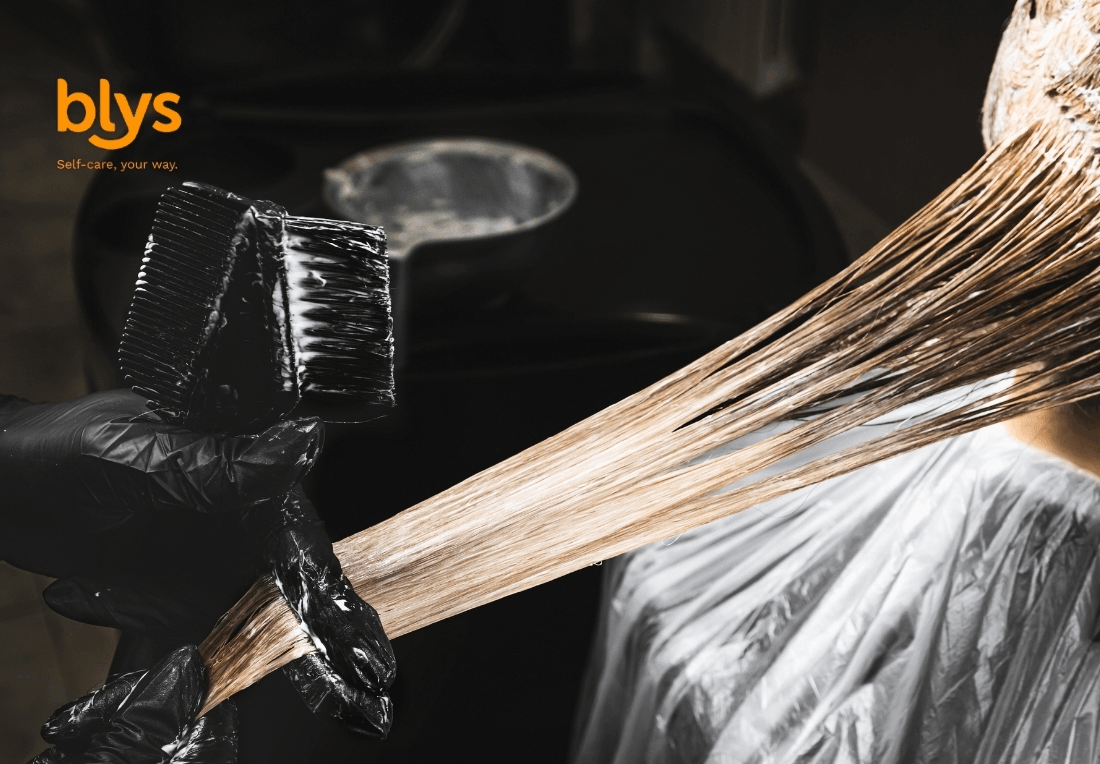
Balayage is a freehand hair coloring technique where color gets hand-painted onto sections of hair rather than processed through foils, creating a soft, graduated, sun-kissed effect that grows out naturally instead of leaving an obvious root line. Naming a hair coloring technique after the French word for “sweeping” makes it sound considerably more romantic than a colorist methodically working through sections with a brush, though it is, credit where due, still pretty romantic.
What Is Balayage?
Understanding where the technique actually comes from, and what specifically separates it from highlights, clears up most of the confusion around the term.
Where the Word Actually Comes From
Balayage comes from the French word for “to sweep,” referring to the sweeping, hand-painted motion a colorist uses to apply lightener or color straight onto the surface of hair strands. The technique itself dates back to salons in France in the 1970s, though it’s had something of a resurgence in popularity over the past decade or so, largely thanks to how naturally it photographs and how well it suits the low-maintenance color trends that have dominated recent years.
How Balayage Differs From Traditional Highlights
Every colorist has, at some point, gently explained the difference between balayage and highlights to a client who insisted they were the same thing, and every colorist has done so with more patience than the topic strictly deserves. Traditional highlights use foil to isolate sections of hair, processing them uniformly for a consistent, repeating pattern throughout. Balayage skips the foil entirely, hand-painting color with varied placement and intensity, which produces a softer, more organic gradient rather than a uniform, all-over result.
How Balayage Differs From Ombre Too
Ombre and balayage get confused almost as often as balayage and highlights do, though they’re actually distinct concepts. Ombre describes a specific two-tone effect, darker roots transitioning into distinctly lighter ends, while balayage describes the actual painting technique used to apply color and can be used to create many different effects, ombre included, or a much more subtle, blended result depending on what’s actually requested.
How Balayage Is Applied
The actual technique behind balayage is what gives it that distinctive, naturally faded look, rather than any specific product or brand doing the heavy lifting.
The Hand-Painting Technique Itself
A colorist sections the hair and hand-paints lightener or color onto the surface of chosen strands, varying pressure and placement to build a gradient rather than a flat, uniform tone. This freehand approach is exactly why no two balayage results look quite identical, even using the same color and the same general technique.
Why It’s Often Left Open to Air
Balayage is frequently left uncovered rather than wrapped in foil, since the goal is a softer, more diffused result rather than the sharper line a fully sealed foil packet would produce. Some colorists use a light plastic wrap for more control over processing intensity, but the open-air approach remains one of the technique’s defining features.
The Toning Step That Refines the Final Result
A toner is often applied after the initial lightening process to fine-tune the exact shade, correcting any unwanted warmth or brassiness and pulling the color toward the specific tone actually being aimed for. Searching “what is balayage hairstyle” usually turns up exactly this kind of refined, natural-toned result rather than the raw, unrefined lightening most people picture mid-appointment. The actual pacing and steps of a real appointment usually run longer, and feel more involved, than a general overview like this one can properly convey.
Who Balayage Actually Suits
A hair color technique specifically designed to look intentional even as it grows out is, frankly, doing more work for busy people than most of their actual skincare routine.
Great for Low-Maintenance Regrowth
Since balayage doesn’t create a hard line at the root the way traditional highlights closer to the scalp can, regrowth looks like a natural, gradual fade rather than an obvious two-tone line needing urgent attention. This is exactly why balayage usually suits anyone wanting less frequent salon visits without sacrificing a polished look in the meantime.
Best Suited to Medium and Longer Hair
Balayage actually shows off best on medium-to-long hair, where the graduated effect has enough length to actually develop and read clearly. Shorter styles can still work with balayage, but the gradient has less room to build, which changes the overall effect noticeably compared to how it looks on longer hair.
Adapting Balayage Across Different Hair Textures
The technique isn’t limited to straight hair either. Curly hair specifically calls for its own approach in a lot of styling contexts, and balayage is no exception, since placement needs to account for how curl pattern affects where light naturally catches the hair once it’s dry, rather than assuming the same painting technique used on straight hair will translate exactly.
Works Across Nearly Any Base Color
Marketing balayage as “your hair but better” is a slight exaggeration, though anyone who’s had it done well understands exactly why the exaggeration keeps getting repeated. The technique adapts across blonde, brunette, red, and darker base colors alike, which is part of why it’s remained so broadly popular rather than being limited to one specific hair color or style.
Face-Framing Placement Is Part of the Appeal
A skilled colorist often places lighter pieces strategically around the face specifically, which can actually soften or subtly reshape how facial features read, brightening the complexion without needing a full head of lightened hair to achieve that effect. This targeted placement is one of the reasons balayage suits such a wide range of people, since it can be tailored to individual features rather than applied as one uniform pattern regardless of face shape.
Less Suited to a Precise, Uniform Result
Anyone specifically wanting a completely uniform, all-over color change, a full head of consistent blonde with no visible variation, generally gets a more precise result from traditional foil highlights or full-color application than from balayage’s inherently more varied, organic placement.
Maintaining Balayage Between Appointments
Even with its low-maintenance reputation, balayage still benefits from some real upkeep between salon visits.
Color-Safe Products Protect the Investment
Using shampoo and conditioner specifically formulated for colored hair helps prevent the lightened sections from fading unevenly or picking up unwanted brassiness between appointments. A purple or blue-toned shampoo, used occasionally rather than every wash, can also help maintain the exact tone a colorist worked to achieve. A gloss treatment between color appointments is another common way to refresh tone and shine without a full re-color, particularly useful for keeping balayage looking fresh in the weeks between visits.
Heat Styling Still Needs a Heat Protectant
Lightened hair is generally more porous and prone to damage than untouched hair, so a heat protectant before styling matters more with balayage than it might otherwise, simply because the lightened sections have already been through one chemical process before any heat styling even begins.
What Balayage Typically Costs Compared to Other Techniques
Balayage generally costs more than a single-process color, though often sits close to or slightly below traditional full-head foil highlights, since the technique itself takes real time and skill regardless of how it’s priced. General mobile hair stylist pricing gives a useful starting point, though exact balayage pricing varies considerably by salon, hair length, and how much lightening is actually involved, so checking straight with a specific colorist gives a far more accurate figure than any general estimate could.
Choosing the Right Colorist for Balayage
Not every colorist has equal experience with the specific hand-painting technique balayage requires, even if they’re skilled at color more generally.
Asking to See Real Examples First
Asking a colorist outright for photos of their own previous balayage work, rather than assuming general color experience automatically covers this specific technique, gives a much clearer sense of what to actually expect from a specific appointment. The freehand nature of the technique means skill actually varies more between individual colorists than it does for more standardized, foil-based methods.
Understanding what balayage actually is, and how the technique itself produces that distinctive graduated look, makes it a lot easier to know whether it’s the right fit before booking an appointment at all. Balayage falls under hair treatment more broadly, so mentioning it specifically when booking helps match the appointment to the right hair colorist.
Book a Hair Styling Session at Home →
Frequently Asked Questions
What is balayage?
Balayage is a freehand hair coloring technique where color is hand-painted onto sections of hair rather than processed through foils, creating a soft, graduated effect that grows out naturally.
What is a balayage hairstyle exactly?
It’s not really a hairstyle on its own, more a coloring technique that can be applied to almost any cut or length, producing a sun-kissed, gradient effect rather than a uniform, all-over color.
What is a balayage for hair meant to achieve?
The goal is a natural-looking, graduated color result that mimics how hair would naturally lighten in the sun, rather than a flat, uniform tone throughout.
Is balayage the same as ombre?
No, though they’re often confused. Ombre describes a specific two-tone effect with darker roots transitioning into lighter ends, while balayage describes the painting technique itself, which can create an ombre effect or a much more subtle, blended result depending on what’s requested.
How is balayage different from highlights?
Highlights use foil to process sections uniformly for a consistent, repeating pattern. Balayage is hand-painted with varied placement, producing a softer, more organic gradient instead.
Does balayage work differently on curly hair?
Yes, placement needs to account for how the curl pattern affects where light catches the hair once dry, so the technique adapts rather than applying the exact same approach used on straight hair.
Can I use a gloss treatment to maintain balayage between color appointments?
Yes, a gloss treatment is a common way to refresh tone and shine without a full re-color, useful for keeping balayage looking fresh in the weeks between full appointments.
Does balayage suit short hair?
It can, though the graduated effect has less length to actually develop, which changes the overall look compared to how balayage typically appears on medium or longer hair.
Why does balayage need less frequent touch-ups than highlights?
Because it doesn’t create a hard line at the root the way highlights closer to the scalp can, so regrowth looks like a natural, gradual fade rather than an obvious two-tone line.
Does balayage placement consider face shape?
Often, yes. A skilled colorist can place lighter pieces strategically around the face to brighten the complexion or subtly reshape how features read, without needing a full head of lightened hair.
Can balayage work on dark hair?
Yes, the technique adapts across blonde, brunette, red, and darker base colors, producing a gradient effect suited to the starting shade rather than requiring one specific base color.
Why is balayage often left uncovered during application?
Leaving it open to air produces a softer, more diffused result than a sealed foil packet would, which is part of what gives balayage its distinctive, naturally faded appearance.
How do you maintain balayage between salon visits?
Color-safe shampoo and conditioner help prevent uneven fading or brassiness, and a heat protectant matters more than usual, since lightened hair is generally more porous and prone to damage.
Does balayage cost more than regular highlights?
Generally yes, though it often sits close to or slightly below traditional full-head foil highlights, since exact pricing varies by salon, hair length, and how much lightening is involved.
How do I find a colorist who’s actually good at balayage specifically?
Ask to see photos of their previous balayage work outright, rather than assuming general color experience covers this specific technique, since skill varies more between colorists for freehand methods than for standardized, foil-based ones.
Is balayage a good option for a low-maintenance color change?
Generally yes, since the natural regrowth pattern means longer gaps between salon visits are possible without the color looking obviously overdue for a touch-up.