The fascia release tool market is enormous, enthusiastic, and only loosely connected to what the research actually supports. Walk into any sports store and you will find an entire wall of rollers, balls, guns, and sticks, all promising to unlock your fascia, release your tension, and possibly change your life. Spoiler: none of them change your life, but a few are genuinely worth owning. Here is an honest breakdown of what each tool does, what it cannot do, and how to pick the best fascia release tools for your situation.
Foam Rollers: The Original Self-Myofascial Release Tool
Foam roller fascia release has been around long enough to have a genuine evidence base behind it, which puts it ahead of most of what arrived after. That is a low bar, but it is still a bar. The principle behind it makes sense: sustained pressure on restricted fascia encourages the tissue to soften, and a foam roller lets your own body weight do the pressing.
The research supports foam rolling for reducing perceived muscle soreness, improving short-term flexibility, and warming up the fascial tissue before exercise. Where it falls short is depth and precision, because a foam roller cannot distinguish between a fascial restriction and healthy tissue. It applies pressure broadly across a large surface area, which means it does the job of general maintenance but misses the specific, targeted release that a skilled therapist can achieve.
What to look for in a foam roller
Density matters more than size, and a medium-density roller gives you enough pressure without brutalising tissue that does not need it. High-density foam or ridged rollers feel intense but are not necessarily more effective, and for most people they just make the experience unpleasant enough to stop doing it regularly. The best fascia release tool is the one you actually use, which means the one that does not make you dread picking it up. Consistency beats intensity, every time, for every tool on this list.
How to use a foam roller effectively
Slow is better than fast, so roll to a tender spot, stop, and hold for 20 to 30 seconds before moving on. The rolling-back-and-forth approach most people use is less effective than this stop-and-hold method because the fascia responds to sustained load, not speed. The person rolling furiously back and forth for thirty seconds is working harder and achieving less than the person who found a sore spot and just… stayed there.
Massage Balls: More Precision, More Access
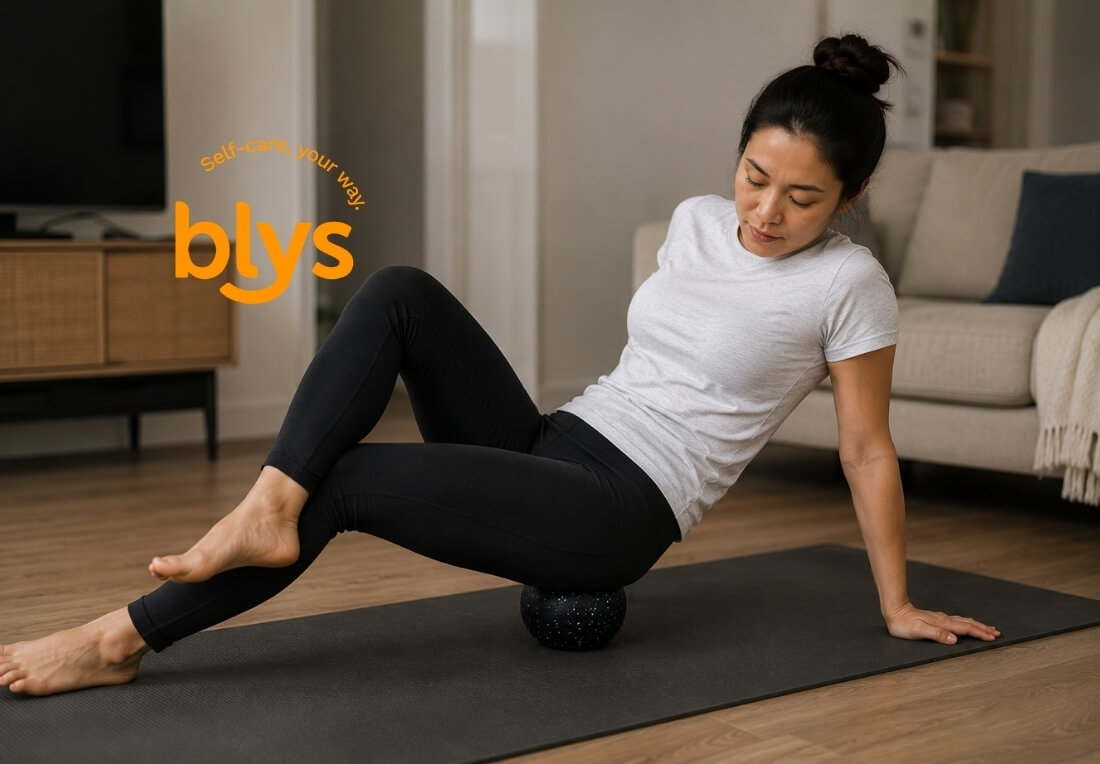
A fascia release ball does what a foam roller cannot: it gets into specific areas with enough precision to target individual trigger points and fascial restrictions rather than rolling over everything at once. This makes it more effective for the neck, glutes, feet, and the area between the shoulder blades, where a roller is either too large to work properly or impossible to position correctly.
Lacrosse balls are the most commonly recommended fascia release balls, and for good reason. They are firm enough to apply real pressure, small enough to target specific points, and cheap enough to lose without noticing. You will lose one within a month, so buy two. Tennis balls work well for the feet specifically, where the softer surface is preferable for the plantar fascia, while spiky massage balls add a sensory element that can help with circulation but are not notably more effective for fascia release than a smooth ball.
The technique that actually works
Find a tender spot, apply body weight into it, and hold for 20 to 40 seconds. You should feel the tension gradually reduce under the pressure. If it does not change at all, you might not be on a restriction, and if it gets sharper rather than easing off, back off the pressure. The sensation you are looking for is a dull ache that gradually softens.
The glute application most people skip
The glute and piriformis area is responsible for more lower back pain than most people realize, and most people have never once paid attention to it. Sit on a ball placed under one glute, find the spot where it aches most, and hold. Two minutes a day here and your back will start wondering what changed.
Fascia Guns: Fast, Popular, Genuinely Useful for the Right Things
Percussive therapy devices, which most people call fascia guns or massage guns, have become the dominant tool in the category over the last five years. They work by delivering rapid bursts of pressure into the tissue, which stimulates blood flow, reduces muscle soreness, and helps warm up the fascial tissue before activity.
What they are good at is pre-workout activation, reducing post-exercise soreness, and loosening superficial muscle tension quickly, but where they fall short is the slow, sustained pressure that produces actual fascial release. The percussive motion does the opposite of what the fascia responds to best, because fascia releases under sustained load, and a gun that fires 40 times per second is doing something different, useful but not the same as genuine fascial release.
They are a legitimate recovery tool and worth having if you train regularly, but they are not a substitute for a massage ball held on a trigger point or, for that matter, for a professional session that can reach the layers a gun simply cannot.
How to actually use a fascia gun
60 to 90 seconds on a muscle group before exercise, or after training on areas that are acutely sore. Do not spend ten minutes grinding a gun into one spot hoping for a deeper release. That is not what it is for, and honestly, it is just unpleasant. A fascia gun is a recovery tool, not a power drill. Treat it accordingly.
What DIY Fascia Release Can Actually Achieve
Used consistently, self myofascial release tools like foam rollers, massage balls, and fascia guns are genuinely useful for maintaining the gains made in a professional session, managing the daily accumulation of tension before it becomes a consistent problem, and warming up or recovering from physical activity. That is a real contribution to how your body feels day to day, and it is worth being honest about that.
It is also worth being honest that most people use these tools once with great enthusiasm and then store them under the bed next to the resistance bands they bought in January.
What tools cannot do
What these tools cannot do is replicate the sensitivity, specificity, and depth of a trained therapist’s hands. A roller works on surface area, a ball works on the points you can find yourself, and a gun works on superficial tissue, but none of them can follow a fascial restriction through its path across the body, apply sustained intelligent pressure to a specific point, or blend the release across multiple regions the way professional treatment does.
The honest position is that tools and professional treatment are not competing with each other, and they work best in combination, with tools maintaining the progress between sessions and professional treatment achieving the depth that tools cannot reach.
When Professional Treatment Is More Effective
If you have been rolling and pressing consistently for several weeks and the tension keeps coming back at the same rate, that is useful information. It is also the body’s way of saying it needs more than a lacrosse ball and good intentions, and it is exactly what professional fascia release therapy is designed for.
A mobile fascia release session at home through Blys brings a local therapist to your door with the skill and sensitivity to reach what your foam roller has been circling around. What your tools have been warming up, a professional session can actually finish, and if you have been at this long enough to know the difference between the two, you probably already know it is time.
So, book a session through Blys, available 7 days a week, 6 am to midnight across Canada.