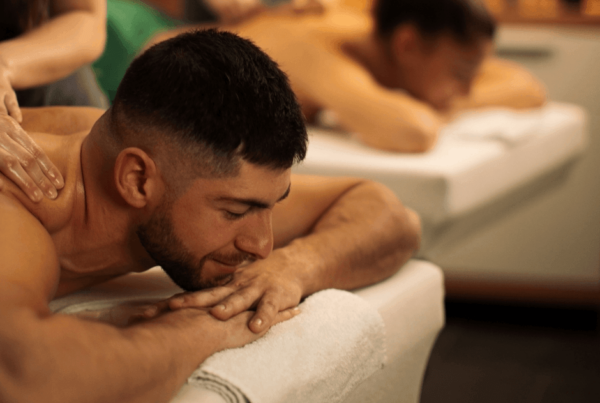
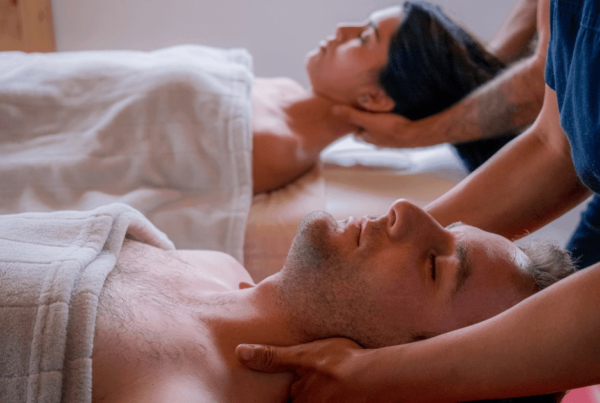
You’re putting in the work long runs, heavy lifts, early morning skates or back-to-back training sessions and your body is starting to let you know about it. Tight hamstrings, heavy legs, a shoulder that’s been grumbling since last week. For a lot of active Canadians, the missing piece isn’t more training. It’s smarter recovery.
Sports massage is one of the most effective tools in any athlete’s recovery toolkit. But knowing how often to book one is where most people get stuck. Book too rarely and you’re only ever managing flare-ups after the fact. Book without a plan and it starts to feel like a random extra rather than a genuine part of how you train.
This guide breaks down exactly how often you should get a sports massage based on your training volume, event schedule and recovery goals so you can stop second-guessing and start building a recovery plan that actually keeps up with your training.
How Your Training Load Should Shape Your Sports Massage Frequency
There’s no single answer to how often you should get a sports massage and that’s actually a good thing. It means your schedule can be built around your training and your life, not a generic rule that ignores what you’re actually putting your body through.
The most useful starting point is your weekly training volume. The harder and more frequently you train, the more your soft tissue needs active maintenance. A recreational runner doing three sessions a week has very different recovery needs from a competitive cyclist logging 15 hours in the saddle, a hockey player pushing through a tournament schedule, or a triathlete deep in a build phase.
Here’s a practical framework to work from:
- Light training (1–3 sessions per week): Once a month is usually enough to maintain muscle health, address minor tension and prevent small issues from compounding over time. This works well for people who are active but not following a structured programme.
- Moderate training (4–5 sessions per week): Every two weeks tends to be the sweet spot. You’re putting enough through your body that monthly sessions won’t keep pace with the load — and the gaps between start to show.
- High-volume or high-intensity training (6+ sessions, or structured competition prep): Weekly sessions may be warranted, particularly during peak training blocks.
Research published via PubMed supports regular soft tissue work as part of recovery for athletes in heavy training cycles, showing measurable benefits for delayed onset muscle soreness and perceived fatigue.
If you’re new to this kind of work, it’s worth understanding what sports massage actually involves and how it supports performance before settling on a frequency the techniques used are significantly different from a relaxation or Swedish massage session.
Pre-Event, Post-Event And Maintenance: Does The Timing Actually Matter?
Yes and it matters more than most people account for. The type of sports massage you need changes depending on where you are in your event or training cycle. Getting the right kind at the right time makes a genuine difference to how you feel on race day, game day or the morning after a big effort.
Before A Big Event
Pre-event massage is typically lighter and shorter around 20 to 30 minutes, focused on activating circulation and warming up the muscles without triggering the deep soreness that can follow more intensive work. Ideally, you’re booking this 24 to 48 hours before competition, not the night before.
A common mistake is booking a heavy deep tissue session right before a major effort. That kind of intensity is better saved for the recovery days that follow.
After A Big Event
Post-event massage is where the serious recovery work happens. Waiting 24 to 72 hours after heavy exertion before booking gives your body time to move through the initial inflammatory response. A targeted session from there helps flush metabolic waste, ease muscle soreness and restore range of motion faster than rest alone.
The benefits of sports massage for post-exercise recovery are well documented from reducing DOMS to improving tissue quality over time and the timing of that first post-event session plays a big part in how effective it actually is.
Maintenance Massage During Base Training
Between events, maintenance sessions are your best form of injury prevention. Regular work during base training or off-season keeps muscle tissue pliable, catches areas of tightening before they become genuine problems and supports consistent output across the whole training block. This is the phase where many athletes ease back on recovery and where most overuse injuries quietly begin.
What Most Active People Actually Book And What Works Better
When people first start thinking about sports massage frequency, the default is usually “when something hurts.” That reactive approach isn’t wrong but it leaves a lot of value on the table.
The athletes and active people who get the most from their sessions treat massage the same way they treat their training programme with consistency and intention. Rather than waiting for discomfort to become a problem, they build regular sessions into the rhythm of their week or fortnight.
A schedule that works well for most moderately active people:
- One maintenance session every two to three weeks during a regular training block.
- An additional session in the week before a key event (lighter, activation-focused).
- A recovery session within three to five days after the event.
- Reduced frequency (monthly) during an off-season or planned rest period.
This isn’t a strict prescription it’s a flexible starting point. Training shifts. Life intervenes. The goal is for massage to become a planned part of your recovery rather than an emergency response every time something tightens up.
One thing that makes this genuinely easier to sustain? Booking a provider who comes to you. With at-home sports massage through Blys, you’re not factoring in travel, parking or waiting rooms removing a lot of the friction that causes people to skip or push sessions back when things get busy.
How To Build Sports Massage Into Your Training Programme
Treating massage as a genuine part of your training programme not a bonus when time allows changes how consistently you actually follow through.
Here’s a straightforward approach:
- Map it against your event calendar first: If you have a race, tournament or competition coming up, work backwards. Schedule your post-event recovery session, your pre-event prep session and fill in maintenance sessions in between. Once it’s in the calendar alongside your training, it’s far more likely to happen.
- Pair it with your wider recovery habits: Sports massage works best alongside quality sleep, proper hydration, load management and active recovery. Research on soft tissue therapy suggests that when massage is integrated into a broader recovery strategy, outcomes improve more than when it’s used on its own as a standalone fix.
- Be specific with the provider you book: The best sessions happen when the provider understands your training context what you’ve been loading, where you’re carrying tension and what’s coming up in your schedule. Being clear about your goals from the first session makes a measurable difference to what you get out of the work.
- Adjust with your training load: Your massage frequency shouldn’t be static. Scale back during a deload week. Increase during a peak training block. Treat it as a responsive variable in your programme, not a fixed standing appointment.
Why Booking At Home Makes Consistent Recovery Easier
The biggest barrier to regular sports massage isn’t cost or motivation it’s logistics. Finding time to drive across town to a clinic, book a window that actually fits your schedule and travel back eats into the recovery time you were trying to create in the first place.
Booking at home through a platform like Blys removes that friction entirely. You can schedule a session around your training whether that’s Sunday evening after your long run, a weekday afternoon before a rest day, or early Saturday morning before the weekend kicks in.
Every provider you book through Blys is vetted and insured, with hands-on experience across sports and remedial massage. You can flag your focus areas, your current training goals and any specific issues before the session starts so the time is used well from the first minute, whether you’re in Vancouver, Toronto, Calgary or anywhere in between.
For anyone managing a full training load alongside work and family, cutting the commute isn’t just convenient. It’s genuinely what makes regular sessions sustainable long-term.
Making Sports Massage Part Of How You Actually Recover
How often you should get a sports massage comes down to three things: how much you’re training, where you are in your event cycle and whether you’re approaching recovery proactively or reactively.
For most active people, sessions every two weeks during a regular training block with smart adjustments around key events is a solid, sustainable starting point. For higher-volume athletes during peak phases, weekly sessions are a worthwhile investment.
Start somewhere, pay attention to how your body responds and adjust from there. When you’re ready to make sports massage a real part of your recovery, book a session through Blys and have a vetted, insured professional come to you no clinic, no commute, just recovery that works around your training and your life.