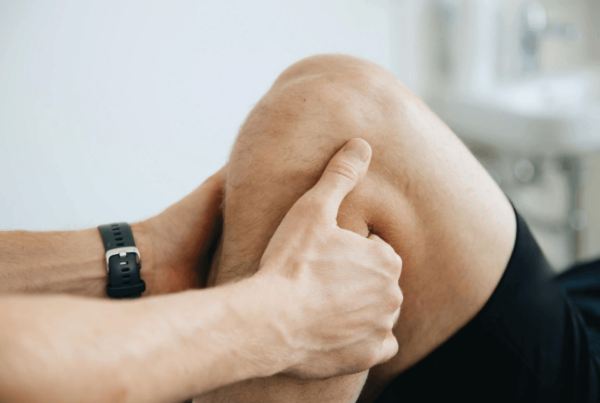
You’ve tried the stretching routines, adjusted your desk setup and taken more walks. But the tension in your neck hasn’t shifted, your lower back still aches by mid-afternoon and the shoulder issue you’ve been ignoring for three months hasn’t resolved on its own. At some point, working around the problem stops making sense and working on it directly becomes the obvious next step.
That’s where remedial massage comes in. It’s an assessment-led, targeted form of soft tissue therapy that addresses the actual source of muscular pain and dysfunction rather than managing the symptoms sitting on top of it.
This guide covers what remedial massage is, how it differs from a general relaxation session, who benefits most and what booking a mobile session at home through a platform like Blys actually involves.
What Is Remedial Massage, And Why Does Assessment Come Before Treatment?
Remedial massage is a targeted form of massage therapy that works on muscles, tendons, ligaments and connective tissue to relieve pain, reduce dysfunction and restore movement. What separates it from general bodywork is the structured assessment that takes place before any hands-on treatment begins.
A provider evaluates your posture, range of motion and soft tissue condition before deciding how and where to work. That assessment shapes every technique used during the session making the treatment specific to your body rather than generic.
Common techniques used in remedial massage include:
- Deep tissue massage sustained pressure into deeper muscle layers to release chronic, entrenched tension.
- Trigger point therapy targeted pressure on specific points within a muscle that refer pain into nearby areas.
- Myofascial release slow, sustained work on the connective tissue that surrounds and supports muscle.
- Passive stretching and joint mobilisation restoring range of motion where movement has become restricted.
- Neuromuscular techniques addressing the relationship between nervous system activity and muscle tension in chronic problem areas
In Canada, Registered Massage Therapists (RMTs) are regulated health professionals in several provinces including Ontario, British Columbia, New Brunswick, Prince Edward Island and Newfoundland and Labrador. In Ontario, the College of Massage Therapists of Ontario (CMTO) governs the profession and sets standards for training, ethics and practice. Outside regulated provinces, many practitioners hold membership with professional associations such as the Massage Therapist Association of Canada (MTAC) or their provincial equivalents.
Research published through PubMed supports soft tissue therapy for a range of conditions including chronic lower back pain, tension headaches, anxiety and post-exercise recovery putting remedial massage among the better-evidenced options in the complementary health space.
How Does Remedial Massage Differ From A Relaxation Massage?
Understanding the distinction matters when you’re trying to address a specific physical problem rather than simply unwind.
A relaxation massage (commonly Swedish massage) uses long, flowing strokes across the full body with the primary goal of calming the nervous system, lowering stress hormones and giving the body a genuine sense of deep rest. For those purposes, it works well. But it doesn’t assess, and it doesn’t target.
Remedial massage is structured with a different purpose:
| Relaxation massage | Remedial massage | |
| Primary goal | Stress relief, general wellbeing | Treat pain, dysfunction or injury |
| Approach | Full body, flowing | Targeted to assessed areas |
| Pressure | Light to medium | Medium to deep (calibrated to need) |
| Assessment | Minimal | Postural, movement and palpation |
| Extended health coverage | Typically not covered | Covered by many group benefit plans |
Still weighing up which type of session your body actually needs? This guide to choosing between remedial and relaxation massage walks you through the decision clearly.
Who Benefits Most From Remedial Massage?
You don’t need a sports injury or a formal diagnosis to get meaningful value from remedial massage. The range of people who respond well to it is wide but certain groups see the most consistent results.
People With Desk-Job Tension And Postural Strain
Working at a computer for eight-plus hours a day creates repetitive, low-grade load on the upper back, neck and shoulders. Over time, certain muscles become overworked and shortened while others weaken from disuse. Remedial massage targets those overloaded areas directly releasing what’s tight and helping to restore the muscular balance that sustained posture disrupts.
People Recovering From Sport Or Physical Training
Intense training creates micro-damage in muscle tissue that requires time, circulation and recovery support to repair fully. Remedial massage improves blood flow to affected areas, reduces delayed onset muscle soreness (DOMS) and helps restore full range of motion between training sessions. It’s a regular part of the recovery cycle for runners, cyclists, gym athletes and team sport players at every level.
People Managing Chronic Or Recurring Pain
Lower back pain, tension headaches, sciatica, frozen shoulder and plantar fasciitis frequently have a soft tissue component that sustains the problem. Tight muscles, restricted fascia and active trigger points feed into pain cycles that rest alone doesn’t resolve. Remedial massage works on those contributing factors rather than just the discomfort they produce.
People In Recovery From Soft Tissue Injuries
After a sprain, strain or whiplash injury, remedial massage supports the body’s natural healing process, improves tissue mobility and helps prevent the compensatory movement patterns that develop when the body protects an injured area. It’s commonly used alongside physiotherapy and rehabilitation exercise programmes.
Not sure your situation is the right fit? These seven signs suggest remedial massage is exactly what you need a helpful read before booking.
What Does The Assessment Actually Involve?
If you’ve only experienced relaxation massages, the intake process at the start of a remedial session may feel more detailed than you expect. Here’s what it typically includes:
- History and intake: A brief conversation about your current concern: how long you’ve had it, what aggravates it, what eases it, your activity levels and any relevant medical background.
- Postural observation: The provider looks at how you hold yourself standing still. Are your shoulders level? Does your head sit forward of your spine? Is there any rotation or tilt through the pelvis? These patterns indicate which muscles are under chronic load.
- Range of motion testing: You’ll move through a series of positions turning your head, reaching overhead, flexing forward so the provider can identify where movement is restricted, guarded or producing discomfort.
- Palpation: Hands-on assessment of the muscles themselves, locating areas of tightness, trigger points and any restricted connective tissue.
Everything that follows in the session is shaped by what the assessment finds. That structure is what distinguishes a proper remedial treatment from a general massage.
How Does Booking A Mobile Remedial Massage At Home Actually Work?
Booking through Blys means the whole session assessment and treatment comes to your home. Your house, your condo, your hotel room. No driving anywhere, no clinic parking, no time spent in a waiting room.
There’s a practical advantage to the home setting that often goes overlooked: when a provider visits you at home, they see your actual environment. Your desk setup, your chair, the ergonomics of your daily space. That context often informs the session in ways that a clinical intake form can’t fully capture and it’s something no clinic appointment can offer.
Here’s what a Blys booking looks like in practice:
- Book online in minutes select your service, session length, preferred time and address.
- A vetted, insured provider is matched to your booking every provider on the platform has been background-checked and carries current professional insurance.
- They arrive with everything needed table, linens, oils and any treatment equipment required.
- Assessment happens first before any massage begins, the provider works through the full intake and assessment.
- Treatment is delivered in your own space no rushing out afterwards, no commute to recover from.
- Rebooking is easy directly through the platform, with the option to request the same provider for continuity of care.
For people managing busy schedules, chronic pain or limited mobility, having a trusted professional come to you removes the friction that most often stops people from getting consistent care.
Explore remedial massage bookings through Blys here browse provider profiles, read reviews and book instantly.
Does Extended Health Insurance Cover Remedial Massage In Canada?
For many Canadians, yes but the details depend on your plan.
Most employer-sponsored extended health benefit plans include massage therapy coverage, typically requiring the provider to be a Registered Massage Therapist (RMT). Coverage amounts vary widely: some plans cover a set dollar amount per year, others cover a percentage of each session up to an annual maximum. In provinces where massage therapy is regulated, coverage is generally more straightforward to access.
Providers you book through Blys hold current professional registration and insurance. After your session, you’ll receive a receipt containing the details required for a benefits claim including the provider’s registration number where applicable. Check with your insurer or HR department for your specific coverage amounts and any requirements that apply.
What To Expect And How To Get The Most From Your Session
Remedial massage can feel quite different from a relaxation session. Here’s what to expect going in.
- Pressure may be firm in targeted areas: Deep tissue work and trigger point release involve sustained pressure that isn’t always comfortable in the moment though it shouldn’t be sharply painful. A skilled provider will calibrate to your tolerance throughout. If the pressure is too much, say so.
- You might feel it the next day: Mild soreness for 24–48 hours after a session is normal, particularly following your first appointment or after significant tension has been released. It typically resolves quickly.
- Consistency builds the best results: A single session can deliver real, immediate relief but chronic tension, postural issues and recurring pain generally respond better to regular treatment over time. Many people settle into a bi-weekly or monthly schedule for ongoing maintenance.
- Drink water after your session: Hydration supports tissue recovery and helps the body process what’s been released during treatment.
Remedial massage works because it doesn’t guess it assesses, identifies and addresses the actual source of the problem. Whether you’re managing years of accumulated desk tension, working through a tough training block or recovering from a soft tissue injury that hasn’t fully healed, targeted treatment with a professional makes a real difference.
Ready to see what that feels like from your own home? Book a remedial massage through Blys and have a vetted, insured professional at your door no clinic, no commute, no waiting room.