 If sports massage has been sitting somewhere in the “I’ll get to it eventually” part of your brain, now’s a good time to revisit that. Whether you’re a recreational runner, a regular at the gym, a hockey player on the weekends, or someone who trains consistently in any form your body is accumulating stress that needs proper recovery support. Sports massage is one of the most effective tools available for exactly that.
This isn’t about booking a wind-down session. It’s a targeted soft tissue therapy built around what physical activity does to your muscles, connective tissue, and range of motion. In this post, we’ll cover what sports massage actually involves, how it compares to a relaxation massage, who benefits most, what the evidence says, and why getting a vetted provider to come to you at home is a smarter setup than most people realise.
What Is Sports Massage, and How Is It Different From a Regular Massage?
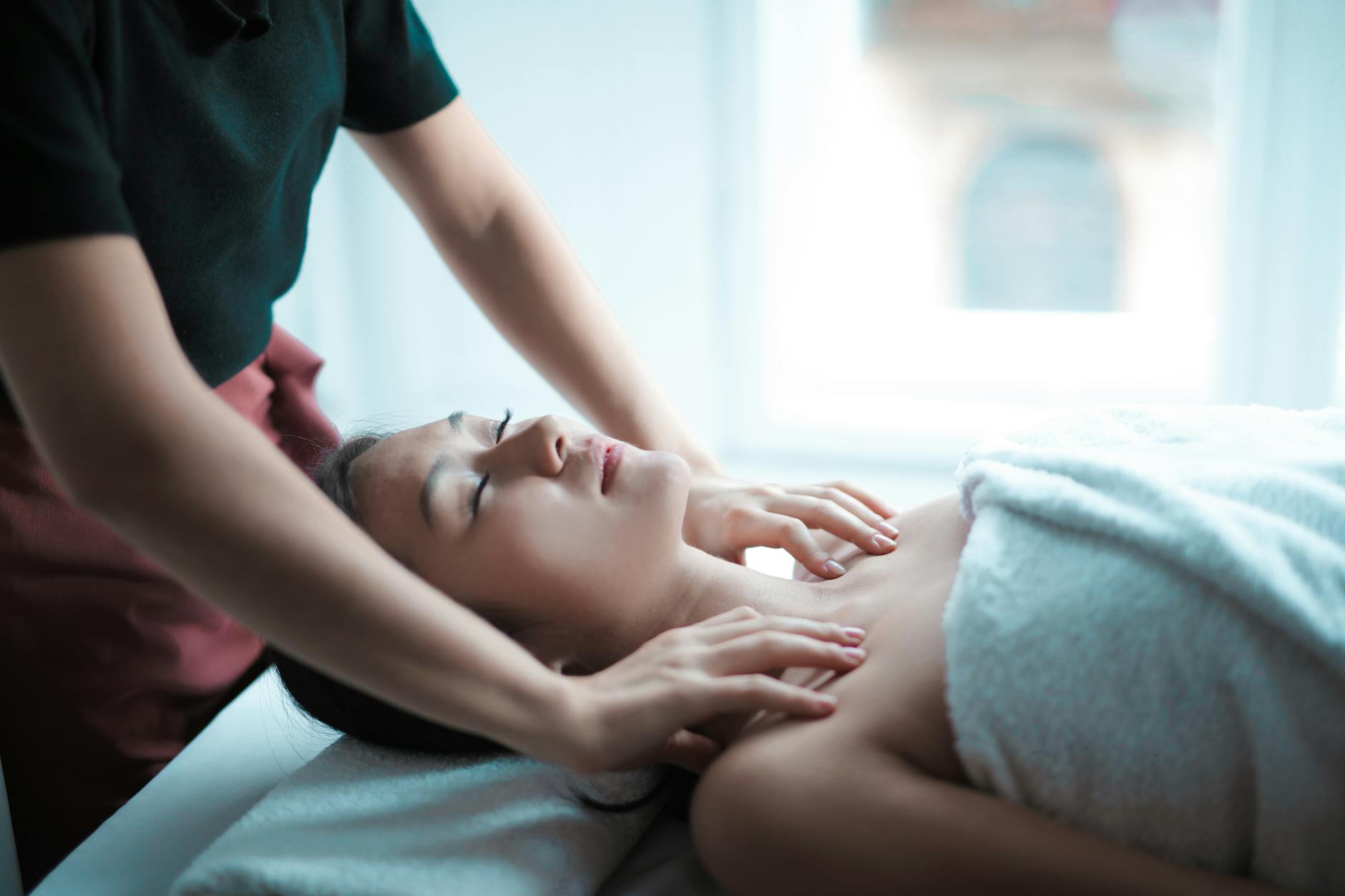
Sports massage is a targeted form of soft tissue therapy designed around the physical demands of exercise and sport. Rather than focusing on general relaxation, it addresses what training is doing to specific muscles, connective tissue, and movement patterns.
A sports massage treatment typically combines several techniques, adapted to what your body needs at the time:
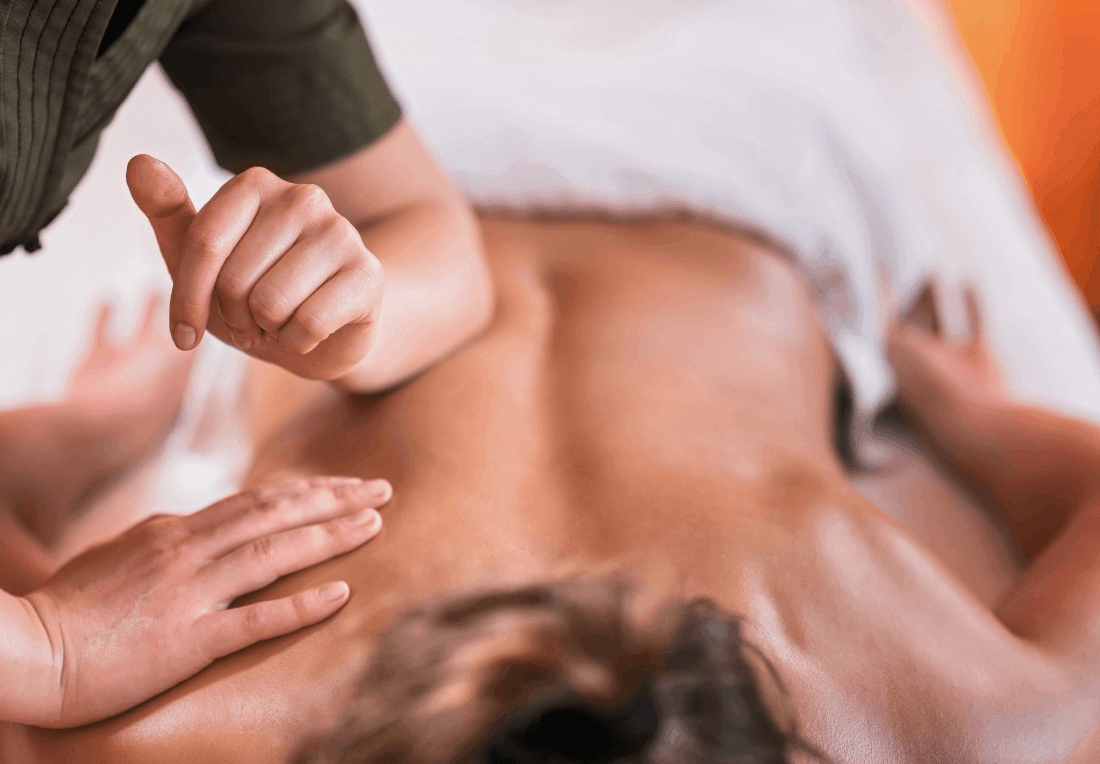
- Deep tissue work firm, sustained pressure to reach the deeper layers of muscle and fascia
- Trigger point therapy focused pressure on knotted spots that cause referred pain or restrict normal movement
- Myofascial release slow, deliberate work on the connective tissue surrounding muscle groups
- Assisted stretching passive stretching to restore range of motion and release built-up tension
Providers you book through Blys will typically begin with a brief check-in about your training schedule, any areas of discomfort, and what you want to get out of the session so the treatment is shaped around your body and goals, not a generic routine.
Is Sports Massage Only For Competitive Athletes? (It’s Not)
The name suggests that sports massage therapy is reserved for people competing at a high level. It isn’t. The physiological benefits don’t change based on your finishing time, your skill level, or how many people are watching. Anyone who trains with regularity can benefit from sports massage treatment.
What matters is that your muscles are being placed under stress and need the right conditions to recover and adapt. That applies to a recreational hockey player just as much as it does to a marathon runner or a competitive swimmer.
Weekend Athletes and Recreational Players
If you train a few times a week, play in a recreational sports league, or push hard on weekend runs or bike rides, your recovery needs are just as real as a professional athlete’s.
Recreational athletes are often more susceptible to soreness and overuse injury because they’re training without the structured recovery support that surrounds elite-level sport. See our guide on sports massage for weekend warriors for more on this.
Gym-Goers, Runners and People Working From Home
If you lift weights, run, cycle, or follow a consistent training programme, your muscles are accumulating stress that needs the right environment to repair.
This is especially true for people who spend long hours sitting before or after a workout a pattern that creates tension imbalances in the hips, lower back, and shoulders. We cover that in detail in our post on sports massage for desk workers.
What Does Sports Massage Do For Your Body?
Sports massage produces clear physical effects that support recovery, mobility, and training consistency. It is not just about feeling looser after a session. The right pressure, technique, and timing can help worked muscles settle faster, move more freely, and cope better with repeated strain.
One of the biggest benefits is reduced delayed onset muscle soreness, often called DOMS. This is the stiffness and aching that tends to show up 24 to 48 hours after a hard workout, long run, game, or strength session. Research published on PubMed found that post-exercise massage can help reduce DOMS intensity and support the return of muscle function, which may help you get back to training with less soreness carrying over.
Sports massage can also support flexibility and range of motion. Tight muscles and restricted fascia can affect how efficiently you move, especially if your training places repeated stress on the same areas. Runners may feel this through the hip flexors and calves, while gym-goers often notice it through the shoulders, glutes, or lower back. A focused session helps release those restrictions so your body can move with more control.
It may also play a useful role in injury prevention. A professional provider can work through areas of tension, restriction, or overload before they build into something that disrupts your routine. This matters for recreational athletes, weekend players, and regular gym-goers who may not have a full recovery plan built into their week.
Sports massage also supports circulation and recovery by increasing blood flow to worked tissue. That helps deliver oxygen and nutrients while assisting the body’s natural recovery process after exercise. With an at-home sports massage through Blys, you can start that recovery sooner after training without adding travel time, clinic delays, or extra strain to your day.
Should You Book a Sports Massage Before or After Training?
The right time to book a sports massage depends on what your body needs most. A session before training is usually lighter and more movement-focused, while a session after training tends to focus more on recovery and built-up tension.
If you train often, you may also benefit from booking sports massage as part of your regular routine instead of waiting until soreness becomes hard to ignore.
The main thing is to match the session to your goal:
- Before a session or competition: A pre-event sports massage is usually shorter and lighter. It helps warm the tissue, support circulation, and get your body ready to move before a race, game, or gym session.
- After training: A post-training sports massage is more recovery-focused. It works on the muscles that carried the most load and can be especially useful within 24 to 48 hours after a demanding session.
- As regular maintenance: A maintenance session fits well on a rest day or lighter training day. It helps prevent tension from building up across the week, especially if you train consistently.
For most recreational athletes, the biggest benefit often comes after training or on rest days, when your body has time to recover properly. Booking an at-home sports massage through Blys can make that easier to stick with because you do not need to drive across town after a hard session.
Providers you book through Blys can come to your home, condo, or workplace, so recovery fits around your training schedule instead of competing with it.
Why Getting a Sports Massage at Home Closes the Recovery Window Gap
Here’s something most sports massage guides don’t address: the time between finishing your training session and when your recovery actually starts.
After a hard session, your muscles benefit from attention as soon as possible. But if booking a sports massage means driving across the city, navigating parking, waiting at a clinic, and then getting home again you’re burning time and energy your body needs for repair. By the time you’re back and settled, the optimal post-training recovery window has already started to close.
When a vetted, insured provider comes to you at home, that gap disappears entirely. You finish your session, you’re already in your space, and recovery begins on your timeline no commute, no waiting room, no unnecessary output. Your body gets to work sooner.
It’s a small logistical change with a real physiological benefit. You can book a sports massage provider through Blys and have them come to your home, condo, or workplace at a time that works around your training schedule including early mornings and evenings.
The quality of the session is consistent with what you’d receive in a professional clinic. Providers you book through Blys are vetted, insured, and experienced in sports and remedial massage. The only thing that changes is the friction. And when recovery is easier to access, you’re far more likely to prioritise it consistently which is where the real results accumulate.
Build Sports Massage Into Your Routine Before You Need It
Most people who train know they should book regular sports massage. The thing that stops them is almost always practical finding a reliable provider, fitting sessions around training and work, and actually committing to it.
Blys removes most of that friction. Trusted, professional providers come to your door, on your schedule, without the drive. Whether you’re working through soreness after a hard training block, preparing for an upcoming event, or simply trying to stay healthy and injury-free regular sports massage treatment is one of the smartest investments you can make in your training.
Your body is doing the work. Make sure your recovery keeps pace.