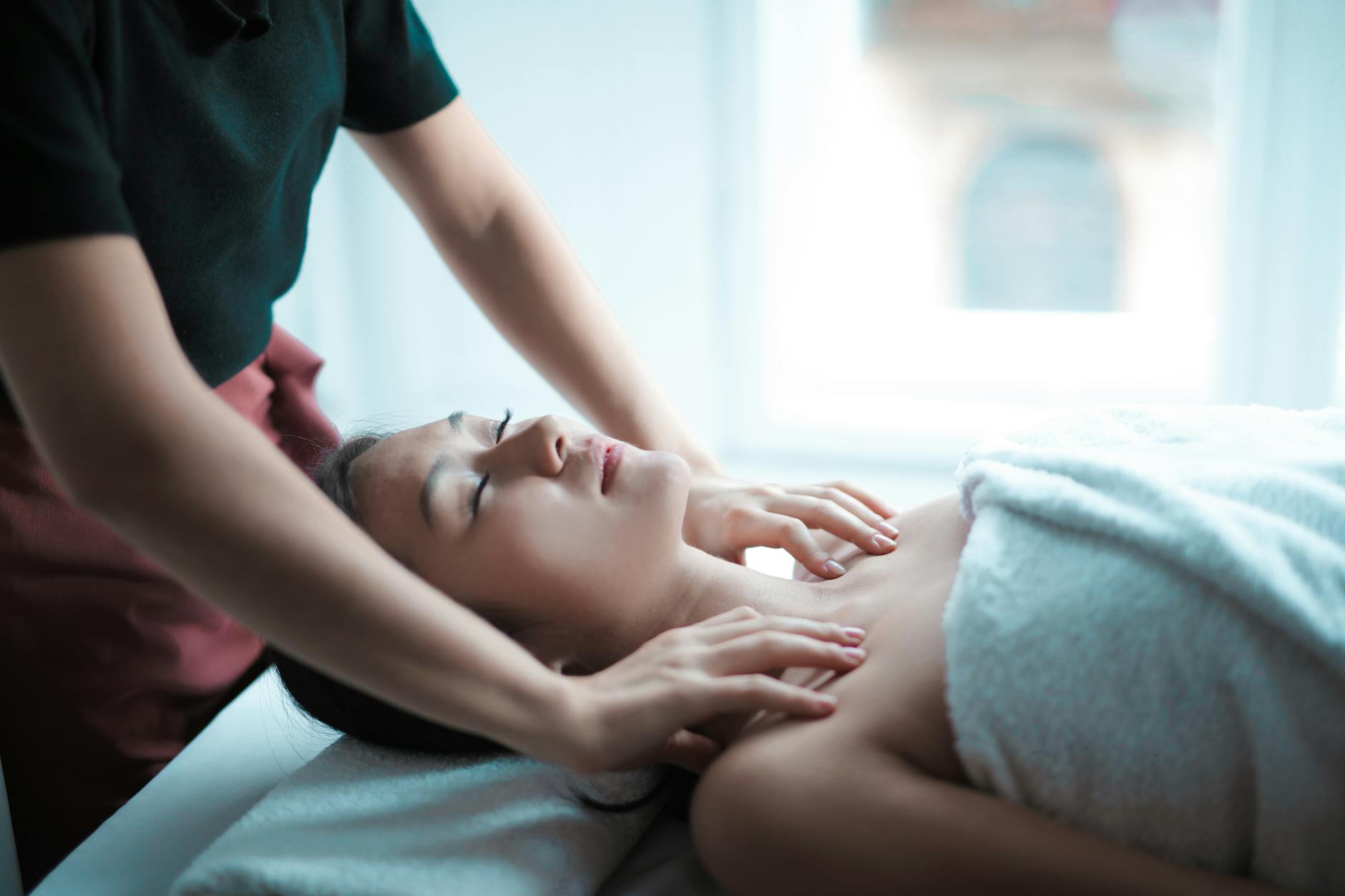
Figuring out what type of massage to book comes down to three things: what you want out of it, what your body actually needs, and how much pressure you can handle. Someone who wants to switch off for an hour needs something different from someone whose lower back has been locked up since Tuesday, and both of those are different again from someone training for a half marathon. This guide walks through the main goals people book massage for, the specific conditions that point toward one technique over another, a full breakdown of each massage type on its own, and the practical stuff, comfort level, session length, frequency, prep, that actually decides which massage is right for you.
Choosing The Perfect Massage For Your Needs
The right massage depends on your body and what you’re hoping to get out of the session, not on whichever treatment sounds the most relaxing on a spa menu. Are you trying to unwind, work through pain, or move better? Once you know the answer, picking a technique gets a lot easier, and a quick chat with your therapist before the session starts can sharpen that choice even further based on what they notice once they get their hands on you.
Quick Reference: Massage Type By Goal
| Your Goal | Best Massage Type | Typical Session Length |
| General relaxation | Swedish massage | 60 minutes |
| Chronic pain or stiffness | Deep tissue massage | 60-90 minutes |
| Specific muscle knots | Trigger point therapy | 60 minutes |
| Flexibility and mobility | Thai massage | 60-120 minutes |
| Fascia tightness | Myofascial release | 60-75 minutes |
| Swelling or fluid retention | Lymphatic drainage massage | 60-75 minutes |
| Athletic recovery | Sports massage | 60-90 minutes |
| Pregnancy-related discomfort | Prenatal massage | 60-75 minutes |
| Deep relaxation with therapeutic depth | Hot stone massage | 60-90 minutes |
| Foot and hand tension | Reflexology | 30-60 minutes |
| Localized inflammation | Cupping massage | 45-60 minutes |
Achieve Your Wellness Goals With The Right Massage
Relaxation And Stress Relief
If you’re feeling overwhelmed and need to unwind, Swedish massage is the classic choice. Long, flowing strokes release tension through the body and promote real relaxation, and adding aromatherapy oils into the mix only deepens the calming effect.
Pain Management And Muscle Recovery
For chronic pain or muscle stiffness, deep tissue massage and trigger point therapy do the heavy lifting. Deep tissue works into the deeper layers of muscle and connective tissue, breaking down adhesions and easing tension from long-term strain or injury, while trigger point therapy zeroes in on the specific knots causing the trouble rather than working the whole muscle group at once.
Flexibility And Mobility Improvement
Thai massage and myofascial release both work well if you’re recovering from an injury or just feel stiff all over. Thai massage combines rhythmic pressure with assisted stretches that open up the body, while myofascial release loosens the fascia around your muscles to ease stiffness from a sedentary lifestyle or physical strain.
Detoxification And Circulation Boost
Lymphatic drainage massage is gentle but effective for boosting circulation and easing fluid retention, encouraging your lymphatic system to drain properly, which helps reduce swelling and supports your immune system at the same time. Cupping massage works on a similar principle from a different angle, using suction to draw blood flow toward the surface and loosen tissue that’s become stuck or inflamed.
Athletic Performance And Muscle Recovery
If you train hard or spend your week on your feet, sports massage targets the specific muscle groups under the most load, easing soreness, speeding up recovery time, and reducing the chance of injury before it happens. It’s built around your training schedule rather than a fixed routine, so what you tell your therapist about the last few days matters as much as what they feel once they start working.
Pregnancy-Related Discomfort
Prenatal massage is designed specifically around a pregnant body, using adjusted positioning and lighter, targeted pressure to ease swelling, lower back pain, and hormonal tension without putting strain on areas that need extra care.
The Right Massage For Specific Conditions
Some aches point pretty clearly toward one type of massage over another. Here’s what tends to work best for a few of the most common ones.
Best Massage For Back Pain
A sore upper or lower back usually responds best to a deep tissue or therapeutic massage. Both are built around treating tight, knotted, or immobile muscle and speeding up your body’s own healing process, rather than just skimming the surface with lighter strokes. If the pain sits closer to your spine and feels more like nerve irritation than muscle tightness, mention that upfront, since it changes how your therapist approaches the area.
Best Massage For Neck Pain
For a stiff or sore neck, a gentler Swedish massage does the job without adding more stress to an already tender area. The long strokes and steady pressure work through tight muscles and improve blood flow without aggravating the pain further, and a therapist can shift toward light trigger point work on specific spots once the area has warmed up.
Best Massage For Inflammation
If swelling or inflammation is the issue, a lymphatic drainage massage can gently reduce fluid retention. Cupping is another option worth considering here, since the suction draws blood toward inflamed tissue and can ease localized swelling that’s resistant to regular hands-on pressure. Anyone in a pre or postpartum period specifically should look at a prenatal or postnatal massage instead, since those are designed to ease swelling safely during and after pregnancy.
Best Massage For Migraines And Headaches
A few options work here depending on what you respond to. A head massage applies pressure to specific points on the scalp to encourage circulation, aromatherapy massage uses calming scents like lavender to relieve stress-driven tension headaches, and a Swedish massage focused on the neck and shoulders can loosen the muscles that are often the real source of the headache in the first place. Reflexology is worth a mention too, since some people find that pressure applied to the hands and feet has a noticeable calming effect on headache frequency over time.
What To Think About When Choosing Your Ideal Massage
Your Current Physical Condition
Start with an honest read on your body. Deep muscle stiffness or long-standing pain points toward deep tissue massage, usually 60 to 90 minutes, since it targets those deeper layers directly. Milder discomfort or general stress usually pairs better with a 60-minute Swedish massage, since it works with your body rather than pushing hard against it.
Desired Outcome
Name your main goal before you book. Relaxation points toward Swedish or aromatherapy massage, persistent pain points toward deep tissue or trigger point therapy, and improved mobility points toward Thai massage or myofascial release.
Lifestyle And Activity Level
Your day-to-day activity level matters more than people expect. Active bodies tend to do well with sports massage or deep tissue work to relieve soreness and prevent injury, while a more sedentary lifestyle or a recovery period usually pairs better with Swedish or lymphatic drainage massage.
Your Comfort Level
Pressure tolerance is personal, and there’s no prize for pushing through more than you can handle. A lighter Swedish massage suits anyone who isn’t comfortable with deep pressure or intense stretching, while deep tissue or trigger point work suits people who want firmer, more targeted relief. Reflexology sits at the gentler end too, since it works through the feet and hands rather than the muscles carrying the tension itself.
How Session Length And Frequency Fit Into Your Choice
The type of massage you choose often decides how long the session should run and how often it’s worth repeating. A 60-minute Swedish massage is usually enough for general relaxation, while deep tissue, sports, and Thai massage benefit from 90 minutes once your therapist needs time to work through multiple problem areas rather than just one. Reflexology and cupping tend to run shorter, often 30 to 60 minutes, since they work through more concentrated areas of the body rather than a full-body routine.
Frequency follows a similar logic. General wellness holds up fine on a monthly session, since the goal is maintenance rather than active repair. Chronic pain or ongoing muscle tension responds better to something closer to every one to two weeks, at least until the underlying tightness settles down, at which point spacing sessions out further usually keeps things in check. Sports massage timing often follows your training calendar more than a fixed schedule, with sessions clustered closer together around a heavy training block or an upcoming event and spaced further apart during lighter weeks.
A Closer Look At Each Massage Type
Swedish Massage
Long, flowing strokes and gentle kneading make this the go-to for stress relief, better circulation, and a calmer nervous system. It’s the easiest entry point if you’re new to massage altogether, since the pressure stays light and the pace stays slow throughout.
Deep Tissue Massage
Slow, firm pressure reaches the deeper layers of muscle and connective tissue, breaking down adhesions and easing chronic tension. It’s a strong fit for postural issues, old injuries, or pain that’s stuck around longer than it should, though it can leave you a little sore the next day if your therapist worked deep into a particularly tight area.
Hot Stone Massage
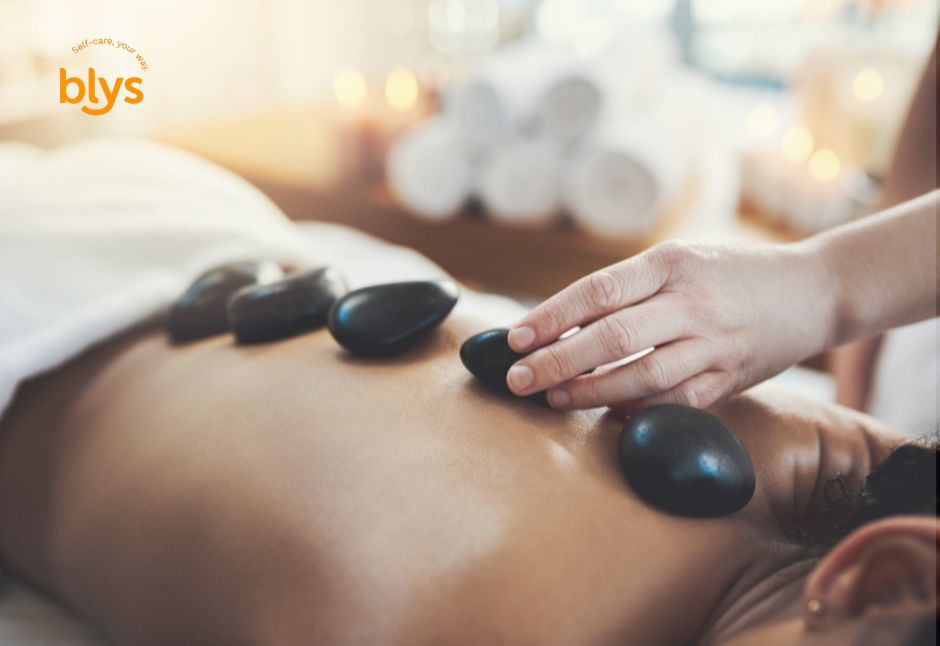
Heated basalt stones soften tight muscle before any real pressure arrives, letting your therapist work deep into tension using less force than a firm massage would need. It lands somewhere between Swedish and deep tissue, offering real therapeutic depth without the intensity of firm, sustained pressure.
Sports Massage
Built around training load rather than general tightness, sports massage focuses on the muscle groups doing the most work, whether that’s legs after a long run or shoulders after a heavy lifting week, to support faster recovery and better performance next time out. Timing matters here too, with a lighter pre-event session and a deeper post-event one serving different purposes entirely.
Trigger Point Therapy
Rather than working a whole muscle group, trigger point therapy zeroes in on specific tight spots, often called knots, applying sustained, focused pressure until the muscle releases. It pairs well as an add-on to a broader deep tissue or Swedish session when one particular area is the real problem.
Aromatherapy Massage
Essential oils layered into the massage itself lift mood, ease anxiety, and add a calming edge to whatever technique your therapist is using underneath. It’s less a standalone technique and more an enhancement that pairs naturally with Swedish or a lighter session.
Thai Massage
Rhythmic pressure paired with assisted, yoga-like stretches improves flexibility and gets stuck energy moving again, which makes it a strong option if stiffness rather than pain is the main complaint. Sessions tend to run longer than other types, often up to two hours, since the stretching component takes real time to work through properly.
Lymphatic Drainage Massage
Gentle, rhythmic strokes encourage lymph flow, easing swelling and supporting detoxification, which makes it especially useful during recovery from illness or surgery, or for anyone dealing with fluid retention that regular massage doesn’t seem to touch.
Prenatal Massage
Adjusted positioning and lighter, targeted pressure ease the swelling, lower back pain, and hormonal tension that come with pregnancy, without putting any strain on areas that need extra care. Your therapist will ask about your trimester and any specific discomfort before the session starts, since the approach shifts as pregnancy progresses.
Myofascial Release Therapy
Sustained, gentle pressure targets the fascia, the connective tissue wrapped around your muscles, to release restriction and restore mobility that’s been limited for a while. It’s a slower, more patient technique than deep tissue, relying on time and steady pressure rather than force.
Reflexology
Pressure applied to specific points on the hands and feet is believed to have effects elsewhere in the body, and while the evidence base is more limited than for hands-on muscle work, plenty of people find it genuinely calming and use it as a lighter alternative when a full-body massage feels like too much.
Cupping Massage
Suction cups placed along the back draw blood flow toward the surface, easing inflammation and promoting circulation in a way that feels distinct from regular hands-on pressure. It’s often used alongside another technique rather than as a full standalone session.
How To Prepare For Your Massage
Before Your Massage
Drink water beforehand to support circulation, wear something loose and easy to remove, and tell your therapist your goals and pressure preference upfront so the session actually gets built around what you need. If you’re booking a technique you haven’t tried before, mentioning that too helps your therapist pace the session appropriately.
Aftercare Tips
Keep drinking water afterward to help flush out what the session released, give your body a bit of rest instead of jumping straight into something strenuous, and follow whatever specific aftercare advice your therapist gives you. Mild soreness the next day is normal after a firmer session and usually settles within a day or two on its own.
Mobile Massage Makes Wellness Effortless And Convenient
Booking a mobile session cuts out the travel entirely, and a local therapist booked through Blys brings the table, oils, and everything else needed straight to your home, office, or hotel room. Each session gets built around what you told them beforehand, so the massage type, pressure, and focus areas all reflect what you actually need rather than a one-size-fits-all routine.
Frequently Asked Questions
How do I know what type of massage is right for me?
It comes down to your goal. Swedish massage suits stress relief and general relaxation, while deep tissue massage suits chronic pain or muscle stiffness. A quick chat with your therapist before the session helps narrow it down further based on what they notice once they start working.
Can I combine different types of massage?
Yes. Many therapists build custom sessions that combine Swedish for relaxation with deep tissue for targeted relief, so you can address more than one need in a single booking. Just flag your preferences upfront so your therapist can plan the session around them.
Are there any risks to certain massage types?
Massage is generally safe, but some techniques, deep tissue and sports massage especially, aren’t ideal if you have certain conditions like severe injuries, infections, or blood clots. Always tell your therapist about any medical concerns beforehand, and check with your doctor first if you’re ever unsure.
How long should my first massage session be?
60 minutes is the safest starting point for any massage type, since it gives your therapist enough time to assess how your body responds without committing you to 90 minutes before you know what you’re in for.
How often should you get a massage?
Once a month is enough for general wellness, while chronic pain or high physical activity levels usually call for something closer to every one to two weeks until things settle down.
The stiffness, the stress, and the knot in your shoulder that’s been there since Monday are all still going to be waiting for you tomorrow if you don’t do something about them today.