 Canada’s beauty and wellness sector is growing steadily, and the demand for skilled facial therapists is consistent across major urban centres like Toronto, Vancouver, and Calgary, and in smaller communities where good skin care professionals are genuinely hard to find. If you’ve been thinking about how to become a facial therapist, it’s a career that rewards intellectual curiosity about skin science, a genuine interest in people, and a commitment to hands-on, results-driven practice.
The Canadian market has some unique characteristics worth understanding from the outset. Unlike some countries, aesthetics the professional term for facial and skin therapy is not uniformly regulated at a federal level. Instead, training requirements, certification pathways, and professional standards vary by province. Knowing how your province approaches this matters before you choose a school or training programme.
This guide covers what facial therapists actually do, how training and certification work across key Canadian provinces, the professional associations worth joining, the skills that build lasting careers, and the directions the profession can take you once you’re properly trained.
What Is A Facial Therapist?
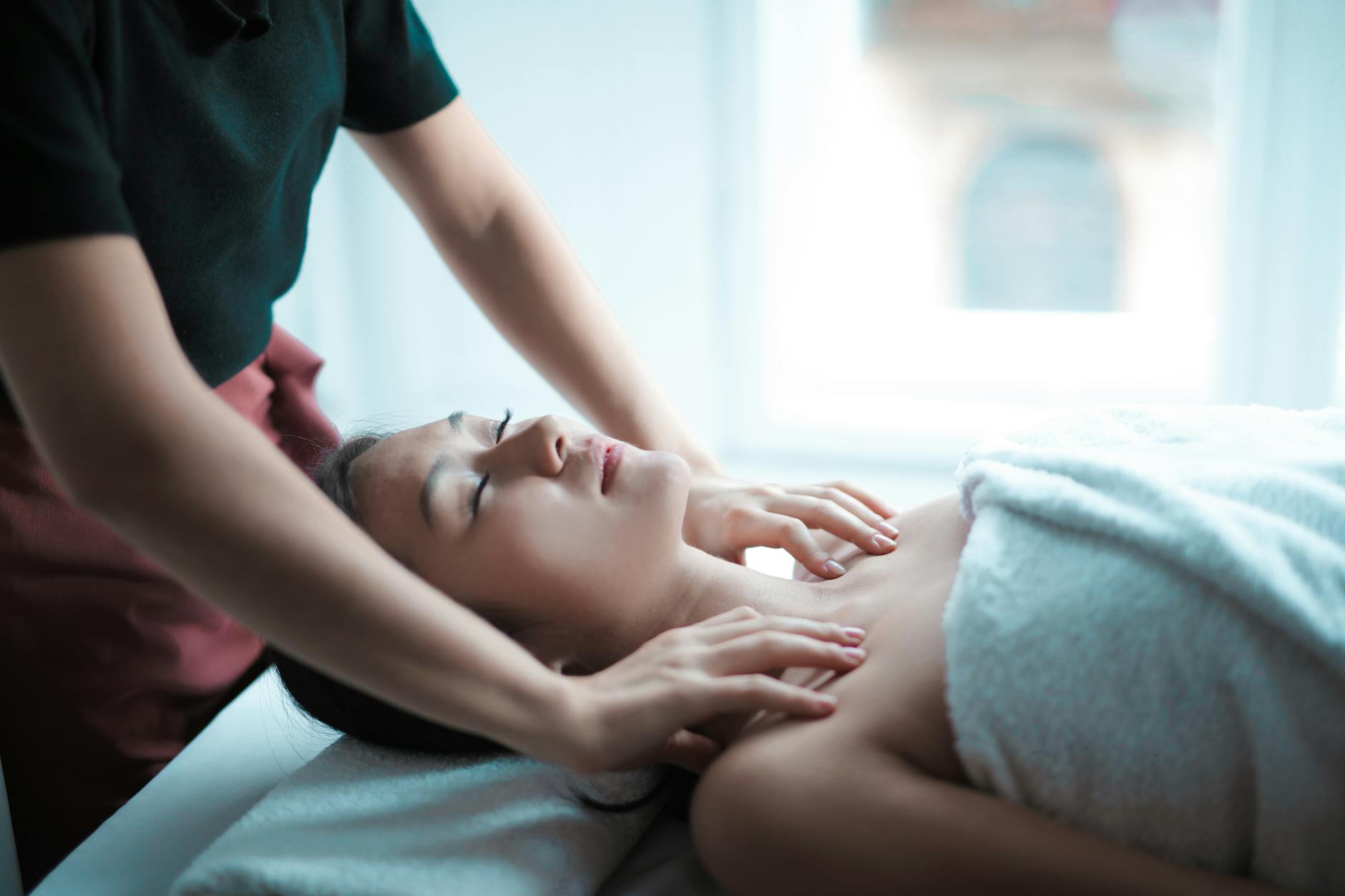
A facial therapist specialises in skin care treatments for the face: cleansing, exfoliation, extraction, mask and serum application, and facial massage. Treatments are built around each client’s skin type and specific concerns whether that’s acne, sensitivity, dehydration, hyperpigmentation, premature ageing, or general wellness maintenance. The role is both technical and interpersonal: you’re reading skin, designing treatment protocols, and building client relationships all at once.
It’s worth distinguishing the role from massage therapy. Can a massage therapist give a facial? Not without additional training and, in many provinces, separate certification. The two professions have different scopes of practice, and operating outside that scope can affect your professional insurance eligibility and your ability to work legally.
A dedicated facial therapist brings specific expertise in skin analysis, cosmeceutical product knowledge, and facial treatment protocols that a registered massage therapist won’t hold unless they’ve undertaken additional study.
A question that often comes up among clients and prospective therapists alike: what facial cream do beauty therapists use? In a professional context, facial therapists work with clinical-grade or cosmeceutical product ranges rather than retail products.
Brands commonly used in Canadian clinical and spa settings include Dermalogica, Guinot, Eminence Organics, Rhonda Allison, and Murad Professional. Product selection is based on a skin analysis, not brand loyalty and understanding how to choose the right product for each client’s skin is a core part of professional training.
Facial therapists in Canada work in day spas, salons, dermatology clinics, medical spas, hotel wellness facilities, and through mobile and home service platforms. Those who pursue advanced training offer treatments like LED light therapy, microdermabrasion, chemical peels, dermaplaning, and microneedling services that command higher treatment fees and attract a more results-focused clientele.
Training And Certification Across Canadian Provinces
Because aesthetics is not federally regulated in Canada, it’s essential to understand the specific requirements of the province you plan to work in. Some provinces have formal certification pathways; others rely on the industry to self-regulate through professional body membership and employer standards. In all cases, completing quality training through a recognised school or college is the foundation of a credible career.
British Columbia
BC does not have mandatory government licensing for estheticians, but the industry is mature and most employers expect formal training from a recognised private career college or post-secondary institution. Programmes range from 400 to 1,500 hours depending on the scope and depth of the course.
The BC government’s Industry Training Authority (ITA) administers an Esthetician apprenticeship programme for those who prefer a work-integrated learning model combining on-the-job training with classroom and practical instruction. This pathway can be especially useful for those who already have some industry experience.
Ontario
Ontario has no mandatory provincial licence for estheticians, but trained professionals typically hold certificates from private colleges accredited through the Ministry of Colleges and Universities or the Ontario College of Trades. Training programmes range from six to twelve months and cover facial treatments, waxing, nail care, and skin analysis.
Some institutions offer accelerated pathways for those with prior beauty industry experience. Employers in Ontario particularly in high-end spa and clinic environments increasingly expect formal certification as a baseline hiring requirement, even where it is not legally mandated.
Alberta
Alberta has a voluntary certification pathway managed through Alberta Advanced Education. Esthetics training is offered through registered private vocational schools and public colleges, typically requiring between 550 and 900 hours of training.
While certification is not legally mandatory, most employers across the province expect it particularly in Calgary and Edmonton, where the wellness market is competitive and client expectations are high.
Voluntary certification demonstrates commitment to professional standards and is an important step for therapists who want to access professional insurance independently.
Quebec
Quebec has the most formalised training pathway for estheticians in Canada. Aesthetics is regulated under the province’s vocational education system, and the standard qualification is the DEP (Diplôme d’études professionnelles) in Esthetics a government-regulated programme of approximately 1,485 hours delivered through public vocational schools (centres de formation professionnelle).
Completing the DEP is a practical requirement for employment in most professional settings in Quebec. The programme is comprehensive, covering facial treatments, body care, waxing, nail services, and professional practice standards. Instruction is primarily in French.
Professional Associations In Canada
Joining a professional association provides access to insurance, industry resources, continuing education, and professional credibility particularly important in provinces where licensing is voluntary and the industry self-regulates.
- IPSA (International Professional and Spa Association) supports the Canadian spa and wellness industry with professional standards, education resources, and industry events.
- CAHSP (Canadian Association of Health and Skin Care Professionals) a national body representing aestheticians and skin care professionals, offering certification pathways, advocacy, and professional development support.
- Provincial associations many provinces have their own esthetics associations that provide local networking opportunities, insurance referrals, continuing education access, and peer community.
For self-employed facial therapists, professional body membership is not optional in practice — most insurers require proof of both training and association membership before issuing professional liability and public liability coverage.
It is worth confirming insurance requirements with your intended insurer before you choose a professional body, to ensure that membership satisfies their criteria.
Skills That Define Excellent Facial Therapists
Technical training gives you the competency to perform. What distinguishes the therapists who build loyal client bases and long careers is the combination of clinical skill and genuine interpersonal ability.
- Skin analysis: reading a client’s skin accurately identifying type, condition, and underlying concerns rather than just responding to what’s visible is central to every effective treatment decision.
- Manual precision: consistent, controlled technique in facial massage and extraction work comes with supervised practice. The quality of your touch is something clients notice and respond to immediately.
- Client-centred communication: thorough consultation, active listening, and honest communication about what a treatment can and cannot achieve builds the trust that converts first-time clients into regulars.
- Ingredient and product knowledge: understanding how cosmeceutical actives work, how to layer products correctly, and which ingredients are contraindicated for specific skin conditions is expected at every professional level.
- Business and self-management skills: whether employed or self-employed, managing your schedule, client records, professional development, and retail recommendations is part of running a successful practice.
If you’re comparing facial therapy to other career options in the beauty and wellness industry, our guide on the highest-paying jobs in the beauty industry puts the profession in context and covers the earning potential at different career stages and specialisations.
Career Pathways For Facial Therapists In Canada
Most facial therapists begin their careers in a day spa or salon, where supervised practice builds the consistency and client confidence that the role demands. From there, the directions you can take are genuinely varied and the flexibility of the profession is one of its genuine strengths.
Medical esthetics is a fast-growing area, particularly in Toronto, Vancouver, Calgary, and other urban centres. Medical spas and dermatology clinics employ facial therapists to support advanced treatments including laser therapy, chemical peels, and injectables often requiring additional clinical training beyond the standard aesthetics certification. This pathway suits therapists who are drawn to the science side of skin care and are comfortable working in a clinical, outcomes-focused environment.
Mobile and freelance facial therapy is increasingly popular across Canada, appealing to therapists who want flexibility, direct client relationships, and the ability to structure their working life around their own priorities. Independent practitioners who market themselves well and deliver consistently excellent results can build strong, loyal client bases without the overhead of a fixed premises.
For therapists thinking seriously about the business side of going independent, from setting up bookings to pricing services and retaining clients, our guide on how to become a beauty therapist and get clients covers the practical steps in detail.
Brand education, school instruction, and RTO teaching are long-term directions for therapists who want to shape the profession and share their expertise. These roles typically become available after several years of strong hands-on experience and often involve some combination of classroom delivery, practical demonstration, and curriculum development.
What A Professional Facial Session Actually Involves
For those new to the profession, understanding what a professional facial involves in practice clarifies both the skill required and the value it delivers. A standard session begins with a skin analysis and consultation, followed by a double cleanse, exfoliation (manual, enzymatic, or chemical depending on the client’s skin and the treatment protocol), extractions where appropriate, a targeted mask, serum and moisturiser application, and facial massage. Advanced sessions may incorporate high-frequency devices, microcurrent, LED panels, or other technology-assisted modalities.
The best outcomes come when a therapist treats each session as a genuine clinical assessment rather than a fixed routine. Skin changes with the season, with hormonal shifts, with stress and the ability to read those changes and adjust the treatment accordingly is a nuanced skill that develops over time. It’s also what clients recognise and what keeps them loyal. A therapist who explains what they’re doing and why, and who adapts to what the skin needs on the day, delivers a demonstrably better experience than one who follows a standard protocol regardless of the presenting skin.
For therapists who want to engage with the research behind their practice, studies available through PubMed/NCBI cover the effects of facial massage on microcirculation and lymphatic drainage, the role of the skin barrier in treatment outcomes, and the evidence base for commonly used active ingredients. Making a habit of reading current research keeps your practice grounded in evidence and gives you the credibility to educate your clients with confidence.
Start Your Facial Therapy Career With Confidence With Blys
Becoming a facial therapist in Canada means navigating a landscape that varies by province but the core path is consistent: complete quality training at a recognised institution, obtain certification through a professional association; secure the professional insurance you need to work safely and independently; and commit to continuing education as the industry evolves.
Whether you’re aiming for a position in a high-end urban spa, a role in a dermatology or medical aesthetics clinic, or the freedom of building your own mobile or independent practice, a solid training foundation and a professional body membership give you the credibility and the coverage to pursue any of those directions. The investment is real and so are the returns, both financially and in terms of career satisfaction.