 If you’re training seriously whether that’s building toward a summer triathlon, grinding through hockey season, or chasing a personal best on your next trail run massage for muscle recovery is one of the most effective tools you’re probably not using consistently enough.
Most Canadian athletes understand that bodywork helps with soreness. But used well, it does far more than that. Strategic massage can reduce injury risk, improve range of motion, support your nervous system and help you show up to your next session fresher than you otherwise would.
The gap between knowing this and actually doing it consistently, for most athletes, comes down to logistics fitting clinic appointments around training schedules, especially during a Canadian winter or deep into race season, is genuinely hard to sustain.
This guide covers the full cycle: pre-event, post-event and maintenance sessions. You’ll understand what each type of bodywork actually does, which technique fits which phase of training, and how to structure sessions into your programme so they work with your training rather than around it.
What Does Massage For Muscle Recovery Actually Do To Your Body?
The research supports what athletes have experienced for years. Studies indexed on PubMed show that massage therapy reduces delayed onset muscle soreness (DOMS), lowers inflammatory markers and improves perceived recovery following intense exercise. A systematic review on massage and exercise recovery found consistent evidence for reduced DOMS and improved flexibility across athletic populations of varying levels and sport types.
When you train hard, you create microtears in muscle tissue. That’s entirely normal it’s how adaptation works. The issue is that without adequate recovery, tension accumulates in the surrounding fascia, range of motion decreases and overuse injury risk builds steadily. Massage addresses this directly.
It works in a few ways:
- Boosts circulation increases blood flow to worked muscles, flushing metabolic waste and delivering fresh oxygenated blood to speed up repair
- Releases fascial restriction reduces muscle guarding and directly improves range of motion and joint mechanics
- Activates the parasympathetic nervous system shifts your body out of the stress response and into the state where genuine repair can actually occur
That last point is especially relevant for athletes carrying heavy weekly training loads. Chronic volume keeps the sympathetic nervous system elevated. Fatigue accumulates neurologically, not just in the muscles. Athletes who schedule massage consistently not just after their worst sessions — tend to handle high training loads better and stay more resilient through the demanding mid-season stretches that catch others out.
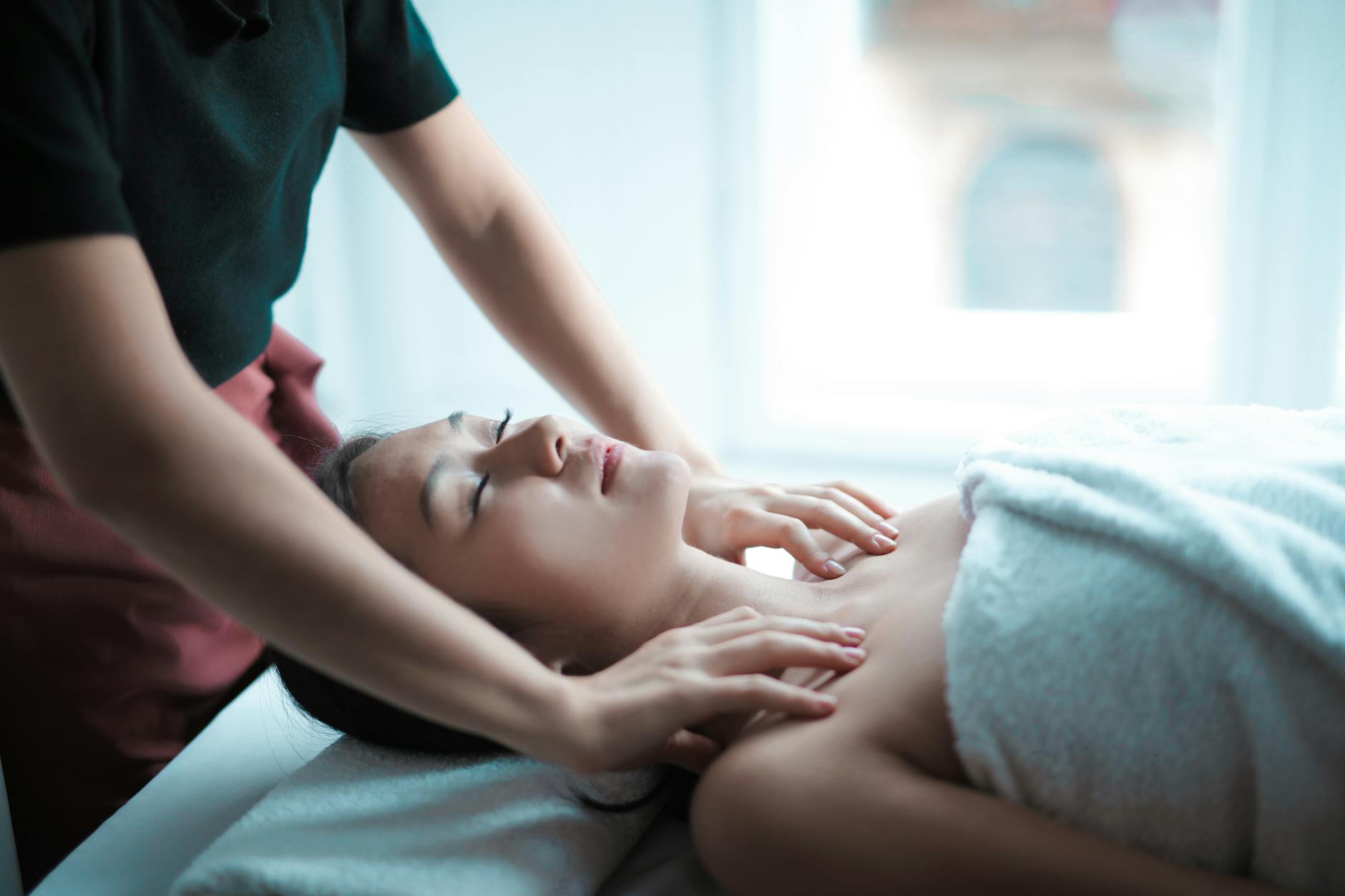
Booking a professional provider to come to your home, through a platform like Blys, makes consistency genuinely achievable. A vetted, insured provider travels to your location so after a long Sunday run or a hard ice session, recovery comes to you rather than the other way around.
Should You Book A Massage Before Or After Training?
Timing is the difference between a session that helps and one that works against you. Pre-event and post-event massage serve entirely different purposes, and using the wrong approach at the wrong time either leaves you too relaxed before a session you need energy for, or under-recovered after one where your body needed real restoration.
Pre-Event Massage: Activate, Don’t Relax
Pre-event massage is shorter, more stimulating and quite different in feel from the deeper recovery work you’d book between training blocks. The aim is to prime the tissue, improve local circulation and ready your nervous system for effort not to settle you into a deep state right before you need to perform.
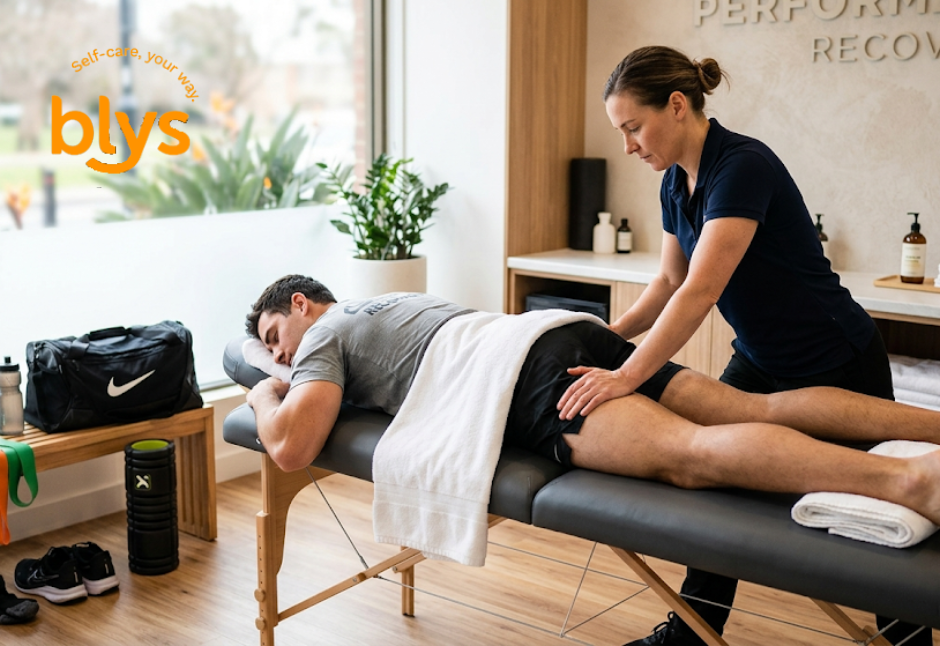
Sessions typically run 15–45 minutes and target the muscle groups you’ll be loading most. Techniques lean toward brisk effleurage, light tapotement and mobilisation work. If you’re heading into a race, an ice session or a heavy strength day, a focused pre-event session with a sports-focused provider can noticeably improve how your body responds from the first moments of effort.
Post-Event Massage: Real Recovery Starts Here
Post-event massage is familiar territory for most competitive athletes and it delivers when done well. After a race, hard game or high-volume training day, your muscles are fatigued, your connective tissue is under load and your nervous system is still running hot.
A post-event session is slower, focused on flushing and restoration rather than structural change. Pressure is lighter than deep tissue work, especially in the first 24–48 hours when acute inflammation is still active. Going in too hard too early can increase soreness rather than reduce it.
The at-home model makes a real difference here, particularly through the Canadian race season. Getting yourself across the city to a clinic after a long-course triathlon or a back-to-back tournament weekend is a significant ask. Having a provider come to you is the option that actually gets followed through on and that matters more than any other variable when building a consistent recovery habit.
How Does Maintenance Massage Fit Into Your Training Blocks?
Pre- and post-event work tends to get the attention, but maintenance massage the sessions you schedule during your training blocks, not just around them is often where the most significant long-term gains in massage for muscle recovery happen.
Regular bodywork through a training cycle keeps you ahead of the tissue restrictions that accumulate week over week. Mild hip flexor tightness in week two becomes a movement limitation by week six. A slight restriction through your thoracic rotation, left unaddressed, starts affecting shoulder mechanics within a few weeks of heavy loading. Consistent maintenance sessions allow an expert provider to track and address these patterns progressively not reactively, after the restriction is already affecting how you train.
For athletes following structured programmes, one session every two to four weeks is a reasonable baseline. During high-volume phases heavy training blocks, race season peaks, or the intense mid-winter conditioning stretches many Canadian athletes push through more frequent sessions may be worth building in.
This is also where deep tissue massage becomes particularly valuable for active people. Deep tissue work targets the deeper muscle layers and surrounding fascia, addressing chronic tension that lighter sports massage techniques won’t fully reach. If you carry recurring tightness in your glutes, a persistent restriction through your calves or long-standing tension across your shoulders and upper back, progressive deep tissue sessions over several weeks can systematically address that tissue in a way a single post-event session never will.
Which Massage Type Is Right For Your Training Goal?
Sports massage, deep tissue, remedial the options can feel unclear until you understand what each one is actually designed to do. Matching the right modality to your goal is what separates a useful approach to massage for muscle recovery from a guessing game.
| Massage Type | Best For | When To Book | What It Works On |
| Sports massage | Pre-event prep, post-event recovery and general maintenance | Any phase of your training programme the most adaptable option | Circulation, multiple muscle groups and nervous system |
| Deep tissue massage | Chronic tension, restricted range of motion and old soft tissue injuries | Maintenance phases avoid in the first 48 hours post-event | Deep muscle layers, fascia and connective tissue |
| Remedial massage | Specific injury history, movement dysfunction and complex soft tissue concerns | Maintenance and rehabilitation phases | Underlying movement patterns and structural dysfunction |
For a comprehensive look at how sports massage integrates with performance and recovery, this guide to sports massage for recovery and performance is a thorough starting point. Unsure whether sports or deep tissue suits your situation? This comparison of sports massage vs deep tissue breaks down the key differences clearly.
When you book through Blys, you can filter by technique and read through provider profiles to find someone whose experience genuinely matches your needs whether that’s endurance sport recovery, hockey-specific support or managing a recurring soft tissue issue.
How Do You Build Massage Into A Real Training Programme?
Athletes who get the most consistent benefit from bodywork don’t book it randomly. They schedule it the way they schedule everything else that matters as a fixed part of the plan.
Here’s a practical framework by training phase, with the right massage for muscle recovery priority for each:
- Competition or high-volume phase: Book a post-event session within 24–48 hours of key races or heaviest training days. If your schedule and budget allow, a shorter maintenance session mid-week helps you stay ahead of accumulated fatigue before it starts affecting output.
- Base-building phase: One maintenance session every three to four weeks is a solid starting point. This is the phase when you have the recovery bandwidth for deeper tissue work use it to address structural restrictions before the load increases.
- Taper phase: A lighter session in the week before a key event can flush residual fatigue and calm an overworked nervous system. Keep pressure moderate and the focus on circulation rather than structural change.
Providers you book through Blys travel directly to your home or chosen location. That means fitting a session into race week, or booking one after a long effort, doesn’t require building an extra clinic trip into an already full schedule a real consideration in Canada, where the last thing you want after a hard winter training session is to head back out into the cold.
A Recovery Plan Built To Hold Up Through A Full Canadian Season
Massage for muscle recovery works best when it’s part of the plan, not the panic response. Match the type and timing of your sessions to where you are in your training cycle activation before events, restoration after them, deeper structural work in between and bodywork stops being something you reach for when things go wrong and starts being part of what keeps things from going wrong.
If you’re ready to make professional bodywork a consistent part of your training, book a sports massage through Blys and have a vetted, insured provider come directly to you wherever you are in Canada, whenever it fits your programme.