 Becoming a prenatal massage therapist is one of the most purposeful directions you can take as a massage professional in Canada. Demand for skilled, insured practitioners particularly those offering in-home sessions continues to grow as more expectant parents across the country look for expert bodywork that comes to them rather than adding another journey to an already full schedule.
But this is a specialisation that goes well beyond general practice. Pregnancy significantly changes the body across each trimester, and a professional working in this area needs solid training, a clear grasp of contraindications, and the communication skills that build real trust with clients who are often managing physical discomfort and a lot of uncertainty.
This guide covers the training pathway to prenatal massage specialisation in Canada, how provincial regulation affects your practice, what clients genuinely need from a prenatal massage therapist, and how mobile, in-home delivery changes the practical realities of the role including how platforms like Blys connect vetted providers with a growing client base.
What A Prenatal Massage Therapist Actually Does
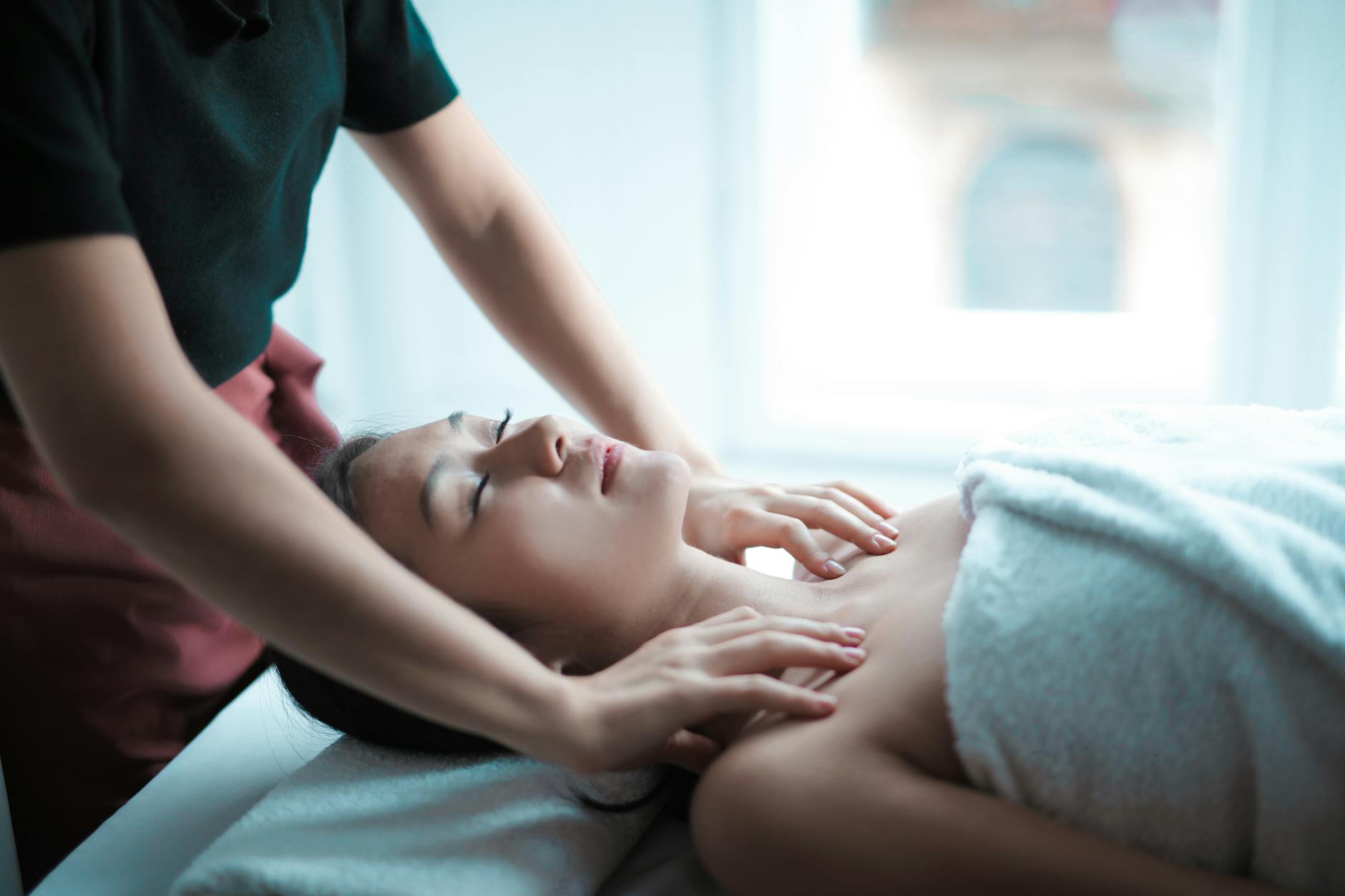
A prenatal massage therapist provides therapeutic bodywork adapted specifically for pregnant clients, typically from the first trimester through to the final weeks of pregnancy. The work addresses the physical changes that accumulate across a pregnancy: lower back and hip tension, swelling in the legs and feet, disrupted sleep, and the postural strain of carrying a growing baby. Techniques and positioning are adapted throughout to keep both client and baby safe.
This is meaningfully different from a standard relaxation session. While the techniques overlap, a prenatal massage therapist needs to understand how the body changes at each stage of pregnancy, which areas and positions require modification or avoidance, and how to shift the approach as the pregnancy progresses. The session that works well at 16 weeks looks very different to the one that works at 34 weeks.
The specialisation extends naturally into postpartum care helping new parents recover from delivery, address feeding-related tension in the neck and shoulders, and manage the physical demands of early parenthood. Understanding the full journey from prenatal to postpartum makes you a more complete practitioner and opens up a broader client base. The Blys article on postnatal massage benefits and recovery is worth reading alongside this one.
In-home delivery suits this client group exceptionally well. Pregnant clients especially in the later months find travel increasingly uncomfortable, and a mobile prenatal massage therapist removes that barrier by bringing professional care directly to the client.
How Is Prenatal Massage Training And Registration Structured In Canada?
Canada’s answer depends on where you practise. In regulated provinces, the RMT pathway sets a clear standard. In unregulated provinces, the route is more flexible but the bar clients and platforms expect of you is just as high.
What The Training Actually Covers
Massage therapy is regulated as a health profession in several Canadian provinces, including Ontario, British Columbia, New Brunswick, Newfoundland and Labrador, and Prince Edward Island. In these provinces, the Registered Massage Therapist (RMT) title is protected, and practitioners must complete a recognised programme and register with their provincial college before practising.
In Ontario, registration with the College of Massage Therapists of Ontario (CMTO) requires completion of a recognised programme of at least 2,200 hours. In British Columbia, registration is through the College of Massage Therapists of BC (CMTBC) with comparable requirements. Prenatal massage specialisation is then pursued as a post-graduate continuing education course, recognised by provincial associations for credit toward registration renewal.
Strong courses cover:
- Anatomy and physiology of pregnancy across all three trimesters, including structural and hormonal changes that affect technique
- Safe positioning for each trimester and the correct use of bolsters and pregnancy pillows for side-lying sessions
- Trimester-specific adaptations to pressure, depth, and the areas you focus on
- Client intake and communication protocols specific to prenatal and postpartum clients
- Postpartum massage as a complementary extension of the prenatal specialisation
Regulated Vs Unregulated Provinces: What It Means For Your Practice
In unregulated provinces including Alberta, Quebec, Saskatchewan, and Manitoba the RMT title is not protected and registration is not mandatory. Working to the standard of a regulated province remains best practice regardless of location, particularly for specialised work like prenatal massage where client safety considerations are more complex.
Being able to demonstrate your training clearly still matters for indemnity insurance and for booking platforms that vet providers before listing them.
Contraindications Every Prenatal Massage Therapist Must Know
Thorough contraindication knowledge is one of the clearest markers of a professional prenatal massage therapist and it is central to safe practice, not an optional layer on top of it. Research published through PubMed supports the benefits of prenatal massage for reducing anxiety and musculoskeletal discomfort, and consistently underscores the need for properly trained providers.
Clients will ask directly whether massage is safe at their stage of pregnancy. The table below covers the key categories and how to handle each one:
| Type | Common Examples | How You Respond |
| Absolute contraindication | High-risk pregnancy, pre-eclampsia, placenta praevia, unexplained bleeding | Decline the session; refer the client to their physician or midwife before rebooking |
| Relative contraindication | Varicose veins, oedema, previous miscarriage history | Modify technique and positioning; proceed with care and clear communication |
| Third-trimester precautions | Supine position, deep abdominal work, certain pressure points | Avoid entirely; use side-lying positioning and appropriate lighter pressure |
What Do Prenatal Clients In Canada Actually Need From You?
Your technique is only one part of what makes a session valuable. Clients seeking a prenatal massage therapist are often navigating physical discomfort, emotional uncertainty, and questions about what massage during pregnancy involves. How you communicate before, during, and after a booking shapes the experience as much as the bodywork itself.
Before the session, a thorough intake process is essential: how far along the client is, whether any complications are present, what their physician or midwife has recommended, and what they want to address in the session. For clients booking through a platform like Blys, this intake often begins digitally having clear, professional intake questions in place is part of working effectively in that environment.
During the session, regular check-ins on pressure, positioning, and comfort particularly during side-lying work keep the client at ease and the session productive. Many clients are new to massage entirely, which means your explanations of what you are doing and why carry genuine weight.
After the session, guidance on hydration, rest, and what to expect helps clients feel informed and well looked after. Clients who leave feeling genuinely cared for are significantly more likely to rebook and to refer others in their prenatal group or birthing community.
For a useful client-side perspective, the Blys article on prenatal massage benefits and what to expect gives helpful context on what clients are hoping for when they book.
Does Mobile Delivery Change How You Work As A Prenatal Massage Therapist?
For many providers in Canada, mobile delivery is already standard. But prenatal massage has specific practical implications worth preparing for carefully.
A flat table and a standard headrest are not sufficient for clients in their second or third trimester you need a pregnancy positioning system and a reliable pre-session process.
Before arriving at a client’s home, make sure you have:
- A dedicated pregnancy bolster or pillow system that supports the belly and reduces pressure on the hips.
- Digital intake forms sent, completed, and reviewed before you leave for the appointment.
- A portable massage table that is stable, adjustable, and packs down efficiently.
- Hygiene supplies appropriate for a home environment without clinical infrastructure.
- A clear professional protocol for declining or referring if a contraindication comes up on the day.
Client environments across Canada vary considerably. Knowing how to set up professionally in a smaller space, maintain consistent hygiene standards, and manage the full intake and triage process without a reception team are practical competencies that matter specifically for mobile prenatal work.
The upside is clear: clients who cannot comfortably make it to a clinic at 36 weeks will still book a trusted mobile provider who comes to them. In-home delivery also reduces baseline tension before you start for prenatal clients managing real physical discomfort, that difference matters before you have even begun.
How Blys Connects Prenatal Massage Providers With Clients Across Canada
Blys is a booking platform that connects vetted, insured massage professionals with clients across Canada including a growing number specifically seeking in-home prenatal and postpartum care.
For a prenatal massage therapist building a client base, the platform removes the biggest practical obstacle: finding clients who need your skills. Providers you book through Blys do not need to manage their own marketing, handle payment processing, or chase reviews. The platform manages that infrastructure so professionals can stay focused on delivering sessions.
What makes Blys particularly relevant for prenatal massage in Canada is the combination of at-home delivery and a curated, vetted provider network. In regulated provinces, clients are increasingly aware of the value of booking with an insured, recognised professional. Blys makes that easy connecting clients who want trusted, local, expert care at home with the providers who offer it, through a single booking platform.
If you are working as a prenatal massage therapist or are in training and planning to specialise, you can explore prenatal massage through Blys to understand how the client-facing side of the platform works. For providers also offering postpartum care, postnatal massage through Blys sits naturally alongside prenatal as a complementary service for clients moving through the full journey.
Building A Prenatal Massage Practice In Canada That Works For The Long Run
Specialising as a prenatal massage therapist in Canada puts you in a position to genuinely support clients through one of the most physically demanding periods of their lives. The work is meaningful, demand for in-home prenatal care is strong across the country, and clients who find you through a platform like Blys are motivated and ready to book.
Build the foundation properly thorough training, clear contraindication knowledge, registration where your province requires it, and the right equipment for mobile delivery and connect with a platform that puts your profile in front of clients actively searching for trusted, expert prenatal massage care at home.