 So you’re thinking about becoming a massage therapist. Maybe you love the idea of helping people feel better, working with your hands, and doing something that genuinely makes a difference. Or maybe you’re already drawn to health and wellness and wondering if massage therapy is the right career fit. Either way, understanding the massage therapist job description properly before you commit to a course is one of the smartest moves you can make.
It’s a role that tends to attract people who are naturally empathetic, physically capable, and interested in human health. But like any job, it comes with specific demands, daily realities, and skill requirements that go well beyond what most people assume. A lot of aspiring therapists are surprised by just how much goes on behind the scenes of a typical session.
This article breaks down exactly what massage therapists do, what skills the role requires, what a typical working day looks like, and whether it’s the right career for you. If you’ve ever wondered what massage therapists say about their job or whether being a massage therapist is a good job for the long term, you’re in the right place.
What Does a Massage Therapist Actually Do?
A massage therapist helps clients manage pain, tension, recovery, and overall wellbeing. The role also includes consultation, treatment planning, aftercare advice, and adjusting each session to the client’s needs.
Common massage modalities include:
- Swedish massage for relaxation and stress relief: Swedish massage is a gentle style that uses long, flowing strokes and kneading to reduce tension, improve circulation, and support overall relaxation.
- Remedial massage for targeted pain and injury support: Remedial massage is more focused on specific musculoskeletal issues and is commonly used to reduce pain, improve mobility, and treat the source of discomfort rather than relaxation alone.
- Deep tissue massage for chronic tightness and stubborn muscle tension: Deep tissue work is often used to support muscle recovery, reduce stiffness, and help with long-term tension linked to training load or physical strain.
- Sports massage for pre- and post-activity recovery: Sports massage can help with recovery, circulation, flexibility, and muscle tension, which makes it useful for athletes and active clients alike.
- Pregnancy massage for expectant mothers: Blys highlights benefits such as easing back pain, reducing swelling, improving sleep, and helping pregnant clients feel more comfortable through changing stages of pregnancy.
Because different clients need different outcomes, massage therapists must know when to use each approach and how to tailor treatment safely and effectively.
Key Skills Every Massage Therapist Needs
If you’re considering this career, it helps to know which skills matter most. Some come naturally, others you’ll develop through training and practice. The best massage therapists tend to excel across three broad areas.
Physical Skills and Stamina
This is a physically demanding job. You’ll be on your feet for most of your shift, using your hands, forearms, and body weight throughout each session. Good posture and body mechanics are essential, not just for client outcomes but for protecting your own joints and muscles over a long career. Physical fitness, core strength, and an understanding of your own limits will serve you well.
Interpersonal and Communication Skills
Clients often come to you at their most vulnerable: in pain, stressed, or dealing with a health condition. The ability to listen carefully, explain your approach clearly, and make someone feel safe and comfortable is just as important as technical skill. You’ll also need to manage sensitive health information with discretion and professionalism.
Clinical and Anatomical Knowledge
Understanding human anatomy, physiology, and common musculoskeletal conditions underpins everything you do. You’ll need to recognise contraindications (situations where massage is not appropriate), adapt your technique to different client profiles, and know when to refer someone to another health professional.
Research says that massage therapy works best as part of a broader healthcare approach, and therapists who understand this integrate more effectively into multidisciplinary care settings.
What Does a Typical Working Day Look Like?
A massage therapist’s day can look quite different depending on where they work. Some are based in clinics or spas with back-to-back appointments, while others work mobile and travel to clients. Either way, the day usually includes a mix of treatment time, client communication, setup, notes, and cleanup.
| Work setting | What the day usually involves |
| Clinic or spa | Reviewing bookings, preparing the treatment room, seeing several clients across the day, writing session notes, and resetting the space between appointments. |
| Mobile massage | Managing your own schedule, travelling to homes or workplaces, setting up portable equipment, delivering treatments, and packing down between bookings. |
| Admin tasks | Responding to enquiries, confirming appointments, updating client records, cleaning tools, and restocking supplies. |
In a clinic or spa, you may see around five to eight clients in one shift with short breaks in between. In a mobile role, your schedule is often more flexible, but travel, setup, and equipment handling become part of the job as well.
No matter the setting, most therapists say the work stays varied. Client needs change from one session to the next, which keeps the role interesting. At the same time, it also means therapists need to manage their time, energy, and physical workload carefully.
Is Being a Massage Therapist a Good Job?
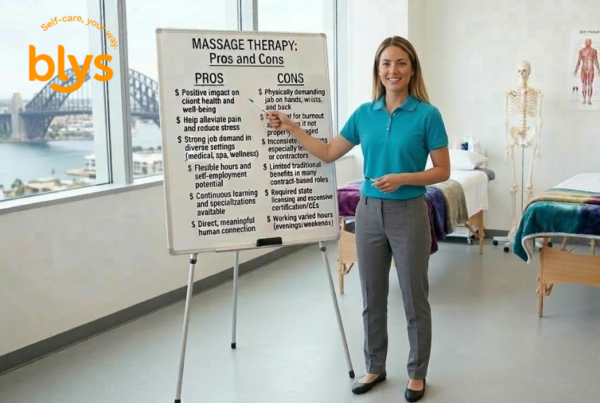
This is one of the most searched questions about this career, and it’s worth answering honestly. Is being a massage therapist a good job? For the right person, yes, genuinely.
Therapists who thrive in this field tend to be people who care deeply about helping others, who enjoy physical work, and who find meaning in direct, tangible results. When what massage therapists say about their job comes up in surveys and industry discussions, common themes include job satisfaction, flexibility, and the reward of making a real difference to someone’s quality of life.
There are real challenges, too. Physical wear and tear is a concern for therapists who don’t manage their workload carefully. Income can be variable, particularly in the early stages of building a client base. And like any client-facing role, you’ll occasionally encounter difficult or demanding clients.
The career also offers genuine variety. You might choose to specialise in sports massage, work with pregnant clients, focus on aged care, or even move into corporate wellness. Research published through PubMed continues to support the clinical effectiveness of massage therapy across a range of conditions, which means demand for skilled therapists remains strong in the UK.
If you’re someone who finds desk work draining and wants a career that feels human and hands-on, massage therapy is worth serious consideration. For more on what the role involves in terms of earning potential, read our guide on how to choose the right massage therapist, which also covers what clients look for in a great practitioner.
How to Get Started as a Massage Therapist in the UK
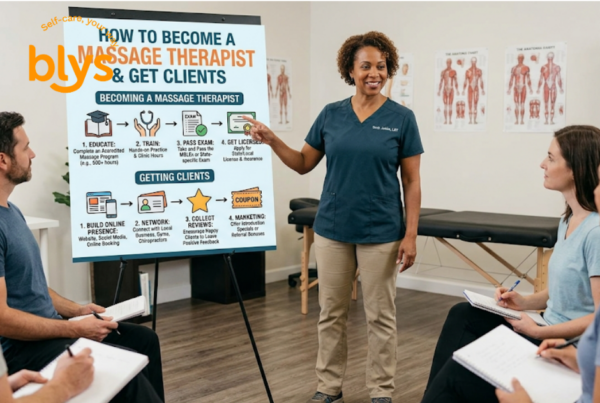
Starting a massage therapy career in the UK usually follows a clear path. While the profession is not government-regulated, training, industry membership, and practical experience still matter if you want to build trust and find steady work.
Step 1: Get the Right Qualification
Most people begin with a Certificate IV in Massage Therapy. This covers the foundations, including anatomy, physiology, client care, and core massage techniques. If you want a broader clinical scope, the next step is often a Diploma of Remedial Massage.
Step 2: Build Your Practical Skills
Training gives you the theory, but hands-on practice is just as important. During your course, you will learn how to assess clients, apply techniques safely, adapt treatments, and build confidence in a real treatment setting.
Step 3: Join a Recognised Industry Body
Many employers and industry platforms look for therapists who are members of a recognised professional association, such as Massage & Myotherapy Australia. Membership can help strengthen your credibility and show clients that you take professional standards seriously.
Step 4: Choose Where You Want to Work
Once qualified, you can explore different work settings. Massage therapists may work in clinics, spas, gyms, hotels, allied health practices, or corporate wellness environments. Others choose mobile massage or self-employment for more flexibility and control over their schedule.
Step 5: Keep Learning as You Grow
Massage therapy is a skill-based career, so ongoing learning matters. As you gain experience, you may choose to expand into areas such as remedial, sports, pregnancy, or mobile massage. Continued professional development can help you improve your technique, support more clients, and grow your career over time.
Wrapping Up
Massage therapy is a career that rewards skill, empathy, and dedication. The massage therapist job description is broader than many people expect, combining hands-on clinical technique with interpersonal care, business awareness, and a genuine commitment to client wellbeing. If you’re drawn to health, human connection, and the idea of building a career where you can see your impact directly, it’s a career worth pursuing.
Ready to see how massage therapy works in practice? Explore the full range of Blys massage services and understand what clients are looking for in a great therapist.