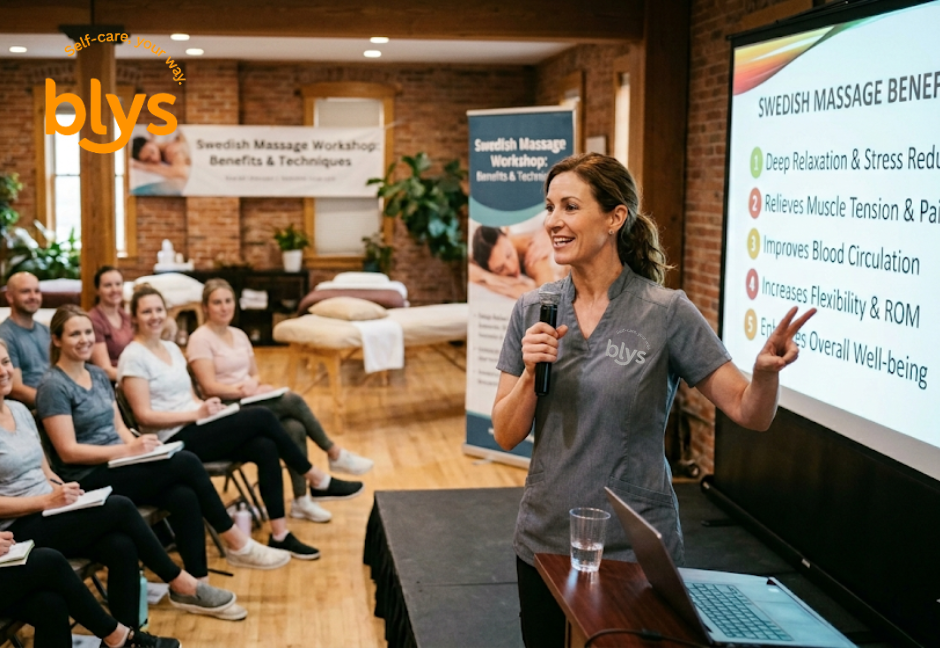
 If you’ve ever wondered whether Swedish massage is just a luxury treat or something with real health value, you’re not alone. It’s one of the most common questions people have before booking their first session, and it’s a fair one. Swedish massage benefits go well beyond a pleasant hour on the table. From easing sore muscles to lowering cortisol levels, the effects are grounded in physiology, not just relaxation folklore.
Swedish massage is the most widely practised form of therapeutic massage in the UK. It uses long, flowing strokes, kneading and gentle friction to work through the soft tissue layers of the body. The technique is approachable, adaptable and suitable for most people whether you’re recovering from a physically demanding week, managing stress, or simply maintaining your wellbeing.
This post breaks down exactly what Swedish massage does to your body and mind, who it’s most useful for, and why the science behind it holds up.
What Swedish Massage Does to Your Body
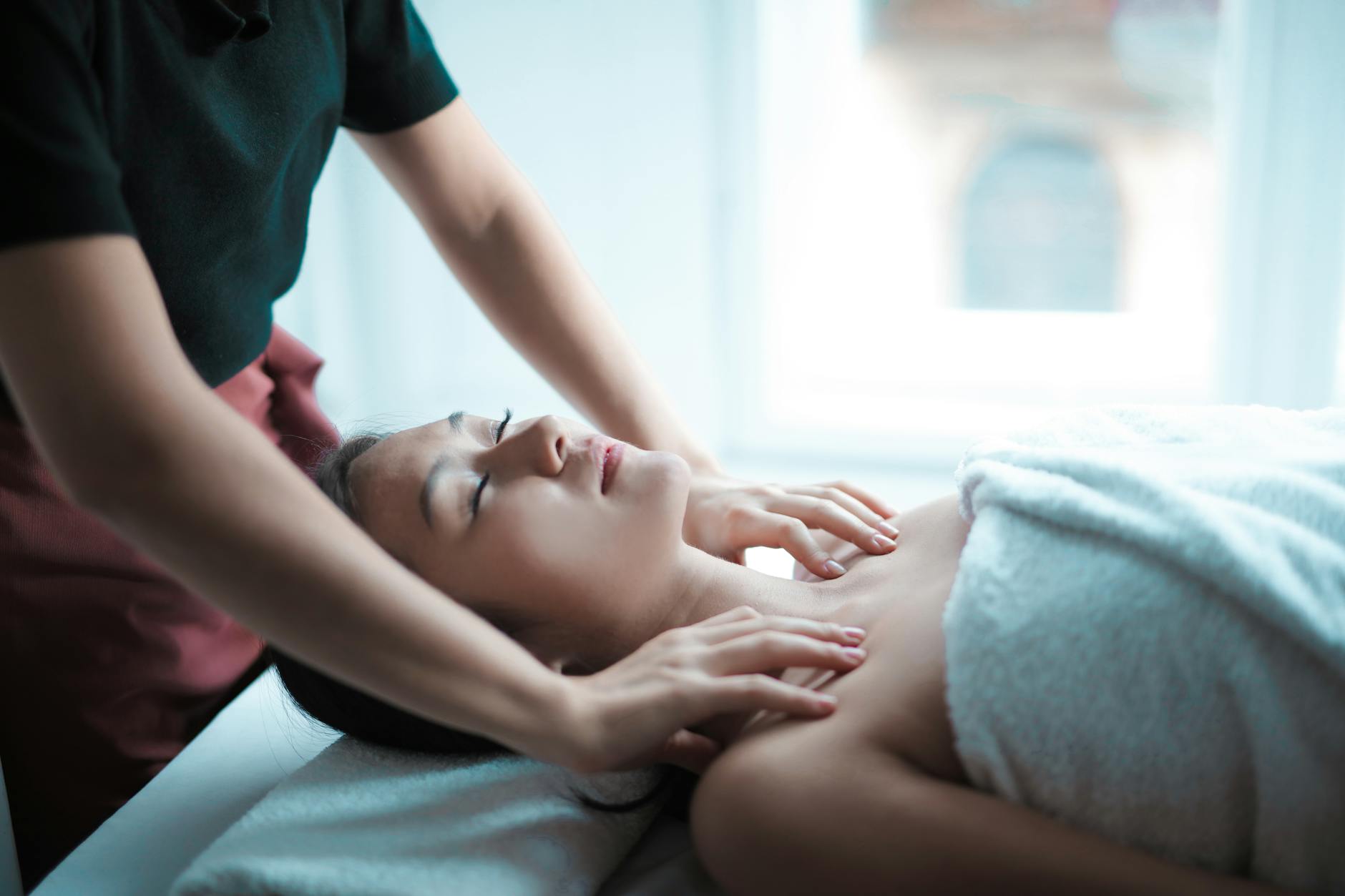
The physical effects of Swedish massage begin almost immediately. The long effleurage strokes that typically open a session help warm the superficial muscle tissue and increase blood flow to the area being worked on. Better circulation means more oxygen and nutrients reaching muscle fibres, which is why people often leave a session feeling noticeably lighter, even if they came in with significant tension.
Swedish massage also stimulates the lymphatic system. Unlike blood, lymph doesn’t have a pump; it relies on movement and external pressure to circulate. Massage helps move lymphatic fluid more efficiently, which supports the body’s immune response and reduces fluid retention. For people who spend long hours seated or who have poor circulation in their legs, this effect can be particularly noticeable.
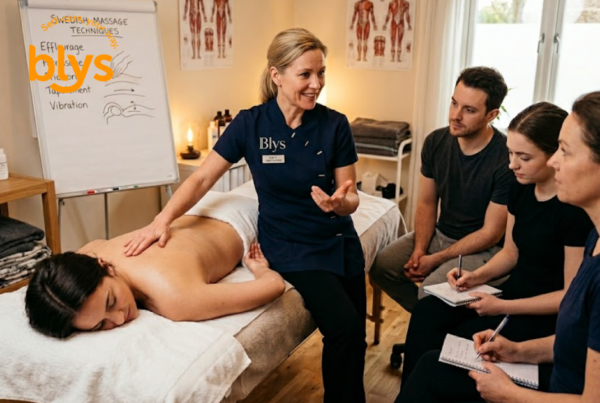
Muscle tone and pliability are also affected. Repetitive kneading (petrissage) breaks up adhesions, those tight, fibrous patches that develop when muscle fibres stick together after overuse or injury. According to the Better Health Channel, massage can help reduce muscle stiffness and improve range of motion, particularly when combined with regular movement. If you’re curious about how these techniques are applied in practice, this guide to Swedish massage techniques for deep relaxation covers the mechanics in more detail.
Mental Health and Stress Relief Benefits
The mental health benefits of Swedish massage are arguably just as significant as the physical ones, and they’re measurable. Research consistently shows that massage reduces circulating cortisol, the hormone most closely associated with the stress response. At the same time, it increases serotonin and dopamine levels, both of which play a central role in mood regulation.
For people dealing with anxiety, Swedish massage activates the parasympathetic nervous system, the branch responsible for rest and recovery. Heart rate slows, breathing deepens and the nervous system shifts out of a heightened state. This is why many people report feeling not just relaxed but mentally clearer after a session.
Sleep quality is another benefit that often goes unmentioned. When your nervous system is running hot, whether from work stress, parenting, or general overstimulation, falling asleep and staying asleep becomes harder. The parasympathetic activation that Swedish massage triggers can help recalibrate your baseline arousal level, making it easier to wind down at night.
A review published through PubMed found that massage therapy consistently reduced self-reported anxiety and improved mood across a range of populations, including office workers and people managing chronic illness. The stress relief benefits of Swedish massage aren’t incidental; they’re baked into how the technique works at a physiological level. For a deeper look at the research, the science behind Swedish massage benefits is worth reading.
Recovery and Injury Prevention
Swedish massage is increasingly used as part of structured recovery protocols, not just as an occasional treat but as a regular tool for keeping the body functioning well. Here’s how it fits into two common contexts.
Muscle Recovery After Exercise
Swedish massage can be a helpful option if your body feels sore, stiff, or heavy after exercise. It is often used in the day or two after a hard workout, when delayed onset muscle soreness, or DOMS, tends to feel at its worst. The light-to-moderate pressure and flowing strokes can help the body relax while supporting circulation through tired muscles.
It can also help muscles settle after repeated training. When the body stays tense after running, lifting, cycling, or other demanding activity, it may feel harder to move comfortably. Swedish massage supports a more relaxed resting state, which can make recovery feel easier and more manageable.
This may be helpful for:
- People who feel sore 24 to 48 hours after exercise.
- Gym-goers who want a gentler recovery massage.
- Runners, cyclists, and other active people with general muscle tightness.
- Anyone who feels stiff after a new workout or heavier training load.
- People who want post-exercise relief without the firmer pressure of deep tissue massage.
Swedish massage works best as part of a wider recovery routine that also includes rest, hydration, and enough time for the body to recover properly.
Chronic Tension and Postural Pain
Swedish massage is not only for people who exercise a lot. It can also be a good fit for people who carry everyday tension from desk work, long drives, or repeated postural habits. Common problem areas include the neck, shoulders, upper back, and hips.
Healthdirect notes that massage can help with musculoskeletal discomfort and that massage-based therapies may support relief for issues such as neck, shoulder, or back pain when used as part of a broader approach to care.
| Common situation | What it may feel like | How Swedish massage may help |
| Long hours at a desk | Tight neck, sore shoulders, heavy upper back | Uses smooth, flowing strokes to help muscles relax |
| Frequent screen time | Stiff posture and tension through the upper body | Encourages the body to soften and unwind |
| Long driving or commuting | Tight hips, lower back discomfort, general stiffness | Helps ease built-up tension from staying in one position |
| New to massage | Unsure about pressure or worried it may hurt | Offers a gentler starting point than deeper styles |
| Sensitive or tense muscles | Discomfort with firm pressure | Supports relief without feeling too intense |
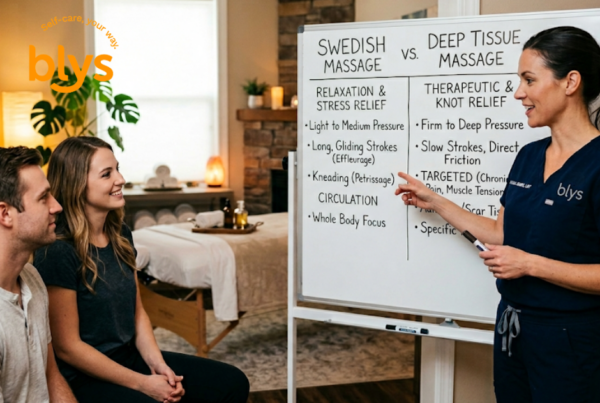
Unlike deeper styles such as remedial or deep tissue massage, Swedish massage usually takes a gentler and more gradual approach. That makes it a strong starting point for people who feel tight and achy but do not want heavy pressure.
It can be especially helpful if you are new to massage and want something that feels calming as well as physically relieving.
Who Benefits Most From Swedish Massage?
Swedish massage suits a wide range of people, which is one reason it remains one of the most common massage styles. It is often a strong starting point for those who are new to massage because it can feel effective without being too intense. The lighter, more flowing approach also makes it a good option for people who want relief from tension without the firmer pressure used in deeper treatments.
It can also work well for people whose bodies feel worn down by daily routines rather than intense physical strain. Long hours of sitting, screen time, commuting, and everyday stress can all lead to tight muscles and a nervous system that feels constantly switched on. In these cases, Swedish massage may help the body relax while easing common areas of tension such as the neck, shoulders, back, and hips.
Swedish massage may be especially helpful for:
- People who are new to massage and want a gentler introduction.
- Those dealing with mild to moderate stress or general tension.
- People with desk jobs or sedentary routines that lead to postural tightness.
- Anyone recovering from light physical activity or everyday muscle fatigue.
- Those who find deep pressure uncomfortable or want to return to massage after a break.
Swedish massage is not a replacement for medical care. If you have an injury, ongoing condition, or pain without a clear cause, it is best to speak with your GP or allied health provider first. Once you have the all-clear, massage can become a useful part of your broader care routine.
You can read more about the therapeutic benefits of Swedish massage to better understand where it may fit into your overall wellness plan.
Wrapping Up
Swedish massage offers more than a relaxing experience. It can help improve circulation, ease everyday muscle tension, support recovery after light physical activity, and calm the nervous system. Many people also notice less stress, less physical tightness, and better sleep over time, which is why it remains one of the most widely booked massage styles.
What makes Swedish massage especially appealing is that it does not need to feel intense to be effective. For people who feel unsure about massage or worry that it might be too painful, it can be a comfortable place to start. The pressure is usually gentler, the strokes are more flowing, and the overall goal is to help the body relax while still delivering real physical benefits.
It also helps to think of Swedish massage as part of an ongoing wellness routine rather than a one-off fix. While one session can still feel helpful, the benefits often become more noticeable with regular appointments. If you are ready to try it for yourself, Blys Swedish massage brings a qualified therapist to your home, hotel, or office, making it easier to fit professional massage into your routine.