After December routines, many people notice feeling heavier, more bloated, or low on energy. Changes in eating patterns, sleep, movement, and stress can leave the body feeling out of sync as January begins.
This often leads to extreme detox plans or fasting resets. While appealing, these approaches can work against the body’s natural balance and add more strain than support.
A more effective wellness reset focuses on helping the body do what it already does best. The body has built-in detox systems that respond well to gentle, supportive care rather than restriction.
This guide explores practical detox treatments that align with how the body works, including body lymphatic drainage massage, dry brushing, hydration-focused facials, and heat therapies, offering a calmer and more realistic way to reset in January.
What Detox Really Means
The body already has its own detox systems. The liver, kidneys, gut, and lymphatic system work every day to process waste and maintain balance. After the holidays, these systems may feel under pressure due to changes in sleep, hydration, movement, and stress, but they do not stop working.
The idea of “toxins” is often overstated in wellness marketing, leading to extreme cleanses or restrictive detox plans. These approaches can place unnecessary strain on the body rather than supporting recovery.
Supportive detox treatments focus on improving circulation, hydration, and lymphatic flow. Instead of forcing results, they help the body function more efficiently. Consistency matters more than intensity, especially when aiming for a sustainable wellness reset in January.
Looking for a more natural approach to detox? Our guide on lymphatic massage for natural detox explains how gentle techniques support the body’s own processes.
Why the Lymphatic System Plays a Key Role in Detox
The lymphatic system plays a quiet but essential role in how the body manages waste and maintains balance. It helps move excess fluid, metabolic by-products, and immune waste away from tissues so they can be processed and removed. Unlike blood circulation, lymphatic flow does not rely on the heart. It depends on movement, breathing, and gentle stimulation to keep things moving.
How the lymphatic system supports detox:
- Transports waste and cellular by-products from tissues to be filtered and cleared.
- Regulates fluid balance, helping prevent swelling and fluid retention.
- Supports immune responses by moving white blood cells throughout the body.
- Relies on muscle movement, deep breathing, and external pressure to circulate.
- Works in partnership with the liver, kidneys, and gut rather than acting alone.
During periods of inactivity, long travel days, higher stress, or disrupted routines, lymph flow can slow. These patterns are common during the holidays and often continue into January.
When lymphatic circulation becomes sluggish, people may notice puffiness, bloating, water retention, or a heavy, congested feeling in the body. Research published in Frontiers in Physiology explains how mechanical movement supports lymphatic flow and immune function.
Body Lymphatic Drainage Massage as a January Reset Tool
January is often when people look for ways to feel lighter and more balanced without pushing their bodies too hard. Body lymphatic drainage massage offers a gentle, supportive option that aligns with how the body naturally resets after periods of inactivity, travel, and seasonal routine changes.
What body lymphatic drainage massage involves
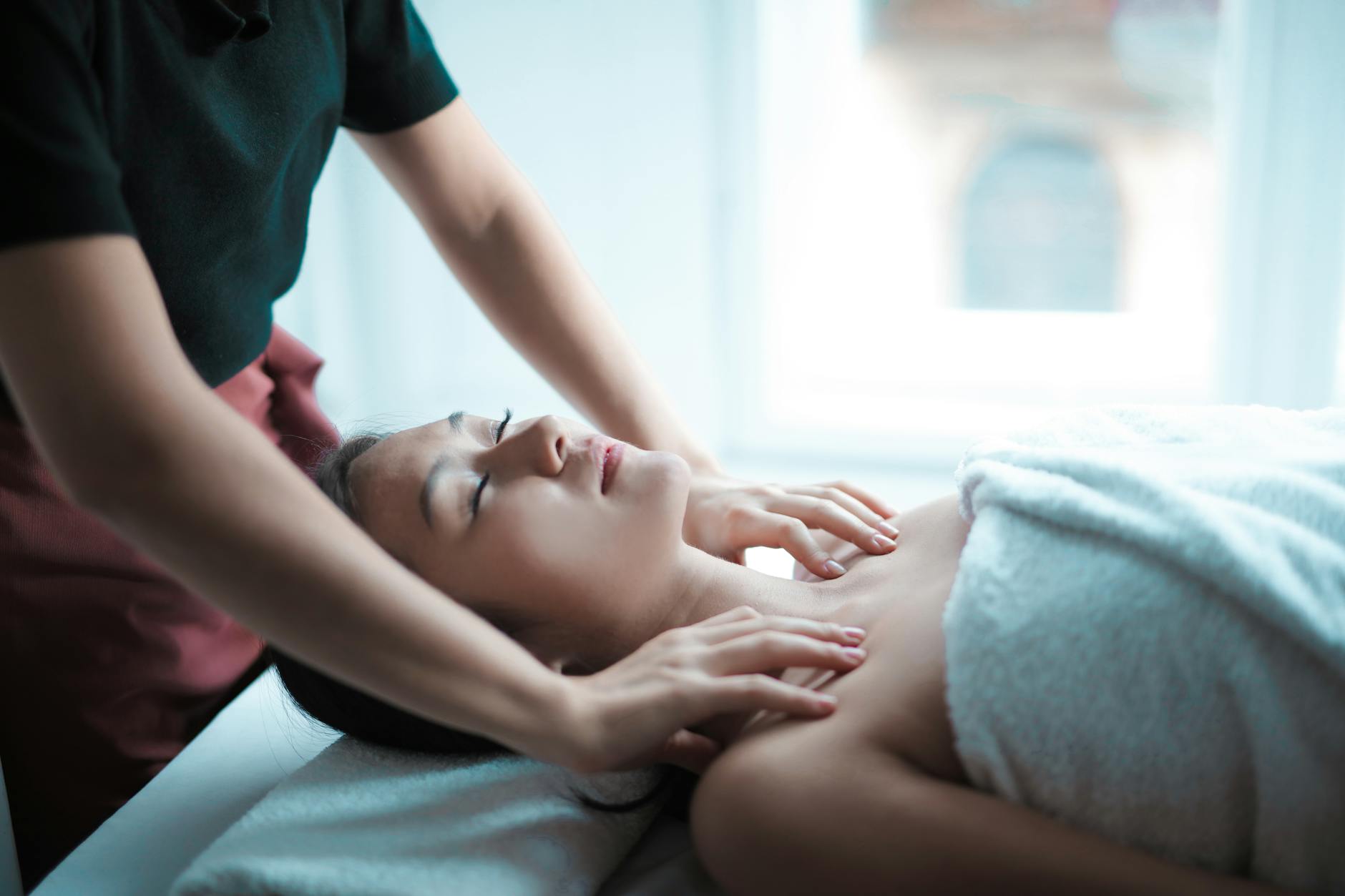
Body lymphatic drainage massage uses slow, rhythmic, and very light pressure to encourage lymph fluid to move through the body more efficiently. Techniques follow the natural pathways of the lymphatic system rather than targeting deep muscle layers. The aim is to support circulation and fluid movement, not to release muscle tension.
How it differs from deep tissue or relaxation massage
Unlike deep tissue massage, lymphatic drainage does not involve firm pressure or muscle manipulation. It also differs from relaxation massage, which focuses on calming the nervous system rather than fluid movement. Lymphatic techniques are intentionally gentle and precise, making them suitable for people who feel sensitive, bloated, or run down after the holidays.
Evidence-backed benefits of lymphatic drainage
Research suggests lymphatic drainage can help reduce fluid retention and swelling, support circulation, and encourage lymph flow. Many people also report a lighter, less congested feeling in the body and improved recovery after periods of prolonged sitting or reduced movement.
Who typically benefits most in January
People returning to work routines, recovering from holiday travel, experiencing bloating, puffiness, or low energy, or easing back into movement often find lymphatic support helpful during January.
Who should check with a health professional first
Those with active infections, uncontrolled heart conditions, kidney disease, or recent surgery should seek medical advice before booking lymphatic drainage massage.
Invite readers to explore at-home lymphatic drainage massage through Blys as part of a realistic January wellness reset.
Dry Brushing: A Simple Habit That Supports Lymphatic Flow
Dry brushing is a simple, low-cost practice that involves gently brushing the skin with a natural-bristle brush, usually before showering. It is often used as a daily habit to support circulation and lymphatic movement, especially when paired with treatments like body lymphatic drainage massage.
How dry brushing supports lymphatic flow:
- Stimulates the skin and superficial lymph vessels through light mechanical movement.
- Encourages lymph fluid to move towards drainage points, supporting natural detox pathways.
- May help improve circulation near the skin’s surface.
- Provides gentle exfoliation, helping remove dead skin cells.
- Can be done at home in a few minutes with minimal equipment.
Research shows how mechanical skin stimulation supports circulation and skin barrier function, which plays a role in overall fluid balance.
Dry brushing should always use light pressure and avoid broken skin, irritation, or sensitive areas. It may not be suitable for people with eczema, psoriasis flare-ups, very sensitive skin, or active infections.
Hydration Facials and Skin Detox from the Outside In
After the holidays, skin often feels dry, dull, or congested due to travel, late nights, alcohol, and indoor heating. In January, hydration-focused treatments help restore balance rather than attempting to “detox” the body.
How hydration facials support skin health:
- Restore moisture levels and support the skin barrier after seasonal stress.
- Improve circulation at the skin’s surface without overstimulation.
- Soothe sensitivity and reduce post-holiday tightness or discomfort.
- Support natural skin renewal rather than forcing detoxification.
- Complement internal wellness practices without replacing them.
The skin plays a limited role in detoxification and functions primarily as a protective barrier. Hydration facials focus on replenishment and repair, not toxin removal.
When paired with body lymphatic drainage massage, hydration facials support both external skin recovery and overall fluid balance as part of a realistic January wellness reset.
Feeling bloated after the holidays? Our guide on lymphatic drainage massage for holiday bloat explains how gentle support can help.
Sauna and Heat Therapies: What the Science Actually Says
Sauna and heat therapies are often promoted as detox tools, but their benefits are more nuanced than many claims suggest. Sweating does contribute to elimination, though it plays a supporting role rather than acting as the body’s primary detox pathway.
What research shows about sauna use:
- Supports circulation by increasing blood flow and encouraging vascular relaxation during heat exposure.
- Promotes nervous system regulation, helping the body shift into a more relaxed recovery state.
- Contributes modestly to the elimination of certain compounds through sweat, though this pathway is limited.
- Delivers benefits gradually, with regular, moderate use proving more effective than occasional intense sessions.
- Works alongside the liver and kidneys rather than replacing the body’s core detox systems.
Large observational studies, including research published in JAMA Internal Medicine, associate regular sauna use with improved circulation and cardiovascular health rather than direct detoxification.
In January, shorter sessions a few times a week are usually enough. Sauna use may not suit everyone, particularly during illness or dehydration. Used thoughtfully, heat therapies work best as part of a broader wellness reset rather than on their own.
How to Combine Detox Treatments Without Overdoing It
Trying to do everything at once can backfire during a wellness reset. Stacking multiple detox methods may lead to fatigue, discomfort, or burnout. A steadier approach focuses on spacing treatments and supporting the body between sessions.
Example of a balanced January wellness reset week:
|
Focus |
Supportive approach |
| Lymphatic support |
One body lymphatic drainage massage |
|
Daily habits |
Light movement, hydration, dry brushing |
| Skin care |
One hydration-focused facial |
|
Heat therapy |
One to two short sauna sessions |
| Recovery |
Rest days and early nights |
Body lymphatic drainage works best as an anchor treatment rather than a daily intervention. When combined with rest, regular meals, hydration, and gentle movement, detox practices feel more manageable and effective. This balanced structure supports consistency without overwhelming the body.
Why At-Home Detox Treatments Work Better in January
January fatigue is real. After the holidays, energy and motivation are often low, making it harder to keep wellness plans going. At-home treatments reduce friction by removing travel, waiting times, and the need to reorganise already full days.
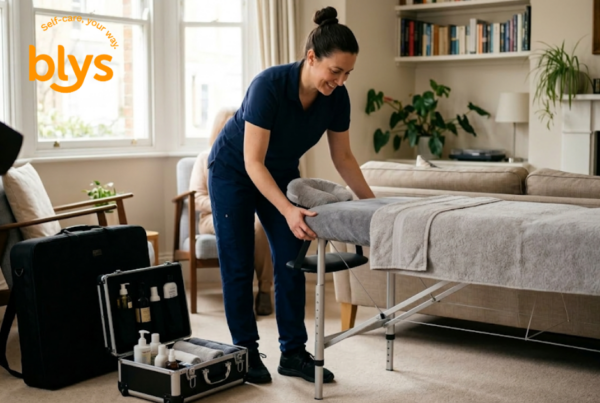
Receiving body lymphatic drainage massage in a familiar space helps the body relax more fully, which supports circulation and recovery. Home sessions are also easier to repeat, encouraging consistency rather than one-off efforts.
Consistency matters more than perfection in a January wellness reset. When treatments fit into real life, follow-through improves.
Encourage readers to book a lymphatic drainage massage at home with Blys as part of a supported and realistic January reset.
A Kinder Way to Reset in January
A January reset does not need to feel restrictive or punishing to be effective. Detox works best when it supports the body rather than forcing change. Gentle, consistent care allows natural systems to restore balance at their own pace.
Body lymphatic drainage fits into this approach as one supportive option among many. When paired with hydration, rest, movement, and realistic routines, it helps encourage circulation and recovery without overwhelming the body. The goal is not to chase immediate results, but to notice how the body responds and adjust accordingly.
Listening to physical cues, respecting energy levels, and choosing sustainable habits often lead to better outcomes than extreme resets. A calmer approach builds trust with the body and supports long-term wellbeing.
Explore at-home wellness services with Blys to support a balanced and restorative start to the year.