 If you are interested in human movement, physical health, and helping people recover from injury or manage long-term conditions, physiotherapy could be a strong career path. It is a respected and consistently in-demand profession with a clear route from study to long-term practice. Before committing to the training, though, it helps to understand what the role looks like day to day.
Whether you are a school leaver comparing health science degrees, considering a career change, or simply curious about what physiotherapists do, this guide covers the essentials. It looks at key job responsibilities, common work settings, salary expectations, and how a physiotherapy career can grow over time.
Physiotherapy is not limited to one type of job. It is a broad profession with many specialisations, varied workplaces, and real flexibility to shape a career that suits your interests and goals.
What Does a Physiotherapist Do?
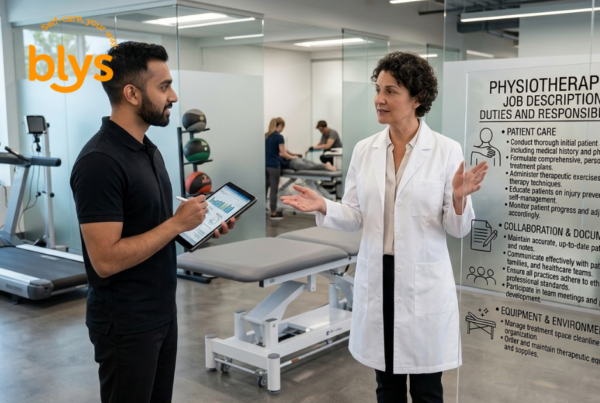
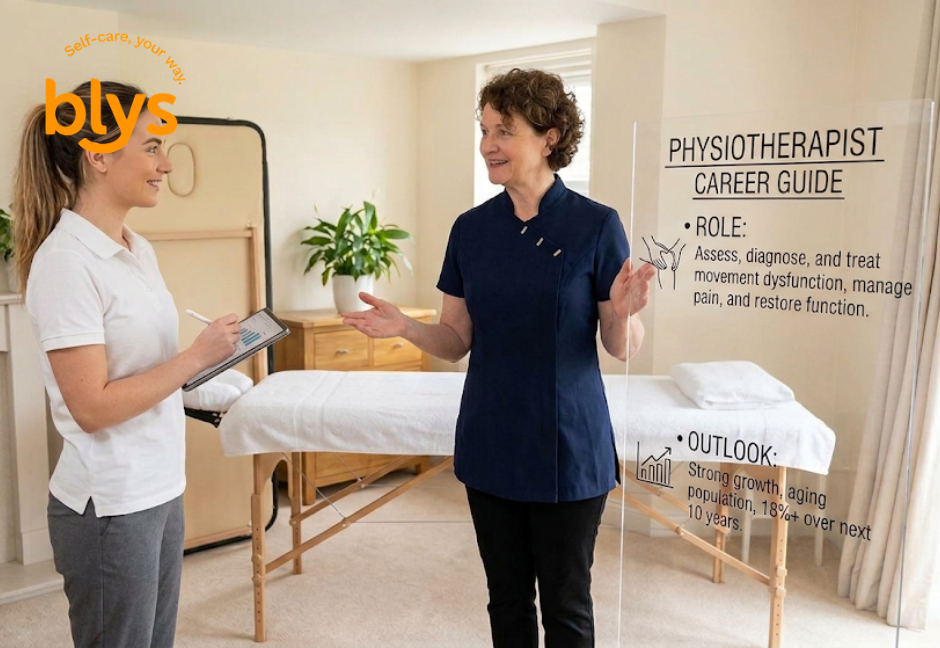
A physiotherapist assesses, diagnoses, and treats conditions that affect movement and physical function. This can include musculoskeletal injuries, neurological conditions, cardiorespiratory issues, and recovery after surgery. Physiotherapists work with patients to understand their symptoms, identify the factors affecting movement, and create treatment plans that support safer, stronger, and more effective recovery.
The role is highly practical and patient-focused. A typical day may involve physical assessment, manual therapy, exercise prescription, rehabilitation support, and education to help patients manage symptoms and reduce the risk of further injury. Rather than focusing only on pain relief, physiotherapists aim to improve function, independence, and overall quality of life.
Core Physiotherapist Job Responsibilities
The exact duties can vary by workplace, patient group, and specialisation, but most physiotherapists share a common set of core responsibilities. Their role involves more than treating pain. It also includes identifying movement issues, planning rehabilitation, and supporting patients through recovery.
In most settings, these responsibilities include:
- Assessing patients through physical examination, health history review, and movement analysis.
- Identifying movement problems and functional limitations within their scope of practice.
- Developing individual treatment plans based on clinical evidence and patient goals.
- Delivering hands-on therapy and supervising exercise-based rehabilitation.
- Educating patients and carers on recovery, self-management, and injury prevention.
- Monitoring progress, updating treatment plans, and maintaining accurate clinical records.
Physiotherapists also work closely with patients and other health professionals to support safe, steady, and practical long-term outcomes.
Where Do Physiotherapists Work?
One of the biggest advantages of a physiotherapy career is the variety of settings available. Physiotherapists work in hospitals, private clinics, sports settings, community health services, aged care, rehabilitation centres, schools, and disability services. Some also work in rural areas or provide mobile care in patients’ homes.
Because of this, the role can look very different depending on the path you choose. A sports physiotherapist may focus on injury recovery and performance, while another may support older adults with mobility or rehabilitation after surgery or stroke. Even across different settings, the core goal stays the same: helping people move better and function more confidently in daily life.
Physiotherapist Qualifications and Training
Physiotherapy is a regulated profession, so you need an approved qualification and registration before you can practise independently. In the UK, that usually means completing an accredited university programme and meeting the registration requirements set by AHPRA.
There is more than one way into the profession. Some students complete an undergraduate physiotherapy degree, while others enter through a graduate-entry master’s pathway. Both routes combine academic study with practical training to prepare students for clinical work.
| Stage | What It Usually Involves | Why It Is Important |
| University qualification | Completing an accredited undergraduate degree or graduate-entry master’s in physiotherapy | Provides the approved training needed to enter the profession |
| Core subjects | Studying anatomy, physiology, pathology, biomechanics, neuroscience, clinical reasoning, and professional practice | Builds the knowledge needed for safe and effective care |
| Clinical placements | Gaining supervised experience in hospitals, clinics, rehabilitation, and community settings | Gives students real-world experience before registration |
| Registration | Meeting the requirements of the relevant registration body | Allows you to practise as a qualified physiotherapist |
| Further development | Taking postgraduate study or short courses in specialist areas | Helps broaden your skills and career options |
| Ongoing CPD | Completing continuing professional development each year | Keeps your knowledge current and your practice aligned with standards |
Clinical placements are one of the most important parts of training because they give students direct experience in different care settings before they graduate. After qualification, many physiotherapists continue to build their skills through further study and CPD, which physiotherapy requires for registered practitioners.
Physiotherapist Salary and Career Outlook
Physiotherapy is generally seen as a stable and well-regarded allied health career, with demand across both public and private sectors. Salary can vary depending on location, experience, specialisation, and whether you work for an employer or run your own practice.
Early-career physiotherapists usually begin on solid salaries, with earning potential growing over time as skills and experience increase. Those who move into private practice, mobile services, leadership roles, or clinic ownership may earn more, although this often comes with added business responsibilities.
Several factors continue to support a strong career outlook for the profession, including:
- Ageing populations that need more support with mobility, pain management, and rehabilitation.
- Rising rates of chronic musculoskeletal and lifestyle-related conditions.
- Growing participation in sport, fitness, and injury prevention programmes.
- Greater demand for preventive care, community-based health services, and recovery support.
- Expanding opportunities in telehealth, occupational health, and mobile physiotherapy.
Together, these trends make physiotherapy a career with strong long-term potential across a wide range of settings.
If you are exploring related roles in the wellness and movement space, our guide on how to become a beauty therapist and get clients offers a useful look at an adjacent service-based career pathway.
How to Progress Your Physiotherapy Career
A physiotherapist career is not static. Once you are registered and practising, there are multiple directions your career can take, and many physiotherapists find that their role evolves considerably over time.
Clinical Specialisation
Many physiotherapists develop deep expertise in a specific area of practice. Common specialisations include sports physiotherapy, paediatric physiotherapy, neurological rehabilitation, musculoskeletal and orthopaedic practice, cardiorespiratory physiotherapy, pelvic floor and women’s health, occupational rehabilitation, and aged care. Specialising typically involves postgraduate coursework, clinical mentorship, and accumulating substantial hours in your chosen area.
Leadership and Management
Experienced physiotherapists often progress into clinical leadership roles, managing teams of allied health professionals, overseeing service delivery within hospitals or community health organisations, or contributing to policy and programme development. These roles combine clinical expertise with operational and management skills.
Private Practice and Mobile Physiotherapy
Running your own practice is a popular career move for physiotherapists who want greater autonomy. This might mean opening a clinic, joining an existing practice as a partner, or working as a mobile physiotherapist who visits clients in their homes, workplaces, or sporting environments. Mobile physiotherapy in particular is growing in popularity, with services like those available through Blys physiotherapy services offering patients the convenience of on-demand care in their own space.
If you are exploring the mobile service model more broadly, our article on how to become a mobile massage therapist provides insight into how mobile health professionals operate, manage clients, and build sustainable practices.
Research and Academia
Some physiotherapists move into research or teaching as their careers develop. These roles offer a different way to contribute to the profession and often sit alongside clinical practice rather than replacing it fully.
This path may include:
- Contributing to clinical research that shapes best practice.
- Teaching physiotherapy students in university or placement settings.
- Supporting evidence-based care through academic writing or project work.
- Combining part-time clinical work with research or lecturing roles.
For those who enjoy learning, mentoring, and staying close to new developments in the field, research and academia can be a strong long-term career path.
Is Physiotherapy the Right Career for You?
Physiotherapy suits people who are interested in how the body works and want a career built around movement, recovery, and practical patient care. It is a strong fit for those who enjoy problem-solving, hands-on work, and helping people improve function over time. The profession also offers room to grow, with opportunities across many settings and areas of practice.
It is also a demanding career. Physiotherapists often work with people in pain, manage complex caseloads, and need to stay current with evolving clinical evidence. Strong communication, empathy, and resilience matter just as much as technical skill.
Because the profession is recognised in many countries and offers a wide range of work settings, physiotherapy can also provide long-term flexibility and career variety. For broader information on the profession and international physiotherapy bodies, World Physiotherapy is a useful source.
Wrapping Up
A physiotherapist career offers far more than clinical work. It is a profession built around meaningful human connection, continuous learning, and the real-world impact of helping people move better and live more comfortably. Whether you are drawn to elite sport, complex neurology, aged care, or the flexibility of private practice, physiotherapy provides a credible pathway to a long and varied career in health.
If you are already working in health and wellness or simply curious about how physiotherapy fits into the broader landscape of hands-on care, explore the range of Blys physiotherapy services to see how professional therapy services are being delivered to clients in new and more accessible ways.