 Physiotherapy is one of the most hands-on and rewarding careers in healthcare. Whether you’re drawn to helping athletes recover from injury, supporting older adults to stay mobile, or working with people managing long-term pain, the physiotherapist role sits at the intersection of science and human connection. It’s a profession built on movement, and the impact you can have on someone’s quality of life is tangible.
If you’re exploring this career path, understanding what a physiotherapist actually does day to day is a good place to start. The physiotherapist job description is broader than most people realise. It covers everything from clinical assessment and diagnosis to hands-on treatment, patient education, and long-term care planning. This post breaks it all down so you know exactly what to expect.
Below, you’ll find a clear overview of the core duties, the types of patients and conditions involved, the settings where physiotherapists work, and the skills that make someone good at this job.
What Does A Physiotherapist Do?
A physiotherapist helps people restore and maintain physical function. They work with patients experiencing pain, injury, illness, or disability, using evidence-based techniques to improve movement, reduce discomfort, and prevent further damage.
The role is both diagnostic and therapeutic. A physiotherapist doesn’t just treat symptoms; they assess the root cause of a problem and develop a plan to address it. That plan might involve manual therapy, exercise prescription, electrotherapy, or education, depending on the patient and condition.
Physiotherapists work across the full human lifespan. You might treat a teenager with a sports injury in the morning and an elderly patient recovering from a hip replacement in the afternoon. The breadth of the work is one of the things that makes physiotherapy such a dynamic career choice.
According to the Australian Physiotherapy Association, physiotherapy is an autonomous profession, meaning practitioners make independent clinical decisions within their scope. That level of professional responsibility is built into the role from day one.a
Core Physiotherapist Duties And Responsibilities
The day-to-day responsibilities of a physiotherapist vary by speciality and setting, but most roles share a common set of core duties.
Patient Assessment And Diagnosis
Before any treatment begins, a physiotherapist conducts a thorough assessment. This involves taking a detailed patient history, asking about symptoms, lifestyle, and medical background, then performing a physical examination to observe posture, movement, strength, and flexibility.
From this, the physiotherapist forms a clinical diagnosis. Unlike in some healthcare roles, physiotherapists are trained to identify musculoskeletal, neurological, and cardiorespiratory conditions and determine the most appropriate course of action, including when to refer a patient to another specialist.
Treatment Planning And Delivery
Once a diagnosis is made, the physiotherapist designs an individualised treatment plan. This is not a one-size-fits-all process. The plan takes into account the patient’s goals, lifestyle, age, health history, and the nature of the condition.
Treatment techniques may include:
- Manual therapy, such as joint mobilisation and soft tissue massage
- Exercise therapy and rehabilitation programmes
- Electrotherapy, including ultrasound and TENS
- Hydrotherapy (in some specialities)
- Dry needling or acupuncture (where qualified)
- Taping and bracing techniques
Physiotherapists also monitor and adjust treatment as the patient progresses. If something isn’t working, they adapt. This ongoing clinical reasoning is central to the job.
Patient Education And Prevention
Patient education is a key part of physiotherapy. It helps people understand their condition, manage symptoms between sessions, and reduce the risk of future problems.
| Education area | What the physiotherapist does | How it helps |
| Home exercise guidance | Demonstrates stretches, strengthening work, and mobility exercises | Supports steady progress between appointments |
| Posture and ergonomics | Advises on sitting, standing, lifting, and workstation setup | Helps reduce physical strain in daily life |
| Condition explanation | Explains the cause of symptoms and how the body is responding | Makes the treatment plan easier to understand |
| Pain management advice | Discusses pacing, activity modification, and flare-up management | Helps patients cope with symptoms more effectively |
| Injury prevention | Identifies risk factors and gives strategies to avoid setbacks | Supports safer recovery and longer-lasting results |
This part of the role also improves patient confidence and encourages better follow-through with treatment.
What Conditions Does A Physiotherapist Treat?
Physiotherapists treat a broad range of conditions, with musculoskeletal problems being the most common. However, the profession also extends to neurological, cardiorespiratory, paediatric, sports, and pelvic healthcare. In practice, this designation means a physiotherapist may help with pain, injury recovery, mobility issues, rehabilitation, and movement problems across different stages of life.
Common conditions include:
- Back pain, neck pain, and other spinal conditions
- Sports injuries, such as sprains, strains, and ligament tears
- Post-surgical rehabilitation, including knee or shoulder recovery
- Arthritis and joint conditions
- Neurological conditions, including stroke, multiple sclerosis, and Parkinson’s disease
- Respiratory conditions, including chronic obstructive pulmonary disease and cystic fibrosis
- Pelvic floor dysfunction and women’s or men’s pelvic health concerns
- Paediatric conditions that affect movement, strength, or development
Physiotherapy also plays an important role in prevention, recovery, and rehabilitation, not only in clinics and hospitals but in areas such as aged care, workplace health, and sport.
Where Do Physiotherapists Work?
One of the appealing aspects of physiotherapy as a career is the variety of work settings. The skills are transferrable across many different environments, which gives you flexibility in how and where you build your career.
Common settings include:
- Private practice clinics (the most common setting for physiotherapists)
- Public and private hospitals
- Aged care facilities and community health centres
- Sports clubs and high-performance athletic environments
- Rehabilitation centres
- Schools and paediatric settings
- Occupational health and workplace wellness programmes
- Mobile and in-home healthcare services
Mobile health is a growing area worth mentioning. Platforms that bring health professionals directly to clients, whether in their home, office, or hotel, are reshaping how allied health services are delivered.
If you’re interested in building a flexible, client-facing career, it’s worth looking at how practitioners in related fields have approached this, such as those exploring how to become a mobile massage therapist, where the model shares similarities with mobile physiotherapy practice.
What Skills Do You Need To Become A Physiotherapist?
A strong physiotherapist combines clinical knowledge with interpersonal ability. The technical side is developed through formal study, but many of the most important qualities are things you can cultivate before you even begin a degree.
1. Clinical And Analytical Thinking
Clinical reasoning sits at the centre of physiotherapy practice. Physiotherapists regularly assess complex symptoms, identify possible causes, and decide on the most appropriate treatment approach based on the patient’s condition, history, and goals.
This skill often involves:
- Assessing pain, movement limits, strength, and function.
- Identifying patterns and possible underlying causes.
- Weighing different treatment options based on evidence.
- Adjusting care plans when progress changes or stalls.
- Knowing when referral to another health professional is needed.
Strong analytical thinking helps physiotherapists make safe, informed decisions throughout the day.
2. Communication And Empathy
Strong communication is one of the most important skills a physiotherapist can develop. Patients are often dealing with pain, uncertainty, or frustration, so the ability to listen well, explain things clearly and adapting your approach to each person plays a major role in safe, effective care.
Brits professional guidance also places clear emphasis on respectful, effective communication in practitioner–patient relationships.
| Communication skill | What it looks like in practice | How it supports care |
| Clear explanation | Describes the diagnosis, treatment plan, and recovery process in simple terms | Helps patients understand their care and next steps |
| Active listening | Pays close attention to symptoms, concerns, and patient goals | Improves trust and gives the physiotherapist better clinical insight |
| Empathy | Responds with patience, reassurance, and respect | Helps patients feel more comfortable and supported |
| Adaptable communication | Adjusts tone and language to suit the patient’s age, background, or confidence level | Makes instructions easier to follow |
| Shared decision-making | Involves the patient in setting goals and choosing treatment options | Encourages stronger participation in treatment |
The therapeutic relationship also affects outcomes. Research in physiotherapy and rehabilitation has found that patient-centred communication, trust, and a strong therapist–patient alliance are associated with better treatment experiences and improved results.
3. Physical Stamina
Physiotherapy is a physically active profession. Much of the work involves standing for long periods, moving between patients, demonstrating exercises, assisting with mobility, and using hands-on techniques throughout the day.
Because of this, physical stamina and good body mechanics are important. Physiotherapists need to work safely and efficiently, not only to support their patients well but also to protect their own bodies from strain and injury over the long term. Maintaining your own strength, posture, and movement habits is an important part of staying effective in the profession.
4. Organisation And Documentation
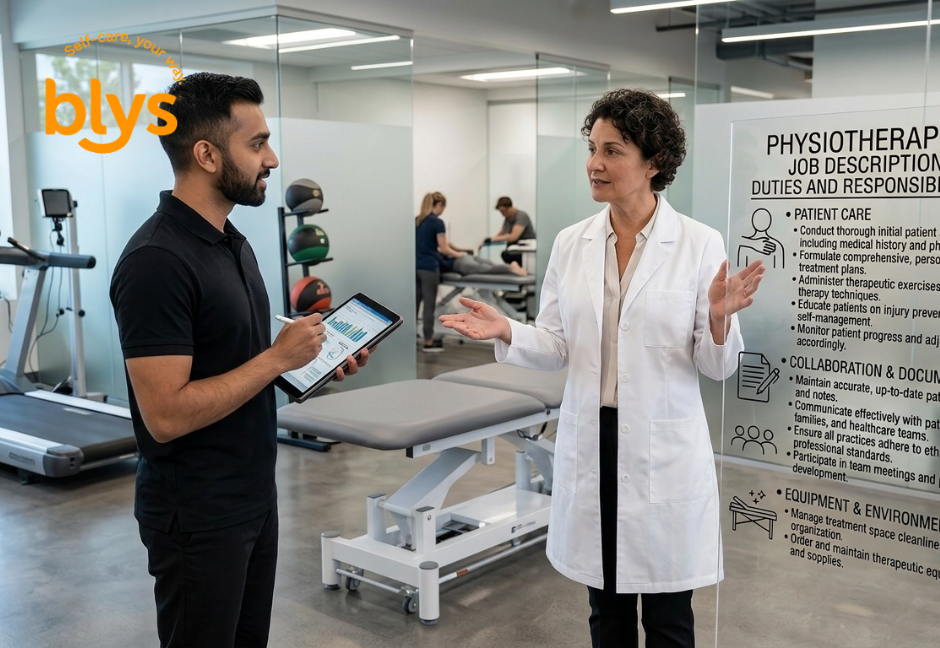
Physiotherapists also handle a strong administrative and clinical record-keeping load. They need to keep accurate patient notes, track progress across multiple appointments, update treatment plans, and communicate clearly with other health professionals when referrals or shared care are involved. A good organisation supports patient safety and continuity of care.
This part of the role often includes:
- Writing and updating patient records after each session.
- Tracking treatment progress and changes over time.
- Preparing referral letters or clinical handovers when needed.
- Managing appointments, follow-up plans, and caseload priorities.
- Keeping documentation clear, accurate, and compliant with professional standards.
Strong written communication and attention to detail are essential in every physiotherapy setting.
5. Commitment To Ongoing Learning
Healthcare evolves. New research, techniques, and technologies are constantly emerging, and physiotherapists are expected to keep their knowledge current through continuing professional development. If you enjoy learning, this is a career that rewards that.
For those interested in how other health and wellness professionals approach building a career, the Blys blog explores related pathways, including how to become a beauty therapist and build a client base. While different in scope, many of the business and client-relationship principles overlap with allied health practice.
Is Physiotherapy The Right Career For You?
Physiotherapy is a profession that demands both intellectual rigour and genuine care for people. The physiotherapist job description covers a wide range of duties, from complex clinical assessment and evidence-based treatment delivery to patient education and prevention. It’s demanding work, but for those drawn to helping people move and feel better, it’s also deeply fulfilling.
Whether you’re just starting to explore the idea or already weighing up your study options, understanding what the role actually involves gives you a much clearer picture of what the training and the career will look like in practice.
If you’re curious about how health and wellness professionals deliver services in flexible, client-first ways, explore the Blys wellness services to see how the industry is evolving and where opportunities for practitioners are growing.