Many workplace wellbeing programs sound supportive but miss the real issue. When stress and fatigue are constant, another fruit bowl or one-off perk does not help much. Employees want relief they can feel, support they can access during the workday, and options that suit office, hybrid, and remote teams.
In this guide, you will find six corporate wellness ideas that employees actually want and will use. Each one is practical, simple to run, and realistic for Brits workplaces. You will also see how simple employee appreciation activities can go beyond a quick morale boost when they reduce pressure and make recovery easier.
For every idea, you will get clear setup tips, budget options for a small pilot or a wider rollout, and what to measure so your workplace wellbeing programs improve over time instead of becoming a checkbox exercise.
What Employees Actually Want From Workplace Wellbeing Programs
Most workplace wellbeing programs land best when they match what employees feel day to day, not what looks appealing in a slide deck. A simple way to choose the right corporate wellness ideas is to focus on four needs.
- Relief: Support people can feel straight away, like easing physical tension or giving the mind a breather.
- Recovery: A proper reset after heavy periods, so stress does not carry into sleep, weekends, and the next work week.
- Autonomy: Choice drives uptake. When employees can pick what fits their needs, participation rises across different personalities and work styles.
- Connection without forced fun: Belonging helps, but only when it feels low-pressure. Aim for optional, calm activities that do not require personal sharing or performing “team culture”.
Uptake matters more than perk count. Even if you organise numerous employee appreciation activities, they may not achieve the desired results if they are inconvenient, difficult to schedule, or scheduled at inappropriate times.
Research on workplace wellness participation highlights practical barriers such as time constraints and convenience, which is why “easy to access” should lead your planning.
Idea 1: Onsite Chair Massage Days
Onsite chair massage is a high-uptake classic because it gives immediate relief with almost no effort. Employees can step away for 10–15 minutes, stay fully clothed, and return to work feeling looser and calmer, without leaving the building.
It is also supported as a practical workplace format. In a program with nurses, weekly 15-minute chair massage appointments had high utilisation, and participants reported improvements in stress and anxiety over the program period. That matters because many workplace wellbeing programs fail when people do not attend.
To run it with Blys, set 10–15 minute slots in rostered blocks (for shift teams) or open bookings (for office teams). Use a quiet corner, meeting room, or screened area, and make comfort rules clear: consent is checked, and opting out is normal. Start with a half-day pilot, then move to monthly or fortnightly. Track utilisation rates and quick pulse feedback, plus sick day trends if you already measure them.
Want higher uptake in workplace wellbeing programs? Our guide on booking early to stress less shows why planning ahead makes wellness stick.
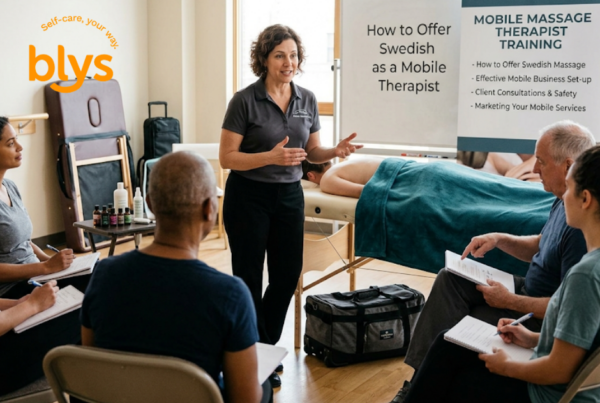
Idea 2: Mobile Massage For Remote and Hybrid Employees
A common gap in workplace wellbeing programs is that the perk only exists at HQ. That leaves hybrid and remote staff out, which weakens your corporate wellness ideas. Remote work can also increase psychosocial risks like isolation and blurred boundaries when support does not adapt.
A practical fix is mobile massage access that works wherever employees are. You can structure it in a few simple ways.
- Monthly allowance: A set amount per employee they can use for approved wellbeing support, with mobile massage as an easy, high-uptake option.
- Quarterly recovery weeks: A reset week each quarter (often post-peak or end of the quarter) where staff can book support.
- Performance-period support: Extra coverage during high-demand periods such as launches, audits, or seasonal rushes.
To keep it fair, set clear caps, define eligibility (including part-time rules), and keep the claims process simple. Measure participation by location and track one engagement item, such as “I feel supported in managing stress”.
Idea 3: Recovery Time That’s Actually Usable
Recovery time only works if employees can take it without paying for it later. If “wellbeing time” creates a backlog, people skip it, or they log on after hours to catch up. The goal is protected time with clear expectations around availability, which the Fair Work Ombudsman’s Right to Disconnect guidance can help you set.
| Option | What it looks like | Why it works |
| Meeting-light block | No internal meetings after 3pm once a week. | More focus time, less meeting fatigue, better chance of finishing on time. |
| Weekly admin hour | One protected hour weekly for catch-up or life admin. | Reduces after-hours spillover and decision fatigue. |
| Post-project decompression | Pre-planned half-day off after a sprint. | Prevents burnout spikes after peak periods. |
To roll this out without hurting delivery, pilot with one team for four weeks, set simple coverage rules (what must be answered vs what can wait), and publish expectations so managers protect the time consistently.
What to measure: after-hours messages (volume and timing), burnout risk signals in pulse checks, and retention or exit themes that mention workload, recovery, or always-on pressure.
Idea 4: Practical Mental Wellbeing Support Employees Will Use
Mental wellbeing support works best when it is easy to join, easy to repeat, and designed for real workdays, not perfect schedules.
1. Why Generic Webinars Flop
Generic webinars are often missed because they are too broad and too easy to ignore. They sit outside the workday, feel one-size-fits-all, and rarely help in the moment an employee feels stressed.
2. Format 1: Short Guided Resets During The Workday
Keep it simple: 10–15 minute guided sessions that fit between meetings or into a break. These work well because they remove friction and make participation feel doable, even on busy weeks.
3. Format 2: Optional Group Meditation Or Breathwork
This can work when it is time-boxed, optional, and treated like a normal calendar event. Keep it practical and avoid anything that pressures people to share personal details in front of colleagues.
4. Format 3: Manager Toolkits For Early Support Conversations
The most useful “mental wellbeing” support is often practical. Give managers a short toolkit for early conversations about workload, boundaries, and support options, rather than posters that tell people to be resilient.
5. Implementation And Measurement
Maintain an opt-in and normal approach, ideally providing two time slots to accommodate shift teams and diverse schedules. Measure attendance, repeat attendance, and anonymous pulse feedback. Recurring attendance indicates that the support is truly beneficial, not merely a one-time experiment.
Want workplace wellbeing programs that feel genuine? Our guide on corporate wellness programs that truly care shows what employees value most.
Idea 5: Movement That Suits Real People
Many employee appreciation activities fall short because they reward already-active staff. Step challenges often favour people who have more free time, fewer caring responsibilities, or roles that allow movement throughout the day.
For others, it can feel like another target they cannot hit, which lowers uptake and can quietly exclude the people who need support most.
- Swap “steps” for stretch and mobility: Run 8–12 minute sessions that work at a desk or in a break room. Focus on neck, shoulders, upper back, hips, and wrists, which are common pain points in office and shift work.
- Use optional walking meeting prompts: Keep it for one-to-one catch-ups or light updates. Make it optional, and do not use it for heavy decision meetings where someone needs a laptop and notes.
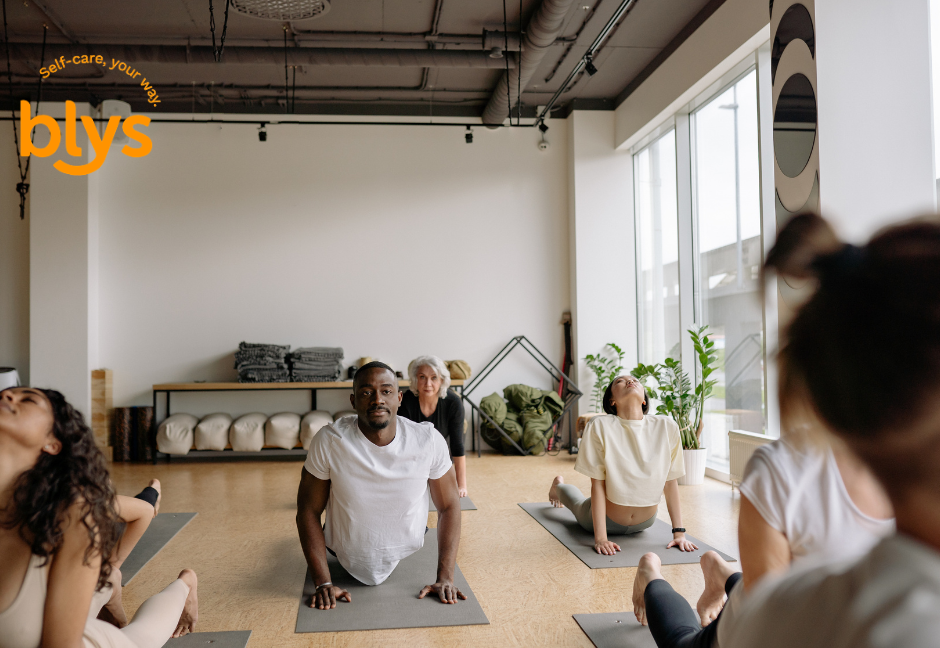
- Subsidise low-barrier classes with levels: Yoga or pilates can work well when there are beginner options, clear modifications, and multiple time slots.
- Make inclusivity non-negotiable: Offer alternatives for injuries, pregnancy, disability, chronic pain, and low fitness confidence. If you have shift workers, rotate times or run two windows so access is realistic.
- Keep it simple to join: Short sessions, clear instructions, and no special gear remove friction and improve repeat participation.
What to measure is straightforward: repeat participation (the strongest signal that it is genuinely useful) and a simple energy check, such as I have enough energy to get through my workday, tracked over time in your workplace wellbeing programs.
Idea 6: Team Connection That Lowers Stress
Connection supports wellbeing when it is calm, optional, and low-pressure. The goal is not forced fun. It is small habits that reduce isolation and help people switch off. Social connection is widely recognised as important for mental health, which is why it belongs in workplace wellness programs when done well
One practical option is a “finish on time” rule for one day a week, paired with a 10-minute wrap-up ritual. Keep it focused on handovers, top priorities, and what can wait. This sets a shared boundary and reduces after-hours spillover. Another easy win is a monthly lunch-and-learn on a useful topic like sleep basics, posture, or stress skills, kept short and optional.
For something lighter, offer small-group interest sessions with tiny budgets, such as a book club, craft table, or walking group. Keep it employee-led by giving a shortlist and letting teams choose.
How To Choose The Right Mix For Your Workplace
Use this as a quick way to pick corporate wellness ideas that suit your team, instead of trying to run everything at once. Start by matching the mix to your main problem, then adjust for your constraints.
| Start here | If this is your main issue | Do this first | Add this next |
| Match by problem | High stress and body tension | Onsite chair massage days | Short guided resets or mobility sessions |
| Match by problem | High fatigue and long hours | Recovery time rules (meeting-light blocks, admin hour) | A monthly massage day during peak periods |
| Match by problem | Low connection and change fatigue | Low-pressure team rituals (finish-on-time rule, wrap-up) | Optional lunch-and-learn or small-group sessions |
| Match by constraints | Hybrid workforce | Remote-friendly access (mobile massage allowance) | One onsite day for HQ when possible |
| Match by constraints | Shift-based roles | Short sessions and multiple time windows | Rostered blocks plus optional sessions |
Then build a simple 90-day plan: one quick win to lift uptake fast, one structural change that protects recovery, and one optional session that supports habits. Keep the first cycle small, measure what gets used, and scale only what your employees repeat.
Rollout Plan That Prevents “We Tried Wellness And It Didn’t Work”
Most workplace wellbeing programs fail because they launch too big, measure too little, and keep going even when uptake is low. This rollout keeps it simple, so you can learn fast and only scale what employees actually use.
- Pulse check (3 questions): Ask what stresses people most, what support would help this month, and what blocks participation (time, booking, privacy, schedule).
- Pilot for 4 weeks: Run it with one team or site first. Keep it to one or two corporate wellness ideas so the test is clear.
- Define success early: Track uptake plus one wellbeing item, such as ‘I feel supported to manage stress at work.’ Review weekly.
- Scale or stop: Keep what people repeat, tweak what is close, and drop what adds effort without value.
Close the loop by sharing what you heard and what you changed. That alone boosts trust and improves participation in your next round of workplace wellbeing programs.
Wrapping Up
The best corporate wellness ideas are not the flashiest perks. They are the ones that give practical relief and create repeatable habits, so employees feel supported during real work weeks. If your workplace wellbeing programs have felt hit-and-miss in the past, treat this as a reset. Pick one idea that removes friction, one change that protects recovery time, and one optional session that helps people recharge.
When you want an intuitive place to start, corporate massage is a proven, high-uptake option because employees can feel the difference straight away. Book your next onsite session or build a simple ongoing plan through Blys corporate wellness.
Keep the first step small. Conduct a brief pilot with one team for four weeks, assess uptake and a single wellbeing indicator, and then expand only what your employees genuinely utilise.