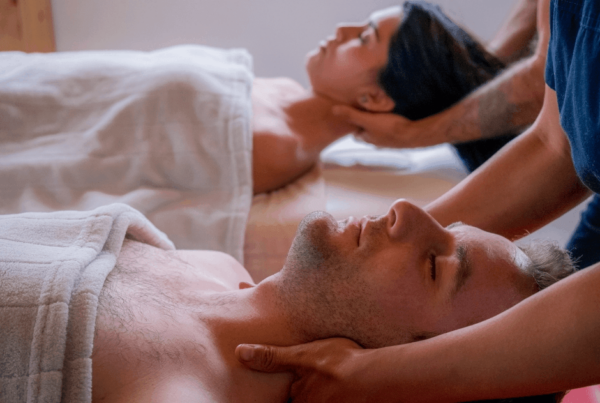
Swedish massage vs deep tissue massage is the first fork almost everyone hits when booking their first session. Both are hands-on techniques built to ease tension, but they work in different ways and aim at different outcomes. Swedish massage is built for relaxation. Deep tissue massage is built to treat something specific. This guide breaks down how each one works, what a session actually feels like, and how to know which one your body needs right now.
What Is Swedish Massage?
Swedish massage is the classic, full-body relaxation treatment most people picture when they think of a massage. Your therapist uses long, gliding strokes that move in the direction of blood flow back to the heart, combined with light to moderate pressure that suits sensitive skin and first-time clients. Those flowing strokes do more than feel good. They stimulate your lymphatic system, which helps your body flush out toxins and ease mild swelling, while the slow, repetitive rhythm calms your nervous system, lowers cortisol, and slows your heart rate. That combination is why Swedish massage works so well for everyday tension, like tight shoulders from a desk job, without leaving you sore afterwards. It’s a full head-to-toe treatment, so you leave feeling lighter and calmer rather than worked on.
Benefits of Swedish Massage
Beyond the relaxing feeling you get during a session, Swedish massage has real, measurable effects on your body. Here’s what’s actually happening beneath the surface.
Improves Circulation and Blood Flow
The long, gliding strokes used in Swedish massage move in the direction of blood flow back to the heart, which helps boost circulation to your muscles and skin. Better circulation means more oxygen and nutrients reaching your tissues, which is part of why you leave a session feeling noticeably lighter.
Supports Lymphatic Drainage and Detox
Swedish massage stimulates your lymphatic system alongside your circulatory system, helping your body clear out toxins and ease mild swelling. It’s a good option if you tend to feel sluggish or puffy and want a gentle reset rather than an intense treatment.
Calms the Nervous System and Lowers Stress
The slow, rhythmic pressure used in Swedish massage activates your parasympathetic nervous system, the part of your body responsible for rest and recovery. According to Mayo Clinic, massage therapy can help reduce stress, pain, and muscle tension, which lines up with why Swedish massage in particular is so often used for anxiety and everyday overwhelm.
Eases Everyday Muscle Tension and Fatigue
Swedish massage works well for the kind of tightness that builds up from sitting at a desk or carrying stress in your shoulders. It doesn’t reach deep into chronic tension the way deep tissue massage does, but for everyday aches, it’s often enough on its own.
Promotes Better Sleep and Full-Body Relaxation
Because Swedish massage is a full head-to-toe treatment, it leaves your entire body in a calmer state, not just the areas your therapist worked on directly. Many people find that a Swedish massage session in the evening leads to noticeably better sleep that night.
What Is Deep Tissue Massage?
Deep tissue massage works through the deeper layers of muscle and connective tissue using slow, firm pressure instead of light gliding strokes. Your therapist applies sustained pressure through their fingers, knuckles, or elbows to reach chronic tension that a lighter touch can’t access, breaking up adhesions and long-standing knots. Unlike Swedish massage, the goal here isn’t relaxation first; it’s treatment. That means sessions can feel more intense in the moment, and some soreness in the 24 to 48 hours afterwards is normal, especially in areas that have been tight for a while. Communicating your pressure preference throughout the session keeps that intensity productive instead of overwhelming.
Benefits of Deep Tissue Massage
Deep tissue massage uses sustained, targeted pressure to work through muscle fibers that have bound together over time, commonly known as knots. This is something Swedish massage’s lighter strokes typically can’t reach.
Breaks Up Muscle Knots and Adhesions
Deep tissue massage uses sustained, targeted pressure to work through muscle fibers that have bound together over time, commonly known as knots. This is something Swedish massage’s lighter strokes typically can’t reach.
Relieves Chronic Pain and Stiffness
Deep tissue massage is often the more effective option for pain that’s been sticking around for weeks or months, rather than a passing ache. The firm pressure works into the layers where chronic tension actually lives.
Improves Mobility and Range of Motion
By releasing tight fascia and muscle fibers, deep tissue massage can help restore movement in areas that have felt restricted, whether from an old injury or long-term postural strain. This is part of why it’s a common recommendation for people recovering from physical setbacks.
Supports Posture and Injury Recovery
Deep tissue massage helps lengthen and reset muscles that have tightened from poor posture or repetitive strain, particularly around the neck, shoulders, and hips. It’s also frequently used to support recovery once an old injury flares up.
May Help Lower Blood Pressure
A study published on PubMed found that deep tissue massage was associated with measurable reductions in both systolic and diastolic blood pressure, along with a notable drop in heart rate. That’s a meaningful benefit for anyone managing stress-related tension alongside cardiovascular health.

Swedish Massage vs Deep Tissue: The Key Differences
| Category | Swedish Massage | Deep Tissue Massage |
| Pressure | Light to moderate | Firm to very firm |
| Best For | Relaxation, stress, first-timers | Chronic pain, tension, old injuries |
| Session Feel | Calming, flowing strokes | Concentrated, targeted pressure |
| After-Effects | Calm, refreshed, no soreness | Possible soreness for 24-48 hours |
Once you know what each treatment is, the details are what actually help you decide. Here’s how Swedish massage and deep tissue massage compare once you’re on the table.
1. Techniques and Tools Used
Swedish massage relies on long, gliding strokes performed with your therapist’s hands, moving in the direction of blood flow back to the heart. Deep tissue massage uses the same basic toolkit, hands, knuckles, forearms, and elbows, but applies them with slow, sustained pressure aimed at specific problem areas instead of broad, flowing coverage.
2. Pressure and Intensity Levels
Swedish massage stays in the light to moderate range throughout, built to feel soothing rather than intense. Deep tissue massage runs from firm to very firm, concentrated on the areas holding the most tension. If you’re unsure which pressure level suits you, start lighter. Your therapist can always work deeper once they know how your body responds.
3. Session Duration and Structure
Swedish massage and deep tissue massage run on the same session lengths and pricing through Blys: 60 minutes for $129, 75 minutes for $161.50, 90 minutes for $184, or 120 minutes for $239. Since both fall into the same pricing tier, the choice between them comes down to what your body needs, not what either one costs.
4. Purpose and Outcome
Swedish massage is built around relaxation, stress reduction, and full-body well-being. Deep tissue massage is treatment-focused, aimed at resolving specific muscle dysfunction, chronic tension, or injury recovery. That line isn’t always rigid. A good Swedish session can still ease muscle tension, and deep tissue work can bring on genuine relaxation once the initial intensity settles.
5. What You’ll Feel During the Session
During a Swedish massage, you’ll feel steady, flowing pressure that stays comfortable from start to finish, often relaxing enough that people drift off partway through. During a deep tissue massage, you’ll feel more concentrated pressure on specific areas, which can bring a “hurts so good” sensation as your therapist works into a tight spot. That intensity should never tip into sharp pain, speak up if it does.
6. Recovery and After-Effects
Swedish massage rarely leaves you sore, most people leave feeling calm and refreshed with no recovery period needed. Deep tissue massage can leave you tender for 24 to 48 hours, particularly in areas that were especially tight. Research has linked deep tissue work to measurable improvements in pain, muscle function, and even blood pressure, which is part of why that short recovery window is worth it for people managing chronic tension.
How to Choose the Right Massage for You
The easiest way to decide between Swedish and deep tissue massage is to think about what you actually want from the session, relaxation or relief.
Choose Swedish massage for relaxation and general tension
Swedish massage is the right call if you want a gentler treatment that helps your whole body unwind. It suits people managing everyday stress, mild muscle tension, or a busy week that’s caught up with them, rather than one specific problem area. It may be right for you if you’re new to massage and want a softer starting point, if your main goal is relaxation or better sleep, if you’re sensitive to firmer pressure, or if you simply want a full-body treatment that feels restorative rather than corrective.
Choose deep tissue massage for stubborn tightness and focused work
Deep tissue massage is the better choice when your body needs more than a gentle reset. It works well for persistent pain or stiffness in areas like your neck, shoulders, or lower back that stay tight no matter what you try. It’s also worth booking if you sit at a desk for long hours and carry postural strain, if an old injury keeps flaring up and limiting your range of motion, or if you’ve already tried a Swedish massage and it left you calm but didn’t touch the deeper tightness. If light pressure hasn’t worked, deep tissue is usually the next step.
Think about your goals, comfort, and current condition
There’s no universal right answer here, only the one that matches what your body needs today. Swedish massage makes sense when you want to slow down and ease general tension. Deep tissue massage makes more sense when you’re dealing with a specific tight spot, physical strain, or discomfort that needs focused attention. Many people move between the two depending on the week, deep tissue during a stretch of heavy training or long hours, Swedish when the goal shifts to rest and recovery.
Can You Combine Swedish and Deep Tissue in One Session?
Yes, and it’s a common request once people know a swedish massage vs deep tissue massage session doesn’t have to be either-or. Many clients start with Swedish strokes to warm up the muscles and calm the nervous system, then shift into firmer deep tissue work once the tissue is more responsive. That combination gives you the relaxation benefits of Swedish massage alongside the targeted relief of deep tissue, in a single booking. If you want to try this, mention it when you book through Blys so your therapist can plan the session around both techniques instead of choosing one or the other for you.
Swedish vs. Deep Tissue for Back Pain
Back pain is one of the most common reasons people end up choosing between Swedish massage vs deep tissue massage, and the right pick depends on where the pain is coming from. Stress-related tension in your back usually responds well to Swedish massage’s lighter pressure and calming effect. Pain from muscle strain, poor posture, or a specific tight spot usually needs the targeted pressure that deep tissue massage provides. If you’re not sure which category your back pain falls into, deep tissue is generally the safer default for anything beyond mild, stress-driven tightness.
Swedish vs. Deep Tissue for Stress, Anxiety and Sleep
If stress, anxiety, or poor sleep are what’s driving you to book a massage, Swedish massage is the stronger choice. Its slow, repetitive strokes calm your nervous system, lower cortisol, and slow your heart rate more effectively than firmer techniques, which is exactly why it’s associated with better sleep and a lasting sense of calm after a session. Deep tissue massage can still support stress relief, especially if tension has settled physically into your shoulders and neck, but its main strength is muscle recovery, not nervous system calm. If sleep and relaxation are the goal, Swedish massage should be your starting point.
Swedish vs. Deep Tissue for Chronic Pain and Muscle Knots
Chronic pain and stubborn muscle knots call for deep tissue massage, not Swedish. Knots form when muscle fibers stay contracted and bind together, and untangling that takes sustained, targeted pressure that a lighter touch simply can’t reach. Swedish massage can still play a supporting role, since its calming effect helps the surrounding muscles relax before deeper work begins, but on its own it won’t resolve tension that’s been building for weeks or months. For chronic knots specifically, deep tissue is the technique built to break them up rather than just soothe around them.
Swedish vs. Deep Tissue for Athletes and Sports Recovery
Athletes and anyone training regularly usually get more out of a deep tissue massage. It works into the muscle fibers that tighten under repeated strain, helps clear tension that builds up after intense sessions, and supports the flexibility and range of motion that keeps performance consistent. Swedish massage still has a place in an athlete’s routine, particularly during lighter training weeks or the day before an event, when the goal shifts from working out tightness to calming an overstimulated nervous system. Many active people rotate between the two, deep tissue during heavier training blocks, Swedish when the focus turns to rest.
How Much Do These Massages Cost?
When you’re weighing swedish massage vs deep tissue massage by price, the good news is they’re priced the same through Blys, starting at $129 for 60 minutes and scaling up to $161.50 for 75 minutes, $184 for 90 minutes, or $239 for 120 minutes. Since neither technique costs more than the other, your decision comes down entirely to what your body needs rather than budget. For the full breakdown by session length, visit our pricing page, or read our deep tissue massage cost guide for a closer look at what affects deep tissue pricing specifically.
What to Expect if you book a Session Through Blys
Whether you book a Swedish massage or a deep tissue massage through Blys, your therapist comes to you, at home, in a hotel, or at your workplace, so there’s no commute before or after. At the start of your session, your therapist checks in about any areas of tension, injuries, or health conditions worth knowing about. This is your moment to confirm whether you want lighter or firmer pressure and flag anything you’d rather they avoid. Speaking up during the session matters just as much. A good therapist adjusts pressure in real time based on your feedback rather than sticking to one intensity throughout. Therapists on Blys are local, professional, and insured, so you can settle in and focus on the treatment rather than the logistics.
Frequently Asked Questions
Which should I choose, Swedish or deep tissue massage?
The Swedish Massage vs Deep Tissue Massage choice comes down to this: choose Swedish massage if you want relaxation, stress relief, or a gentler full-body treatment. Choose deep tissue massage if you’re dealing with a specific area of chronic tightness, pain, or tension that lighter pressure hasn’t resolved.
Does deep tissue massage cause soreness?
It can. Some soreness for 24 to 48 hours afterwards is normal, especially if an area has been tight for a while. This usually settles on its own and often comes with noticeably improved mobility once it passes.
How often should I get a massage?
For general relaxation, once a month is a good baseline. If you’re managing chronic pain or ongoing muscle tension, more frequent deep tissue sessions, closer to every one to two weeks, tend to bring better results until symptoms ease.
Is deep tissue massage more painful than Swedish massage?
Yes, generally. Deep tissue massage uses firmer, more concentrated pressure, which can feel intense, especially over tight areas, while Swedish massage stays light to moderate throughout and rarely causes discomfort. Neither should ever cross into sharp pain, if it does, tell your therapist, and they’ll adjust.
Can I get a Swedish or deep tissue massage while pregnant?
Speak with your doctor before booking either treatment while pregnant. Many therapists recommend a specialized prenatal massage instead, since certain pressure points and techniques used in standard Swedish or deep tissue sessions aren’t suited to pregnancy.
Final Thoughts: Which Massage Should You Choose?
The Swedish massage vs deep tissue massage decision comes down to what your body is asking for right now. If you want to relax, slow down, and ease general tension, Swedish massage is usually the better fit. If you’re dealing with stubborn tightness, chronic pain, or a specific area that needs focused work, deep tissue massage will likely give you more relief. You don’t have to pick permanently either. Many people move between the two depending on the week, and you can even combine both in a single session if that’s what your body needs.
Either way, you can book a Swedish massage or book a deep tissue massage through the Blys app or website, with same-day or advance bookings available seven days a week from 6 am to midnight, wherever you need it: home, hotel, or workplace.
If you’re a massage therapist and want to bring Swedish or deep tissue massage to clients in your area, you can register as a provider on Blys and start accepting bookings on your own schedule.