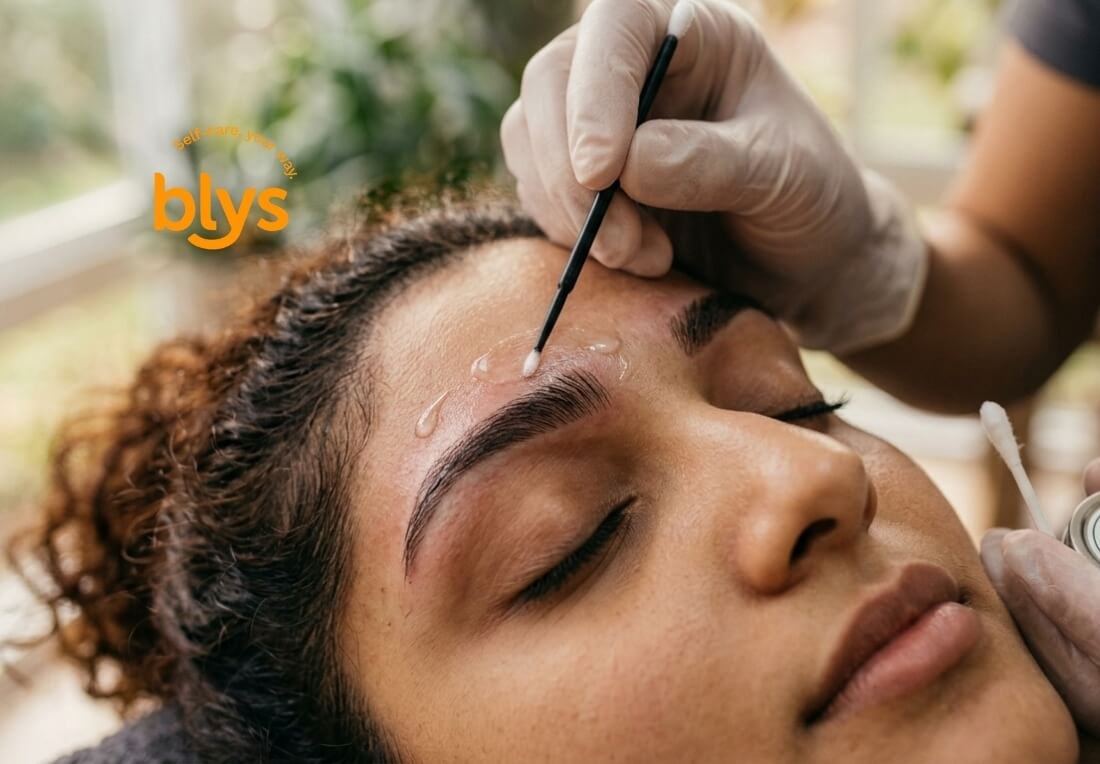
You just got your brows microbladed, your lips blush tattooed, or your liner done, and now you’re at home Googling “is this normal” at 11pm. Welcome to the cosmetic tattoo aftercare experience. Almost everything you’re looking at right now is normal, and almost everything that looks alarming in the first two weeks is part of the process rather than evidence that something went wrong.
This is the full cosmetic tattoo healing timeline, covering microblading aftercare, lip blush aftercare, and everything in between, what to expect each day, what’s actually fine, what isn’t, and when to rebook.
Days 1-3: The Fresh Stage
The first three days are when your cosmetic tattoo and microblading healing stages look their most dramatic and its worst in close succession, sometimes within the same hour. Right after the procedure, the color is vivid, the area is slightly swollen, and there may be some redness around the treated skin. This is normal. By day two or three, the area starts to look darker and more intense than the final result will be, also normal, and the part that sends most people back to Google.
What’s Happening to the Skin
During a cosmetic tattoo procedure, the pigment is deposited into the upper layers of the skin, and the skin is responding by swelling slightly and producing lymphatic fluid, which is the clear or slightly yellow fluid that may weep from the area in the first 24 hours. This fluid contains pigment, which is why blotting it gently with a clean tissue produces what looks like an alarming amount of color on the tissue. The pigment isn’t leaving, the fluid is just carrying the excess.
What to Do
- Keep the area dry for the first 24 hours.
- Blot gently if fluid weeps, don’t wipe or rub.
- Sleep on a clean pillowcase, ideally a fresh one each night for the first week.
- Don’t touch the area with unwashed hands, and tell everyone around you the same.
- Avoid sweating heavily, so intense exercise, saunas, and steam rooms are off the list.
The urge to moisturize immediately is understandable but resist it for the first 24 hours unless your artist has specifically told you to apply an aftercare balm right away. The same principle applies to lash and brow aftercare, where the first 24 to 48 hours are the most critical window. Different artists use different protocols, follow yours over this guide where they conflict.
Days 4-7: The Peeling Stage
This is the week most people find hardest, because the skin starts to peel and it looks like the color is coming off with it. It is, in a sense, the surface layer of skin that was tattooed is shedding, taking the darkest layer of pigment with it. What’s underneath is lighter, sometimes noticeably so, which can feel alarming if you’re not expecting it.
What Peeling Actually Means
Peeling is the skin healing correctly. The flakes contain the superficial pigment, and underneath them is the pigment that has settled into the deeper skin layer, the layer that will be the final result. The color you see during the peeling stage is not the final color. The color you see after the peeling has finished and the skin has settled (usually around week four) is.
The most important rule of the peeling stage: don’t pick. Peeling flakes that are removed before they’re ready to come off take pigment with them unevenly, which creates patchy healed results. The flakes will come off on their own. Leave them.
What to Do
- Continue keeping the area away from water during washing, use a damp cloth around the area rather than letting it sit under running water.
- Apply the aftercare balm your artist recommended in a thin layer, two to three times a day.
- Don’t apply makeup to the treated area until peeling has finished, and avoid mobile tinting treatments on or near the treated area during healing.
- Avoid sun exposure, UV light breaks down pigment and is one of the most consistent reasons healed results look lighter than expected.
- Don’t pick, scratch, or rub, even when it itches (and it will itch).
Days 8-14: The Ghost Stage
By week two, most of the peeling has finished and the color looks lighter than you wanted. Sometimes lighter enough that you’ll be convinced the pigment didn’t take and the whole thing needs to be redone. This is called the ghost stage, and it’s the most misunderstood part of cosmetic tattoo healing.
Why the Color Looks Faded
The skin that was peeling is now replaced by a fresh layer of skin that sits over the pigment. That new skin layer creates a milky, slightly opaque appearance over the color underneath, making it look washed out or faded. Over the following two to four weeks, as that skin layer normalizes, the color gradually appears through it and the final result becomes visible.
Most people who think their microblading didn’t take are in the ghost stage. The pigment is there. The skin is just doing what skin does after it heals.
What to Do
- Keep using SPF over the healed area every day, this is a permanent habit for cosmetic tattoo longevity, not just a healing-phase instruction.
- Avoid exfoliating the area, AHAs, BHAs, retinol, and physical scrubs all break down pigment faster.
- You can return to normal skincare around the treated area, but keep actives away from the tattooed skin itself.
- Book your touch-up appointment if you haven’t already, most artists recommend a touch-up at four to six weeks, and this is the stage where you’ll be able to see what needs adjusting.
What’s Normal vs What’s Not
Most of what happens during cosmetic tattoo healing is normal, and most of the anxiety around it comes from not knowing what to expect. Here’s the honest breakdown.
Normal:
- Swelling and redness is there for the first 24 to 48 hours.
- Color looks darker and more intense than expected for the first week.
- Peeling, flaking, and itching is consistent from days four to ten.
- Color looks noticeably lighter after peeling finishes.
- Asymmetry is there during healing, the two sides often heal at slightly different rates.
- Some areas of color look patchy or uneven in the ghost stage.
Not normal, contact your artist:
- Swelling that increases rather than reducing after 48 hours.
- Discharge that’s cloudy, yellow, or smells unusual.
- Pain that’s worsening rather than reducing.
- A rash or hives develop around the treated area.
- Raised, bumpy, or thickened skin persists beyond the peeling stage.
An allergic reaction to pigment is rare but possible, and it typically presents as a raised, itchy rash around the treated area rather than just general redness. If this happens, contact your artist and see a General Practitioner rather than waiting to see if it resolves. Most cosmetic tattoo complications are manageable when caught early and much harder to manage when ignored for two weeks.
When to Book a Touch-Up
The touch-up is not optional, it’s part of the treatment, in the same way that lash and brow treatments include a maintenance cycle rather than a single appointment. Cosmetic tattoos heal differently in different areas of the face, and a touch-up at four to six weeks allows the artist to assess what the skin retained, fill in any areas that healed lighter or patchier than intended, and adjust the shape or color if needed.
Most people leave their touch-up looking much better than their healed first appointment, because the artist can see exactly what the skin did and correct for it. Skipping the touch-up because the first result looks fine is like leaving a painting half finished because the undercoat looks okay.
Booking through Blys means your cosmetic tattoo artist comes to you, everything included. Set a reminder for four weeks after your first session for the touch-up, so you’re not scrambling for a slot at week six when all the good ones are gone.
The healing process is doing exactly what it’s supposed to do, even when it doesn’t look like it. Book your cosmetic tattoo appointment at home through Blys, available 7 days a week, 6 am to midnight across the US.