If you’ve been living with back pain, tight muscles, or the nagging ache of sciatica, you’ve probably already tried the usual suspects: stretching, heat packs, maybe a round of physical therapy. Hot stone massage doesn’t replace any of that, but for the right kind of pain, it does something those other approaches can’t quite match. The heat gets into muscle tissue in a way hands alone don’t, and that changes what’s possible during the session itself. If you want the full picture of how hot stone massage works before you book, that’s worth a read first. This guide focuses specifically on back pain, sciatica, arthritis, and fibromyalgia, when hot stone massage genuinely helps, and when it’s better to hold off.
How Hot Stone Massage Helps Back Pain
Back pain is one of the most common reasons people book massage therapy, and hot stone massage holds up well here, with a few real nuances worth knowing before you book.
Heated basalt stones, held between key points along the spine and shoulders, work directly into the muscle groups that tend to seize up under stress or bad posture: the erector spinae running along your spine, the trapezius across your upper back, and the muscles low in your back that carry the brunt of long hours sitting. The heat relaxes these muscles faster and more thoroughly than hands alone, which lets your therapist work deeper into a knot without needing to push as hard to get there.
A study published on PubMed backs this up directly, finding that applying heat to sore muscles reduces pain intensity and speeds up recovery time. The American Massage Therapy Association adds that massage therapy more broadly lowers stress hormones and eases lower back pain, and the combination of the two, heat plus hands-on work, tends to outperform either one alone.
Muscular Tension Or Structural Pain? Here’s How To Tell The Difference
Not all back pain responds to heat the same way, and knowing which kind you’re dealing with matters more than knowing the name of the condition itself.
If your pain comes from tight muscles, bad posture, or too many hours at a desk, hot stone massage is a strong fit. The heat softens that tissue and gives your therapist room to work without discomfort, and a lot of people find the relief lasts longer than what a standard massage delivers, since the warmth lets the therapist go deeper without you tensing up against the pressure.
If your pain is tied to a recent injury, active inflammation, a herniated disc, or spinal stenosis, heat can actually make things worse instead of better. Warmth increases blood flow to the area, which is exactly what you don’t want when tissue is already inflamed or a nerve is under pressure. Pain that feels sharp, sudden, or comes with numbness or weakness down your leg is a sign to see a doctor or physical therapist first, not a sign to book a massage and hope for the best.
| Type of back pain | Is hot stone massage a good fit? | Best next step |
| Muscle tightness or postural strain | Usually yes | Book a session, tell your therapist where it’s tightest |
| Recent injury or active inflammation | Not usually | Get medical advice first |
| Herniated disc or nerve pain | Use caution | See a doctor or physical therapist first |
| Spinal stenosis or another structural issue | Not ideal | Get a proper assessment before booking |
When the cause of your pain is unclear or it’s getting worse rather than better, get it checked before booking anything. Massage works best as part of the right plan, not as a first guess.
Can Hot Stone Massage Help With Sciatica?
Sciatica is a step more complicated than general back tension, since it involves the sciatic nerve itself getting irritated or compressed, usually from a slipped disc, spinal stenosis, or a back injury. Whether hot stone massage helps really comes down to what’s causing the compression in the first place, not just the name of the condition. Our dedicated look at hot stone massage and sciatica goes deeper into this if sciatica is your main concern, but the short version follows below.
If tight muscles around your lower back, glutes, or hips are adding pressure onto the nerve, hot stone massage can genuinely help by relaxing that surrounding tissue and easing the guarding that makes everything feel more restricted than it needs to be. Heat also tends to help with ongoing sciatica pain once the first few days have passed, which is why some people with mild, heat-responsive symptoms find real relief here.
Where it won’t help is when a structural issue, a herniated disc or spinal narrowing, is doing the compressing. In that case, the massage might ease the muscles around the area, but it isn’t going to fix the actual nerve compression underneath. If you’re noticing numbness, weakness, or pain that keeps traveling further down your leg, get assessed before relying on massage to sort it out.
What About Arthritis And Fibromyalgia?
Hot stone massage isn’t limited to back pain and sciatica. It can offer real relief for arthritis and fibromyalgia too, though both need a gentler, more careful approach than a typical deep pressure session.
Arthritis
For osteoarthritis affecting the back, hips, or hands, hot stone massage can ease stiffness and make movement feel noticeably easier for a while afterward, which is especially useful first thing in the morning or during colder weather when joints tend to feel more locked up. It tends to work best when the main issue is stiffness and tight surrounding muscle rather than sharp, active inflammation.
Rheumatoid arthritis calls for more caution. During an active flare, heat can make inflammation worse rather than better, so it’s best avoided until things settle. Outside of a flare, a gentler session with moderate heat may still work, but check with your rheumatologist first and make sure your therapist knows about your condition before you start.
Fibromyalgia
Fibromyalgia comes with widespread pain and heightened sensitivity, which can make even light touch feel like a lot. That’s actually where hot stone massage has an edge over deep tissue work, since the heat itself does much of the therapeutic work, meaning your therapist doesn’t need heavy pressure to get a meaningful result. Research through NCBI has found massage therapy can reduce pain and improve sleep quality for people with fibromyalgia, and the lighter, heat-driven approach tends to be better tolerated than firmer techniques.
If you’re booking with fibromyalgia in mind, look for a therapist experienced with the condition and start with a shorter session, building up gradually rather than going all in on the first try.
Hot Stone Massage For General Muscle Tension
Even without a specific condition behind it, hot stone massage is genuinely effective for the ordinary tension that builds up from stress, long hours at a desk, or just carrying tightness in your body day after day. The full range of benefits goes well beyond back pain, but the short version is that regular sessions can help break the cycle where tight muscles cause pain, and that pain causes more tension, since the deep heat reaches the connective tissue surrounding your muscles, which is often exactly where that lingering tightness lives.
If you find standard deep tissue work too intense or you tend to brace against firm pressure, hot stone massage gets you to a similar result through a gentler route, since the heat is doing a lot of the softening before your therapist’s hands need to do the rest.
When Hot Stone Massage May Not Be Right For You
Hot stone massage is safe and well tolerated for most people, but there are situations where it’s better to skip it. Avoid it if you have open wounds, sunburn, or a skin condition in the treatment area, if you’re pregnant and your therapist isn’t specifically trained in prenatal massage, if you have a condition affecting sensation like neuropathy, or if you’re prone to blood clots. If you have a cardiovascular condition, check with your doctor first, since the heat causes blood vessels to dilate and can raise your heart rate slightly.
If your pain is sudden, sharp, or comes with numbness or weakness, see a medical professional before booking. Massage works best as part of a broader plan for pain that’s already been checked out, not as the first thing you try when something feels wrong.
What A Session Looks Like
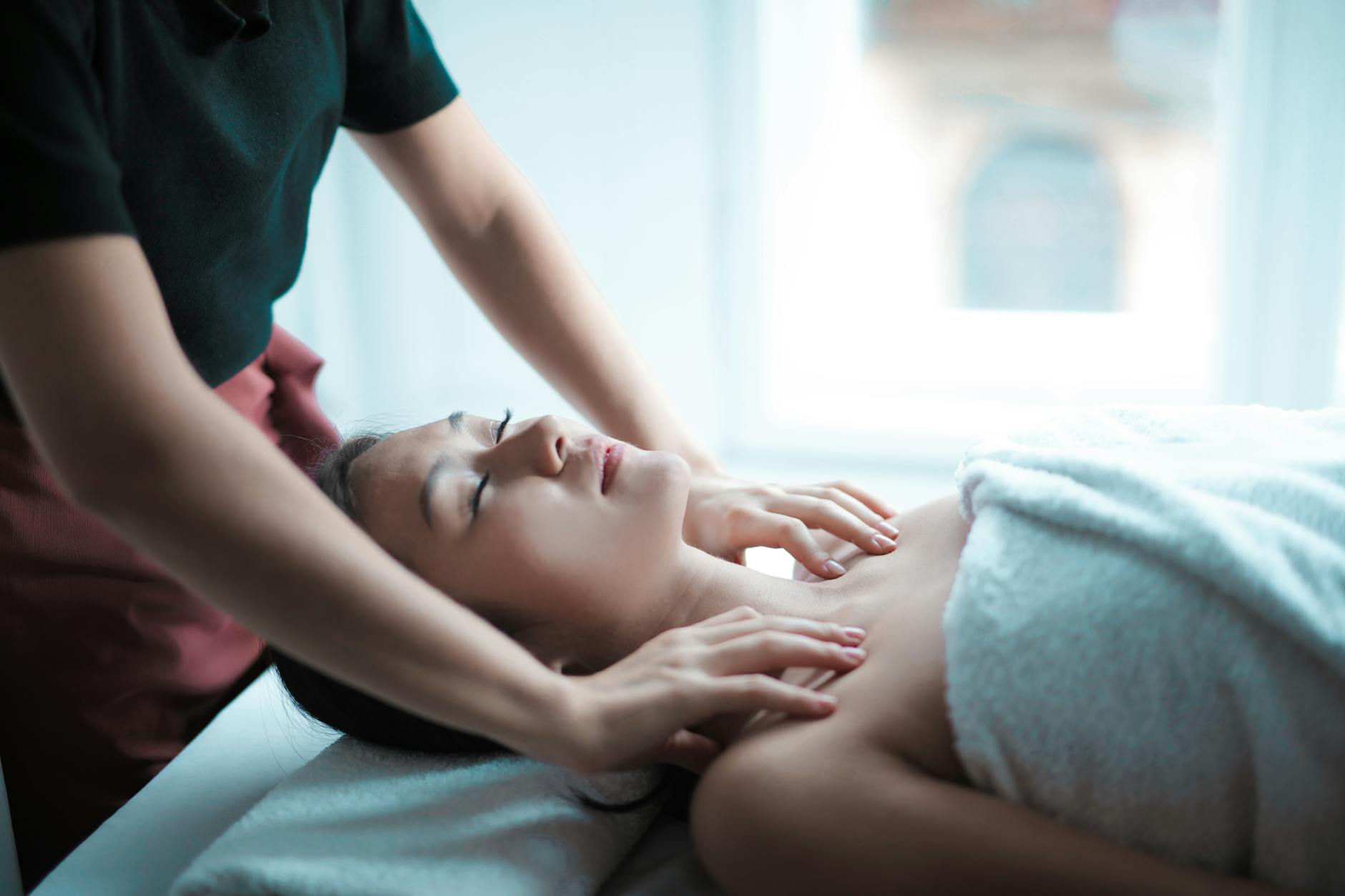
A typical hot stone session for back pain starts with your therapist asking about your symptoms, medical history, and where exactly the pain sits. Heated stones then get placed along key areas like your lower spine and shoulders, and your therapist works them into the muscle with gentle, gliding strokes that build in intensity as the tissue warms and loosens. Most sessions run 60 to 90 minutes depending on how much needs addressing, and drinking water and light stretching afterward help extend the relief a bit longer.
How Often Should You Book For Back Pain Relief
How often you should book depends on what you’re managing. For general tension or occasional tightness, once a month is usually enough to keep things from building back up. For chronic lower back pain or ongoing sciatica symptoms, something closer to every one to two weeks tends to work better while the underlying tightness settles, and you can space sessions out further once you notice things holding steady between appointments. Fibromyalgia often responds best to shorter, more frequent sessions rather than one long one, since a lighter, more regular touch tends to be better tolerated than a single intense treatment every few weeks.
Does It Work Alongside Physical Therapy Or Chiropractic Care
Hot stone massage isn’t a replacement for physical therapy or chiropractic care when a structural issue is actually driving your pain, but it works well alongside either. Physical therapy builds strength and corrects the movement patterns that caused the problem in the first place, and chiropractic care addresses alignment directly, while hot stone massage handles the muscle tension that builds up around both of those efforts. A lot of people find the combination gets them further than any one approach alone, particularly when muscle guarding is making it harder to do the exercises a physical therapist has prescribed.
Booking Hot Stone Massage For Back Pain
You don’t need to find your way to a spa to get any of this. A hot stone massage session through Blys brings a trusted therapist to your home, office, or wherever suits you, with everything they need already in hand. Tell them about your back pain, sciatica, or any other condition during the consultation, so the session gets built around what your body actually needs rather than a generic routine.
If you’re deciding between this and a firmer option, our comparison of hot stone versus deep tissue for back pain breaks down which one fits your specific situation better.
The tightness that’s been building in your lower back for weeks isn’t going anywhere on its own, and neither is the sciatica flare-up you’ve been managing with heat packs and hoping for the best.
Frequently Asked Questions
How soon will I feel relief from hot stone massage for back pain?
Most people notice looser muscles and less tension immediately after the session, though the deeper effect on chronic pain tends to build over several sessions rather than showing up all at once.
Can hot stone massage replace physical therapy for back pain?
No. It works well alongside physical therapy by easing the muscle tension that builds up around an injury, but it doesn’t correct the underlying movement or strength issue a physical therapist is treating.
Is hot stone massage covered by insurance or FSA?
Coverage varies by provider and plan, and insurance is more likely to reimburse massage therapy when a doctor prescribes it as part of a treatment plan rather than booked independently, so it’s worth checking directly with your insurer or FSA administrator before assuming either way.
Will hot stone massage help a herniated disc?
Not directly. The heat can ease the muscle tension surrounding the area, but it won’t resolve the disc issue itself, and a herniated disc should be assessed by a doctor or physical therapist before you book any massage.