Liposuction removes fat, but it also disrupts something most people never think about going in: the lymphatic system running through the treated area. That disruption is exactly why swelling, bruising, and fluid retention show up in the weeks that follow, and why lymphatic drainage massage has become one of the most recommended parts of liposuction aftercare. This guide walks through why recovery matters as much as the procedure itself, what lymphatic drainage massage actually does, when to start, how often to book, and how to find a therapist who knows what they’re doing with post-surgical tissue.
Why Is Recovery Crucial For Optimal Results After Liposuction?
Recovery is where your actual results take shape. The surgery removes fat, but the smooth, even contour you’re hoping to see only shows up once the swelling settles and your body clears the fluid it’s holding onto in the meantime. Rushing this part or ignoring aftercare instructions can leave you with uneven results, prolonged tightness, or complications that take far longer to resolve than the recovery itself would have.
| Recovery Factor | Why It Matters |
| Rest and limited activity | Gives your tissue room to heal without added strain |
| Wearing compression garments | Supports swelling control and helps skin adapt to its new contour |
| Staying hydrated | Supports your lymphatic system’s ability to clear fluid |
| Lymphatic drainage massage | Actively helps move the fluid your body struggles to clear on its own |
| Following surgeon check-ins | Catches complications early, before they become bigger problems |
What Is Lymphatic Drainage Massage (LDM), And Why Is It Essential For Post-Liposuction Therapy?
Lymphatic drainage massage is a specialized therapeutic technique designed to stimulate the lymphatic system, the network responsible for clearing waste and excess fluid from your tissue. Unlike a traditional massage, it works with light, rhythmic strokes rather than deep pressure, encouraging fluid toward the lymph nodes that filter it out naturally.
According to the Cleveland Clinic, this gentle approach makes lymphatic drainage massage particularly well suited to post-surgical recovery, where tissue is still healing and firmer techniques could do more harm than good.
| What LDM Targets | How It Helps |
| Trapped fluid and swelling | Encourages drainage toward the lymph nodes |
| Bruising | Supports faster clearance of pooled blood under the skin |
| Fibrosis risk | Reduces the chance of fluid hardening into scar tissue |
| Circulation | Improves oxygen and nutrient delivery to healing tissue |
How Does LDM Help Reduce Swelling, Prevent Complications, And Enhance Final Results?
By gently encouraging lymph flow, lymphatic drainage massage helps your body clear excess fluid faster than it would on its own, which shows up as noticeably less swelling and a smoother recovery overall. This isn’t just about comfort either. Reduced fluid buildup lowers your risk of fibrosis, supports even healing across the treated area, and helps the final contour of your results settle in more evenly than it would with an unsupported recovery.
Lymphatic System And Its Role In Recovery
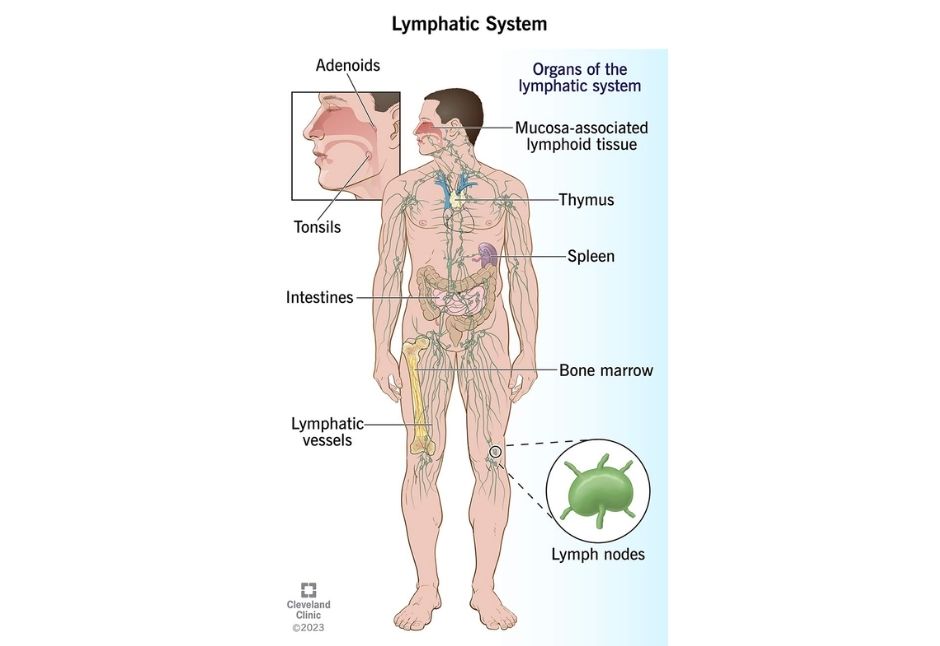
What is the lymphatic system, and how does it work?
Your lymphatic system moves fluid throughout the body, removing waste and supporting immune function along the way. According to the National Institutes of Health, liposuction disrupts the lymphatic vessels running through the treated area, which is exactly why swelling and fluid retention show up more after surgery than they otherwise would.
 How does liposuction affect lymphatic drainage and recovery?
How does liposuction affect lymphatic drainage and recovery?
The procedure removes fat through suction, but that process can damage lymphatic vessels along the way, leading to impaired drainage in the treated area. The effects include prolonged swelling, more noticeable bruising, and a higher chance of fluid pooling if the lymphatic system isn’t given support in clearing it.
Why is maintaining proper lymphatic flow important after surgery?
Keeping lymph flowing properly speeds up recovery, reduces the chance of complications like fibrosis, and helps your final results look smoother and more even, since trapped fluid is what tends to distort the contour a liposuction procedure is meant to create.
What Is Manual Lymphatic Drainage (MLD), And How Does It Work?
Manual lymphatic drainage is a specialized massage technique designed to stimulate the lymphatic system directly through the flow of lymph fluid beneath the skin. A trained therapist uses gentle, patterned strokes that follow the actual direction of lymph flow, rather than working muscle tissue the way a regular massage would.
How does MLD differ from regular massage techniques?
Regular massage focuses on muscle, using pressure to release tension and work out physical knots. MLD stays light and rhythmic throughout, targeting the lymphatic pathways just under the skin rather than the muscle underneath. The two techniques serve different purposes entirely, and using deep pressure on tissue that’s still healing from surgery can actually work against your recovery.
How does MLD improve fluid drainage, reduce inflammation, and accelerate healing?
By encouraging lymph fluid to move toward the nodes that filter it out, MLD reduces the fluid retention that drives swelling and inflammation after surgery. Better fluid movement also means better circulation to the treated area, which supports faster tissue repair and reduces the window where complications like fibrosis can take hold.
Benefits Of Lymphatic Drainage Massage After Liposuction
Reduction Of Swelling And Bruising
Lymphatic drainage massage speeds up how quickly your body clears the excess fluid and pooled blood that cause swelling and bruising after surgery, which means a shorter, more comfortable recovery window overall.
Prevention Of Fibrosis And Scar Tissue Formation
By encouraging circulation and lymphatic flow, this massage lowers the chance of fluid hardening into fibrosis, the rope-like scar tissue that can form when fluid sits trapped for too long under the skin.
Lowering Of Seromas
A seroma is a pocket of fluid that can collect under the skin after liposuction, distinct from the general swelling that’s expected during recovery. It can feel like a soft, fluid-filled area and sometimes needs to be drained directly by your surgeon rather than resolved through massage alone. Lymphatic drainage massage can help lower the risk of a seroma forming by keeping fluid moving before it has a chance to pool, but if you suspect one has already developed, mention it to your surgeon before your next session rather than expecting the massage to clear it on its own.
Faster Healing And Improved Aesthetic Results
Lymphatic drainage massage supports faster tissue repair by improving circulation to the treated area, and clearer, better-managed fluid drainage tends to produce a smoother, more even final contour than an unsupported recovery would.
Does This Replace Compression Garments?
No, and it’s worth being clear on this upfront. Compression garments and lymphatic drainage massage work together, not as substitutes for each other. The garment applies steady, continuous pressure that supports your tissue and helps control swelling around the clock, while the massage actively encourages fluid movement during your sessions. Skipping one because you’re doing the other tends to slow recovery rather than speed it up, so follow whatever combination your surgeon recommends for your specific procedure.
When Should You Start Lymphatic Drainage Massage After Liposuction?
Recommendations on timing vary more than you’d expect. Some surgeons suggest starting within 24 to 48 hours, others recommend waiting 3 to 7 days, and many land somewhere around the 1 to 2 week mark instead. The right timing for you depends on the extent of your procedure, whether you still have drains in place, how your incisions are healing, and your bruising level, so it’s essential to consult with your surgeon or healthcare provider to determine the best timing for your individual recovery rather than following a single fixed number.
When To Be Cautious Or See Your Surgeon
Most recovery-related swelling and tenderness settles gradually and predictably, but a few signs are worth acting on rather than waiting out. Contact your surgical team if you notice worsening pain instead of gradual improvement, new redness or warmth in the treated area, swelling that seems to be increasing rather than decreasing over time, or a fever. These can be signs of infection or a complication that needs medical attention rather than another massage session. When in doubt, it’s always better to check in with your surgeon than to assume it will resolve on its own.
What To Expect During A Lymphatic Drainage Massage Session
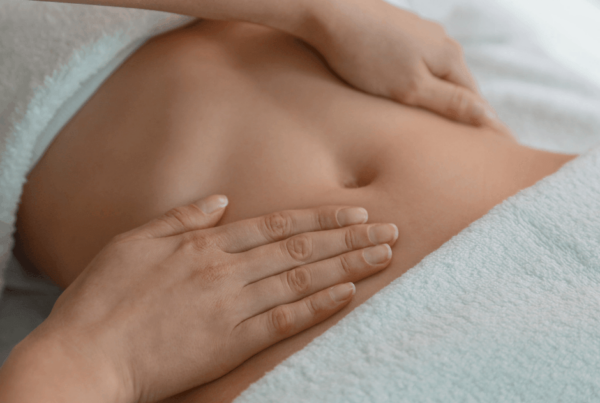
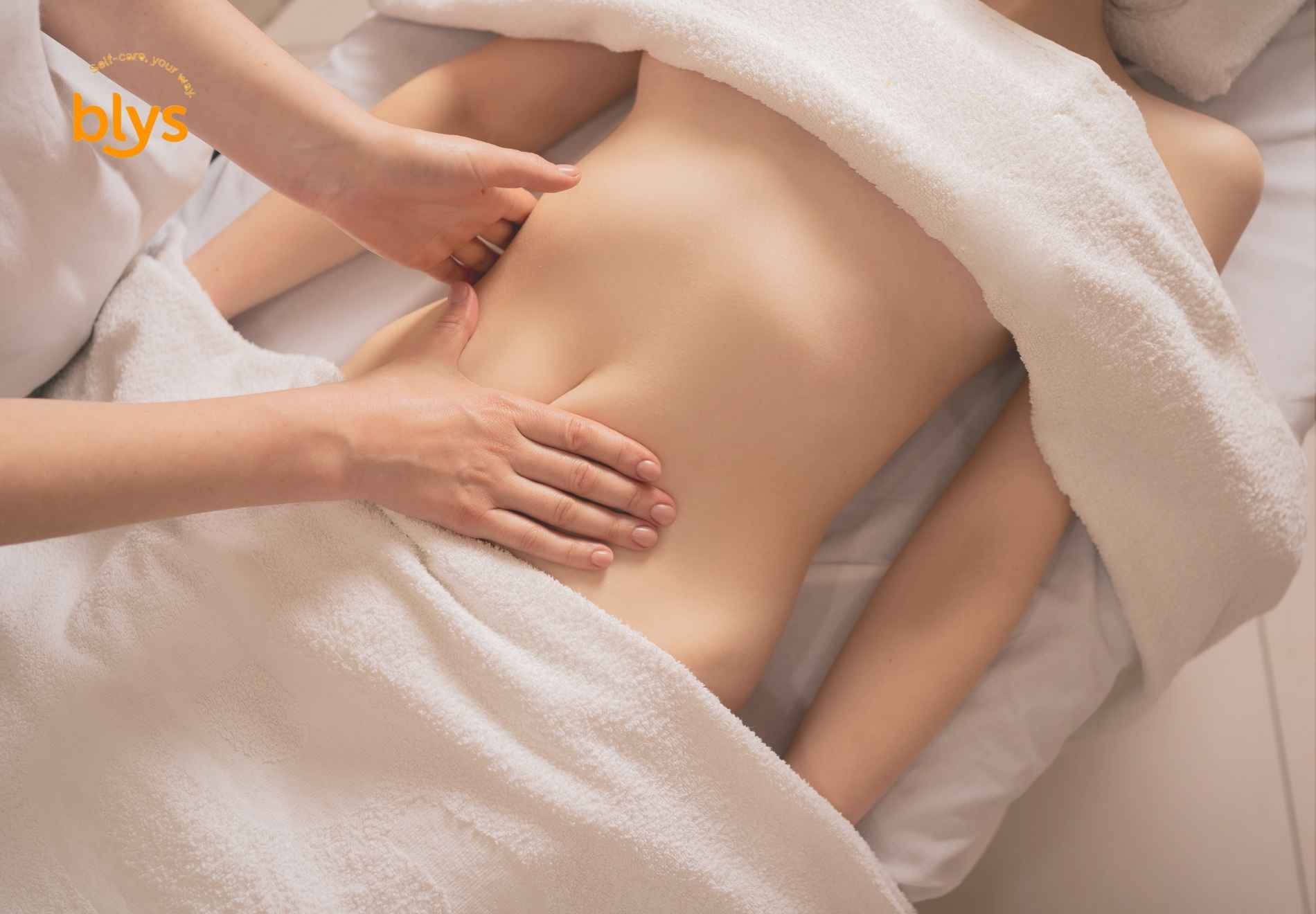
Your therapist will start by asking about your procedure, your recovery so far, and any areas that feel especially tender or swollen. From there, expect light, rhythmic strokes rather than deep pressure, worked in a specific pattern that follows the direction of lymph flow toward your nodes.
| Session Element | What Happens |
| Consultation | Your therapist reviews your surgery details and healing progress |
| Technique used | Gentle, rhythmic strokes, no oils or deep pressure |
| Duration | 30 to 90 minutes depending on the treatment area |
| Sensation | Light pressure, mild tenderness possible from the surgery itself |
| Aftercare | Hydration and rest recommended following the session |
How Often Should You Get Lymphatic Drainage Massage, and for How Long?
The frequency of lymphatic drainage massage can vary based on individual needs and recovery goals, but a common pattern after liposuction is daily or near-daily sessions during the first week, when swelling tends to be at its highest, tapering to every other day during the second week as things settle. Most people need somewhere between 5 and 10 sessions total to see a meaningful reduction in swelling. Each session typically lasts between 30 to 90 minutes, depending on the area being treated and the specific techniques used. Consulting with a healthcare professional can help determine the best schedule for your situation.
How To Find A Qualified Lymphatic Massage Therapist?
Not every massage therapist has training in post-surgical lymphatic work, and this isn’t the kind of session where general massage experience is enough. Look for someone specifically trained in manual lymphatic drainage, ideally with experience working with liposuction patients, and don’t hesitate to ask directly about their post-op experience before booking. A post-op lymphatic drainage massage session through Blys connects you with therapists who already have that specific training, so you’re not left guessing about their qualifications.
Final Thoughts On Lymphatic Drainage Massage After Liposuction
Lymphatic drainage massage isn’t a luxury add-on to your recovery, it’s a genuinely supportive part of healing well after liposuction. Reduced swelling, a lower risk of fibrosis, and a smoother final result are all realistic outcomes when it’s done consistently and at the right time for your specific case. If you’re recovering from a tummy tuck alongside or instead of liposuction, our guide to lymphatic drainage for liposuction and tummy tuck patients covers what’s different about that recovery process specifically, and recovery support after surgery more broadly is worth a look if lymphatic drainage is one part of a bigger recovery plan.
What Does A Full Course Of Sessions Cost?
Since a typical recovery plan involves 5 to 10 sessions rather than a single visit, cost is worth factoring in early rather than session by session. Pricing varies by provider and location, and some FSA or HSA plans will cover sessions when a surgeon has specifically prescribed lymphatic drainage as part of your aftercare, worth confirming directly with your plan rather than assuming either way. Current pricing for post-op lymphatic drainage massage through Blys is worth checking before booking your full course.
Frequently Asked Questions (FAQs)
Is lymphatic drainage massage necessary after all types of liposuction?
Most surgeons recommend it regardless of the specific liposuction technique used, since any procedure that removes fat through suction disrupts the lymphatic vessels in that area to some degree, though your surgeon can confirm what’s specifically recommended for your case.
Can I perform lymphatic drainage massage on myself at home?
Gentle self-massage can offer some benefit between professional sessions, but it isn’t a substitute for a trained therapist, who knows how to work around your specific incision sites and areas of concern in a way that’s difficult to replicate on yourself, especially in the first couple of weeks.
How soon will I see results from lymphatic drainage massage?
Many people notice reduced swelling and a lighter feeling immediately after a session, though the full effect on your recovery builds over your complete course of sessions rather than showing up all at once.
Does lymphatic massage hurt?
It shouldn’t. The pressure used is light and rhythmic, nothing like deep tissue work, though you may notice some tenderness from the surgery itself that has nothing to do with the massage technique.