Starting a mobile lash and brow business means getting the right qualification and patch-testing process sorted first, building a proper kit suited to working outside a controlled salon environment, pricing each service honestly rather than guessing, and lining up a way to actually reach clients before the first booking ever comes through. Assuming a lash kit and a steady hand are the only two things standing between you and a fully booked calendar is how a lot of new techs end up with beautiful lash work and nobody actually booking it.
Qualifications and Licensing Basics
Lash and brow work involves chemical products and close contact with a sensitive area, which means proper qualification and process matter more here than in a lot of other mobile beauty services.
The Certification or Qualification You Actually Need
A recognised beauty therapy qualification or a specific lash and brow certification is typically required before offering lash extensions, lash lifts, brow lamination, or tinting professionally, and exact requirements vary depending on the specific market. Exactly what’s required by state, province, or local authority is worth checking properly before booking a single client, rather than assuming a short course alone covers everything needed.
Lash and brow work can also grow into a real long-term career, not just a single service offered alongside something else, for anyone treating this as more than a side hustle. The full career path covers what that looks like beyond the licensing question itself.
Why Patch Testing Isn’t Optional
Lash tint, brow tint, and lash lift solution are all real chemical products capable of causing an allergic reaction, and a patch test 24 to 48 hours before a first application is standard practice for exactly this reason, not an overcautious extra step. Skipping a patch test to save time on a first booking is how a technician ends up dealing with a real reaction that proper process would have caught in advance.
What’s in a Mobile Lash/Brow Kit
A mobile lash and brow kit needs everything a salon setup has, plus a few extra considerations that only show up once the work leaves a climate-controlled room.
The Core Kit Every Mobile Lash Tech Needs
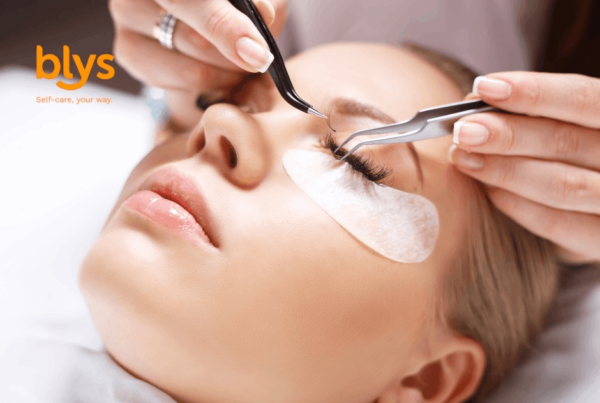
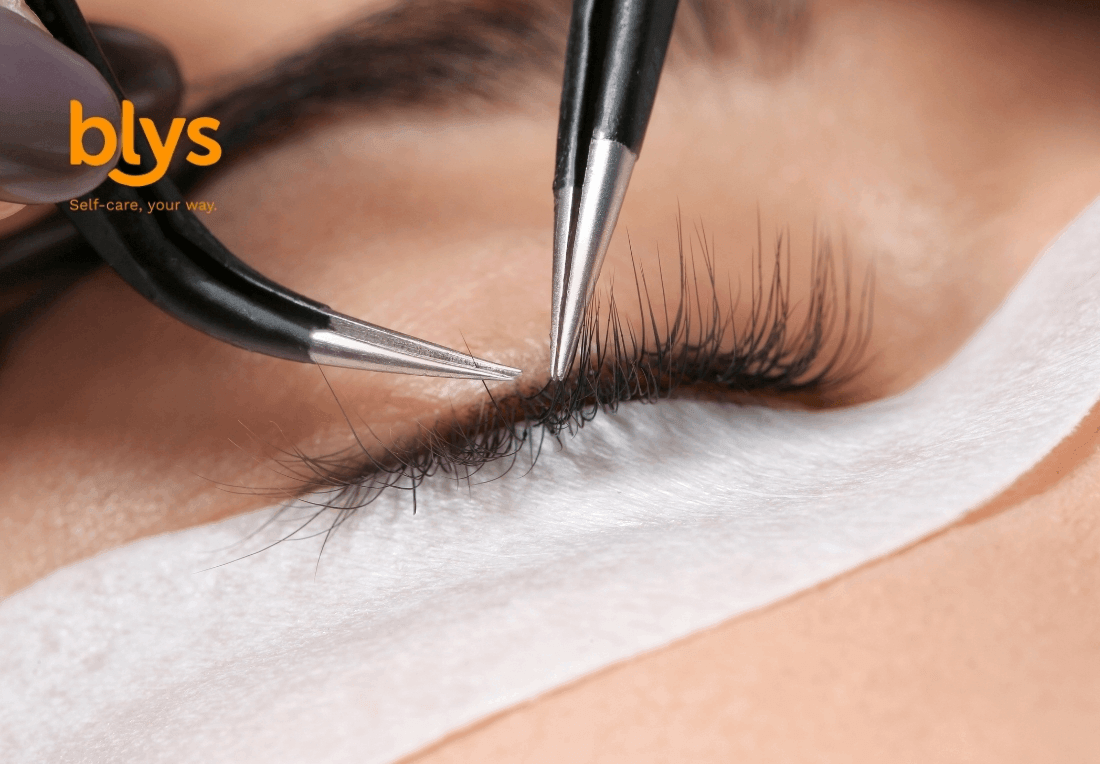
A full kit covers lash extensions in a range of lengths, curls, and diameters, lash adhesive, isolation and volume tweezers, lash lift rods and perming solution, brow tint, brow lamination solution, disposable applicators, and gel or under-eye pads for client comfort during longer appointments. An adjustable table or a proper reclining setup matters too, since a full set can easily run past an hour and client comfort affects both the result and the review left afterward.
Why Mobile Work Adds a Real Environmental Challenge
Lash adhesive is properly sensitive to humidity and temperature, curing differently in a warm, dry room compared to a cooler, more humid one, which is a real challenge mobile lash techs deal with that a climate-controlled salon simply doesn’t. Bringing a small fan or humidity-monitoring tool, and building in a habit of checking the room’s conditions before starting, protects against a set that doesn’t hold as well as it should purely because of the environment it was applied in.
Real Costs Beyond the Kit Itself
The kit itself is only part of what it actually costs to start. Training, certification fees, professional liability insurance, and ongoing product replenishment, adhesive and lash trays specifically don’t last indefinitely once opened, all add up before the first booking generates a single dollar of income. Budgeting for these real, recurring costs upfront avoids the unpleasant surprise of realizing a rate that looked profitable on paper barely covers what the business actually costs to run.
Pricing Your First Services
The same core pricing logic used across any freelance beauty service applies here too: a realistic rate comes from target income, real overhead, and experience level, not a number picked because it sounds reasonable. A proper lash tech pricing guide starts with these fundamentals before ever landing on an actual number.
Pricing Each Service Type Honestly
Classic lash sets, volume sets, brow lamination, brow tint, and lash lifts all take properly different amounts of time and product, and pricing them identically ignores that a volume set can take considerably longer than brow tinting alone. Pricing each service based on its actual time and product cost, rather than one flat rate applied across everything, protects against underpricing the more time-intensive services on the list.
Why Recurring Infills Change the Business Model
Lash extensions typically need infills every two to three weeks, which means a single client who’s happy with their first set turns into a recurring booking rather than a one-off transaction. This recurring cycle is a real structural advantage lash and brow work has over less frequently rebooked services, and pricing infills fairly, rather than treating them as an afterthought priced too low, protects a revenue stream that compounds considerably faster than one-off bookings do.
Getting Your First Clients
A gorgeous first set with nobody actually booking it doesn’t pay rent, which is exactly the problem to solve before worrying about anything more advanced.
Choosing a Marketplace Over Standalone Booking Software Early On
A marketplace actively connects a provider to searching clients, which matters considerably more for a brand-new lash tech with no existing client list than standalone booking software that simply manages appointments for clients who don’t exist yet.
Payout structure, onboarding, and actual client volume vary considerably between platforms, so checking these details properly before committing protects against joining the wrong one for an early-stage business.
Choosing the right type of platform matters just as much for a lash and brow technician as it does for any other mobile beauty provider, since the same evaluation questions, payout, policy, and support, apply regardless of the specific service being offered.
Building a Portfolio That Actually Proves the Work
Before-and-after photos of real client work do more to build trust with a first-time client than a bio claiming experience with nothing to back it up. The same principle applies to any specialised beauty service, showing the actual work rather than describing it in a bio consistently converts better with clients deciding between an established provider and someone brand new.
Why Lash and Brow Clients Become Fast Referrals
The two-to-three-week infill cycle means a happy first client is back in front of a technician regularly, which creates far more opportunity for a real relationship, and the referral that usually follows it, than a service booked once a year. A single strong first client, kept happy over several infill cycles, often brings in more new business through referral than a much larger marketing effort would in the same timeframe.
Why Reviews Matter More for a New Technician
Checking a provider’s reviews is exactly what a first-time client does when deciding between an established lash tech and someone brand new, which makes the first handful of reviews disproportionately important for a technician just starting out. Actively asking early clients for a review, rather than hoping one appears unprompted, builds the trust signal a new profile actually lacks in its first few months.
Common Mistakes New Lash and Brow Techs Make
Skipping the patch test to save ten minutes on a first booking is the most common and most costly mistake on this list, since the actual cost of getting it wrong is considerably higher than the time saved by skipping it. Pricing every service identically regardless of how long it actually takes is a close second, steadily eating into profit on the longer, more involved services specifically. Choosing standalone booking software before there’s an actual client base to manage rounds out the list, solving a problem that doesn’t exist yet while ignoring the real one, finding those first clients in the first place.
Getting the fundamentals right from the very first booking, proper qualification, honest pricing, and a platform that actually brings in clients, sets up a mobile lash and brow business to grow considerably faster than skipping straight to advanced marketing while the basics are still shaky.
Sign Up as a Provider on Blys →
Frequently Asked Questions
How do you start offering mobile lash and brow services?
Get the right qualification and patch-testing process sorted first, build a kit suited to working outside a controlled salon environment, price each service honestly based on its actual time and product cost, and choose a platform that actively connects you to clients before worrying about anything more advanced.
How do you become a lash technician?
A recognised beauty therapy qualification or a specific lash and brow certification is typically required before offering lash extensions, lifts, or tinting professionally, with exact requirements varying by market. Patch testing before a first application is standard practice on top of the qualification itself.
What should be in a mobile lash tech kit?
Lash extensions in a range of lengths and curls, lash adhesive, isolation and volume tweezers, lash lift rods and solution, brow tint and lamination solution, disposable applicators, and under-eye pads for client comfort. An adjustable table or reclining setup matters too, given how long a full set can take.
Why does mobile lash work need extra environmental consideration?
Lash adhesive is sensitive to humidity and temperature, curing differently depending on the room it’s applied in. A salon controls this environment consistently, while mobile work means checking and managing room conditions manually before each appointment.
How should a new lash technician price their first services?
Base pricing on the actual time and product cost of each specific service, classic sets, volume sets, brow lamination, tinting, rather than one flat rate applied across everything. A realistic rate also factors in real overhead costs, not just product used on the day.
Why do lash and brow clients rebook so often?
Lash extensions typically need infills every two to three weeks, turning a single happy client into a recurring booking rather than a one-off transaction. This regular cycle also creates more opportunity for referrals than a service booked only once a year.
Does the type of platform matter specifically for lash and brow work?
Not more than for any other mobile beauty service. The same evaluation questions, payout structure, policy, onboarding, and support, apply regardless of whether the specific service is lash and brow work or something else entirely.
Do reviews matter for a brand-new lash and brow technician?
Yes, disproportionately so. Reviews are exactly what a first-time client checks when deciding between an established technician and someone new, so actively asking early clients for a review helps build trust a new profile otherwise lacks.
Should a new lash technician use a marketplace or booking software to find clients?
A marketplace generally works better for a new technician with no existing client list, since it actively connects providers to searching clients rather than simply managing appointments for a client base that doesn’t exist yet.
What’s the most common mistake new lash and brow technicians make?
Skipping the patch test to save time on a first booking is the most common and costly mistake, since the risk of an actual reaction outweighs the small amount of time saved. Pricing every service identically regardless of actual time and product cost is a close second.
How much does it cost to start a mobile lash and brow business beyond the kit itself?
Training, certification fees, professional liability insurance, and ongoing product replenishment all add real, recurring cost beyond the initial kit purchase. Budgeting for these upfront avoids discovering later that a rate which looked profitable on paper barely covers actual running costs.