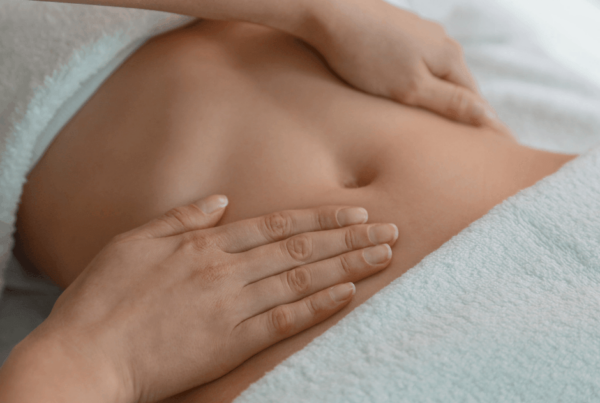
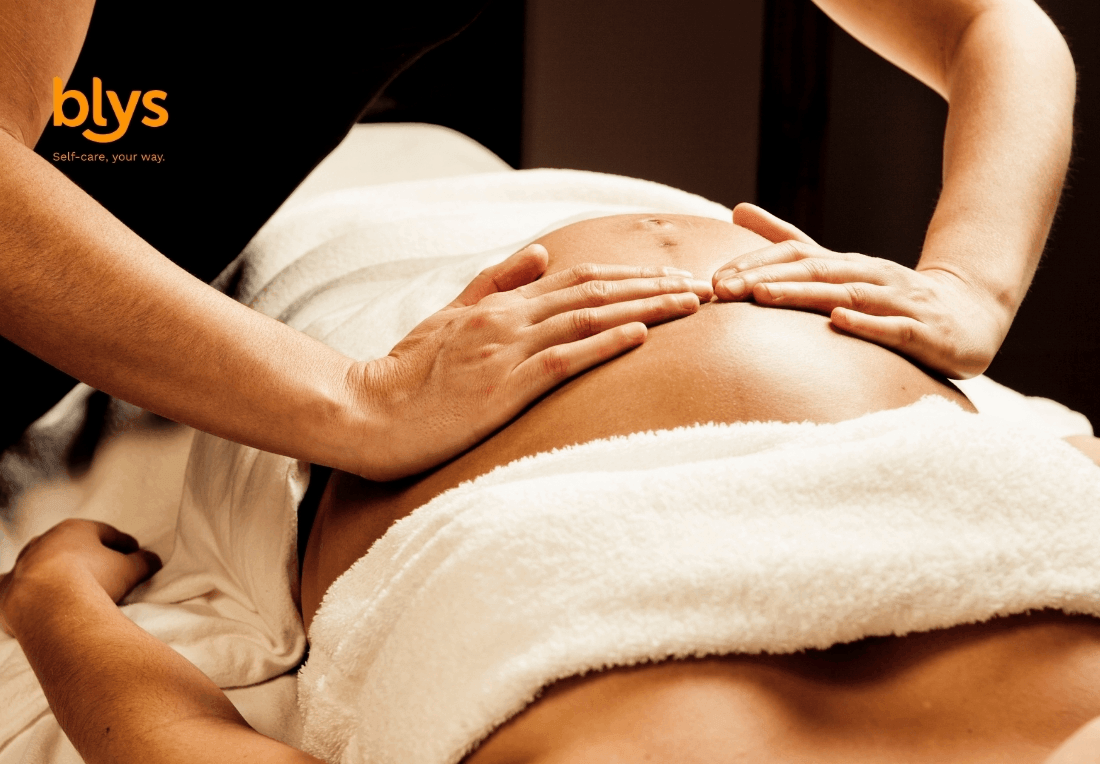
 The prenatal massage benefits that make it onto most lists relief from back pain, some help with swelling are just the beginning. Pregnancy puts your body through a sustained physical transformation unlike anything else: your blood volume increases by nearly 50 percent, the hormone relaxin loosens every joint in your pelvis, your posture shifts forward as the belly grows, and your nervous system is running at a heightened state of alert for months on end.
And through all of that, you’re expected to sleep, stay calm, and keep moving.
This is why prenatal massage has become a genuine part of prenatal care for many expectant mothers not a peripheral add-on, but a consistent form of physical and emotional support that responds to what your body is actually going through. This guide covers the evidence-backed benefits, how they shift across each trimester, and why how a session is set up matters just as much as the techniques used. Wherever you are in your pregnancy, there’s something here that applies to you right now.
Why Back Pain And Posture Need To Be Taken Seriously During Pregnancy
Lower back pain is one of the most frequently reported complaints throughout pregnancy and it goes beyond ordinary discomfort. As your baby grows and your center of gravity shifts forward, the lumbar spine takes on load it isn’t designed to carry alone. The pelvis tilts, the hip flexors shorten, and the muscles of the lower back and glutes start compensating to keep you upright building tension that accumulates week by week.
Prenatal massage targets the soft tissues most affected by this progressive postural shift. Focused work on the lumbar region, the piriformis muscle, and the gluteal complex helps release tension before it becomes chronic, restores range of motion, and reduces the nerve compression responsible for the sciatic pain that so many women experience from mid-pregnancy onward.
Research published on PubMed found that pregnant women who received regular massage therapy reported significantly lower levels of back and leg pain compared to a control group with improvements that persisted beyond the sessions themselves.
Why Positioning Is The Foundation Of Safe Prenatal Massage
Getting positioning right isn’t a preference it’s what makes prenatal massage safe and effective. Here’s what every session should follow:
- No face-down positioning the growing belly makes this unsafe and should never be offered from mid-pregnancy onwards
- No flat supine positioning lying flat on the back can compress the vena cava, reducing circulation to both mother and baby
- Side-lying with bolster support this is the standard; supportive cushions maintain spinal alignment and protect the hips throughout
- Home setup advantage at-home sessions allow you to combine your own pregnancy pillows and support wedges with what your provider brings, something a clinic table typically can’t accommodate
The vetted, insured providers you book through Blys are trained in pregnancy-specific positioning and adapt their approach throughout each trimester. This is the technical foundation that makes every other technique safe to apply.
How Prenatal Massage Reduces Swelling And Supports Circulation
Edema the fluid retention that causes swelling is one of the most common physical complaints in the second and third trimesters. It develops partly because increased blood volume and pressure from the growing uterus slows the return of blood from the lower limbs. The effects show up in familiar places:
- Ankles and feet the most common area, often worse at the end of the day
- Hands and wrists frequently most noticeable on waking; rings stop fitting
- Lower legs a heavy, tight feeling that can make standing and walking uncomfortable
- Fingers mild swelling that can affect grip
Prenatal massage supports lymphatic drainage and peripheral circulation through gentle, flowing strokes directed toward the heart. This helps the lymphatic system process excess interstitial fluid more efficiently, reducing the heaviness and tightness that comes with significant swelling.
Research cited on PubMed has noted measurable improvements in peripheral circulation and reductions in lower-limb edema among pregnant women who received consistent massage therapy.
Worth noting: deep pressure on the legs is not appropriate during pregnancy, particularly around varicose veins or any area of potential clot risk. The professional providers you book through Blys complete a health intake before every session and adjust their technique accordingly.
Better Sleep And Stress Relief: The Nervous System Connection
Sleep during pregnancy is one of the most under-discussed challenges of the experience. Between the physical difficulty of getting comfortable as the belly grows, frequent bathroom trips, vivid dreams, and the genuine mental load of preparing for a new baby, sleep disruption is cumulative and it impacts mood, pain sensitivity, and immune function in ways that extend well beyond fatigue.
Prenatal massage works directly on the nervous system. Sessions have been shown to increase serotonin and dopamine neurotransmitters associated with mood stability and calm while reducing cortisol, the body’s primary stress hormone. A nervous system running at a lower level of activation moves more readily into and stays in deep, restorative sleep.
A study from the Touch Research Institute at the University of Miami found that pregnant women who received bi-weekly massage over five weeks reported reduced anxiety, improved mood, and meaningfully better sleep quality compared to a control group.
Here’s an angle that rarely gets covered: when a provider comes to your home, you go directly from your session to your own environment. There’s no drive home, no navigating a parking garage, no reactivating your stress response before you’ve had a chance to rest. That transition from session to couch to bed without any friction in between is part of the therapeutic value. It’s something a clinic visit, however good, structurally cannot offer.
Emotional Wellbeing And The Full Weight Of Pregnancy
The physical benefits of prenatal massage tend to dominate the conversation, but the emotional benefits are equally real and for some women, more immediately pressing. Pregnancy can carry significant anxiety about labor and parenthood, identity shifts that can feel disorienting, and for some, symptoms of prenatal depression that go unrecognized because they’re assumed to be part of the experience rather than something worth addressing.
Regular prenatal massage provides a consistent, body-centered space for calm that supports mental health in a genuinely substantive way. Touch therapy has been shown in multiple studies to reduce self-reported anxiety and measurable stress markers. For women who feel increasingly disconnected from their changing bodies, regular physical care can also restore a sense of comfort and body trust that pregnancy can gradually erode.
This matters particularly for first-time mothers navigating completely unfamiliar territory, and for women with a history of pregnancy loss, where anxiety during a current pregnancy can remain elevated regardless of how well things are progressing.
Knowing that prenatal massage is safe when delivered by experienced, expert providers is itself relieving and it removes one of the main reasons women put off booking.
How Prenatal Massage Benefits Shift Across Each Trimester
The right approach changes significantly across the three trimesters. A single protocol doesn’t serve all of them equally.
Here’s a clear breakdown of what to expect at each stage:
| Trimester | Key Focus Areas | What To Expect |
| First (Weeks 1–12) | Relaxation, fatigue management, nervous system support | Gentle technique; careful attention applied to certain acupressure points; always share your exact gestational week with your provider |
| Second (Weeks 13–27) | Postural correction, early swelling, hip and lower back load | More targeted work as energy returns; a natural window to build a consistent session rhythm |
| Third (Weeks 28–40) | Joint offloading, edema reduction, sleep support | Most immediate and tangible physical relief; positioning is critical; the at-home format move straight to rest after your session makes a real difference |
For a complete overview of what to expect at each stage, the full prenatal massage guide covers session structure, positioning, and what to discuss with your provider ahead of time.
Making Prenatal Massage Part Of Your Prenatal Care
Prenatal massage benefits build when sessions are consistent rather than occasional. A single appointment brings real relief a regular rhythm across the trimesters compounds that relief and supports your body through each phase of physical change.
If you’re ready to get started, book a prenatal massage through Blys and a vetted, insured, experienced provider comes directly to you at home, at a time that works for your schedule, without the logistics that make a clinic visit feel like one more thing to manage. Your body is working hard. Give it the support it deserves.