Thai massage, Swedish massage, and Deep Tissue massage share a name and not much else. One keeps you fully clothed and stretches you like a pretzel, another melts tension with long strokes and warm oil, and the third gets into the deep muscle tissue that everything else skips. If you’ve been staring at a booking page wondering which one you actually need, here’s the full answer.
Key Differences at a Glance
The simplest way to understand the three is by what they prioritise.
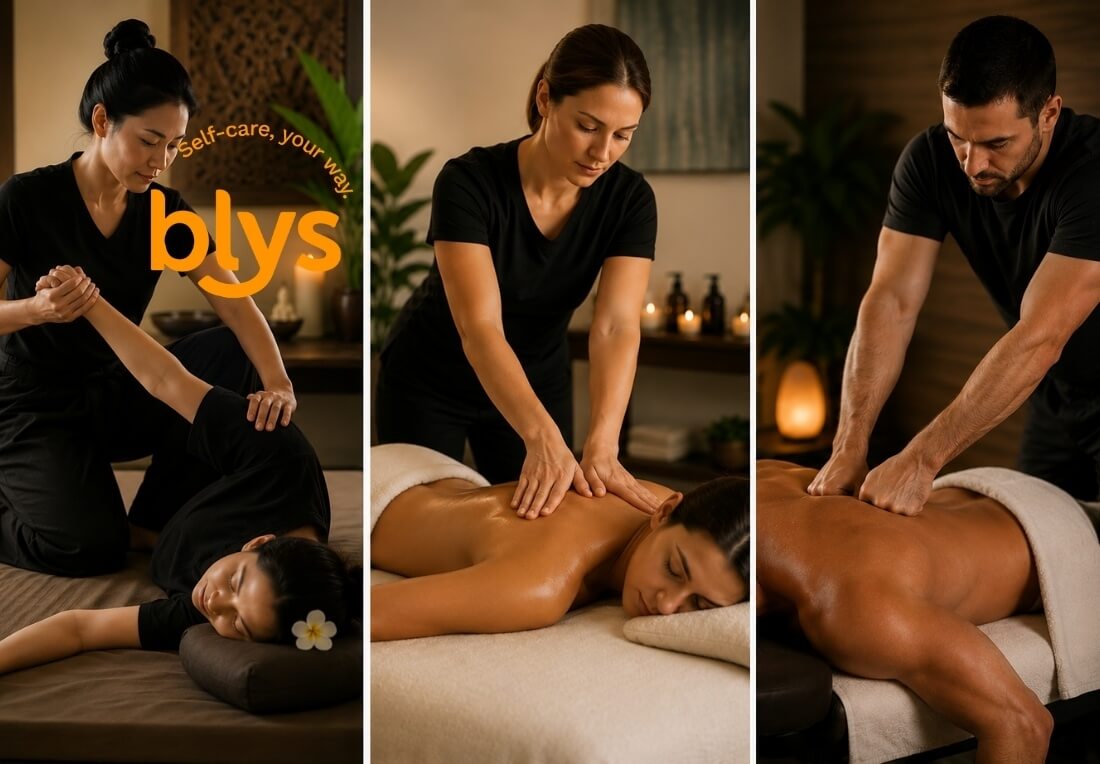
Thai massage is an active, clothed session built around assisted stretching, joint mobilisation, and acupressure along energy pathways. Your therapist moves your body through a sequence of stretches and applies pressure along specific lines. There is no oil, table, or undressing. The experience is closer to assisted yoga than a traditional massage.
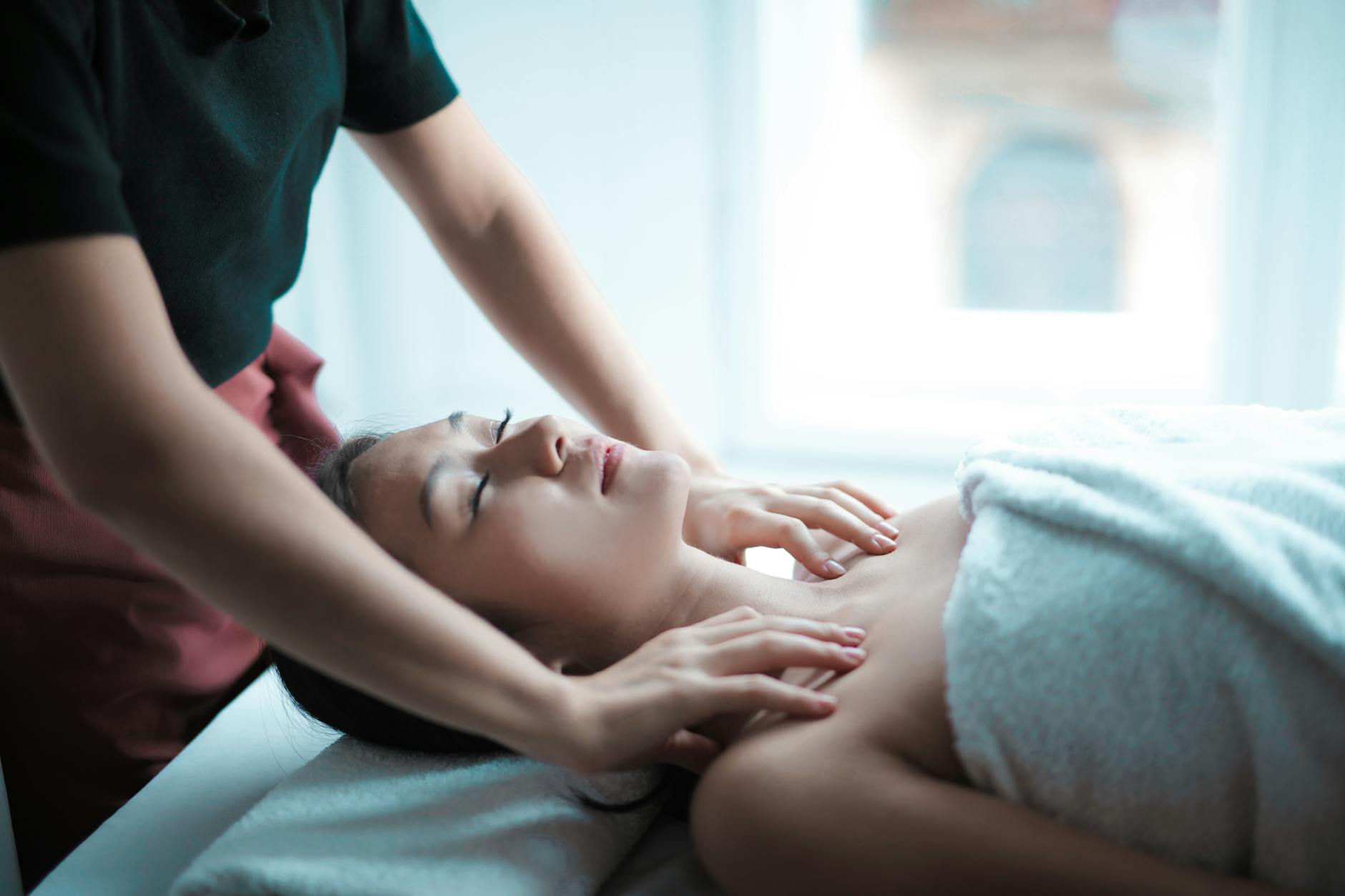
Swedish massage is a full-body relaxation treatment using long, flowing strokes and light to moderate pressure. Oil is used, you undress to your comfort level, and the goal is to calm the nervous system, improve circulation, and leave you feeling genuinely restored. It is the most familiar massage format for most people.
Deep Tissue massage uses firm, sustained pressure to work through the deeper layers of muscle and connective tissue. It is slower and more targeted than Swedish, focused on releasing chronic tension, adhesions, and knots that lighter techniques cannot reach. It can be uncomfortable during the session but in a very productive way.
What Is Thai Massage Best For?
Thai massage is the right choice when mobility and flexibility are the primary goals, or when you want a full-body treatment that combines the benefits of massage and stretching in a single session.
Thai massage for flexibility and range of motion
The assisted stretching component of Thai massage goes further than most people can achieve in solo stretching, because the body is fully supported and guided rather than working against its own resistance. For people who carry stiffness in the hips, hamstrings, thoracic spine, or shoulders, a single Thai massage session can produce a noticeable shift in range of motion. Regular sessions compound this effect over time.
This is why Thai massage is particularly popular with athletes, desk workers whose mobility has declined from prolonged sitting, and anyone who has tried yoga or stretching and found progress slow.
Thai massage for whole-body reset
Thai massage covers the entire body systematically, from feet to head, combining compression, acupressure, and stretch at each region. For someone who wants a full-body treatment that addresses physical tension and mobility at the same time, Thai massage does more in a single session than most other formats.
Thai massage for people who prefer to stay clothed
Because Thai massage is performed fully clothed on a floor mat, it suits people who are uncomfortable undressing for a massage. Loose, comfortable clothing is all that is required.
What Is Deep Tissue Massage Best For?
Deep Tissue massage is the right choice when the goal is to address specific, persistent muscular tension or chronic pain that lighter techniques have not shifted.
Deep Tissue massage for chronic tension and knots
If you have a muscle that has been tight for months or years, Deep Tissue massage is often what actually changes it. The sustained, firm pressure works through layers of tissue to reach adhesions and scar tissue that Swedish or Thai massage cannot access. The relief after a good Deep Tissue session tends to be significant and lasting rather than temporary.
This applies particularly to people with chronic lower back tension, neck and shoulder tightness from desk work, hip flexor issues from extended sitting, or recurring pain from old injuries.
Deep Tissue massage vs Thai massage for back pain
Both can help with back pain, but in different ways. Deep Tissue massage targets specific muscles directly with sustained pressure, which is effective for localised, persistent tension. Thai massage addresses the back through spinal mobilisation, hip opening, and back extension stretches, which works on the structural and postural contributors to back pain. For chronic lower back tension, Deep Tissue often produces more direct relief. For stiffness and restricted movement, Thai massage may address the root more effectively.
The Deep Tissue experience
Unlike Thai massage, Deep Tissue is performed on a table with oil, and you undress to your comfort level. Communication is important throughout , the pressure should be firm and productive, not genuinely painful. If the pressure is too intense, saying so is normal and expected.
What Is Swedish Massage Best For?
Swedish massage is the right choice when relaxation, stress relief, and nervous system recovery are the primary goals, or when you have never had a massage before and want an accessible starting point.
Swedish massage for stress and nervous system recovery
The long, flowing strokes and rhythmic pressure of Swedish massage activate the parasympathetic nervous system, the part of the nervous system responsible for rest and recovery. For people carrying chronic stress, this produces a physiological shift that goes beyond just feeling relaxed. Regular Swedish massage has been associated with reduced cortisol levels, improved sleep quality, and better emotional regulation over time.
Swedish massage vs Thai massage for relaxation
Thai massage produces relaxation as a byproduct of its stretch and pressure work, but it is not primarily a relaxation treatment. Swedish massage is specifically designed to relax, and the experience reflects that. If the goal is to switch off and feel restored, Swedish is the more appropriate choice.
Swedish massage as a starting point
If you have never had a massage before, Swedish massage is the most accessible entry point. The pressure is moderate, the experience is gentle, and it gives your body a chance to get used to professional massage before progressing to deeper or more active formats.
How to Choose Between Thai, Swedish and Deep Tissue
Here is a simple guide based on your situation.
Book Thai massage if: you want to improve flexibility, feel physically restricted in your movement, prefer to stay clothed, or want a treatment that combines the benefits of massage and stretching.
Book Deep Tissue massage if: you have a specific area of chronic tension or pain that has not responded to lighter massage, or if you carry deep muscular tightness that needs targeted, sustained pressure to shift.
Book Swedish massage if: stress and relaxation are your main goals, you have never had a massage before, or you want a gentle full-body treatment that leaves you feeling calm and restored.
Still not sure? The safest starting point is Swedish massage if relaxation and stress relief are your main concern, or Thai massage if you want to address stiffness and restricted movement. Both are accessible first sessions that give you a clear sense of what your body responds to, which makes the next booking decision much easier.
Book a session through Blys, available 7 days a week, 6 am to midnight across the UK.