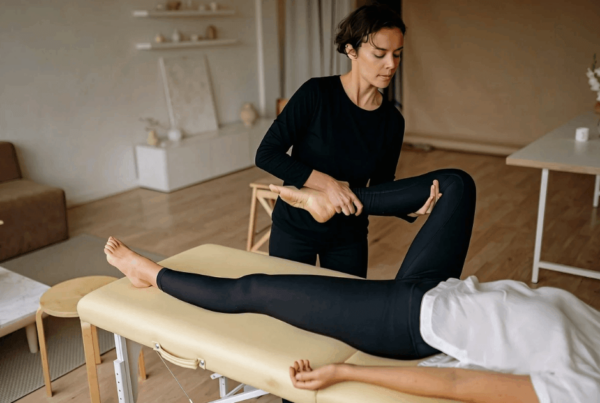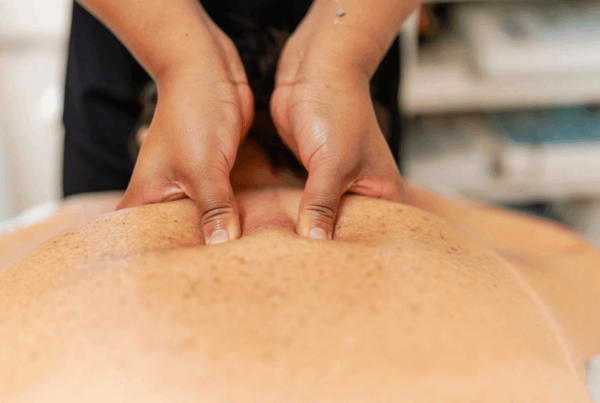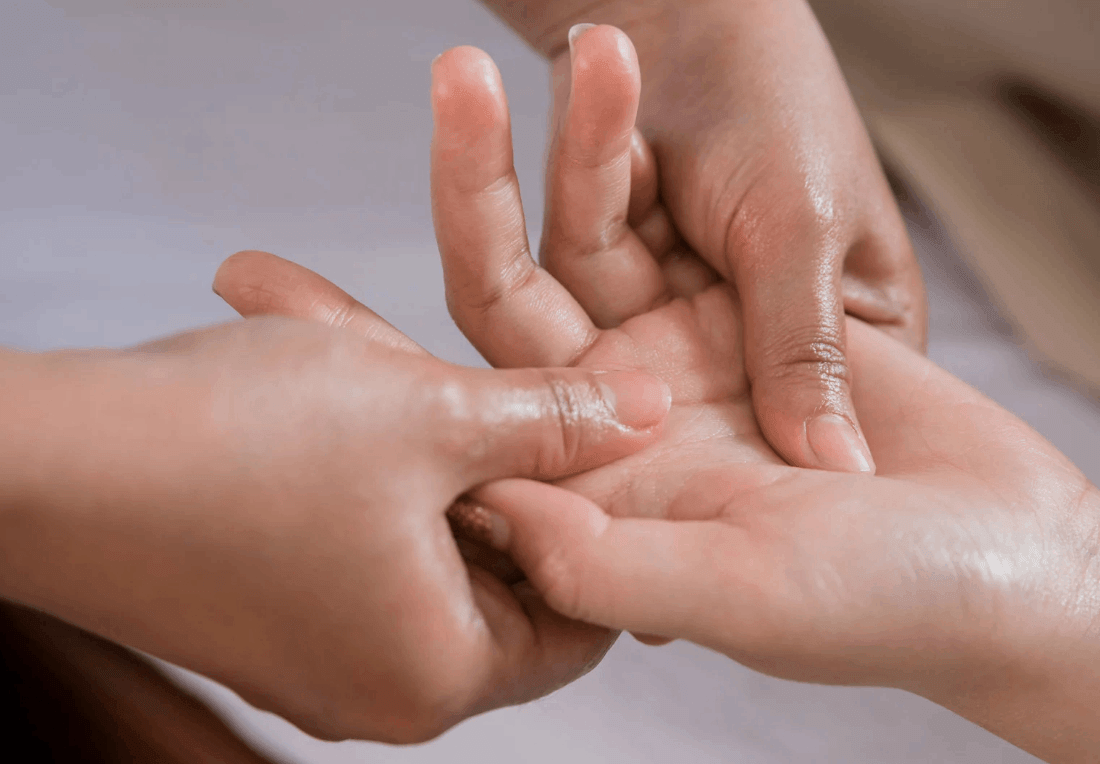
Massage for carpal tunnel and wrist pain from typing works on the forearm, wrist and hand muscles that overwork at a keyboard, and it can ease the tightness there, but it doesn’t treat carpal tunnel and it never replaces a splint or medical care. Your keyboard has been taking dictation from your forearms for years, and they’ve never once asked for overtime pay.
A local therapist can bring myofascial release therapy to your desk or your home, so a session fits around work and doesn’t swallow your lunch break.
Is It Carpal Tunnel or Overuse Wrist Pain?
Tingling and aching feel different, and telling them apart gives your doctor a head start.
How Carpal Tunnel Feels
Carpal tunnel syndrome is a condition in which the median nerve, which runs through a narrow passage in the wrist, gets squeezed or irritated, causing tingling, numbness and sometimes weakness in the hand. Think of the nerve as a garden hose: pinch it anywhere along the way and the flow slows at the far end. The tingling usually shows up in the thumb, index finger, middle finger and part of the ring finger, often at night or while holding a phone, steering wheel or mouse.
How Overuse Wrist Pain Feels
Overuse wrist pain is mostly an ache and a sore, tight feeling in the wrist and forearm after a long stretch of typing or mousing. It’s about tired muscles and tendons, and it usually builds as the day goes on and eases when you rest. The table sets out the differences people most often describe, and a doctor decides which one applies to you.
| Feature | Carpal tunnel | Overuse wrist pain |
| What it feels like | Tingling, numbness, pins and needles | Ache, soreness, tightness |
| Where | Thumb, index, middle and part of the ring finger | The wrist and forearm |
| When it flares | Often at night, or holding a phone or wheel | After a long stretch at the keyboard or mouse |
| Weakness | A weaker grip, dropping things | Tiredness more than weakness |
| Who diagnoses it | A doctor | A doctor or physical therapist |
Telling Your Doctor What You Notice
Tell your doctor which hand, which fingers, what time of day it flares, what sets it off and how long it lasts. A week of notes in your phone beats a vague memory in the appointment, and it helps your doctor tell nerve symptoms from muscle ones. Mention your typing hours too, since they’re part of the picture.
How Your Hand Gets Its Wiring: The Neck Link
Most carpal tunnel posts stop at the wrist, but the wiring for your hand starts a long way up.
Why Hand Tingling Doesn’t Always Start in the Wrist
The nerves that reach your hand begin in your neck and travel through your shoulder and arm, so a problem anywhere along that route can show up as tingling or numbness in the fingers. A fault in the wiring announces itself at the far end, so your fingertips sometimes get blamed for a neck problem. Only a doctor can sort out where the trouble really sits, so mention your neck and shoulder as well as your wrist.
What the Neck Link Means for Massage
A therapist often looks at your neck, shoulder and chest as well as your forearm, since long desk hours tighten all of them together. Neck pain and shoulder pain from desk work often arrive alongside sore forearms, and the same setup feeds all three. Tell your therapist about any tingling and where you feel it, so the session covers the whole route and not only the wrist, whether that means slow neck and shoulder work with myofascial release therapy or a longer look at the forearm.
Why Typing Wears Out Your Forearms
Typing speed is a talent and typing posture is a habit, and the forearms pay for both.
Home Offices and the Kitchen Table
Most home setups are a laptop, a kitchen table and a chair that was never meant for eight hours, and the keyboard sits too high or too low for your forearms. A laptop stand, a separate keyboard and mouse and a chair that lets your elbows rest by your sides cost little, and they change the angle your wrists hold all day. The couch laptop is the worst offender of all.
The Forearm Muscles Behind the Keyboard
The forearm is the engine room and the wrist is only the window. Muscles run from the elbow to the fingers, and their tendons cross the wrist, so every keystroke and every click asks them to work in small, repeated movements. Tight forearm muscles can contribute to an aching, heavy feeling around the wrist, and they can develop trigger points, which are tender spots that ache when pressed, the focus of trigger point massage and how it works.
Mouse, Trackpad and Phone: Where the Strain Builds
A mouse makes one hand do all the work and take none of the credit, a laptop trackpad holds your fingers in one spot for long stretches and your phone thumb is on overtime without a contract. Add long hours without a break, and the same small movements run thousands of times a day. None of it feels like exercise, and all of it counts. Design work, spreadsheets and gaming belong on the list too, since any job that keeps a mouse in your hand all day asks the same few muscles to do the same small movements.
Massage for Carpal Tunnel Symptoms: What Gets Worked On
Two styles work on the forearm, wrist and hand, and they do slightly different jobs, so the table lines them up.
| Style | What it involves | Suits |
| Myofascial release | Slow, gentle pressure on the connective tissue around the forearm | Tight, restricted-feeling forearms |
| Trigger point work | Steady pressure held on tender spots in a muscle | A sore spot you can point to |
Myofascial Release for Tight Forearms
Myofascial release uses slow, gentle pressure on the connective tissue around the forearm, and it feels more like a patient stretch than a rub. Myofascial release for tight tissue is a quieter style than most people expect, which suits forearms that feel tight but tender.
Trigger Point Work in the Forearm
Trigger point work holds steady pressure on tender spots in the forearm muscles, and it suits an ache you can point to. Your therapist finds the spot, holds the pressure and releases, which can feel like a deep ache that eases as they hold, and trigger point massage therapy is the style to look for when you can put a finger on the sore spot.
What Gets Worked On in the Hand
Hand work covers the palm, the thick pad at the base of the thumb and the spaces between the fingers, and your therapist uses light to medium pressure that you can adjust. The hand has many small muscles that rarely get attention, and a typing day uses them all, so a few minutes of careful work in the palm can feel surprisingly thorough.
Forearm Massage vs Trigger Finger Massage
Forearm massage works on the muscles from the elbow to the wrist, while trigger finger is a different condition in which a finger catches or locks when you bend it, and a doctor diagnoses it. Two trigger terms, two different conditions, and one very confusing search results page. Trigger finger massage means gentle work on the forearm and hand muscles alongside your doctor’s advice, and it doesn’t release a locked finger.
Can Massage Help Carpal Tunnel?
Massage can ease tight forearm and hand muscles, which often sit alongside carpal tunnel symptoms or overuse pain, but it doesn’t treat carpal tunnel, and it never replaces a splint, a doctor’s plan or any other medical care. Think of it as a way to settle tired muscles while your doctor handles the nerve.
Splints, Doctors and Massage: Who Does What
Your doctor leads, and massage plays a supporting role, which is how it should be.
How Massage Fits Alongside a Splint or Medical Care
Your doctor may recommend a splint, a change to your setup or other care, and massage works around all of it, never in place of it. Tell your therapist what your doctor has advised, ask your doctor whether to wear a splint to a session and bring it with you either way. A good provider treats your doctor’s plan as the main plan, and your massage as one small, supporting part of it.
What a Session Feels Like
Myofascial work feels slow and stretchy and trigger point work feels like a deep ache that eases as your therapist holds. Tell your therapist if the pressure is too much or if the tingling changes, since a good session never needs you to grit your teeth.
Questions to Ask Your Therapist Before Starting
Ask your therapist five things before the first session: how they’ll adjust the pressure if your forearms feel tender, whether to keep your splint on, how they’ll work around your neck and shoulder, how long the session runs and whether you can have the same therapist each time. A good provider answers these in a minute, and the answers settle most first-visit nerves.
Desk Habits for Hands
Small changes beat big gadgets, and the table gives each one a moment in your day.
| Moment | Small move |
| Start of the day | Set your keyboard and mouse close enough that your elbows rest by your sides |
| Mid-morning | Shake out your hands like you’ve touched something hot |
| Lunch | Stand up and let your arms hang for a minute |
| Mid-afternoon | Loosen your grip on the mouse and let your forearm move it |
| End of the day | Put the phone down and give your thumbs the evening off |
A wrist rest is a rest for your wrist and not a hammock, so use it between bursts of typing and not during them, and the couch is not an ergonomic strategy. An occupational therapist or physical therapist can assess your setup and show you changes that suit your hands.
Arranging Massage at Your Desk or Home With Blys
A session that fits around work is a session you’ll keep, and a therapist who comes to you makes that easy.
At Your Desk or Office
Your therapist can come to your workplace, so a session fits between meetings or after your last call, and a quiet conference room works well for myofascial release therapy. Each table needs about 6.5 x 6.5 feet of space, and your therapist brings fresh linen and towels.
At Home After Work
Bookings run from 6 am to midnight, seven days a week, so a session at home fits around a late finish, and you stay on your own couch afterward. Forearm work doesn’t need a long wind-down, which makes an evening slot easy to fit in.
What to Put in Your Booking Notes
Put where you feel it, which hand, your typing hours and any diagnosis or splint in your booking notes. Add what your doctor has told you and the style you’d like, whether myofascial or trigger point, so your therapist arrives knowing what to focus on and what to avoid.
When to See a Doctor First
This page is general information about wrist pain and massage, and it isn’t medical advice. It doesn’t diagnose carpal tunnel or any other condition, and it doesn’t claim that massage treats it or replaces a splint or medical care. See a doctor about numbness or tingling that comes and goes or wakes you at night, weakness or dropping things, pain that spreads up the arm, sudden swelling or redness, or symptoms after an injury, and call 911 for sudden numbness or weakness on one side of the body, trouble speaking or a drooping face.
Once your doctor has seen your hands, a session at your desk or at home is an easy way to look after the muscles, and your lunch break stays yours.
Skip the Clinic Trip: Arrange Forearm Massage at Your Desk or Home →