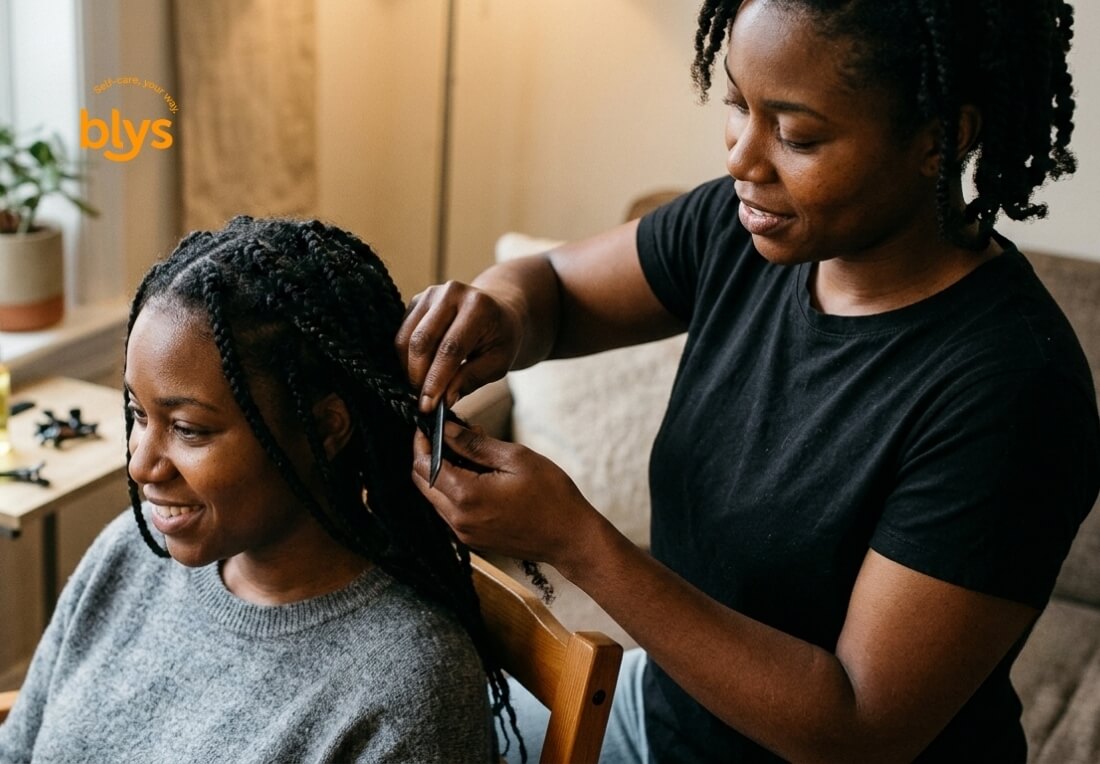
Hairstylists hear more life updates in a single Saturday than most therapists get in a month, minus the invoice for emotional support. It’s one of the stranger perks of the job: trained in color, cutting, and styling, but somehow also the person people tell things to with their head tipped back over a basin. If you’re weighing up whether this career stacks up, from licensing through to what you can realistically earn, here’s the full picture.
This sits alongside our other guides in the career series, including the Massage Therapist Career Guide, in case hairdressing isn’t quite the fit and a related field is.
What the Role Involves
A hairstylist’s day is built around cutting, coloring, and styling, but the actual skill list runs a fair bit longer than that once you’re doing the job properly.
Cutting, Color, and Chemical Services
Precision cutting is the obvious one, but color work (foils, balayage, toner corrections) usually takes up more of a stylist’s week and pays better once you’re skilled at it. Chemical services like keratin treatments and perms round out the technical side, and each one comes with its own timing, product knowledge, and margin for error that takes years to get properly comfortable with.
Consultations and Reading What a Client Actually Wants
Every appointment starts with a conversation, and a good stylist gets good at translating I just want something low maintenance into an actual cut that holds up between salon visits. Misreading that conversation is how a lot of bad haircuts happen, and it’s a skill that develops more through repetition than through any single training module.
Session Work, Events, and Building a Personal Style
Bridal parties, photoshoots, and event styling sit on top of the everyday cut-and-color work, and they usually pay a premium because they come with a tighter deadline and zero room for a redo. Nobody’s calm forty minutes before walking down an aisle, least of all the bride, so session stylists earn their rate partly through skill and partly through staying steady while everyone around them isn’t. A lot of that kind of work comes through direct bookings rather than salon walk-ins, which is part of why signing up as a provider matters even for stylists who still work some shifts in a salon.
Salary and Earning Potential
Money in this industry looks different depending on where you sit: licensing student, salon employee, or someone building their own client base.
Cosmetology School Comes Before the Paycheck
Before you’re earning a stylist’s wage, there’s a state-approved cosmetology program to get through, and the hours required vary a lot by state, from a few hundred to well over a thousand, depending on where you train. Tuition and time investment during this stretch are real costs before any real income starts coming in, so it helps to know that going in rather than discovering it partway through.
Pay Improves Once You’re Licensed
Once licensed, salon-employed stylists in the US typically earn in the range of $30,000 to $50,000 a year in a standard salon role, according to Indeed salary data, with location and clientele shaping the number more than almost anything else: stylists in bigger cities or more affluent areas usually earn more, and senior stylists, colorists, and salon owners usually earn more again once they’ve built a loyal client base.
Independent and Mobile Stylists Earn Differently
Stylists who go independent, including those working through mobile platforms, usually earn per service instead of a fixed salary, and the appeal is simple: no salon taking a cut of every color job, no fixed roster, and a rate that reflects your actual skill rather than a salon’s overhead. Working on commission is fine until you do the math on how much of your own skill ends up on someone else’s ledger, and that math is exactly why a lot of stylists eventually go out on their own.
Job Outlook
Hair doesn’t stop growing, which sounds obvious but it’s the reason this career has held up better than a lot of others through economic ups and downs.
Steady Demand That Doesn’t Really Dip
Regular cuts, color touch-ups, and maintenance appointments keep demand fairly consistent regardless of what the broader economy’s doing, since most people keep booking haircuts even when they’re cutting other costs. That baseline demand is part of why hairdressing has stayed a reliable career path for decades, even as trends and techniques shift underneath it.
Mobile and At-Home Beauty Is the Fastest-Growing Part of the Industry
The bigger shift lately is where the work happens rather than whether it exists at all, with mobile and at-home beauty services growing fast as clients get used to booking a stylist the same way they’d book anything else through an app. Balayage had its main character moment a few years back and it’s not entirely over yet, but the bigger trend underneath all the color techniques is clients wanting convenience as much as skill.
Personal Branding Counts for More Than It Used To
Stylists who build a following, whether through social platforms or plain old word of mouth, have more control over their bookings and their rates than stylists relying purely on salon walk-ins, and that shift toward personal branding is only getting stronger as more of the industry moves toward independent and mobile work.
How to Go Independent and Work Through Blys
Going independent isn’t as complicated as it sounds once the licensing side is sorted, and a lot of it carries over if skin and beauty treatments interest you as much as hair does, since the Beauty Therapist Career Guide covers that path in the same depth.
What You Need Before Going Independent
In the US, hairdressing is a state-licensed occupation, so you’ll need to complete a state-approved cosmetology program and pass your state’s licensing exam before you can legally work, whether that’s in a salon or independently. Once you’re licensed, working independently doesn’t require a separate government approval on top of that, though you will need your own kit, since mobile work means bringing your tools and products with you rather than relying on a fixed salon setup.
Setting Your Own Rates and Building Repeat Clients
Independent work means setting your own prices instead of working off a salon’s price list, and stylists who make the shift usually find their rate reflects their actual skill a lot faster than a salon wage ever did. Repeat clients matter even more once you’re independent, since your income depends on people rebooking with you specifically rather than whoever’s free at the salon that day, and it’s a big part of why more stylists are choosing to set up a provider profile instead of staying on a salon roster.
Getting Matched With Clients Who Are Already Looking
A mobile platform like Blys does the part that used to take years of walk-in traffic to build: it puts you in front of clients actively searching for a mobile hairstylist, rather than waiting for foot traffic or referrals to slowly build a book on their own.
Whether you’re fresh out of cosmetology school or ready to leave salon commission behind, the path to working on your own terms starts with the right setup and a profile that gets you in front of clients already looking.
Sign Up as a Hairstylist on Blys →
Frequently Asked Questions
What Does a Hairstylist Salary Look Like in the US?
Earnings vary heavily by state and city, with Indeed salary data putting the average around $25 per hour for salon-employed stylists, and stylists in bigger markets and affluent areas typically earning more. Senior stylists or those with an established client base usually earn more again. Independent and mobile stylists usually earn per service instead of a fixed salary, so their income depends more on how many clients they’re booking.
What Is the Job Outlook for a Hairstylist Career?
Demand for haircuts and color stays fairly steady regardless of the broader economy, and the fastest-growing part of the industry right now is mobile and at-home beauty services, as more clients get used to booking a stylist the way they’d book anything else through an app.
Do You Need a License to Work as a Hairstylist in the US?
Yes. Hairdressing is regulated at the state level in the US, so you’ll need to complete a state-approved cosmetology program and pass your state’s licensing exam before working legally, including independently or through a mobile platform.
How Do I Become a Mobile Hairstylist?
Once you’re licensed, going mobile means building your own kit, setting your own rates, and finding a way to reach clients instead of relying on salon walk-ins. Signing up with a platform like Blys is a fast way to start getting matched with clients already looking for a mobile hairstylist.