Eyelash tint is a semi-permanent dye that darkens natural lash hair, typically lasting four to six weeks before fading as new, untinted lashes grow in. A good lash tint is so convincingly natural that most people forget they even got it done, until someone asks if they’re wearing mascara and the honest answer gets complicated. Compared to applying and removing mascara daily for several weeks straight, a single tint appointment works out as considerably less time spent overall, even accounting for the appointment itself.
The Eyelash Tinting Process
Knowing what actually happens during the appointment explains why the timeline behaves the way it does afterward.
Why a Patch Test Still Matters Here Too
Lying perfectly still with your eyes closed while someone works a tiny brush millimeters from your actual eyeball requires a specific kind of trust not usually extended to near-strangers. Lash tint dye can trigger allergic reactions the same way brow tint can, so a patch test 24 to 48 hours beforehand checks for sensitivity before the dye goes anywhere near the eye during the real appointment.
How Lashes Actually Get Protected During Application
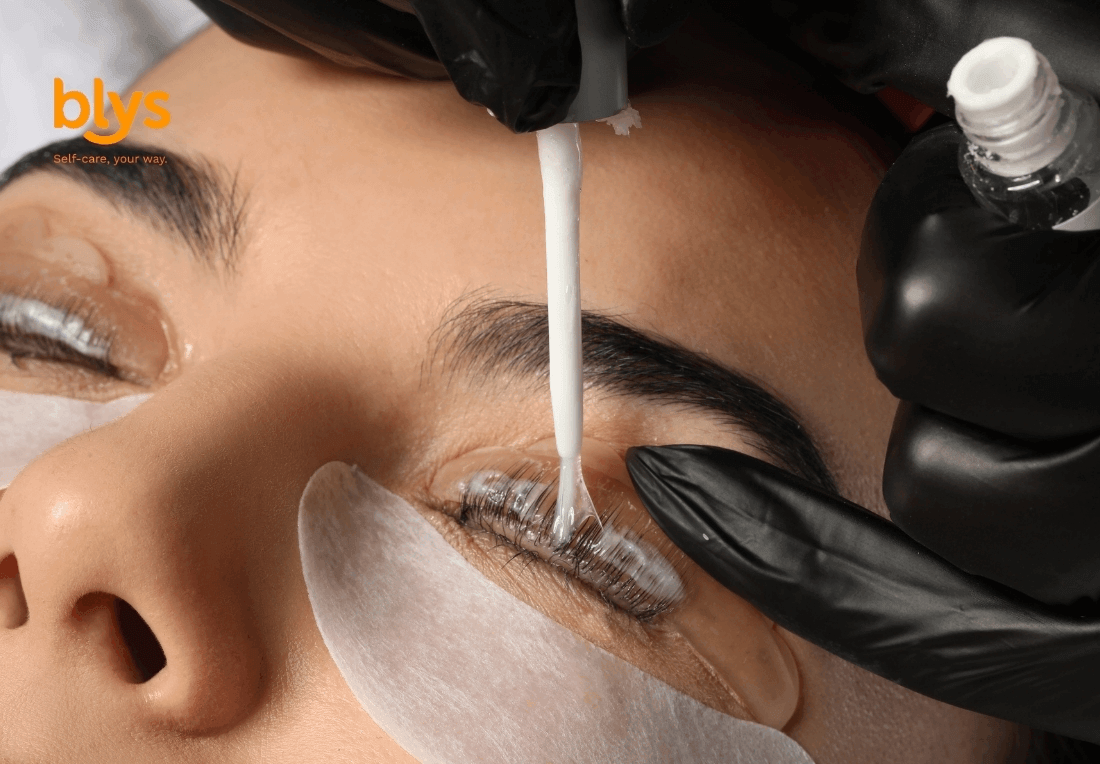
A silicone or gel pad gets placed just under the lash line, shielding the eye itself and stopping tint from touching the delicate skin underneath, before the dye is brushed onto the lashes and left to develop for around five to ten minutes.
How Long the Actual Appointment Takes
A full lash tint appointment typically runs around 15 to 20 minutes from start to finish, including setup and the shield placement, which is noticeably quicker than treatments involving any kind of shaping or restructuring work. Most of that time is simply development time, waiting for the dye to actually take, rather than active work being done.
Color Depth Options Beyond Standard Black
Most people go for black or a very dark brown-black for the most natural, mascara-like effect, though some brands offer deeper blue-black or warmer brown tones for a subtly different finish. Choosing based on natural hair color and eye color, rather than assuming black automatically suits everyone, produces a more flattering overall result.
Tint vs Lash Lift: Two Different Jobs
Eyelash tint only changes color, leaving each lash’s natural curl and direction completely untouched, which is a properly separate job from what a lash lift does. A lash lift restructures the lash itself to hold a new curl, and the two get combined often specifically because color and shape are two different problems that happen to sit on the same lash.
How Long Does Eyelash Tint Last?
Tinted lashes make people look noticeably more awake without anyone being able to pinpoint exactly why, which is either an excellent trade secret or a mildly unsettling superpower, depending on your relationship with compliments.
The Real Timeline
Four to six weeks is the realistic range most people get, with individual lash growth rate, how often the eye area gets cleansed, and general skin turnover all shifting where in that range a specific result actually lands. Brow tint fades on a slightly different timeline, since the two treatments work on different hair with different growth cycles, even though the underlying tinting process itself is nearly identical.
Why Lash Tint Fades on Its Own Schedule
Lash hair has its own natural growth and shedding cycle, separate from brow hair or hair on the scalp, and tinted lashes fade as untinted new lashes grow in to replace the ones that were actually colored. This is the same basic biology behind why any hair treatment eventually fades, not a flaw specific to tinting.
Why Two People Can Get Different Results From the Same Tint
Individual lash growth rate varies enough between people that identical tint, applied by the same technician on the same day, can still fade at noticeably different speeds for two different clients. This isn’t a sign anything went wrong with either appointment, just normal biological variation doing what it always does.
Tint Can Also Fade Unevenly Across the Lash Line
Lashes near the inner and outer corners sometimes shed and regrow on a slightly different rhythm than the lashes in the center of the lash line, which can mean one section looks like it needs a refresh before the rest does. This is a normal, expected pattern rather than a sign the application itself was uneven to begin with.
Upkeep Between Appointments
None of this requires daily effort, just a few real habits that protect the result for the full stretch it’s actually built to last.
Avoiding Oil-Based Products Near the Eyes
Oil-based makeup removers and heavy eye creams used directly on the lash line can break down tint faster than a gentler, oil-free product would, so switching products in this specific area protects the result considerably longer.
Pool and Salt Water Considerations
Chlorinated pools and salt water both accelerate fading, the same way they affect other cosmetic color treatments, so minimizing direct exposure in the days right after a fresh tint keeps the color looking deeper for longer.
Lash Growth Serums Can Interact With Tint Too
Some lash growth serums contain active ingredients that can gradually lighten tinted color faster than skipping them would, since the same ingredients encouraging growth can also affect how long color sits in the hair shaft. Using a serum and wanting the tint to last as long as possible are two goals that occasionally pull in slightly different directions, rather than always working together perfectly.
Sticking to a Consistent Reappointment Schedule
Booking a fresh tint every four to six weeks keeps color looking consistently deep rather than letting it fade all the way back to natural before starting again from a more noticeable contrast each time.
Who Should Be More Cautious With Eyelash Tint
Anyone with a history of eye sensitivity, previous allergic reactions to hair dye, or active skin conditions around the eye area should raise this outright with a technician before booking, since these factors actually increase the chance of an uncomfortable reaction. A patch test matters more for this group specifically than it does for someone with no prior history of sensitivity at all.
Eyelash Lift and Tint Together
Combining a lift and tint in one appointment ranks among the more popular lash combinations, since curl and color solve two separate problems that most people want addressed at the same time anyway. Checking a provider’s reviews for specific mentions of lift and tint experience together gives a clearer sense of who can actually deliver both parts well, rather than being skilled at only one half of the combination.
Eyelash tint on its own is generally one of the more affordable eye-area treatments available, given the short appointment time and simple process involved, with combined lift and tint sitting a little higher given the extra time both treatments actually take together.
Mentioning that you want both done together when booking through Blys lets a technician plan the appointment properly from the start, rather than treating it as two separate add-ons.
Get Your Lashes Tinted at Home →
Frequently Asked Questions
Does eyelash tinting hurt?
No, it shouldn’t cause any pain. The main sensation is simply lying still with eyes closed while the tint develops, with no discomfort beyond that for most people.
Can eyelash tint be done on lashes that already have extensions?
Not usually in any real way, since extensions are already a fixed color that tint won’t noticeably change, and the adhesive bond makes close application to individual lashes considerably more difficult.
Is eyelash tint safe for people who wear contact lenses?
Generally yes, though removing contacts before the appointment is the safer, more comfortable option, the same precaution that applies to most eye-area treatments.
How soon after eyelash tinting can you wear waterproof mascara?
Waiting at least a day gives the tint time to properly settle, and waterproof formulas specifically can be harder to remove without extra rubbing, which risks fading the fresh tint sooner than necessary.
Is eye makeup still fine to wear the day of tinting, just not waterproof mascara?
Light eye makeup generally sits fine as long as it’s applied after the appointment rather than right before, since residue already on the lashes beforehand can interfere with how evenly the tint actually develops.
Can eyelash tint cause your eyes to water during the appointment?
Mild watering is a normal reaction for some people as the eyes respond to having something applied so close by, and it usually settles quickly once the tint is removed and the eyes are rinsed.
Does eyelash tint work on very pale or white lashes equally well?
Often it shows the most dramatic change on paler lashes specifically, since there’s a bigger visual contrast between the original color and the tinted result compared to lashes that already start out quite dark.
Should eyelash tint be done before or after an eyelash extension appointment?
Tinting beforehand makes more sense if both are wanted, since extensions are applied directly to natural lashes and tinting afterward risks affecting the adhesive bond or the extensions themselves. Spacing the two appointments out by a day or two, rather than booking both in the same session, also gives the natural lashes a brief rest between two separate processes.
Can you request a specific tint shade for lashes the way you can for brows?
Yes, though most people stick with black or a very dark brown-black since that’s what naturally reads as “mascara already applied,” rather than experimenting with lighter or more unconventional shades.
Does caffeine or rubbing your eyes affect how long a lash tint lasts?
Rubbing your eyes has a real effect, since the friction can wear down tinted color faster than it would naturally fade on its own, while caffeine itself has no real impact on the tint specifically.