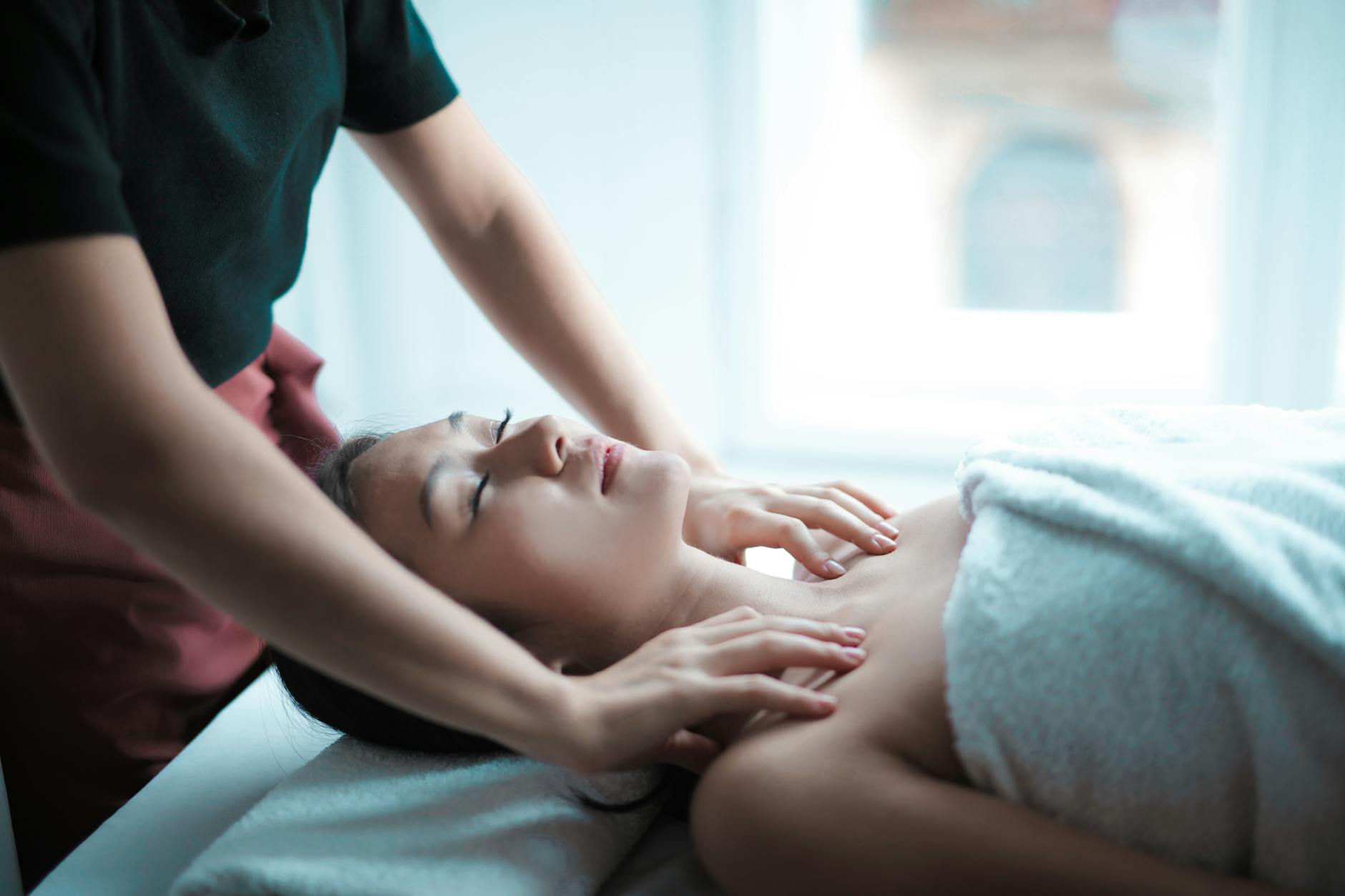
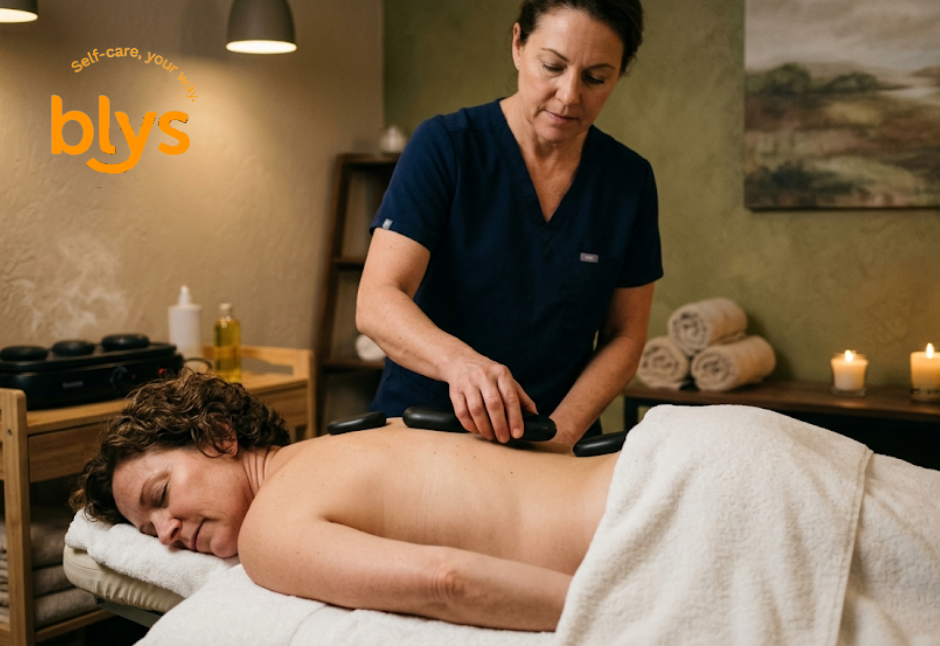
 If you live with chronic back pain, tight muscles, or the nagging ache of sciatica, you’ve probably considered every option on the table. Stretching, physio, heat packs, pain relief, and maybe, at some point, hot stone massage. But is hot stone massage good for back pain specifically, or is it more of a relaxation treatment than a therapeutic one? The short answer is it can be both, and for the right conditions, it works remarkably well.
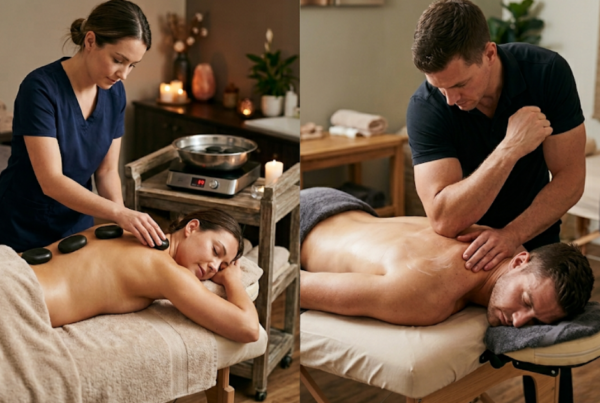
Hot stone massage uses smooth, heated basalt stones placed along key points of the body and worked directly into the muscles. The heat penetrates deeper than hands alone can reach, helping to relax muscle tissue, improve circulation, and relieve tension in ways that make it genuinely useful for people dealing with musculoskeletal discomfort.
This post breaks down what hot stone massage can and can’t do for specific conditions like back pain, sciatica, arthritis, fibromyalgia, and general muscle tension and helps you work out whether it’s the right treatment to book or whether another approach might serve you better.
How Hot Stone Massage Works on the Body
Before getting into specific conditions, it helps to understand the mechanism. Hot stone massage isn’t just a warm-up variation on a Swedish massage. The heat does something different to the tissue.
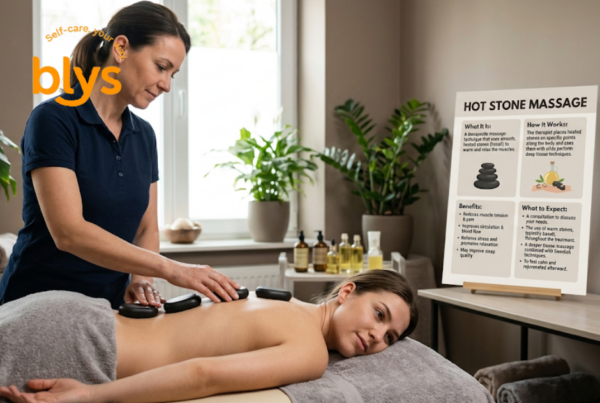
Heated basalt stones, typically held between 50 and 60 degrees Celsius, are placed on areas like the spine, shoulders, hands, and legs. When applied with gentle pressure, the warmth penetrates the muscle fibers, causing them to relax and expand. Blood vessels near the surface dilate, increasing local circulation and bringing more oxygen and nutrients to the area. Muscle guarding the involuntary tightening that happens around an injured or painful area tends to soften under sustained heat.
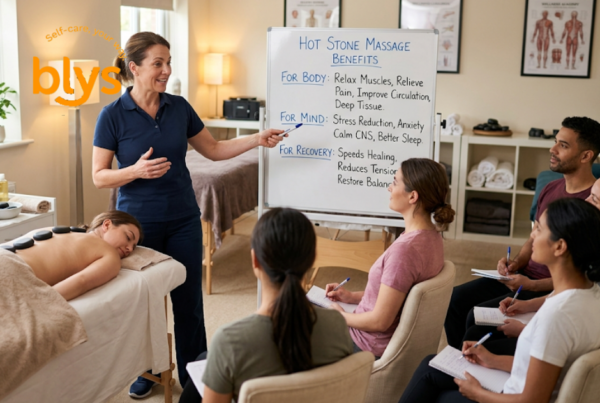
This makes hot stone massage particularly effective for people whose pain is driven by muscular tension or restricted blood flow rather than structural damage. It also helps with the nervous system: warmth has a parasympathetic effect, signaling the body to downregulate stress and move out of a heightened state. That’s partly why people come out of a hot stone session feeling deeply calm, not just physically looser.
If you’re new to the treatment, it’s worth reading more about how hot stone massage works and what to expect before you book your first session.
Is Hot Stone Massage Good for Back Pain?
Back pain is one of the most common reasons people seek massage therapy, and hot stone massage can be genuinely effective here with some important nuances.
Muscular Back Pain and Tension
For back pain that stems from tight muscles, postural strain, or prolonged sitting, hot stone massage is an excellent fit. The combination of heat and hands-on pressure works directly on the muscle groups that tend to seize up: the erector spinae, trapezius, rhomboids, and lumbar muscles.
Many people with chronic lower back tension find that a hot stone session provides longer-lasting relief than a standard massage because the heat allows the therapist to work more deeply without causing discomfort.
Research published on PubMed supports the use of thermotherapy (heat application) in the management of non-specific lower back pain, with evidence that heat can reduce pain intensity and muscle spasm in the short term.
When to Be Cautious
Hot stone massage is not right for every kind of back pain. It may help muscular tension, but it is less suitable for pain linked to injury, inflammation, nerve compression, or structural problems.
If your pain is related to a recent injury, active inflammation, a herniated disc, or spinal stenosis, heat may aggravate symptoms instead of easing them. Pain that feels sharp, severe, or new, or comes with numbness, weakness, or pain running down the leg, should be checked by a GP or physiotherapist before you book a massage.
It is also important to tell your therapist about any diagnosis, recent injury, flare-up, or scan result before the session starts.
| Type of back pain | Is hot stone massage a good fit? | Best next step |
| Muscle tightness or postural strain | Usually yes | Massage may help ease tension |
| Recent injury or inflammation | Not usually | Get medical advice first |
| Herniated disc or nerve pain | Use caution | See a GP or physio first |
| Spinal stenosis or structural issue | Not ideal | Seek proper assessment first |
In general, hot stone massage works best when the pain is muscular rather than medical or structural. When the cause is unclear, or symptoms are getting worse instead of better, a proper assessment should come first. That way, massage can be used at the right time and as part of the right care plan, rather than as a trial-and-error fix.
Can Hot Stone Massage Help with Sciatica?
Sciatica can be more complex than general back tension because it involves irritation or compression of the sciatic nerve. Whether hot stone massage helps depends less on the name of the condition and more on the cause of the pain. The NHS notes that sciatica happens when something presses or rubs on the sciatic nerve, with common causes including a slipped disc, spinal stenosis, spondylolisthesis, or back injury.
If the pain is being aggravated by tight muscles around the lower back, glutes, or hips, hot stone massage may help ease the surrounding tension. In that situation, the heat can relax the soft tissue, reduce guarding, and make the area feel less restricted. Heat can also be helpful for ongoing pain after the first few days, which is why it may suit some people with mild sciatica symptoms that respond well to warmth.
That said, hot stone massage is less likely to help if the sciatica is being driven by a structural problem such as a herniated disc or spinal stenosis. In those cases, the massage may ease tight muscles around the area, but it will not fix the underlying nerve compression. If symptoms include numbness, weakness, or pain travelling further down the leg, it is better to get assessed before relying on massage as a solution.
A sensible approach is to treat hot stone massage as a supportive option, not a diagnosis or cure. If your sciatica is mild to moderate, tends to feel better with heat, and has not been linked to a disc or spinal narrowing issue, it may be worth trying a gentle session. Let your therapist know exactly where the pain travels, avoid very deep pressure at first, and pay attention to how your body feels over the next 24 hours.
Hot Stone Massage for Arthritis and Fibromyalgia
Hot stone massage may offer gentle relief for conditions like arthritis and fibromyalgia, but results can vary depending on the type and severity of symptoms. Because both involve ongoing pain and sensitivity, the approach needs to be more careful, with a focus on comfort, warmth, and reduced pressure rather than deep tissue work.
Arthritis
For people with arthritis, especially osteoarthritis affecting the back, hips, or hands, hot stone massage may offer useful short-term relief. The heat can help ease stiffness, loosen the surrounding soft tissue, and make movement feel more comfortable for a period after treatment. This can be especially helpful in the morning or during colder weather, when arthritic joints often feel more restricted.
Hot stone massage may be more helpful when arthritis symptoms involve:
- Joint stiffness more than sharp inflammation
- Tight muscles around affected joints
- Reduced comfort with movement
- Pain that tends to feel worse in cold conditions
Rheumatoid arthritis needs more caution. During an active flare, heat can worsen inflammation and increase discomfort, so hot stone massage is usually best avoided. Outside of a flare, a gentler massage with moderate heat may still be appropriate, but it is best to get clearance from your rheumatologist first and let your therapist know about your condition before the session.
Fibromyalgia
Fibromyalgia involves widespread musculoskeletal pain and heightened sensitivity throughout the body, which can make any hands-on treatment feel intense. That said, many people with fibromyalgia respond well to heat-based therapies because they can help calm the nervous system without the more aggressive pressure used in deep tissue massage.
Some research including studies available through NCBI suggests that massage therapy can reduce pain and improve sleep quality in fibromyalgia sufferers. Hot stone massage may be particularly suitable because the heat allows the therapist to achieve a therapeutic effect with lighter pressure, which is often better tolerated.
If you have fibromyalgia, it’s advisable to book with a therapist experienced in the condition and start with a shorter session and build gradually.
What Hot Stone Massage Does for General Muscle Tension
Even outside of specific medical conditions, hot stone massage is one of the most effective treatments available for general muscle tension, the kind that builds up from stress, long hours at a desk, exercise, or simply carrying tension in your body day after day.
The benefits of hot stone massage go well beyond relaxation. Regular sessions can help break the tension-pain cycle, where tight muscles trigger pain that causes more tension. The deep heat relaxes the connective tissue surrounding the muscles, which is often where persistent tightness lives.
For people who find standard remedial massage too intense or who tend to brace against deep pressure, hot stone massage offers a gentler path to similar outcomes. The heat does a lot of the work, so the therapist doesn’t need to apply as much force to achieve a meaningful release.
It’s a particularly good fit for the following:
- Desk workers with chronic neck and shoulder tension
- Athletes recovering from training or competition
- People who carry stress physically: jaw clenching, shoulder hiking, shallow breathing
- Anyone whose muscles feel chronically tight despite regular stretching
For these groups, hot stone massage can feel both soothing and practical. It may ease built-up tightness, improve everyday comfort, and help the body feel less stiff after long periods of stress, sitting, or physical effort. For some people, it also works well as a regular maintenance treatment when muscle tension tends to keep coming back.
When Hot Stone Massage May Not Be Right for You
Hot stone massage is a safe, well-tolerated treatment for most people but there are situations where it’s not the right choice.
Avoid hot stone massage if you have open wounds, sunburn, or a skin condition in the treatment area; if you are pregnant (unless your therapist is specifically trained in pregnancy massage); if you have a condition that affects sensation, such as neuropathy; or if you are prone to blood clots. People with cardiovascular conditions should check with their GP before booking, as the heat causes blood vessels to dilate and heart rate to rise mildly.
If your pain is acute, recent onset, sharp, or associated with numbness or weakness, please see a medical professional before booking a massage. Massage works best as part of a broader care plan, not as a first response to undiagnosed pain.
Ready to Try Hot Stone Massage?
Hot stone massage is more than a luxury treatment for the right conditions; it’s a genuinely therapeutic tool. Whether you’re dealing with chronic back pain, muscle tension, or the wider-body discomfort of fibromyalgia, the combination of heat and hands-on care can offer relief that goes beyond what a standard massage alone can achieve.
If you’re ready to see what it can do for you, book a hot stone massage with Blys and have a qualified therapist come to you at home, at work, or wherever suits you best. You can also explore our full hot stone massage guide to learn more about what to expect from your first session.