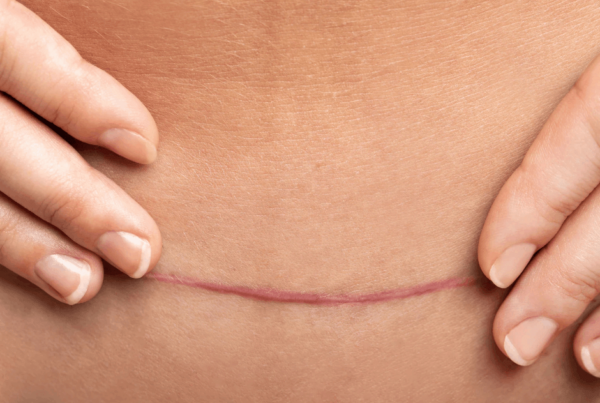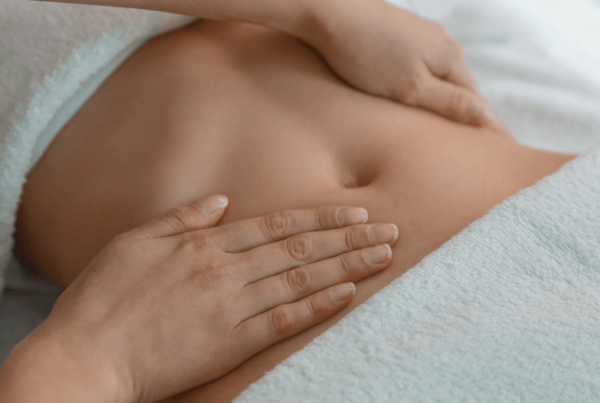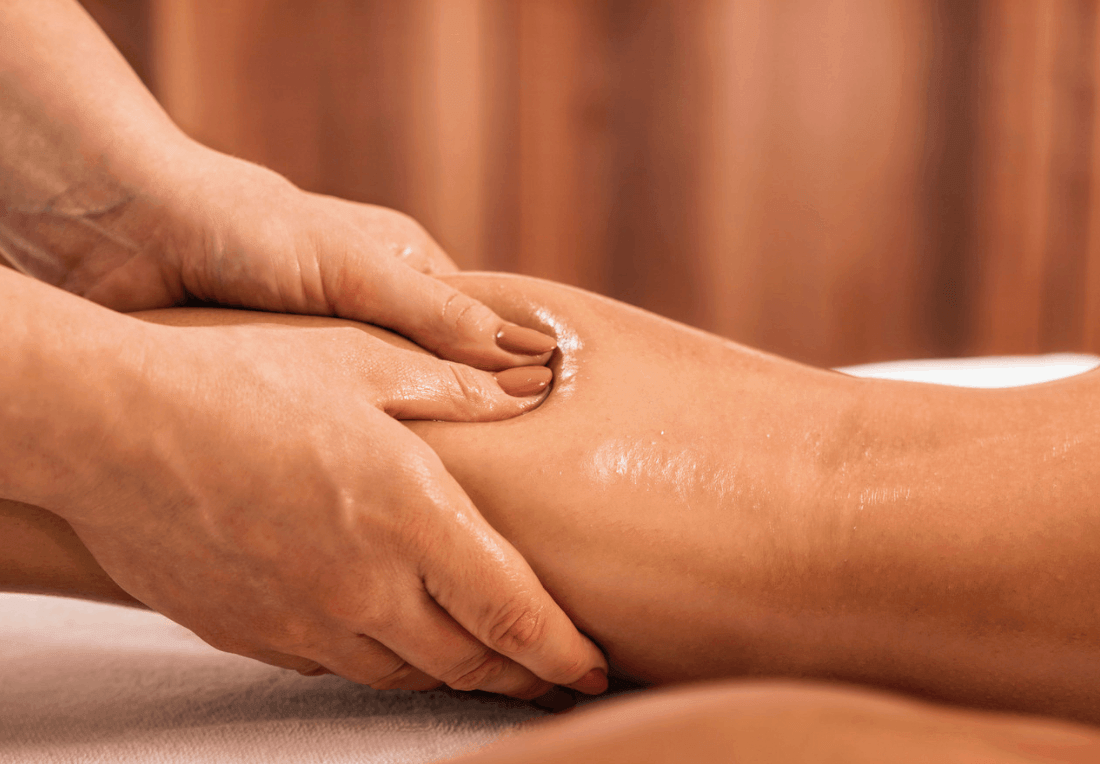
Lymphatic massage for lipedema is a gentle support that sits alongside your doctor’s plan, compression and movement, and it doesn’t treat lipedema, cure it or reduce fat. Lipedema massage works best as one small part of a bigger picture, so think of it as a supporting act for legs that already have a full schedule.
Heavy, painful legs deserve a plan that doesn’t add more travel, and a local provider can bring lymphatic drainage massage to your home, with regular sessions and no trip on the days when your legs feel their heaviest.
What Lipedema Is and Isn’t
Lipedema gets mixed up with general swelling and everyday weight gain all the time, so a clear picture of the condition makes every other decision easier.
What Is Lipedema?
Lipedema is a long-term condition in which fat tissue builds up in the legs, and sometimes the arms, in a matching way on both sides, often with tenderness and easy bruising. A doctor or specialist diagnoses it, and the rest of this page assumes you have that diagnosis or are in the middle of getting one.
How Does Lipedema Differ From General Fluid Retention?
Lipedema involves fat tissue, usually in both legs in a matching way, while general fluid retention (oedema) is swelling caused by extra fluid that often shifts through the day. The table sets out the differences people most often describe, and a doctor decides which one applies to you.
| Feature | Lipedema | General fluid retention (oedema) |
| What builds up | Fat tissue | Fluid |
| Where it shows | Usually both legs, in a matching way | Anywhere, often the feet and ankles |
| The feet | Often not affected in the same way | Often affected |
| How it feels | Can be tender, with easy bruising | Often puffy, and can leave a dent when pressed |
| Day to day | Heaviness and tenderness can vary | Often changes through the day |
| Who diagnoses it | A doctor or specialist | A doctor |
How Does Lipedema Feel Day to Day?
Many people describe lipedema as heavy, aching, tender legs, with easy bruising and a sense that the legs are bigger and harder to move than the rest of the body. The heaviness can change from one day to the next, and on the heavy days the sofa is closer than the clinic.
Is Lipedema the Same as Weight Gain?
No, lipedema is a diagnosed condition and not a lifestyle problem, and a doctor can tell the two apart. If a doctor has dismissed your symptoms as just weight, a second opinion from a doctor who knows the condition is a fair request, and your notes from heavy and tender days help that conversation.
Who Diagnoses Lipedema?
A doctor or specialist diagnoses lipedema, and a massage therapist doesn’t. Get the diagnosis first, because it shapes everything that follows, including whether lymphatic drainage suits you and how often.
Where Massage for Lipedema Fits In
Massage for lipedema is a supporting act, and the main show is your doctor’s plan, your compression and your movement.
What Is Lymphatic Massage for Lipedema?
Lymphatic massage for lipedema is lymphatic drainage massage used as one part of a wider care plan, with light, rhythmic strokes aimed at moving fluid. It’s often one piece alongside compression and movement, and your doctor decides whether it suits you.
Does Massage Reduce Fat or Cure Lipedema?
No, massage doesn’t reduce fat or cure lipedema, and no session can promise either. A lymphatic drainage session is gentle support alongside the rest of your care, and anyone claiming more is promising more than a massage can deliver, so treat big promises as a red flag.
How Do Compression and Movement Fit Alongside Massage?
Compression garments and movement sit beside massage as parts of the plan your doctor or specialist sets, and each one has its own job. Ask your doctor whether to wear your compression garment to a session, and tell your provider what your doctor said, so the session fits around the plan.
What Is Brazilian Lymphatic Drainage Massage?
Brazilian lymphatic drainage massage is a lymphatic drainage style with its own rhythm and technique, and it sits next to standard lymphatic drainage on Blys. Ask your doctor which style suits your plan, and ask your provider how Brazilian lymphatic drainage massage differs from the standard style, so you pick on facts instead of the name.
What a Lymphatic Drainage Session Feels Like
A lymphatic drainage session surprises most first-timers, because it’s the opposite of a pummeling.
What Does Lipedema Massage Feel Like?
Lipedema massage with lymphatic drainage feels like slow, light, rhythmic strokes, with far less pressure than most people expect. If you’ve braced for a thumping, relax your shoulders, because the technique is gentle and unhurried.
What Should You Tell Your Provider Before a Session?
Tell your provider where your legs feel tender, whether you wear compression and what your doctor has advised, and ask them to keep the strokes light in sore areas. Legs with lipedema can be tender, so a quick conversation at the start lets your provider adjust before they begin.
How Long Does a Session Take?
Ask about session length when you arrange it, because it depends on the service and the provider. A lymphatic drainage session at home runs for the time you’ve agreed, with no extra minutes spent getting there or waiting.
What Space Does a Session Need?
A massage table needs about 6.5 x 6.5 feet, so clear a patch of the bedroom or living room, and your provider brings fresh linen and towels. Ask what to wear and whether to keep your compression garment on, since the answer depends on the session and your doctor’s advice.
How Often Do People Arrange Sessions?
Frequency is a common question, and your doctor answers it better than any website can.
Who Sets How Often You Have Sessions?
Your doctor or specialist sets how often sessions make sense for you, and on Blys you can set sessions to repeat so you keep a regular slot. That means one decision with your doctor and then a calendar that runs itself, and you can ask for the same provider each time.
Why Do Regular Sessions at Home Make Sense?
Regular sessions are easier at home because you don’t travel on days when your legs feel heavy. A 60-minute clinic session with 35 minutes of travel each way is a two-hour-and-ten-minute commitment. A 60-minute session at home is 60 minutes, and the difference gets bigger on the days that need it most, which is the whole argument in mobile massage vs spa.
How Does a Home Session Compare With a Clinic Visit?
A home session saves the travel, the waiting room and the change of clothes in a public space, and it fits around your heavy days instead of the other way around. The table sets out the day-to-day differences.
| Day-to-day detail | Home session | Clinic visit |
| Travel | None | Both ways, often with a car park or public transport |
| Waiting | None, since your provider comes to you | A waiting room before your turn |
| Changing | In your own bedroom | In a clinic room |
| Heavy-leg days | You stay put | You still travel |
| Your own garment and supplies | Within arm’s reach | In your bag |
Can You Ask for the Same Provider Each Time?
Yes, you can ask for the same provider each time, so the person arriving already knows your legs, your garment and your routine. A familiar provider also means less explaining at every visit, which is a small kindness when you’re managing a long-term condition.
Working With Your Doctor and Care Team
Lipedema care usually involves more than one person, and a little coordination keeps everyone working from the same page.
Who Might Be on Your Care Team?
Your care team might include your GP, a specialist, someone who fits your compression garments and a physiotherapist, and your massage provider joins as one more pair of hands. Each person has a different job, and your doctor stays at the center, since the plan comes from them.
How Do You Keep Everyone Informed?
Tell each person what the others are doing, and keep one page of notes you can share. Include your diagnosis, your garment details, any advice from your doctor and what you’ve arranged with your provider, so nobody has to guess and nobody works at cross purposes.
What Should You Bring to a Diagnosis Appointment?
Bring a simple log of how your legs feel over a few weeks, covering heavy days, tender spots and bruising, along with a list of your questions. A short log is easier for a doctor to read than a long memory, and it gives you something concrete to point at.
Questions to Ask Your Doctor First
A short list at your next appointment saves a lot of guessing later, and your doctor has the answers that no blog can give you.
What Should You Ask Your Doctor Before Starting?
Ask your doctor six things before the first session:
- Is lymphatic drainage massage suitable for me, and when?
- How often should sessions happen alongside my compression and movement plan?
- Should I wear my compression garment to a session?
- Are there areas or skin conditions I should tell the provider about?
- Which changes should make me call you?
- Can I have your advice in writing?
Write the answers on the same page, so your provider sees them as soon as they arrive.
A Heavy-Leg Day at Home
On a heavy-leg day, the best session is the one you don’t have to leave the house for, so a little preparation makes the visit easy.
How Do You Set Up the Room?
Choose a quiet room with space for the table your lymphatic drainage massage provider brings, keep a spare compression garment within reach and put water and a chair nearby. Your provider brings the table, fresh linen and towels, so your job is a clear patch of floor and a calm room.
How Do You Keep a Tender Day Comfortable?
Tell your provider as soon as they arrive if your legs feel more tender than usual, and ask them to keep the strokes light. A warm room and a blanket within reach make a tender day easier, and a short pause when you need one costs nothing.
Arranging Lymphatic Drainage at Home With Blys
Booking through Blys connects you with a local provider who comes to your home, so there’s no travel on heavy-leg days and no waiting room.
Lymphatic Drainage or Brazilian Lymphatic Drainage?
Blys offers both lymphatic drainage massage and Brazilian lymphatic drainage massage, and you choose the one your doctor is happy with when you arrange the session. If you’re unsure, say so in your booking notes, and your provider can talk you through the options.
What Should You Ask a Provider Before the First Session?
Ask your provider five things before the first session:
- How long will the session run?
- How will you adjust the pressure in tender areas?
- Should I keep my compression garment on or off?
- What should I wear?
- Can I have the same provider for repeat sessions?
A good provider answers these in a minute, and the same questions apply to Brazilian lymphatic drainage massage and the standard style, so the answers settle most first-visit nerves either way.
What Should You Put in Your Booking Notes?
Put the style you’d like, whether you wear a compression garment, any tender areas and what your doctor has advised in your booking notes. The notes go in with the booking, so your provider arrives knowing what to expect, and nobody has to repeat the story at the front door.
When to Speak to a Doctor First
This page is general information about lipedema and massage, and it isn’t medical advice. It doesn’t diagnose any condition, and it doesn’t claim that massage reduces fat, treats lipedema or cures it. Only your doctor can tell you whether lymphatic drainage suits you and how often, so talk to them before you start, and call them about any sudden swelling, redness, warmth or new pain, especially in one leg.
Once your doctor has said it suits you, a regular slot at home means a heavy-leg day doesn’t cancel the session, and the sofa stays right where it is.
No Travel on Heavy-Leg Days: Arrange Lymphatic Drainage at Home →