Does massage help anxiety? It may help many people feel calmer in the body, by easing tight muscles, slowing your breathing and giving your mind a quiet hour, but it’s a calming extra and not a treatment, and it works best alongside professional support if anxiety is running your days. Swedish and aromatherapy massage are the usual picks, and many people try one every few weeks. Anxiety is a smoke detector that goes off when you make toast, and massage can’t swap the batteries, though it can help you stop clenching everything while it beeps. If the thought of travelling to an appointment makes it worse, a therapist can come to your home, and Swedish massage at home is a gentle place to start.
This post is about anxiety specifically, and it’s honest about the limits, so you’ll also find when to ask for professional help near the end. For everyday stress rather than anxiety, in-home massage for stress relief is the better fit.
Does Massage Help Anxiety?
Does massage help anxiety? Often a little, for a lot of people, and the honest limit is that it won’t replace therapy or medical care if you need them. Massage won’t talk your brain out of the group chat, but it can turn down the volume on the body.
The Short Answer
Can a massage help with anxiety on a tough day? Often, a bit. Does massage help anxiety in the moment? Often, yes. Massage for anxiety is popular because many people feel calmer, looser and sleepier after a gentle massage, and some notice their worry feels a bit quieter for a while. How long that lasts, and how much it helps, varies a lot from person to person.
Can a Massage Help With Anxiety?
Can a massage help with anxiety? Massage for anxiety can help you relax and ease the muscle tension anxiety brings, and that can make the day feel easier. It can’t treat an anxiety disorder, and if anxiety is getting in the way of work, sleep or relationships, talk to a doctor about proper support.
Can Massage Help Anxiety Long Term?
Can massage help anxiety long term? Research looks mixed on lasting effects, and the best evidence is for short-term calm. Regular massage may become a useful habit in your toolkit, as long as it sits alongside other support and not instead of it.
What the Research Suggests
Does massage help anxiety according to research? A little, for a while. Some studies and reviews linked massage to lower anxiety scores, especially right after a session, but many studies were small and varied in quality. The honest summary is that massage for anxiety looks promising for short-term relief and comfort, and it isn’t proven as a treatment.
How Massage May Calm the Body
Slow, steady touch, a quiet room, warmth and a long stretch of slow breathing can all nudge your body out of fight-or-flight. Easing the tight shoulders, neck and jaw that anxiety loves can also make the body feel less on edge. Your to-do list will still be there afterwards, but it might not be shouting.
What Massage Can’t Do
Can massage help anxiety by itself? Not completely. Massage can’t fix the causes of anxiety, change anxious thinking or replace talking therapies, medicines or advice from your doctor. It also isn’t a quick cure, and feeling better for a day is a good thing, not a failure if the worry comes back.
How Anxiety Shows Up in the Body
Anxiety isn’t only in the head, and the body often carries it. Knowing where you hold it helps you and your therapist choose where to focus.
Shoulders, Neck and Jaw
Anxious shoulders sit up around your ears like they’re trying on earrings, and the neck and jaw clench right along with them. A therapist can ease those muscles, and that often feels like a real release.
Headaches and Tension
Constant tension can bring tight, achy headaches. Headache massage for stress tension works on the neck, scalp and shoulders, and it can be a comfort when stress is the trigger.
Stomach, Breathing and Heart Rate
Anxiety can bring a knotted stomach, shallow breathing and a racing heart. Slow breathing during a massage can help, though chest pain or a heart that races for no reason needs a doctor, not a massage.
Sleep Trouble
Anxious nights are exhausting, and tired people feel more anxious, which is a rotten loop. A calming massage earlier in the evening may help some people wind down, and Swedish massage for better sleep looks at that angle.
Body Tension vs Anxious Thoughts
Massage works on the body side of the story, and your thoughts need their own care. If worry is the main problem and tension is the sidekick, therapy and support will do more of the heavy lifting.
Which Type of Massage Is Best for Anxiety?
Which massage is best for anxiety comes down to what feels calming to you, and for most people that means gentle, slow and quiet. The table gives the usual suspects.
| Massage type | What it feels like | Why people choose it for anxiety |
| Swedish | Gentle to moderate, flowing strokes | Slow, rhythmic and relaxing |
| Aromatherapy | Swedish-style strokes with scented oils | Scent can add to the calm |
| Reflexology | Light, specific pressure on the feet | Quiet, soothing and low effort |
| Head, neck and scalp | Gentle work on the head and shoulders | Reaches the places tension collects |
| Deep tissue | Slow, firm pressure | Better later, for stubborn knots |
Swedish Massage
For massage for anxiety, Swedish is the classic calm-down massage, with long, flowing strokes and moderate pressure. It’s a good first choice if you’ve never had a massage or you’re nervous, and a Swedish session is a gentle way to find out what you like.
Aromatherapy Massage
Aromatherapy massage sessions pair gentle strokes with scented oils like lavender or chamomile, and many people find the scent adds to the calm. Lavender isn’t a medicine, it’s a nice smell with good PR, but a pleasant scent can still help you unwind. Tell your therapist about allergies, asthma, pregnancy or scent sensitivity first.
Reflexology
Reflexology uses light, specific pressure on the feet, and many people find it quiet and soothing. The benefits of reflexology are mostly about relaxation, and the idea that foot points map to organs isn’t proven.
Head, Neck and Scalp Work
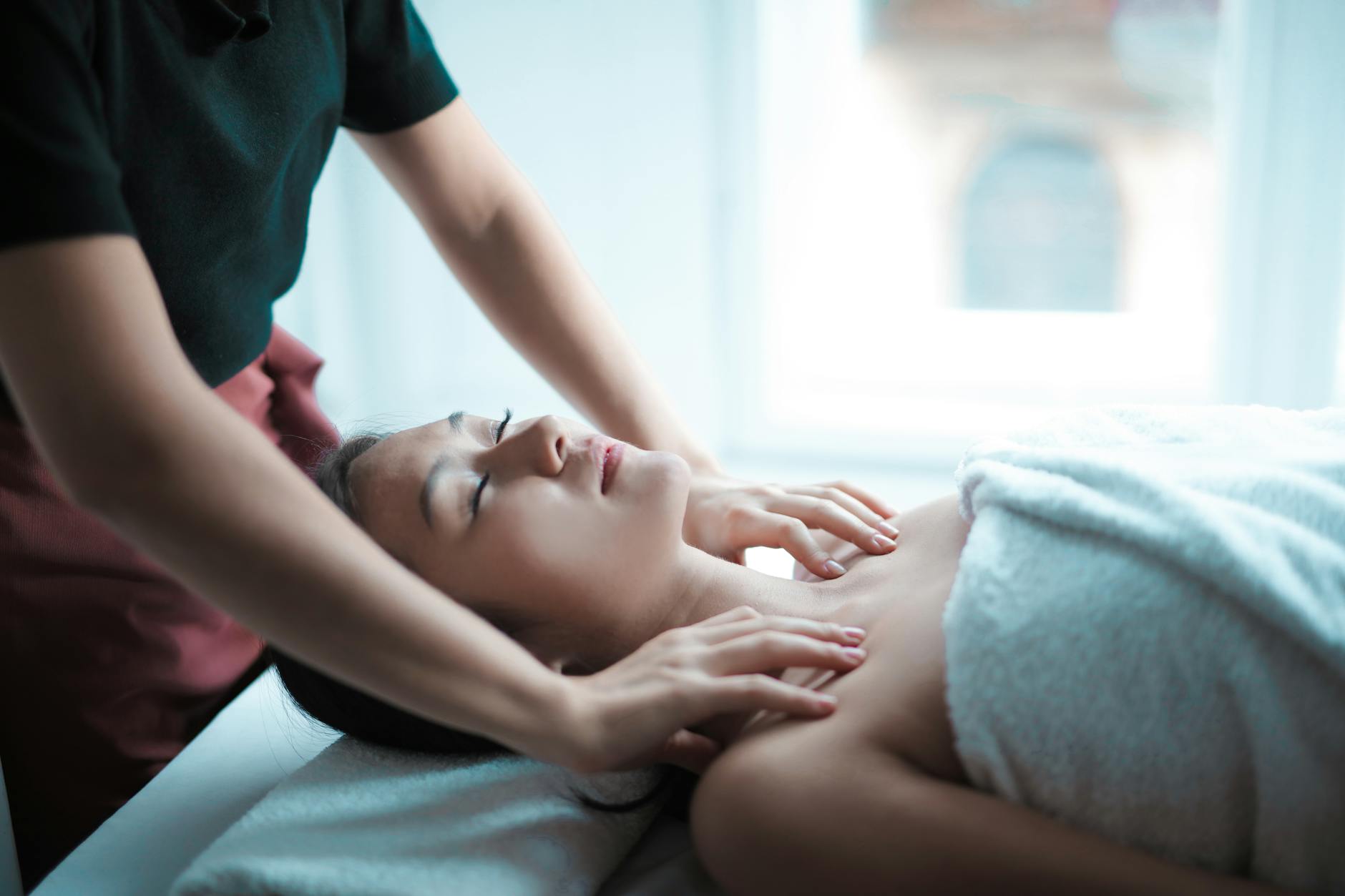
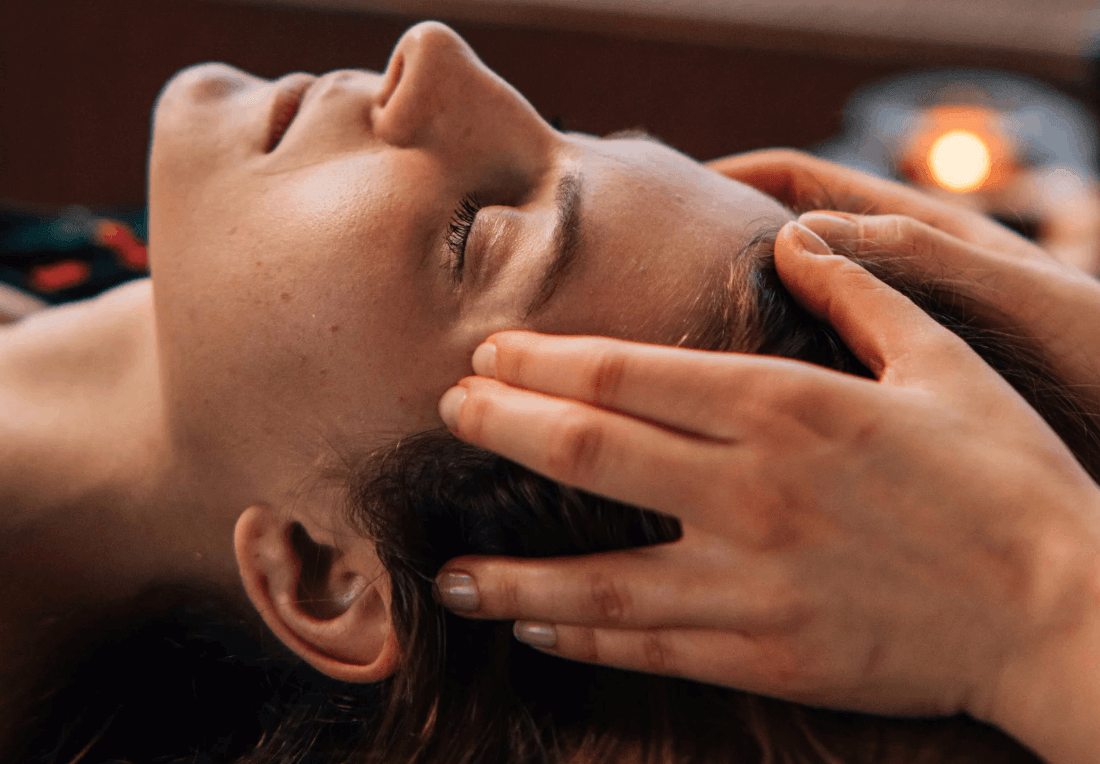
Massage for anxiety often includes the head and neck. Gentle work on the scalp, neck and shoulders reaches the places anxious tension loves, and it can feel like a reset button, even though it isn’t a restart. Ask your therapist to include it in a Swedish session.
Deep Tissue and Firmer Work
Deep tissue is great for stubborn knots, though intense pressure can feel like too much when you’re already wound up. Many people start gentle, then try firmer work later if they want it.
How Much Pressure Is Right?
Lighter is fine, and nobody gets bonus points for suffering. If you’re clenching, holding your breath or bracing, it’s too much, so say so and ask your therapist to ease off.
How Often Should I Get a Massage for Anxiety?
How often should I get a massage for anxiety? There’s no single answer, and the research on frequency is thin. Many people try one every two to four weeks, and some add extra sessions during a rough patch, since how often to get massage for anxiety depends on how loud life is.
One Session vs a Routine
One session can give you an hour of calm, and a routine can make that calm a habit. If you enjoy it and it fits your budget, a regular slot gives your body something to look forward to.
During a Stressful Stretch
When life is loud, some people arrange a session every week or two for a while, then ease off. It’s a way to give your body a regular break while things are intense.
Keeping It Up
For massage for anxiety, consistency counts. Once things settle, many people go monthly, or just when they feel wound up. A rhythm you can keep is better than a perfect plan you drop after two weeks.
Listening to Your Body
If a session leaves you calm, keep going, and if it leaves you more wired, tell your therapist and try something gentler. Your body is the best guide you have.
Budget and Combining With Other Support
You don’t have to spend a fortune, and massage works best alongside sleep, movement and professional help if you need it. Think of it as one tool in a kit, not the whole workshop.
What to Expect From a Massage When You’re Anxious
Walking into a massage when you’re anxious can feel like a lot, so it helps to know what happens.
The Chat at the Start
Your therapist asks about your goals, any health conditions, pressure and anything you’d like to avoid, and Swedish massage benefits, techniques and what to expect lays out the flow. This is the moment to mention anxiety, so they can adjust the pace and the way they talk.
Staying in Control
You stay covered with towels, your therapist uncovers only the area they’re working on and you can ask to pause, change pressure or stop at any time. Having that control is a big part of feeling safe.
Breathing Along
A simple trick is to breathe in for four counts and out for six while your therapist works. It’s not a restart button, but it’s a decent reset, and many people find it deepens the calm.
After the Session
Take a few quiet minutes, drink water and go easy on your schedule. Many people feel floaty or sleepy afterwards, so a calm evening keeps the effect going.
Why Booking at Home Removes the Travel Stress
Finding parking when you’re already anxious is a cruel little side quest. A therapist who comes to you takes out the part of the day that makes your chest tight.
The Commute and Parking Problem
For massage for anxiety, the trip itself can undo the benefit. Getting to a clinic means traffic, parking, finding the door and arriving on time, which is plenty to get anxious about before the massage even starts. At home, you skip all of it.
Waiting Rooms and Strangers
The waiting-room magazine from 2019 does nothing for anxiety, and sitting around with strangers can make it worse. At home, the session begins when you’re ready, in a space you already know.
Your Own Space, Your Own Rules
At home you can pick the lighting, the music and whether you chat or stay quiet. You also walk to the couch afterwards, instead of driving home still relaxed and wobbly.
What to Tell Your Therapist
Say you have anxiety, and what helps: quiet or a little chat, music, lighting, pressure and any areas you’d rather skip. You can also say what’s a trigger, like certain scents, and agree on a signal to pause or stop at any time.
How Booking Works
You pick the service and time, a local provider accepts, and you’re not charged until a provider confirms. Blys lists Swedish, aromatherapy and reflexology massage at your home, and you can book from 6 am to midnight, seven days a week. Same-day times depend on availability, and your therapist brings the table, fresh linen, towels and oil or lotion, and needs about 2 x 2 metres of floor space.
Feeling Wound Up? Arrange a Calming Massage at Home →
Massage Alongside Other Anxiety Support
Massage is a calming extra, and the bigger tools matter more.
Sleep, Movement and Breathing
Regular sleep, daily movement and slow breathing help many people with anxiety. Mindfulness exercises to combat stress and anxiety has simple ones to try, and slow breathing during a massage is a nice way to practice.
Talking Therapies and Medicines
Massage for anxiety works best as a partner to proper care. Therapies like cognitive behavioral therapy (CBT) have good evidence for anxiety, and some people also use medicines prescribed by their doctor. Massage can sit alongside these, and you should never stop a medicine because you’ve started massage.
Cutting Back on the Fuel
Lots of caffeine, little sleep and a packed diary add fuel to anxiety. Small tweaks help some people more than any single treatment.
When to Get Professional Support
Some anxiety needs more than a massage, and asking for help is a sign of good sense.
Talk to Your Doctor If
See your doctor if anxiety is hard to control, lasts weeks, gets in the way of work, sleep or relationships, brings panic attacks or makes you avoid things you used to do. Also see them for chest pain, a racing heart for no reason or breathlessness, since those need a check. A doctor can talk through options, including seeing a psychologist.
Get Urgent Help
If you’re in crisis, feel unsafe or are thinking about harming yourself, call 911, or call Lifeline on 13 11 14, which is open 24 hours. Beyond Blue also offers support on 1300 22 4636. You don’t have to wait until it’s bad enough.
A Quick Reality Check
This is general information, not medical or mental health advice. Massage can’t treat anxiety, and it doesn’t replace care from your doctor or a mental health professional. If you’re unsure about anything, ask them first.
Anxiety Questions, Take a Slow Breath
These are the questions people type into search when their chest feels tight.
Can massage make anxiety worse?
Sometimes, for some people. Strong pressure, a stranger’s touch or a scent that bothers you can feel like too much, so start gentle, say what you need and stop if you feel panicky.
Is massage or therapy better for anxiety?
They do different jobs, and many people use both. Therapy works on thoughts and coping, while massage works on body tension, so tell each provider about the other.
Does aromatherapy massage help anxiety?
Many people find a pleasant scent adds to the calm, and aromatherapy massage and its oils are a good place to see which scents suit, though evidence for specific oils looks thin. Check for allergies, asthma, pregnancy and scent sensitivity first.
Should I tell my therapist I have anxiety?
Yes, and it helps. Your therapist can adjust pressure, pace, music and how much they talk, and you can agree on a signal to pause.
Is it normal to cry or feel emotional during a massage?
It can happen, since relaxing can bring feelings up. A good therapist stays calm and gives you space, and you can ask to pause or stop at any time.
How often should I get a massage for anxiety?
Many people try every two to four weeks, some go weekly in a rough patch and some only when they feel wound up. Your therapist can suggest a rhythm, and your doctor or mental health professional can say how massage fits your wider care.
Can a therapist come to my home for massage for anxiety?
Yes, and many people prefer it, since there’s no travelling and no waiting room. Availability varies, so book early and put your preferences in your booking notes.
Why Choose Blys Mobile Massage for Your Next Session?
Blys is a mobile wellness and beauty marketplace: local providers come to your home, office or hotel for massage, nails, hair, makeup, waxing and more, plus physiotherapy. You pick the service and time, a provider accepts, and you’re not charged until they confirm, with bookings from 6 am to midnight, seven days a week. For a calmer session, that means no waiting room and no travel, and you can see the full range on the Blys services page.