Piriformis syndrome is buttock pain, sometimes with pain down the back of the leg, that can come from a tight piriformis muscle pressing on or irritating the sciatic nerve, and piriformis massage can ease tight glute muscles, though pain that feels like sciatica needs a doctor’s view first. Buttock pain is the one complaint nobody wants to describe at a dinner party and nearly everyone has had at some point.
The piriformis hides behind your glutes like a shy coworker, and a local therapist can bring deep tissue massage to your home, so you don’t have to sit in a car to get help.
Why Does My Buttock Hurt When I Sit?
Your buttock hurts when you sit because sitting squeezes the muscles and nerves there and keeps your hips bent, and a tight or irritated piriformis is one common reason. The hip joint, the lower back and the joint at the base of the spine can cause it too, so it helps to know what the piriformis is and what it does.
Where Is the Piriformis?
The piriformis is a small, flat muscle deep in the buttock that runs from the base of your spine, near the tailbone, to the top of your thigh bone, sitting underneath the big gluteal muscles. It helps turn your thigh outward and steady your hip when you walk. You can’t see it or feel it easily, which makes buttock pain hard to pin down.
How a Tight Piriformis Can Mimic Sciatica
A tight or irritated piriformis can press on or irritate the sciatic nerve because the nerve runs close to the muscle, and in some people it passes right alongside or through it. When the muscle tightens or swells, the nerve can get squeezed, which can cause buttock pain, tingling or pain down the back of the leg. Doctors still debate how common this is, so only a doctor can say whether piriformis syndrome is behind your symptoms.
Everyday Causes: Wallets, Spin Class and Long Commutes
Buttock pain from the piriformis usually builds when the muscle works too hard, stays tight or gets irritated, and a few everyday habits do most of the damage. A wallet in your back pocket is a tiny, lumpy seat cushion, and spin class is great until the piriformis files a complaint. The table sums up the usual suspects.
| Everyday cause | What it does to the piriformis |
| Long hours of sitting | Keeps the hip bent and the muscle squeezed against the seat |
| A wallet or phone in a back pocket | Presses on the muscle and nearby nerve for hours |
| Running, cycling, spin class or lots of stairs | Asks the muscle to steady the hip thousands of times |
| A sudden twist, fall or heavy lift | Strains or irritates the muscle in one go |
| Weak glutes or tight hips | Makes the piriformis work harder to share the load |
| Long car commutes | Keeps the hip bent and the muscle compressed |
Piriformis Syndrome Symptoms: What Buttock Pain Feels Like
Buttock pain from the piriformis feels like a deep ache in the middle of one buttock, often worse after sitting. It can spread toward the hip or down the back of the thigh, so it’s often mistaken for sciatica.
Signs of Piriformis Syndrome
A few signs turn up again and again in people with piriformis trouble:
- A deep ache in one buttock, often on one side only
- Pain that gets worse with sitting, especially for a long time
- Pain when you climb stairs, run or squat
- Pain or tingling that travels down the back of the thigh
- A tender spot you can press on in the middle of the buttock
- Stiffness in the hip when you stand up after sitting
Why Sitting Makes It Worse
Remote work turned the couch into a second office, and your hips are paying rent. Sitting squeezes the piriformis between the seat and your pelvis and keeps the hip bent for hours, so the muscle stays tight and the nerve nearby gets less room. Buttock pain from the piriformis often flares during a long video call or a long commute and eases once you stand and walk. Tight hip flexors from sitting add to the squeeze.
Buttock Pain That Isn’t the Piriformis
Not all buttock pain comes from the piriformis, and the hip joint, the lower back and the joint at the base of the spine can all cause it. A doctor or physical therapist can sort out the source, so a quick check comes before any massage plan, and massage options for hip pain suit the hip joint side of the story.
Piriformis vs Sciatica: What’s the Difference?
Piriformis vs sciatica comes down to where the pain starts, and sciatica is a symptom, not a verdict: it tells you the sciatic nerve is complaining, not who upset it. Piriformis syndrome is one possible cause of that irritation, and a problem in the lower back is another, so the table shows the differences people most often describe.
| Feature | Piriformis syndrome | Sciatica from the lower back (such as a disc problem) |
| Where it starts | The buttock | The lower back, often spreading down the leg |
| Typical pain | A deep ache in the buttock, sometimes down the back of the thigh | Sharp, burning or shooting pain, often below the knee |
| Lower back pain | Often absent or mild | Often present |
| What makes it worse | Sitting, stairs, running and squatting | Bending forward, coughing, sneezing or lifting |
| Tingling or numbness | Sometimes | More common, and often below the knee |
| Who can tell the difference | A doctor or physical therapist | A doctor or physical therapist |
What to Ask Your Doctor
Ask your doctor six things so the appointment gets you answers:
- Could this be my piriformis, or is it coming from my spine?
- Which exams or scans do I need, if any?
- Is massage safe for me right now?
- Which movements or positions should I avoid?
- Which signs should make me call you or go to the ER?
- Can you refer me to a physical therapist?
Why a Diagnosis Comes First
The right plan depends on the cause, and piriformis syndrome and a spinal problem need different approaches. A massage that suits a tight muscle can be the wrong move for a nerve problem in the back, so your doctor’s view comes first. Sciatica has several possible causes, from the muscle to the lower back, and if your pain starts in the lower back, the best type of massage for lower back pain depends on the cause.
Red Flags: When to Call a Doctor or 911
Most buttock pain isn’t serious, but a few signs mean a doctor comes first, and this is the part most massage posts skip.
Call 911 for These Signs
Call 911 if buttock or leg pain comes with chest pain, shortness of breath, feeling faint, sudden severe pain, or loss of control of your bladder or bowels. Don’t arrange a massage and don’t wait it out, because these signs need emergency care.
See a Doctor Before Any Massage for These Signs
See a doctor before any massage if your pain comes with numbness around your groin or inner thighs, new or worsening weakness in your leg or foot, or numbness that spreads. Also see one if you have a fever, if the pain follows a fall or injury, if one calf is swollen, red or painful, if the pain keeps getting worse or wakes you at night, or if you’ve lost weight without trying.
What This Page Is and Isn’t
This page is general information about piriformis syndrome and massage, and it isn’t medical advice. It doesn’t diagnose the cause of your pain, and it doesn’t promise that massage will fix it. Massage suits muscle tightness once a doctor has ruled out anything else, so check with your doctor first if you have any red flag or any doubt.
Piriformis Massage: Deep Tissue and Trigger Point
Piriformis massage, also called piriformis syndrome massage, works on the glutes and the deep hip muscles with firm, steady pressure, and two styles are the usual options.
Why the Piriformis Is Hard to Reach on Your Own
The piriformis is hard to reach on your own because it sits beneath the big gluteal muscles, and your hands, a foam roller and a ball can only press so deep. A therapist can have you lie on your side or front and use a forearm or elbow to find the edge of the muscle, with steady pressure you couldn’t produce yourself.
Deep Tissue Massage for the Glutes and Piriformis
Deep tissue massage uses slow, firm strokes through the deeper muscle layers, the same approach behind deep tissue massage for back pain, and it suits a broad, stubborn ache across the glutes and hips. Your therapist builds the pressure slowly and checks in as they go, so you can ask for firmer or lighter at any point.
Trigger Point Massage for Piriformis Pain
Trigger point massage therapy holds steady pressure on a tender spot in the muscle until it eases, and the piriformis often has one you can point to. The spot can feel like a sharp, deep ache while your therapist holds, then ease as they release, and it can send a dull ache toward the hip or thigh. Your therapist may spend a few minutes on one spot, building and easing the pressure as it softens, which is the whole idea behind trigger point massage and how it works.
| Style | What it involves | Suits |
| Deep tissue massage | Slow, firm strokes through the deeper muscle layers | A broad, stubborn ache across the glutes and hips |
| Trigger point massage | Steady pressure held on a tender spot | A sore spot you can point to |
What Happens in a Piriformis Massage Session
A piriformis massage session is calmer and slower than most people expect, and it follows a predictable order.
Before the Session: The Conversation
Your therapist asks where the pain sits, whether it travels down your leg, what sets it off, how long you sit each day and anything your doctor has said. Say if you’ve had any red flag signs from the section above. Your answers decide which style your therapist uses and how firmly they work.
During the Session: Positions and Pressure
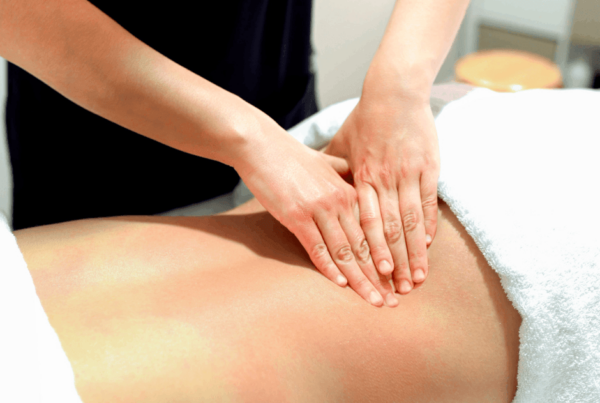
You usually lie on your side or face down with a pillow under your hips, and your therapist works on the glutes with their thumbs, forearm or elbow. Please keep your underwear on and lie under a sheet or a towel, and your therapist uncovers only the area they’re working on. Expect firm, steady pressure that feels like a deep ache at the sore spot, never a sharp or frightening pain, and speak up if it’s too much.
After the Session: What to Do Next
Some people feel a little tender the next day, like after a new workout, and some feel looser right away. Move gently, keep to your normal routine and tell your therapist or doctor if the pain gets sharper, spreads or brings tingling down the leg. A short walk beats a long sit.
How Often Do People Get Piriformis Massage?
Your doctor and your therapist decide how often makes sense for you, and it depends on how long the pain has been there and what keeps feeding it. On Blys you can set sessions to repeat and ask for the same provider each time, so the person arriving already knows your piriformis, your habits and what worked last time.
Stretches and Habits Between Sessions
Massage settles the muscle, and what you do between sessions helps keep it from tightening up again.
Stretches to Ask a Physical Therapist About
A physical therapist can show you stretches that suit your hips and your pain, and one common example is the figure-four stretch, where you lie on your back and rest one ankle on the opposite knee. A stretch should feel like a stretch and never like a protest, so stop if it brings sharp pain or tingling down the leg, and ask first if your pain is sharp or travels down your leg.
Wallets, Chairs and Desk Habits
Take your wallet and phone out of your back pockets before you sit, sit with your weight even on both sides and stand up and walk for a minute every so often. If you work from home, move off the couch and onto a firm chair for part of the day, since a soft seat lets your hips sink and your pelvis tilt.
Cycling, Running and Gym Habits
If you cycle, run or take spin class, mention it to your therapist and your physical therapist, since the piriformis works hard in all three. A saddle that’s too high or too low, a sudden jump in mileage and weak glutes can all add to buttock pain, and a physical therapist can look at your technique and your strength.
Sleeping, Walking and Everyday Movement
Sleeping on your side with a pillow between your knees, or on your back with a pillow under your knees, are common suggestions, and a physical therapist can advise on what suits you. Gentle walking often feels better than long sitting, but stop if it brings on sharp pain or tingling and check with your doctor.
Getting Piriformis Massage at Home With Blys
A sore buttock wants the couch and not the car seat, and a therapist who comes to you makes that possible.
Why Home Works for Buttock Pain
When sitting is the thing that hurts, a car trip to a clinic and back asks your piriformis to sit through the worst of it twice. A session of deep tissue massage at home means you stay in your own space and can lie down on your own couch afterward. Bookings run from 6 am to midnight, seven days a week, so an evening session after work fits around a late finish.
What to Expect When Your Therapist Arrives
Your therapist brings the table, fresh linen, towels and massage oil or lotion, and you only need to clear about 6.5 x 6.5 feet of floor. You’re not charged until a provider confirms your booking, and same-day times depend on availability. A quiet room and a sturdy chair nearby are all the space you need.
What to Put in Your Booking Notes
Put where the pain sits, whether it travels down your leg, how many hours a day you sit, what sets it off and the style you’d like in your booking notes, whether deep tissue or trigger point. Add anything your doctor has told you, so your therapist arrives knowing what to focus on and what to avoid.
Once your doctor has seen your hip and back, a session at home is an easy way to look after the muscle, and the car keys can stay on the hook.
Sore Buttock? Skip the Car Seat: Arrange Deep Tissue Massage at Home →
Frequently Asked Questions: Piriformis Syndrome and Buttock Pain
These are the questions people type into search once their buttock starts complaining.
Can piriformis syndrome cause pain down the leg?
It can, because a tight or irritated piriformis can press on the sciatic nerve, and that can send pain or tingling down the back of the thigh. Pain that travels down the leg can also come from the lower back, so a doctor or physical therapist needs to tell you which it is.
Can a bad office chair cause buttock pain?
A hard, soft or badly fitted chair can keep your hips bent and your weight uneven, which can add to buttock pain, and a wallet in your back pocket makes it worse. A firm chair, even weight on both sides and regular breaks to stand and walk help take the squeeze off.
Is heat or ice better for buttock pain?
Many people find heat comfortable on a tight buttock, and some prefer ice, and either can be a reasonable thing to try for comfort. Ask your doctor or physical therapist what suits your situation, and don’t use either on skin that’s numb or injured.
Should I stretch a sore piriformis?
A gentle stretch can feel good for some people, but stretching a sore muscle hard can make it angrier, so ask a physical therapist to show you a stretch that suits you. Stop if you feel sharp pain, numbness or tingling down the leg.
Can cycling or spin class cause piriformis pain?
They can, because the piriformis helps steady the hip with every pedal stroke, and a saddle that’s the wrong height or a sudden jump in training can overwork it. Ease off for a while if the pain flares, and ask a physical therapist to look at your setup and your strength.
How long does buttock pain from the piriformis last?
It depends on what caused it and how long it’s been building, and mild irritation can settle when you ease the habits feeding it. See a doctor if it isn’t improving, keeps coming back or comes with any red flag sign.