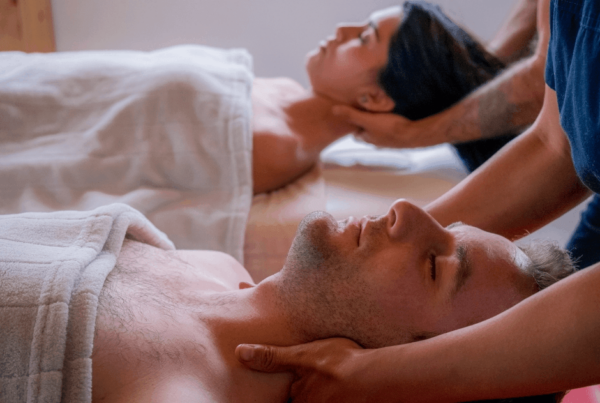
The remedial massage benefits most people are after are straightforward less pain, better range of motion, and a body that cooperates rather than resists through the work week. If you’ve been managing chronic back pain, a neck that won’t loosen up, or shoulders that stay tense no matter what you try, targeted soft-tissue therapy is worth understanding properly.
Remedial massage sometimes called therapeutic massage in clinical contexts is an assessment-driven form of soft-tissue therapy. It’s built to find and address the specific muscular dysfunction behind your pain, not just reduce how much you notice it for an afternoon. Your provider evaluates your movement and tissue before the session starts, then structures the work around what they find.
This guide covers what remedial massage benefits look like across chronic pain, posture, injury recovery and stress and explains the one advantage no clinic appointment can replicate: a vetted, insured provider who works in your home and sees your body exactly where the problem originates.
Which Pain Conditions Respond Best To Remedial Massage?
Research on PubMed supports soft-tissue massage for musculoskeletal pain, with evidence of meaningful reductions in pain intensity and improved range of motion across several conditions the CDC recognizes as leading drivers of chronic pain and reduced productivity among American adults.
Here’s where remedial massage benefits tend to be strongest:
- Lower back pain: The most common reason people seek out remedial massage benefits in the first place. Tightness in the lumbar muscles, hip flexors and glutes builds slowly through prolonged sitting and poor movement mechanics. A skilled provider targets the specific contributors rather than applying a generic routine to the whole area.
- Neck stiffness: Typically driven by forward head posture, sustained screen time and upper trapezius overactivity. Remedial massage addresses the cervical and thoracic muscles involved, restoring movement and resolving referred pain patterns that commonly cause headaches and jaw tension.
- Shoulder tension: Often a combination of rotator cuff strain and adhesions from sustained desk posture and repetitive movement. Assessment-led technique means the provider adapts to what they find in your specific tissue not standard pressure applied uniformly across the board.
- Tension headaches: Frequently originate from suboccipital tightness and referred patterns from the neck and upper back. Releasing the cervical muscles reduces both headache frequency and intensity over time with consistent sessions.
- Hip and glute tightness: Common in anyone sitting for long periods. Hip flexor and gluteal restriction affects movement patterns throughout the lower body and often contributes directly to chronic lower back pain.
Can Remedial Massage Fix Your Posture, Or Does It Just Feel Good In The Moment?
Poor posture doesn’t self-correct with time. Sitting for eight or more hours a day progressively shortens some muscle groups and weakens others, creating imbalances that gradually change how you carry your body through everything standing, exercising, sleeping.
What Sustained Sitting Is Actually Doing To Your Muscles
Prolonged sitting shortens the hip flexors, chest muscles and upper trapezius while turning off the deep stabilizers the glutes, deep cervical flexors and lower traps. The result is a pattern of overactivity and underactivity that compounds gradually. By the time it’s uncomfortable, it’s typically been developing for months.
Why The At-Home Assessment Changes What Your Provider Can Do
When you book a provider through Blys to come to your home, the postural assessment doesn’t happen on a neutral clinic table it happens in the environment where the dysfunction is developing.
The provider sees your actual chair height, screen distance and typical working position. That context changes what the session can achieve and makes the follow-up advice genuinely specific to your situation something no clinic appointment can replicate.
For a closer look at how deep tissue techniques intersect with postural work, the deep tissue massage benefits guide covers the overlap worth knowing before you book.
How Does Remedial Massage Support Injury Recovery?
Soft-tissue therapy has a well-supported role in rehabilitation. Timing and technique both matter. Here’s how remedial massage supports recovery across the most common conditions:
| Condition | What’s Happening In The Tissue | How Remedial Massage Helps | Right Time To Book |
| Lower back pain | Tight lumbar muscles and hip flexors; often combined with underactive glutes from prolonged sitting | Myofascial release, trigger point therapy and deep tissue work targeting the lumbar and hip complex | Once acute pain settles — ongoing every 2–4 weeks |
| Neck stiffness | Upper trapezius and levator scapulae overactivity; forward head posture loading the cervical spine | Targeted deep tissue and release work to the cervical and upper thoracic area | Ongoing especially after desk-heavy weeks |
| Shoulder pain | Rotator cuff strain, impingement or adhesions from sustained elevation and overuse | Assessment-led soft-tissue release technique adapted to the specific structure involved, not uniform pressure | Sub-acute phase; medical clearance required if post-injury |
| Tension headaches | Suboccipital tightness and referred pain patterns originating from the neck and upper back | Release of cervical and suboccipital muscles; postural assessment informs follow-up care | Proactive consistent sessions reduce frequency over time |
| Plantar fasciitis | Fascial tightening in the foot with calf and soleus tightness contributing to load through the arch | Calf and lower leg soft-tissue work plus direct plantar fascia release | Sub-acute and chronic phases |
| IT band syndrome | Lateral hip and quad tightness; TFL overactivity driving lateral knee irritation | TFL, glute and hip soft-tissue release targeting the driver — not just the site of pain | Sub-acute phase and ongoing maintenance |
The providers you book through Blys are vetted, insured professionals who adjust their technique to suit post-injury tissue rather than applying uniform pressure. For more on what at-home soft-tissue therapy adds to a recovery program, the mobile deep tissue massage at home guide goes into the practical advantages in detail.
What Does Remedial Massage Do For Stress Beyond Just Relaxing You?
Manual therapy actively influences the autonomic nervous system shifting the body from sympathetic (fight-or-flight) activity toward parasympathetic (rest-and-digest) function. That’s a measurable physiological change, not just a subjective feeling of relaxation.
Research into massage and cortisol levels shows that soft-tissue work can reduce circulating stress hormones and improve subjective wellbeing, which is particularly relevant for people managing high occupational stress, where the physical response is typically chronic muscle guarding in the neck, jaw and shoulders.
Having a vetted provider come to your home removes the logistical barriers that keep most people from booking consistently. No traffic. No waiting room. No driving home after a session that finally let your shoulders drop. You stay in your own space which is exactly where a parasympathetic recovery response is most effective.
Who Gets The Most From Remedial Massage And Does Booking At Home Actually Matter?
The results compound with consistent sessions. Here’s who tends to see the strongest returns from remedial massage benefits:
- Office and remote workers carrying chronic neck, upper back and shoulder tension from sustained desk posture. The postural assessment your provider conducts at home gives them real-world context no clinic table can provide.
- Athletes and active individuals managing training load, soft-tissue recovery and injury prevention between sessions. Regular remedial massage keeps tissue quality high and reduces re-injury risk over time.
- People recovering from injury or surgery who have appropriate clearance from their healthcare provider. Soft-tissue work during the sub-acute and chronic phases supports normal tissue remodelling and restores range of motion.
- Those managing ongoing conditions like fibromyalgia, tension headaches, sciatic pain or chronic lower back instability where consistent sessions help maintain function and reduce symptom intensity across the week.
- High-stress professionals whose physical tension is driven primarily by occupational load. The nervous system response to remedial massage delivers physiological benefits that go well beyond the muscular work alone.
Here’s a detail most content on this subject misses: when a provider comes to your home, the pre-treatment assessment happens in the environment where the problem actually originates. They’re not working from how you present on a neutral clinic table they’re observing your real posture, your actual home office setup, and your genuine movement patterns.
That information shapes the intake, the movement screen and the session itself in a way no clinic appointment can replicate. It’s the difference between a good session and one built entirely around you.
For a complete picture of how a remedial massage session is structured from assessment through to close what remedial massage is and how it works is the right read before you book.
Ready To Book A Vetted Provider To Your Door?
Remedial massage benefits are cumulative less chronic pain, better posture, faster soft-tissue recovery, and a nervous system that finally gets adequate rest. Those results build with consistency, and consistency gets a lot easier when a trusted provider comes to you rather than you rearranging your week for a clinic slot.
Through Blys, you can book a vetted, insured provider who works around your schedule, your home and your specific goals. Whether you’re managing persistent back pain, recovering from an injury, or just need your body performing better through the week, book a remedial massage through Blys and find a trusted local provider right to your door.