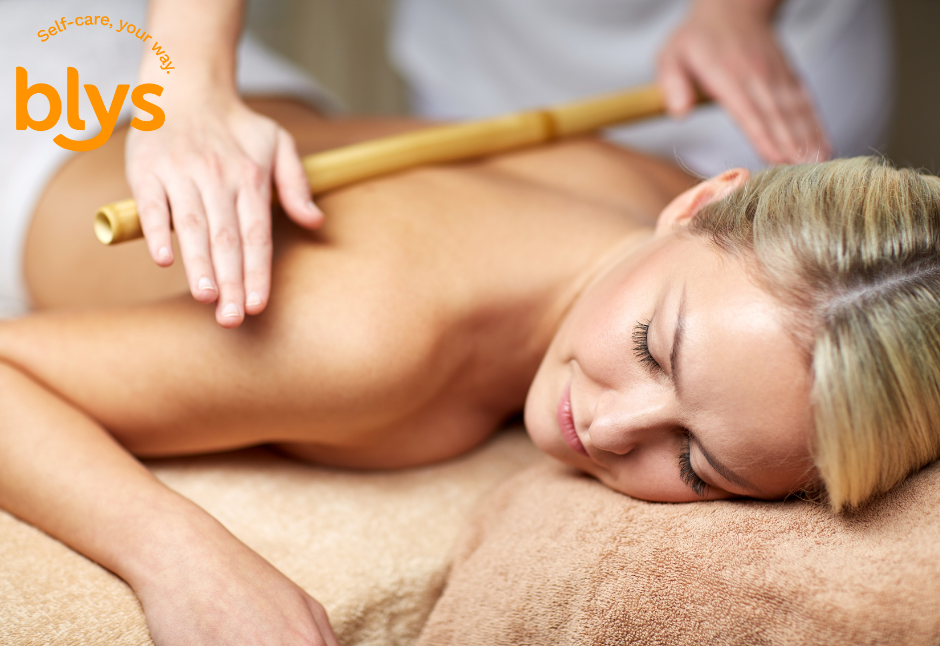
Knowing how to prepare for a massage makes the difference between a session that just passes the time and one that actually delivers results. A few simple steps before your therapist arrives, covering your space, your body, and your mindset, help you get the full benefit of the hour rather than spending the first fifteen minutes settling in.
This guide walks through everything you need, from setting up your room to knowing what to tip afterward, so you can prepare once and feel ready every time.
What Happens When You Book an In-Home Massage
Booking an in-home massage therapy session shifts the location, not the quality. Your therapist brings the table, linens, and oils, and handles setup once they arrive. Before the massage starts, you’ll have a short consultation covering your goals, pressure preference, and any areas that need attention. Then comes draping: only the area being worked on stays uncovered, while the rest of your body stays covered for warmth and privacy. Small things like a growling stomach or a light muscle twitch are normal signs your body is relaxing, not something to worry about.
How to Set Up Your Space for a Massage
A little space preparation goes a long way toward a smoother session.
Pick a private, quiet room
Choose a room where interruptions are unlikely. Turn off notifications, let housemates know you need quiet time, and close the door if you can. Good airflow adds to the sense of calm, so crack a window if the weather allows it.
Clear at least 6.5 x 6.5 feet of floor space
Your therapist needs roughly 6.5 x 6.5 feet of clear floor space to set up the table safely. Move side tables, chairs, or rugs out of the way ahead of time. Flat, stable flooring works best, whether that’s timber, tile, or carpet.
How to Set the Mood With Lighting, Music and Scent
Soft, dimmed lighting or natural daylight helps your body relax faster than harsh overhead light. Add a calming layer with aromatherapy: lavender is linked to calmness, peppermint supports focus, and citrus oils like bergamot can lift your mood. Soft instrumentals or nature sounds work well too, or bring your own playlist if you’d rather set the tone yourself. A warm towel or light blanket rounds out the setup, giving your senses just enough to settle into before the session begins.
How to Prepare Your Home Before Your Therapist Arrives
This is the part general massage advice skips, since most of it assumes you’re traveling to a clinic. For an in-home session, your therapist needs to reach your door and set up without delays. Confirm your address is accurate in your booking, and share any access details, security codes, intercom instructions, or parking notes, ahead of time. If you have pets or young children, keep them in another room during the session for safety and to avoid interruptions. None of this takes long, but it’s the difference between a session that starts smoothly and one that starts with a scramble. For more on how a calm setup supports in-home massage for stress relief, it’s worth a read before your first booking.
How to Get Your Body Ready Before a Massage
Preparing your body is as much a part of how to prepare for a massage as preparing the room. A warm shower beforehand relaxes your muscles and helps your therapist work into tense areas more easily. Avoid a heavy meal within one to two hours of your appointment, since lying face down on a full stomach is uncomfortable, a light snack like fruit or yogurt is a better option if you’re hungry. Loose, comfortable clothing that’s easy to remove, think pajamas or activewear, makes the transition into and out of the session smoother.
How to Prepare Your Mind Before a Massage
Your mindset matters as much as your setup. Take a short pause before your session to switch off from emails, calls, or errands, giving yourself space to settle before your therapist arrives. Slow, steady breathing calms your nervous system and helps tight muscles release faster once the massage begins. Setting a clear intention, whether that’s stress relief, recovery, or simply time to recharge, helps you connect more deeply with the session. If you’re recovering from an injury or procedure, our guide on in-home massage supports post-surgery recovery covers how to prepare with that specific goal in mind.
How to Prepare for Different Types of Massage
Different massage styles call for slightly different preparation.
| Massage Type | Preparation Tips |
| Deep tissue massage | Stay hydrated, wear loose clothing, and avoid strenuous activity right after your session |
| Hot stone massage | Keep your space clear of clutter, and talk to your therapist about your heat preference |
| Aromatherapy massage | Mention any scent sensitivities or allergies before your session starts |
| Prenatal massage | Check trimester safety, arrange supportive cushions, and get medical clearance for high-risk pregnancies |
Tailoring your prep to the massage type helps your body get the full benefit. Expecting clients in particular benefit from a look at prenatal massage benefits for mums-to-be before booking.
What First-Timers Should Know Before Their First Massage
If this is your first session, a little context goes a long way toward feeling at ease.
Massage etiquette basics
Undress only to the level that feels right for you, underwear stays on and draping keeps you covered throughout. Talking or staying silent are both fine, what matters is speaking up if pressure or temperature needs adjusting. A quick shower beforehand is ideal, but body hair is never an issue, and heavy perfumes or lotions are best skipped.
Common first-time massage questions, answered
Feeling ticklish, dozing off, or your stomach growling are all normal and don’t faze a professional therapist. If you’re ticklish, slow and steady pressure helps, just mention it upfront. Falling asleep mid-session is common too, it’s simply a sign your body is relaxing.
Health conditions to mention to your therapist
Always mention past injuries, chronic conditions, pregnancy, or medications like blood thinners. Conditions such as suspected DVT, uncontrolled hypertension, fever, or recent fractures need medical clearance first. For a full look at what a first session involves, our full-body massage guide breaks it down step by step. Evidence shows massage can increase circulation, which is exactly why conditions affecting blood flow need a professional’s sign-off first.
Why Swedish Massage Is the Best Choice for Beginners
Swedish massage is a gentle starting point because it eases you in rather than challenging tense muscles right away. Long effleurage strokes and light to moderate kneading warm the muscles without overwhelming the body. Massages have been found to reduce cortisol, and Swedish technique in particular helps activate the parasympathetic nervous system, shifting your body into rest mode. Compared with deep tissue or remedial work, it’s the most approachable option if you’re unsure about pressure levels.
What to Tell Your Massage Therapist Before You Start
Open communication shapes the entire session.
- Share your health history: past injuries, chronic conditions, or ongoing pain
- State your goals: stress relief, recovery, or easing a specific ache
- Say your pressure preference upfront: firm, moderate, or light
- Flag any sensitive or off-limits areas before the massage begins
- Give feedback during the session, a simple “a little lighter here” helps your therapist adjust in real time
What to Expect During and After Your Massage
During the session, your therapist arrives fully equipped and starts with a short pre-session chat about your preferences. You’ll stay covered with towels throughout, with only the area being worked on exposed. Afterward, it’s common to feel a mix of relaxation and mild soreness as your body shifts into a calmer state. Research shows massage can reduce cortisol and activate the parasympathetic nervous system, which explains the deep, floaty calm many people feel once the session ends. For tips on carrying that calm into your evening, our relaxation massage sleep benefits guide explains how to make the most of it.
How to Aid Recovery After a Massage
Stay hydrated for the rest of the day, since massage encourages circulation and your body needs water to flush out what’s been released. Avoid strenuous exercise, long stretches of sitting, or high-stress plans for a few hours afterward. Light stretching, a warm bath, or a short nap all support the recovery your body is already doing on its own. Building small habits like these into your regular routine is what turns one good massage into a lasting wellness practice.
How Much to Tip Your Massage Therapist
Tipping isn’t required in the US, but it’s a common way to show appreciation for good service.
Standard tipping amounts by session length
The standard tip is 15% to 20% of the service cost.
| Massage Duration | Average Cost | Recommended Tip |
| 1 hour | $80 | $12 to $16 |
| 90 minutes | $120 | $18 to $24 |
| 2 hours | $160 | $24 to $32 |
For a closer look at what drives those base prices, see how much a massage costs.
What to do if you weren’t happy with the massage
It’s fine to adjust your tip if the session didn’t meet expectations, a smaller tip still acknowledges your therapist’s time. Sharing polite, specific feedback helps more than silence, since your therapist can’t adjust to something they don’t know about. For more on how different styles affect a session, our guides on deep tissue technique, sports massage, and types of massage can help you find a better match next time.
Why Book Your Massage Through Blys
Once you know how to prepare for a massage, the next step is booking one that fits your life. Book through Blys and a professional, insured provider arrives at your door with everything needed for the session, no travel, no waiting room, no rushed schedule. Whether you’re booking for stress relief, muscle recovery, or a bit of dedicated time for yourself, in-home sessions bring the same standard of care as a spa, just on your terms.
Ready to experience the difference? Book your trusted in-home massage with Blys today and see how preparation can turn a simple session into lasting well-being.
Frequently Asked Questions About Preparing for a Massage
How much space do I need for an in-home massage?
Around 2×2 meters of clear floor space is enough for your therapist to set up the table safely. This gives them room to move around the table comfortably and work from every angle without bumping into furniture. If your space is smaller, simply move a chair, rug, or side table out of the way before your session begins.
What do I need to provide for my massage therapist?
Very little. Your therapist brings the table, linens, oils, and music, so you just need to clear the space and make sure the room is ready. Clean towels are optional since your therapist supplies fresh ones, though you’re welcome to use your own if you prefer. Beyond that, all you need is a quiet room and a bit of floor space.
Should I shower before my massage?
It’s recommended but not required. A warm shower beforehand relaxes your muscles, increases blood flow, and makes it easier for your therapist to work into areas of tension. If you’re short on time, even a quick rinse or washing your face and hands offers a small reset before your session starts.
What should I wear to an in-home massage?
Loose, comfortable clothing that’s easy to remove, like pajamas, activewear, or a robe, makes the process smoother before and after your session. Avoid tight jeans, complicated straps, or multiple layers, since you’ll want to slip back into something cozy once the massage ends. Your therapist will always give you privacy while you change.
Do I need to be completely undressed for a massage?
No. Undress only to the level that feels comfortable for you, and professional draping keeps the rest of your body covered throughout. Only the area being worked on is uncovered at any time, and you can request adjustments whenever you like. This is entirely your choice, not a requirement.
Is deep tissue massage supposed to hurt?
Mild discomfort is normal as pressure reaches deeper muscle layers, but pain is never part of the process. If the intensity feels overwhelming at any point, speak up so your therapist can adjust their technique. A good deep tissue session should feel firm and focused, not painful.
Is tipping expected for a massage in the US?
No, tipping is optional and never required. Many clients choose to tip 15% to 20% as a way of showing appreciation for good service, especially after a session that addressed their specific needs well. Whether or not you tip, and how much, is entirely up to you.
How much should I tip my massage therapist?
The standard range is 15% to 20% of the service cost. For a one hour session priced at $80, that works out to a $12 to $16 tip, while a 90 minute session at $120 typically falls between $18 and $24. Exceptional service or a longer, more involved session can be a reason to tip closer to the higher end.