 Becoming a prenatal massage therapist is one of the most meaningful specializations a massage professional can pursue. Demand for skilled, insured practitioners offering in-home sessions has grown significantly as expectant parents across the US look for expert bodywork that comes to them not the other way around.
But this is a specialization that demands more than interest. Pregnancy transforms the body across each trimester, and a professional working in this space needs solid training, a working knowledge of contraindications, and the communication skills to build real trust with clients who are often navigating physical discomfort and a lot of unanswered questions.
This guide covers licensing requirements, training pathways, what clients genuinely need from a prenatal massage therapist, and how in-home delivery changes the practical realities of the role including how platforms like Blys connect vetted providers with clients who are ready to book.
What A Prenatal Massage Therapist Actually Does
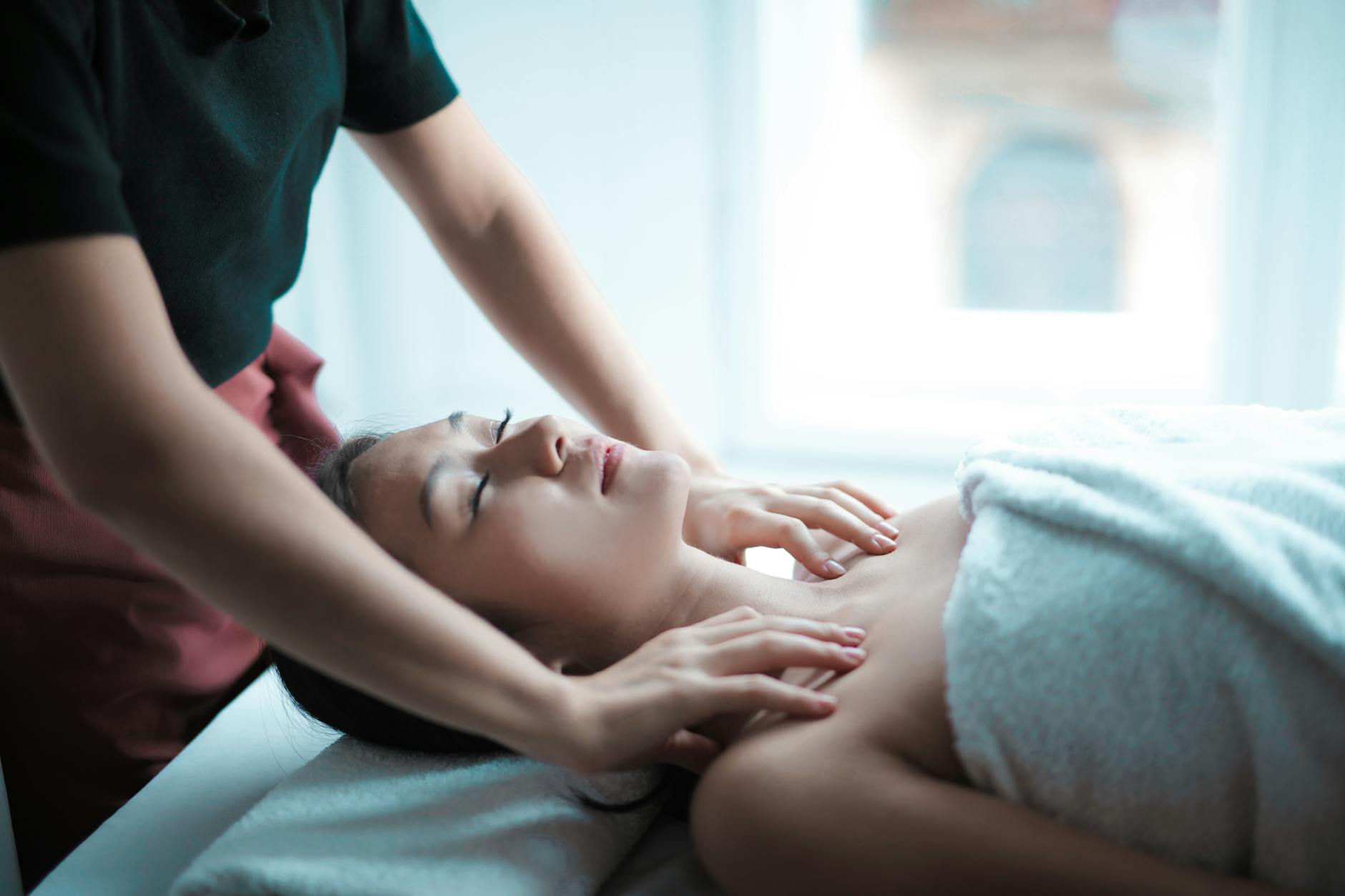
A prenatal massage therapist provides therapeutic bodywork adapted specifically for pregnant clients, typically from the first trimester through to the final weeks of pregnancy. The work addresses the physical changes that accumulate across a pregnancy: lower back and hip tension, swelling in the legs and feet, disrupted sleep, and the postural strain that develops as the baby grows. Techniques and positioning are adapted throughout to keep both client and baby safe.
This is distinct from a standard relaxation massage. While the techniques overlap, a prenatal massage therapist needs to understand how the body changes at each stage of pregnancy, which areas and positions require modification or avoidance, and how to adjust the session as the pregnancy progresses. What works well at 14 weeks is not the same as what works at 34 weeks.
The specialization extends naturally into postpartum care helping new parents recover from labor and delivery, address the physical demands of feeding and infant care, and manage the exhaustion of early parenthood. Understanding the full arc from prenatal to postpartum makes you a more complete practitioner and opens up a larger client base.
In-home delivery is a natural fit for this client group. Pregnant clients particularly in the later months find travel increasingly uncomfortable, and a mobile prenatal massage therapist removes that barrier entirely by bringing expert care directly to the client.
What Does Licensing And Training For Prenatal Massage Look Like In The US?
What Core Training And Licensing Actually Require
Massage therapy is regulated at the state level in the US, and requirements vary across the country. Most states require between 500 and 1,000 hours of training to obtain a massage therapy license, with the majority setting the standard around 500 to 600 hours. A valid state license is the baseline requirement before you can specialize in prenatal massage.
The MBLEx (Massage and Bodywork Licensing Examination), administered by the Federation of State Massage Therapy Boards (FSMTB), is the most widely accepted licensing exam in the US. Once licensed, prenatal massage is typically pursued as a continuing education specialization. Look for courses approved for credit through the National Certification Board for Therapeutic Massage and Bodywork (NCBTMB). Strong prenatal courses cover:
- Anatomy and physiology of pregnancy across all three trimesters, including the hormonal and structural changes that affect technique
- Safe positioning for each trimester and the correct use of bolsters and pregnancy pillows
- Trimester-specific adaptations to pressure, depth, and the areas you focus on
- Client intake and communication protocols specific to prenatal and postpartum clients
- Postpartum massage as a natural extension of the prenatal specialization
Contraindications Every Prenatal Massage Therapist Needs To Know
A thorough, working knowledge of contraindications is foundational to safe prenatal practice. Research published through PubMed supports the benefits of prenatal massage for reducing anxiety and musculoskeletal discomfort, but consistently underscores the need for properly trained providers to deliver those benefits safely.
Clients will ask whether massage is safe at their stage of pregnancy. The table below covers the key categories and how to handle each one:
| Type | Common Examples | How You Respond |
| Absolute contraindication | High-risk pregnancy, pre-eclampsia, placenta previa, unexplained bleeding | Decline the session; refer the client to their OB-GYN or midwife before rebooking |
| Relative contraindication | Varicose veins, edema, previous miscarriage history | Modify technique and positioning; proceed with care and clear communication |
| Third-trimester precautions | Supine position, deep abdominal work, certain pressure points | Avoid entirely; use side-lying positioning and appropriate lighter pressure |
What Do Prenatal Clients Actually Need From You?
Technique is only one part of the equation. Clients seeking a prenatal massage therapist are often managing physical discomfort, emotional uncertainty, and questions about what massage during pregnancy actually involves. How you communicate before, during, and after a booking shapes the session as much as the bodywork itself.
Before the session, a clear intake process is essential how far along the client is, whether any complications or conditions are present, what their OB-GYN or midwife has recommended, and what they want to address. For clients booking through a platform like Blys, this intake often starts digitally, which means having clear, professional intake forms ready is part of working well in that environment.
During the session, regular check-ins on pressure, positioning, and comfort particularly during side-lying work keep the client relaxed and the session productive. Many clients are completely new to massage, which means clear explanations of what you are doing and why matter more than you might expect.
After the session, practical guidance on hydration, rest, and what to expect helps clients feel informed and well cared for. Clients who have a great experience are significantly more likely to rebook and to refer others in their prenatal class or birth community.
For a client-side perspective on what people hope for when they book, the Blys article on prenatal massage benefits and what to expect gives useful context on the questions clients bring to a first session.
Does In-Home Delivery Change How You Work As A Prenatal Massage Therapist?
For many US providers, mobile delivery is already the default. But prenatal massage has specific practical implications worth thinking through carefully.
A flat table and a standard headrest are not adequate for clients in their second or third trimester you need a pregnancy positioning system and a streamlined pre-session process.
Before arriving at a client’s home, make sure you have:
- A dedicated pregnancy bolster or pillow system that supports the belly and reduces pressure on the hips.
- Digital intake forms sent, completed, and reviewed before you leave for the booking.
- A portable massage table that adjusts reliably and packs down efficiently for travel.
- Hygiene supplies appropriate for a home environment rather than a clinical setting.
- A clear, professional protocol for declining or referring if a contraindication comes up on the day.
Client home environments vary widely from large suburban homes to compact city apartments. Knowing how to set up professionally in a smaller space, maintain consistent hygiene standards without clinical infrastructure, and manage the full intake and triage process independently are practical competencies that matter specifically for mobile prenatal work.
Without a front desk or clinic team around you, you are entirely responsible for screening. If a client discloses a high-risk pregnancy or a condition outside your scope, knowing how to decline or refer professionally is central to safe mobile practice.
The upside is real: clients who cannot comfortably travel to a clinic or spa at 36 weeks will still book a trusted mobile provider who comes to their home. In-home delivery also reduces baseline tension before you start for a prenatal client managing physical discomfort, that difference matters.
How Blys Connects Prenatal Massage Providers With Clients Across The US
Blys is a booking platform that connects vetted, insured massage professionals with clients across the US including a growing number specifically seeking in-home prenatal and postpartum care.
For a prenatal massage therapist building a client base, the platform removes the biggest practical obstacle: finding people who need your skills. Providers you book through Blys do not need to manage their own marketing, handle payment processing, or track reviews. The platform manages that infrastructure so professionals can stay focused on the sessions themselves.
What sets Blys apart in the US market is the at-home delivery model at its core. While other platforms mix spa, clinic, and mobile options, Blys is specifically built around bringing professional massage to the client’s home. That means clients arriving through Blys have already decided they want in-home care they are motivated, specific in what they want, and ready to book with a trusted, local provider.
If you are working as a prenatal massage therapist or are in training and planning to specialize, you can explore prenatal massage through Blys to understand how the client-facing side of the platform works. For providers also offering postpartum care, postnatal massage through Blys is a natural extension of your practice.
Building A Prenatal Massage Career That Serves Clients And Sustains You
Specializing as a prenatal massage therapist puts you in a position to genuinely support clients through one of the most physically demanding periods of their lives. The work matters, demand for in-home prenatal care across the US is strong, and clients who find you through a platform like Blys are motivated and ready to commit.
Build the foundation well solid training, clear contraindication knowledge, a valid state license, and the right equipment for mobile delivery and connect with a platform that puts your profile in front of clients actively searching for trusted, expert prenatal massage care at home.