 Prenatal massage is one of the most effective tools available for managing pregnancy discomfort and yet most people don’t book their first session until the third trimester, when they’re already running on empty. By that point, they’ve spent months navigating lower back pain, hip tightness, swollen ankles, and disrupted sleep. It doesn’t have to go that way.
This guide covers everything you need to know: what prenatal massage actually involves, what US research says about its benefits, when it’s safe to start, and what to expect from a session including why having a provider come to you at home might be the smartest move you make during your pregnancy.
What Is Prenatal Massage, and How Does It Differ From a Regular Massage?
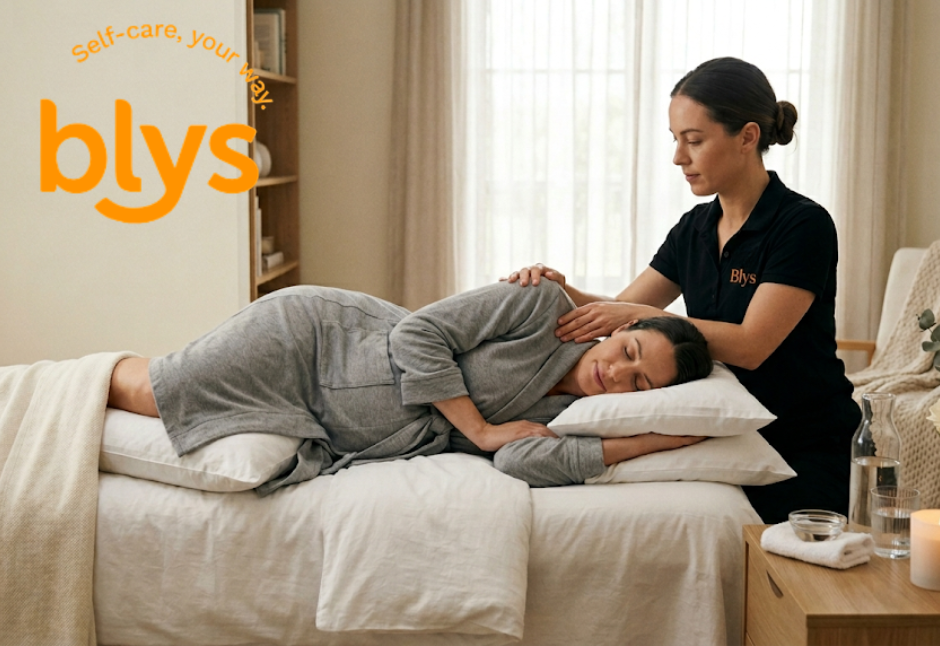
Prenatal massage is therapeutic bodywork adapted specifically for pregnant bodies. The techniques are gentler than a standard deep tissue session, and the positioning is different most providers work with you in a side-lying setup supported by a professional pregnancy pillow system, rather than face-down on a standard table.
That positioning difference matters more than it might sound. Standard massage tables aren’t built for a growing belly. Some face-down cutout tables marketed as “pregnancy-safe” actually increase pressure on the uterine ligaments rather than relieving it something most people don’t realize until after the fact.
When you book a prenatal massage at home, that problem disappears. A skilled provider arrives with their own pregnancy-specific equipment, so you get proper positioning without having to assess whether a studio’s setup is up to scratch.
The pressure is also deliberately moderated. Deep pressure around the ankles and inner calves is typically avoided due to precautionary concerns about uterine stimulation, though the clinical evidence here is limited. A good provider will adapt every element of the session to your stage of pregnancy, your history, and anything you’ve flagged before they begin.
What Are the Benefits of Prenatal Massage?
The short answer is ‘significant and backed by a solid body of US-based research. Unlike a lot of wellness advice during pregnancy which tends to be heavy on caution and light on evidence prenatal massage has been studied in clinical settings with measurable outcomes.
The benefits fall into two categories: physical relief from the very real demands pregnancy places on your body, and mental and emotional support during one of the most intense periods of your life. Most people find they need both.
Physical Benefits
Some of the most widely cited evidence comes from research by Dr. Tiffany Field at the Touch Research Institute at the University of Miami, which found that regular massage during pregnancy was associated with reduced back and leg pain, decreased cortisol levels, and improved sleep quality.
A review in the Journal of Obstetric, Gynecologic & Neonatal Nursing found consistent results across multiple trials, with particularly strong evidence for pain reduction and mood improvement.
In practice, prenatal massage can help with:
- Lower back and hip pain caused by postural changes and a shifting center of gravity
- Sciatic nerve pain, which affects up to 40% of pregnant people
- Swelling (edema) in the legs and feet, by improving circulation and lymphatic drainage
- Tension headaches related to hormonal changes and postural strain
- Rib and upper back discomfort as the ribcage expands
Mental and Emotional Benefits
Pregnancy is emotionally intense anxiety about birth, identity shifts, relationship changes, and the sheer mental load of growing a person. Research published in the International Journal of Neuroscience found that massage therapy reduced anxiety and depression scores in pregnant participants, alongside measurable reductions in cortisol and increases in serotonin and dopamine.
Here’s something most guides won’t tell you: one of the most underrated benefits of booking an at-home prenatal massage is what happens after the session ends. When you visit a studio, you get dressed, walk to your car, and drive home often undoing the benefits within 20 minutes. At home, you stay horizontal. You rest, or sleep, right where you are. That recovery window is part of the therapeutic value, and it’s something you only fully access when the provider comes to you.
Is Prenatal Massage Safe and Are There Times You Should Wait?
For most people with low-risk pregnancies, prenatal massage is considered safe from the first trimester onward, provided it’s delivered by someone with specific training in prenatal massage. That said, certain conditions warrant a conversation with your OB or midwife before booking.
Avoid or postpone prenatal massage if you have:
- Preeclampsia or pregnancy-induced hypertension
- A history of preterm labor or a high-risk pregnancy classification
- Deep vein thrombosis (DVT) or a blood clot history
- Unexplained vaginal bleeding or placenta previa
- Severe morning sickness or hyperemesis gravidarum
What about the first trimester? Many US spas and studios decline to offer massage before 12 weeks, citing miscarriage risk. It’s worth knowing that there is no strong clinical evidence linking massage to miscarriage this caution tends to be liability-driven rather than evidence-based.
Even so, some providers and clients prefer to wait until the second trimester, and that’s a completely reasonable call. If you’re in the first trimester and want to book, discuss it with your care team and be upfront with your provider.
The providers you book through Blys are vetted, insured, and experienced in prenatal massage. They conduct a full health intake before every session and won’t proceed if anything raises a concern.
When Can You Get a Prenatal Massage, and How Often Should You Book?
There’s no fixed rule on frequency. It comes down to your symptoms, your stage of pregnancy, and what feels sustainable week to week. Some people book monthly from the second trimester; others move to every two weeks or weekly sessions in the third trimester, when physical discomfort tends to be at its peak.
If lower back pain or sciatica is your main concern, pairing regular massage with other third-trimester wellness support can make a real difference in how you feel day to day. And if you’re just starting to explore your options, the prenatal massage guide is worth reading alongside this one for a broader look at what’s available at each stage.
Session length typically runs 60 to 90 minutes. In the early second trimester, 60 minutes is generally enough. By the third trimester, many people find that 90 minutes gives the provider time to properly address the lower back, hips, and legs the three areas doing the most work by that point.
What Does a Prenatal Massage at Home Actually Look Like?
When you book through Blys prenatal massage service, a vetted, insured professional comes to your home with everything needed a massage table, pregnancy pillows, and all equipment. You don’t need to provide a thing.
Here’s how a typical session runs:
- Before the session begins: Your provider will ask about your stage of pregnancy, any medical history or conditions, areas of focus, and anything your care team has flagged. This is a genuine clinical intake, not a formality, and it shapes everything that follows.
- During the session: You’ll most likely begin on your side, supported by pillows. Your provider may reposition you partway through to address the other side. Pressure is firm but adapted more purposeful than a relaxation massage, but without the intensity of a deep tissue session.
- After the session: No getting dressed, no driving, no undoing an hour of good work. You stay exactly where you are. That alone changes the experience.
Most people describe their first prenatal massage as a genuine surprise they didn’t realize how much tension they’d been carrying until it was gone.
Why Earlier Is Better When It Comes to Prenatal Massage
Prenatal massage isn’t a luxury add-on it’s a practical, evidence-backed tool for managing the physical and emotional demands of pregnancy. The people who get the most out of it tend to start in the second trimester, before the discomfort becomes the baseline.
If you’re ready to see what that feels like without leaving your home, explore at-home prenatal massage through Blys and find a trusted, insured provider near you.