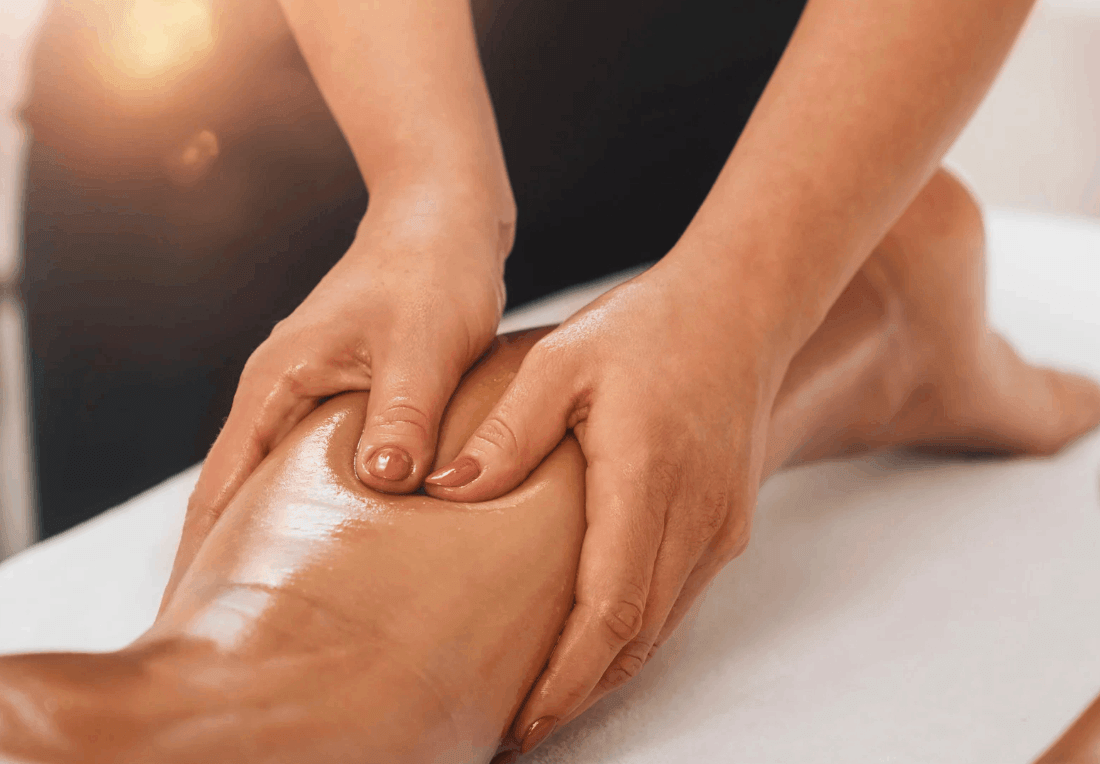
Tight calves and calf cramps usually come from calf muscles that worked hard or stayed on their feet too long, whether that’s a run, a long shift or a day in heels, and calf massage works on the calf and Achilles area to ease that tightness. Calf pain with swelling, warmth or redness in one leg is different, and that needs a doctor now because it can be a blood clot. A cramp is a muscle slamming the door, and tightness is a muscle sulking in the corner.
After a long shift or a long run, you shouldn’t need a car trip for relief, and a local therapist can bring sports massage sessions to your home, with bookings running until midnight.
What Are Tight Calves and Calf Cramps?
Tight calves feel stiff, heavy and pulled at the back of the lower leg, while a calf cramp is a sudden, hard squeeze that locks the muscle. They’re related, and many people who get one get the other, but they behave differently and call for different next steps.
Where Are the Calf Muscles?
Your calf has two main muscles at the back of the lower leg, a larger one just under the skin and a flatter one underneath it, and both join the Achilles tendon above your heel. They lift your heel every time you walk, run, climb stairs or stand on your toes. That’s a lot of lifting for a muscle that rarely gets a thank-you.
Tight Calves vs Calf Cramps
Tightness and cramps can feel alike at 3 am, but they work differently, and the table shows the descriptions people most often give. Only a doctor can say what’s behind pain in your leg.
| Feature | Tight calves | Calf cramp | Calf pain that needs a doctor now |
| How it starts | Slowly, over hours or days | Suddenly, often with a hard knot | Pain that builds, often in one calf only |
| What it feels like | Stiff, pulling or heavy | A sharp squeeze that locks the muscle | An ache with swelling, warmth or redness |
| How long it lasts | Hours to days | Seconds to minutes | Doesn’t ease and may get worse |
| What eases it | Warming up, moving, stretching | Gentle stretching and walking | Stretching and rest don’t help |
| Next step | Self-care or a therapist | Self-care, and a doctor if frequent | See a doctor now |
What Does Calf Muscle Pain Feel Like?
Calf muscle pain usually feels like a deep ache or a tight pull in the middle of the calf, and it often gets worse when you walk uphill, climb stairs or stand on your toes. It can also feel like a sore, bruised spot when you press on the muscle. Pain along the front of the shin and not the calf is a different problem, and shin splints after a big week are the usual suspect. Pain that comes with swelling, warmth or redness is another story, and the next section deals with it.
Red Flags: Calf Pain With Swelling or Redness
Most calf soreness is the everyday kind, but a few signs mean you stop reading and get medical help, and this is the part most massage posts skip.
Call 000 for These Signs
Call 000 if calf pain or swelling comes with chest pain, shortness of breath, coughing up blood or feeling faint, because a clot that has travelled to the lungs is an emergency. Also call if you’ve hurt your leg badly and it looks out of shape, you can’t put weight on it, or the foot is cold, pale or numb. Don’t arrange a massage and don’t wait it out.
See a Doctor Now for These Signs
See a doctor now, and don’t massage the leg, if your calf is swollen, red, warm or painful, especially if it’s only one calf and it looks different from the other. The risk of a blood clot is higher after a long flight or car trip, surgery, time in bed or during pregnancy, so mention any of those. Also get seen straight away if you felt a sudden pop or sharp pain in the calf, or if there’s bruising and you can’t stand on your toes.
See a Doctor Soon for These Signs
See your doctor in the next few days if cramps wake you often, keep coming back, come with numbness or weakness, or started after a new medicine. A doctor can check for causes that massage can’t fix, and it helps to know before you plan anything else.
What This Page Is and Isn’t
This page is general information about tight calves, calf cramps and massage, and it isn’t medical advice. It doesn’t diagnose the cause of your calf pain, and it doesn’t promise that massage will stop cramps. Massage suits muscle tightness once a doctor has ruled out anything else, so check with your doctor first if you have any red flag or any doubt.
Why Calves Tighten and Cramp
Calves tighten and cramp when they work hard, stay in one position for hours or get tired, and a few everyday situations do most of the damage. Doctors still debate exactly why cramps happen, so treat any single explanation with a pinch of salt.
Running and Training Load
A sudden jump in distance, speed, hills or a new type of workout can leave the calves tight and cranky, with calf muscle pain that lingers for days. Runners ask the calf muscles to lift the whole body thousands of times, and tired muscles are more likely to tighten or cramp. Sports massage for runners starts from the same repeated load.
Standing All Day: Nurses, Retail and Hospitality Workers
Nurses walk a marathon between the ward and the staff room without a start line or a medal, and retail and hospitality workers log plenty of steps too. Standing or walking on hard floors for hours keeps the calf muscles switched on all shift, and they can end the day tight, heavy and sore. You don’t need to run to get runner’s calves.
High Heels and Footwear
Heels keep your calf muscles in a shortened position, like standing on a ladder all day, and the muscles can feel tight when you switch back to flat shoes. Very flat, worn or unsupportive shoes can also change how the lower leg works. A comfy pair for the commute and a break from heels now and then give the calves a rest.
Night Cramps and Other Sneaky Timing
Calf cramps love a midnight entrance, and cramps at night can follow a day of hard work or hours on your feet. Lying with your toes pointed can also leave the calf muscle shortened for hours, and some people cramp when they stretch in bed. If night cramps are frequent, a doctor can look for other causes, including medicines and health conditions.
Other Everyday Triggers
Cold weather, long periods of sitting, a new exercise class and a day of walking in the wrong shoes can all set off tight calves. Doctors and researchers still discuss whether hydration and minerals play a part, so ask your doctor before you start any supplement.
| Situation | Why calves tighten | A small change to try |
| Running and training | The calf lifts your body weight on every step | Build distance gradually and add rest days |
| Standing at work | The muscles stay switched on for hours | Move around, change surfaces and sit when you can |
| High heels | The calf stays in a shortened position | Alternate with flats and stretch after |
| Sitting for hours | The muscles stay still and stiff | Stand and walk every so often |
Calf Massage: How It Helps Tight Calves
Calf massage works on the muscles at the back of the lower leg and the area around the Achilles, and it can ease tightness that stretching alone doesn’t reach.
Can Massage Help Calf Cramps?
Calf massage can ease tight, overworked calf muscles, and some people feel looser and more comfortable afterwards, but it doesn’t promise to stop calf cramps and it doesn’t replace a doctor’s check. Massage for calf cramps sits alongside habits like stretching, moving through a shift and wearing sensible shoes. If your calf is swollen, red or warm, skip the massage and see a doctor, since calf muscle pain with swelling isn’t a massage job.
Sports Massage for Runners and Active Legs
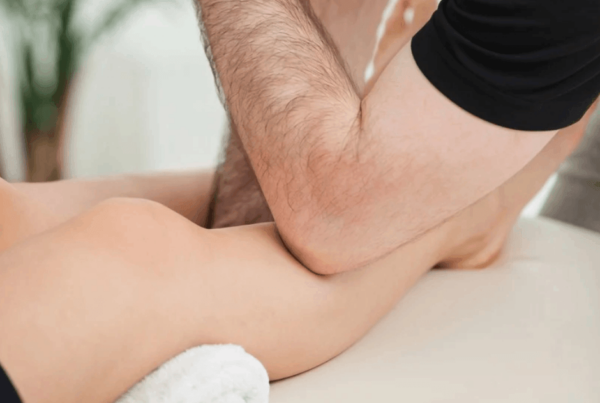
Sports massage sessions use firm, specific pressure, and for tight calves your therapist works along the full length of the calf muscles, from behind the knee down to the Achilles. It suits runners, gym-goers and anyone with an active week, and your therapist builds the pressure slowly and checks in as they go.
Deep Tissue Massage for Stubborn Calf Knots
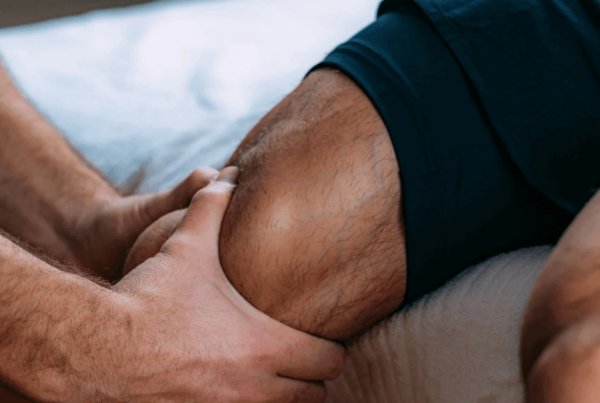
Deep tissue massage uses slow, firm strokes through the deeper muscle layers, and it suits a stubborn knot that sits deep in the calf. You can ask for lighter or firmer pressure at any time, since deep work should feel like a deep ache and never like sharp pain.
Working Around the Achilles Area
The Achilles is a tough tendon, and your therapist works on the calf muscles that feed into it and uses lighter pressure on the tendon itself. Pain right at the back of the heel, or a tendon that’s sore, swollen or stiff first thing in the morning, needs a doctor or physiotherapist to look at it before any massage.
| Style | What it involves | Suits |
| Sports massage | Firm, specific pressure along the calf muscles | Runners and active legs |
| Deep tissue massage | Slow, firm strokes through the deeper layers | Stubborn knots in the calf |
What Happens in a Calf Massage Session
A calf massage session is calmer than most people expect, and it follows a predictable order.
Before the Session: The Conversation
Your therapist asks where it hurts, how often your calves cramp, how long you stand or run each day, what shoes you wear and anything your doctor has said. Say if you’ve had any red flag signs from the section above. Your answers decide which style your therapist uses and how firmly they work.
During the Session: Positions and Pressure
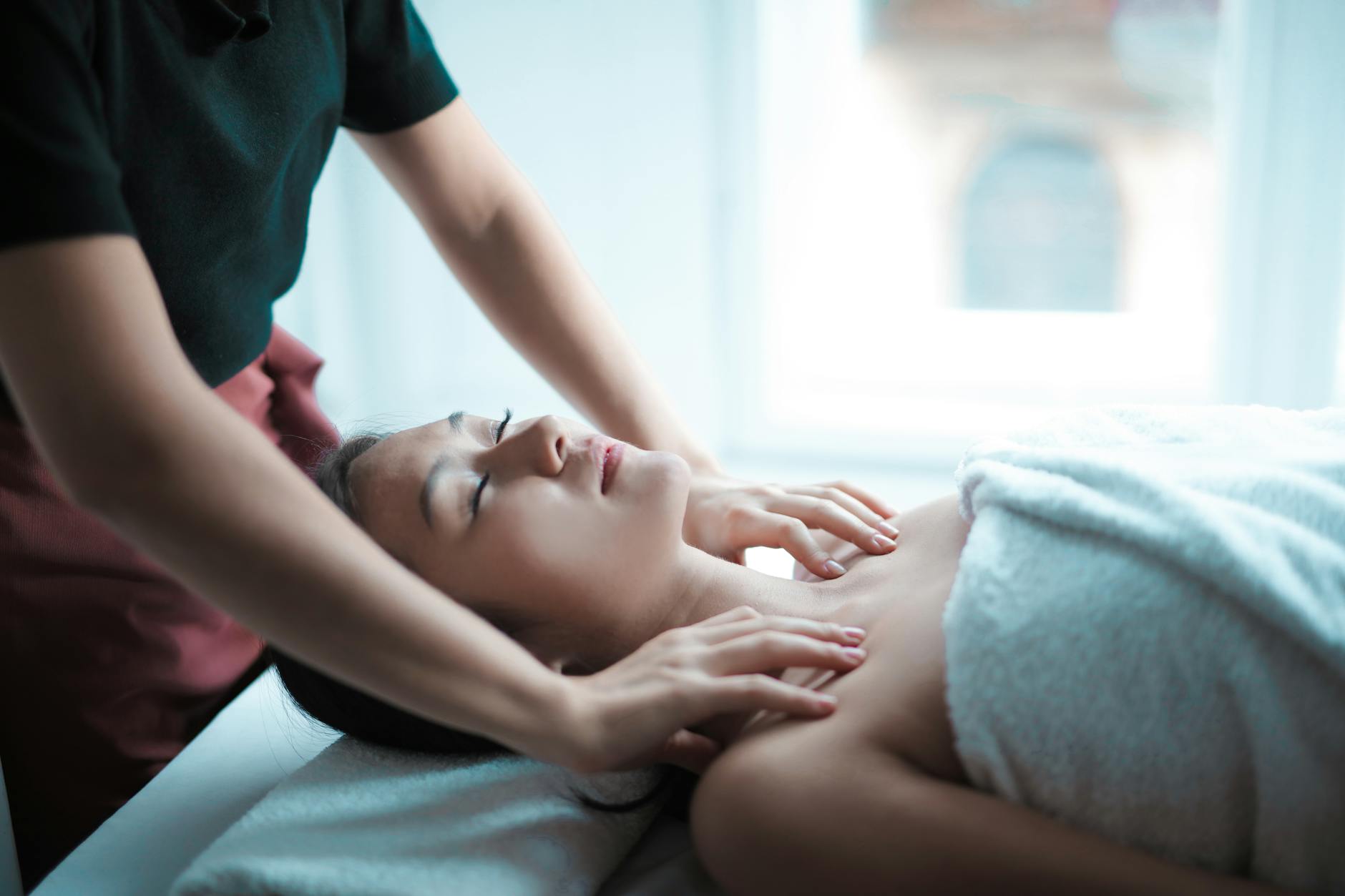
You usually lie face down with a pillow under your ankles so the calves can relax, and your therapist works from behind the knee down toward the heel with their hands, thumbs or forearm. Please keep your underwear on and lie under a sheet or a towel, and your therapist uncovers only the leg they’re working on. Expect firm pressure that feels like a deep ache in the tight spots, never a sharp or frightening pain, and speak up if it’s too much.
After the Session: What to Do Next
Some people feel a little tender the next day, like after a hard workout, and some feel looser right away. Walk gently, keep to your normal routine and tell your therapist or doctor if the pain gets sharper, one calf swells or you notice redness or warmth. An easy walk beats a long sit.
How Often Do People Arrange Calf Massage?
Your doctor and your therapist decide how often makes sense, and it depends on how hard your calves work and what keeps feeding the tightness. On Blys you can set sessions to repeat and ask for the same provider each time, so the person arriving already knows your calves, your shifts and what worked last time.
Calf Stretches and Habits Between Sessions
Massage settles the muscles, and what you do between sessions helps keep them from tightening up again.
Calf Stretches to Ask a Physiotherapist About
A physiotherapist can show you calf stretches that suit your body, and a common example is the wall stretch, where you step one foot back and press your heel down. A stretch should feel like a stretch and never like a protest, so stop if it brings sharp pain, and ask first if you have any swelling or redness. If stretching on your own feels awkward, assisted stretching sessions have your therapist hold the position while you breathe.
What to Do During a Cramp
During a calf cramp, many people find it helps to stop what they’re doing, straighten the leg and gently pull the toes up toward the shin, then walk around once the muscle lets go. Go gently, and don’t force a stretch that hurts. If a cramp comes with swelling, redness or warmth, or it doesn’t ease, get medical help.
Shifts, Shoes and Standing Habits
If you’re on your feet all shift, swap your weight between legs, rise onto your toes and back down now and then, and sit for a few minutes when you can. Shoes that suit your feet and still have their cushioning help, and a pair for the commute and a pair for work can give the calves a break. Heels are fine in moderation, and flats are kind to calves between wears.
Pregnancy Leg Cramps: A Separate Case
Leg cramps during pregnancy have their own causes and their own rules, and what suits other people doesn’t always suit you. If you’re pregnant, pregnancy massage for leg cramps is the better place to start, and your doctor or midwife is the right person to ask before any massage. Tell any provider you’re pregnant.
Arranging Calf Massage at Home After a Long Shift With Blys
After a long shift, the last thing tight calves want is a car trip, and a therapist who comes to you fixes that.
Why Home Works After a Shift
After a long shift or a long run, a trip to a clinic means more time on your feet, then a ride home on tired calves, while a session at home lets you shower, eat and put your feet up. Bookings run from 6 am to midnight, seven days a week, so a late session after a night shift or a double fits, and calf massage at home means the sofa is right there afterwards.
What to Expect When Your Therapist Arrives
Your therapist brings the table, fresh linen, towels and massage oil or lotion, and you only need to clear about 6.5 x 6.5 feet of floor. You’re not charged until a provider confirms your booking, and same-day times depend on availability. A quiet room and a sturdy chair nearby are all the space you need.
What to Put in Your Booking Notes
Put which calf is tight, how many hours you stand or run each day, how often it cramps and the style you’d like in your booking notes, whether sports or deep tissue. Add anything your doctor has told you, so your therapist arrives knowing what to focus on and what to avoid.
Once your doctor has seen your leg, a session at home after your next long shift is an easy way to look after your calves, and your feet can finally go up.
Long Shift Done? Arrange a Calf Massage at Home Tonight →
Your Calf Questions, Answered
These are the questions people type into search once their calves start complaining.
Why do I get calf cramps at night?
Doctors still debate the exact reason, but cramps at night often follow a day of hard work or hours on your feet, and lying with your toes pointed can leave the calf shortened. If night cramps are frequent or come with numbness, swelling or weakness, see your doctor.
Should I massage a calf cramp?
Gentle rubbing and stretching can feel good once a cramp lets go, but don’t massage a calf that’s swollen, red, warm or painful, because that can be a blood clot and needs a doctor now. If you’re unsure, leave the massage and get checked.
Is it a cramp or a pulled calf muscle?
A cramp comes on suddenly and usually eases within minutes, while a pulled muscle can come with a sudden sharp pain, a pop, bruising or trouble standing on your toes and can last for days. Only a doctor or physiotherapist can tell for sure, so get seen if you suspect a pulled muscle.
Can high heels cause tight calves?
They can, because heels keep the calf muscles in a shortened position, and the muscles can feel tight when you switch to flat shoes. Alternating heels with flats and stretching afterwards can help, and a physiotherapist can advise if the tightness keeps coming back.
Does drinking water stop calf cramps?
Staying hydrated is a good habit for how you feel, but doctors and researchers still discuss whether it prevents cramps, so don’t count on water alone. If cramps are frequent, see your doctor and ask before you start any supplement.
How long does calf muscle pain last?
It depends on what caused it, how hard your calves work and what’s feeding it. Mild soreness can settle in a few days when you rest and move gently, while pain that lingers, keeps returning or comes with swelling or redness needs a doctor’s check.