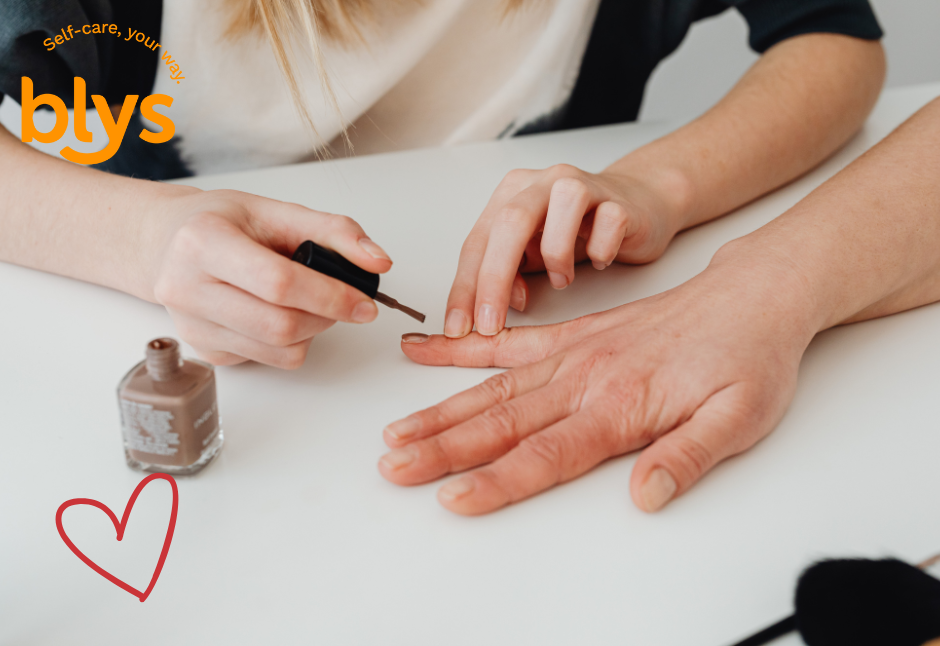
Valentine’s Day beauty doesn’t have to be about impressing anyone. For many, February is simply a reset, a moment to care for skin and nails after a busy start to the year. Facials and manicures become practical choices, not indulgences.
A professional facial helps rebalance tired skin, while the right manicure adds polish without extra maintenance. The challenge is choosing what actually fits your lifestyle. Shellac, gel, SNS, and acrylics all wear differently once real life is involved.
This guide breaks down those options clearly, so you can choose a Valentine’s glow up that feels practical, supportive, and completely for you.
Why Valentine’s Day Is a Smart Time for a Personal Reset
By February, skin and nails often show the impact of summer. Heat, humidity, sunscreen build-up, and air conditioning can leave skin feeling dehydrated or congested, while nails weaken after months of frequent washing and busy schedules.
American health guidance notes that prolonged heat and UV exposure can disrupt the skin barrier and increase moisture loss, even with regular skincare routines.
February also arrives after the end-of-year rush has passed. It’s a natural pause point. Choosing at-home services removes friction—no travel or rushing—which makes self-care easier to follow through on and genuinely restorative.
Why Valentine’s Day Is a Smart Time for a Personal Reset
By February, summer’s impact tends to show up more clearly on both skin and nails. Heat, humidity, sunscreen build-up, and constant air conditioning can leave skin feeling dry, congested, or unsettled, while nails often weaken after months of busy routines.
- Skin can look dull or feel irritated after weeks of heat and sun exposure.
- Nails often become brittle or peel from frequent washing and daily wear.
- The end-of-year rush has eased, creating space for slower, more intentional care.
- A February reset feels supportive rather than driven by trends or expectations.
- At-home services remove travel and time pressure, making rest more likely.
This timing makes Valentine’s Day a practical moment to reset, choosing treatments that support recovery, not performance.
Shellac Gel SNS Acrylic What’s the Difference
When choosing a Valentine’s manicure, most confusion comes from how similar these treatments sound. Gel and shellac are often used interchangeably, SNS is sometimes grouped with acrylic, and none of the labels clearly explain how they behave once daily life gets involved.
The reality is that each option is designed for a different balance of durability, flexibility, nail health, and maintenance.
Here’s a clear side-by-side to ground the decision:
| Nail type | What it is | Best known for | Key trade-off |
| Shellac | Hybrid of gel and polish | Thin, glossy, low-maintenance wear | Less flexible than gel |
| Gel | Builder-style gel formula | Flexibility and chip resistance | Can feel thicker |
| SNS | Dip powder system | Strength with minimal bulk | Less design versatility |
| Acrylic | Liquid and powder overlay | Length, shape, custom designs | Higher upkeep commitment |
So, is gel the same as shellac? Not quite. Shellac prioritizes simplicity, while gel offers more flexibility. SNS and acrylic sit on the strong end of the spectrum. There’s no single “best” option, only what fits your lifestyle, maintenance tolerance, and self-care goals.
Want your Valentine’s manicure to last? Our long-lasting nails guide explains how the right treatment and care make all the difference.
Shellac Nails: Long-Lasting and Low Maintenance
Shellac is often confused with gel, but it’s a hybrid of gel and traditional polish. This difference explains why shellac feels thinner and lighter on the nail and why it removes more easily than builder gels. When comparing the difference between shellac and gel, shellac prioritizes simplicity over flexibility.
Wear time usually sits around 10 to 14 days with minimal chipping. It suits desk work and everyday routines but can feel less forgiving under heavy hand use. Nail care sources note that damage is more often linked to improper removal than the product itself.
Gel Nails Flexible Strong and Everyday Friendly
Gel nails are often grouped with shellac, but they’re not the same. So, is gel the same as shellac? Not quite. Gel uses a thicker, more flexible formula that cures under a lamp and is designed to move slightly with the natural nail. This flexibility is what makes gel more resistant to chips, especially for hands that are used constantly throughout the day.
Gel also allows more control over shape and thickness. It can be kept thin for a natural look or built up slightly for added strength without moving into acrylic territory. Because of this balance, gel suits people with active routines, frequent hand washing, or jobs that put more stress on nails. When applied and removed correctly, gel can offer longer wear without the rigid feel of shellac.
SNS Nails Strength With a Health-First Feel
SNS, or dip powder nails, sit between gel and acrylic when it comes to strength. People often ask what SNS nails are vs acrylic because both reinforce the nail, but SNS uses a colored powder bonded with resin rather than a liquid-and-powder mix. The result is a lighter overlay that doesn’t rely on strong fumes or heavy structure.
- Uses a powder-and-resin system that creates strength without added bulk.
- Feels lighter on the nail compared to acrylic while still offering durability.
- Often includes added vitamins, which is why it’s positioned as a nail-health option.
- More rigid than gel, so it resists bending but offers less flexibility.
- Best suited to short-to-medium lengths where natural shape matters.
SNS works particularly well for people with weak, peeling, or easily broken nails who want reinforcement without dramatic length. It’s also a practical choice for those who prefer a natural look and lower maintenance, especially when strength is the main priority rather than detailed nail art or frequent design changes.
Planning a beach break or summer reset? Our guide on the 2-week glow-up checklist keeps skin and nails simple, practical, and travel-ready.
Choosing a Facial Based on Lifestyle, Not Trends
Facials work best when they’re chosen for real needs, not trends. Specialty facials aren’t about intensity; they’re about addressing what skin is dealing with right now, especially after summer heat and a busy start to the year.
- Hydration-focused facials help restore moisture lost through air conditioning and sun exposure.
- Gentle exfoliation supports dull or congested skin without causing irritation.
- Circulation-boosting treatments enhance natural glow with little to no downtime.
- Calming facials suit sensitive or reactive skin that needs soothing, not stimulation.
- At-home facials remove travel stress, making it easier to fully relax.
When a facial fits your lifestyle, work demands, sensitivity, and recovery time, results feel more comfortable and longer lasting. It’s self-care that blends into life, not something you need to schedule around.
Choosing a Facial That Fits Your Lifestyle, Not a Trend
Facials work best when they suit real life, not trends. The goal isn’t intensity; it’s addressing what skin actually needs right now. Dehydration, congestion, sensitivity, and dullness respond better to targeted care than to dramatic add-ons.
A Valentine’s facial can stay simple and still be effective. Hydration, gentle exfoliation, and circulation support often deliver the best results without irritation or downtime.
| Lifestyle factor | What skin often needs | Facial focus |
| Long workdays or screens | Dehydration, dullness | Deep hydration, barrier support. |
| Frequent travel | Congestion, fatigue | Gentle exfoliation and lymphatic support. |
| Sensitive or reactive skin | Redness, tightness | Calming, soothing treatments. |
| Busy schedules | Minimal recovery | Glow-boosting, low-downtime facials. |
Choosing a facial based on work demands, travel, sensitivity, and recovery time keeps self-care practical. It should fit into life easily and not require extra planning or recovery.
How to Choose the Right Valentine’s Mani for Your Life
The right Valentine’s manicure depends less on trends and more on how your days actually look. Nails need to work with your routine, not against it.
- Desk-based work usually suits shellac or gel, as both stay neat without adding bulk or getting in the way of typing.
- Hands-on jobs or frequent hand washing benefit from gel or SNS, which offer more strength and chip resistance.
- Travel-heavy weeks are easier with low-maintenance options like shellac or SNS, which don’t require infills.
- Slower weeks or special events allow room for acrylics or specialty designs that need more upkeep.
- Short-term looks work well with shellac, while long-term wear often suits gel or SNS
Choosing based on lifestyle helps avoid frustration later. When your manicure matches how you live, it feels supportive, not like something you have to manage every day.
Bringing It Together: Nails, Facials and Pressure-Free Self-Care
When nails and facials are chosen with intention, they work best as part of the same reset. Nails add a sense of polish, while facials support how skin actually feels balanced, comfortable, and refreshed. Together, they create a glow that isn’t about a single day but about feeling more put together in everyday life.
At-home beauty plays a big role here. Removing travel, waiting rooms, and post-appointment rushing allows the body to fully relax, which is often when treatments deliver the most benefit. Valentine’s Day doesn’t need to be performative to feel meaningful. What matters is how you feel after—calmer, lighter, and cared for.
Self-care doesn’t need an audience or a reason. Book an at-home facial or beauty service with Blys when you want care without the rush.