 If you’re wondering what to expect from a remedial massage, you’re not alone most people have never had one and have no clear idea what actually happens in the session. Do you have to undress? Will it hurt? What does the “assessment” part actually involve? These are the questions most people have and rarely feel comfortable asking.
Knowing what to expect from a remedial massage session removes the main reason most people hesitate to book. It’s not a mysterious process it’s a targeted, structured approach to figuring out what’s going on in your body and addressing it directly. But the unknowns are enough to put people off something that could genuinely shift how they feel day to day.
This guide covers the full picture: the initial assessment, what happens during the session itself, how pressure is calibrated, what soreness is normal, whether you need to undress, and how often you should be booking. It also covers what changes and what doesn’t when you have a provider come to your home instead of heading to a studio or clinic.
What Does The Initial Assessment Actually Involve?
The assessment is where the session takes shape. Before any hands-on work begins, the provider will ask questions to build a picture of what’s going on in your body and what the session needs to focus on.
You’ll typically be asked:
- Which areas are causing discomfort or pain
- How long you’ve had the issue
- Your daily routine how much you sit, how active you are, how you sleep
- Any relevant medical history, injuries or surgeries
- What you’re hoping to get from the session
Some providers will also do a brief postural check or ask you to show your range of motion turning your neck, raising your arms, bending forward. It can feel slightly formal the first time, but it’s how a skilled professional identifies where movement is restricted before they start. The more useful information they have, the more targeted the session will be.
Does The Assessment Change When A Provider Comes To Your Home?
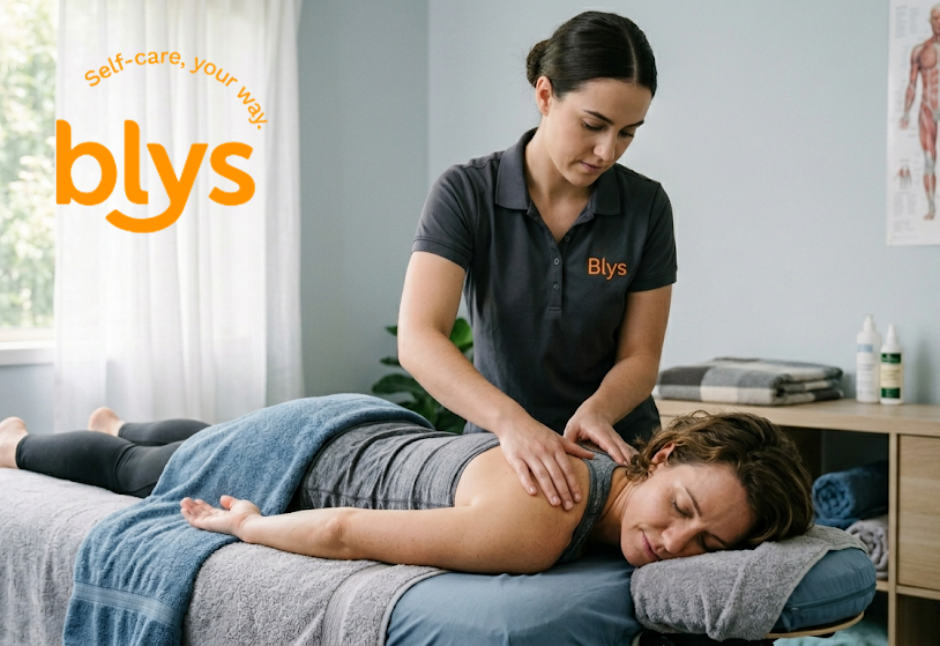
When you book a remedial massage through Blys, a vetted, insured professional comes to you and the assessment happens in your living room or bedroom rather than a clinic treatment room. The same questions are asked, the same observations are made.
What many first-timers notice is that the conversation itself tends to be better. Without the formality of a clinic setting, people explain their issues more openly, provide more useful context and feel less rushed.
A provider who has that fuller picture from the start delivers a more precise and personalized session. It’s a subtle but meaningful difference that most remedial massage guides never mention and it’s one of the reasons at-home booking has become the preference for people across the US who’ve tried both.
What Actually Happens During The Session?
Once the assessment is complete, the provider gets to work. Based on what they’ve gathered, they’ll focus on the areas that need attention using a combination of techniques suited to your body.
Common remedial massage techniques include:
- Deep tissue work sustained, focused pressure into deeper layers of muscle and connective tissue
- Trigger point therapy concentrated pressure applied to specific knots or tender points to release localized tension
- Myofascial release slow, sustained pressure into the connective tissue surrounding muscles, releasing restrictions that affect movement
- Stretching and joint mobilization assisted movement to improve range of motion and reduce tightness
The session is structured around the assessment findings, but a skilled provider won’t always stay in the obvious spot. If you’ve come in with lower back pain, they may also work through your glutes, hamstrings and hip flexors because those muscles are frequently driving the problem, even when they’re not where you feel it most.
For a deeper breakdown of how these techniques work and how remedial massage differs from relaxation styles, this guide to what remedial massage is and how it works is worth reading before your first appointment.
Does Remedial Massage Hurt, And How Is The Pressure Decided?
This is the question most people carry into their first booking, and it deserves a straight answer: remedial massage can be uncomfortable at times, but it should not be painful.
That distinction matters. When a provider works on a tight or guarded muscle, you may feel a deep, aching pressure often described as “good pain.” It’s intense, but it generally produces a sense of release rather than sharp or acute discomfort. Sharp, shooting pain is different and is a clear signal to stop and reassess.
How Does The Provider Decide On Pressure?
There’s no fixed pressure level that works for everyone. A trusted provider starts at a moderate depth and adjusts in real time based on:
- Your verbal feedback throughout the session
- How the tissue responds under pressure
- The technique being applied
- The sensitivity of the area being worked
You are in control at every stage. If you want more depth, say so. If something feels off, say that too. Professional providers actively check in during the session particularly when working on sensitive areas like the neck, shoulders or lower back.
One practical point: people tend to give clearer feedback when they’re at home. The formal environment of a clinic can make clients stay quiet rather than speak up. In your own space, that dynamic shifts you’re more likely to communicate as the session progresses, which means the provider can calibrate their approach more accurately throughout.
Is It Normal To Feel Sore The Day After A Remedial Massage?
Yes, and this is one of the things most people aren’t warned about before their first session. Post-massage soreness is a normal and expected response, particularly after deep work on long-held tension or after your very first remedial massage session.
It typically appears 12 to 24 hours after the session. The sensation is similar to muscular soreness after a tough workout not sharp pain, but a general tenderness or heaviness in the areas that were worked. It usually clears within 24 to 48 hours.
To support your recovery:
- Drink plenty of water staying hydrated supports your muscles’ natural recovery processes
- Avoid intense training in the 24 hours following a deep session
- Use gentle heat a warm shower or heat pack can ease residual soreness
Research published through PubMed/NCBI supports the therapeutic benefit of remedial and deep tissue massage for musculoskeletal pain, and identifies mild post-treatment soreness as a well-documented and expected outcome not a sign that anything went wrong. The Mayo Clinic similarly notes that post-massage muscle soreness is a common and temporary side effect, particularly following deep tissue work.
If soreness is significant or lasts beyond 48 hours, mention it to your provider before the next session. They can adjust their technique or focus accordingly.
Do You Need To Undress For A Remedial Massage?
This is a reasonable question that often goes unasked and the answer is: for most sessions, yes, but only partially, and it’s managed professionally.
You’ll typically be asked to undress to your underwear and lie under a sheet or towel. The provider undrapes only the specific area being worked at any given time. Everything else stays covered. This is standard professional practice, and any insured provider follows it consistently.
If you have concerns about draping or would prefer to stay clothed, say so before the session begins. Some areas the upper back, neck and calves in particular can be worked through light clothing, though direct contact generally allows for more precise technique.
Does This Feel Different When A Provider Comes To Your Home?
For many people, yes noticeably so. Being in your own space means your own bedding, your own temperature, your own familiar environment. For clients who find the undressing aspect of a studio or clinic uncomfortable, the at-home context makes a real difference to how relaxed they feel going into the session.
Providers you book through Blys bring a professional massage table and all necessary supplies, so the physical setup is the same standard you’d find in any professional clinic. The psychological comfort is often considerably better. For a full breakdown of what’s included in an at-home session, the Blys remedial massage service page has everything you need to know.
How Often Should You Book A Remedial Massage?
Frequency depends on what you’re working on and where you’re starting from. There’s no single answer, but there are clear guidelines for different situations.
- For an acute issue a recent injury, sudden pain flare-up or post-event muscle damage more frequent sessions initially produce better outcomes. Once a week for three to four weeks is a common starting rhythm to break the pain cycle and support recovery before spacing sessions out.
- For chronic or ongoing tension postural problems, recurring stiffness, long-term pain from desk work or repetitive movement most people find a rhythm of every two to four weeks works well. It’s frequent enough to prevent tension from rebuilding, without being excessive.
- For general maintenance if your body is broadly in good shape and you want to keep it that way a monthly session is often sufficient to stay on top of things before tension compounds.
After your first session, the provider will usually suggest a frequency based on what they actually found. That recommendation is worth following it’s based on your body, not a generic schedule.
One of the practical advantages of booking remedial massage through a platform like Blys is scheduling flexibility. Whether you’re in New York, Los Angeles, Chicago or elsewhere, vetted, insured professionals are available to come to you with bookings that work around your schedule, not a clinic’s fixed availability.
For more on whether remedial massage is the right approach for your situation, this overview of remedial massage and what it’s used for covers the essentials clearly.
Ready To Book Your First Remedial Massage At Home?
Knowing what to expect from a remedial massage before you book removes the main reason most people hesitate the uncertainty. The assessment is a conversation. The session is targeted and responsive. Some soreness the next day is normal. And you’re in control of the pressure at every point.
If getting to a studio or clinic feels like one more thing to organize, having a vetted, insured professional come to you is a practical and increasingly popular alternative. Through Blys, you can book a remedial massage provider to come directly to your home anywhere across the US with the same professional standard you’d expect from a clinic, and none of the commute. Book your first session online and experience the difference.