Knowing what type of massage to get comes down to three things: your goal, what your body needs, and how much pressure you can handle. Someone who wants to switch off for an hour needs something different from someone whose lower back has been locked up since Tuesday, and both of those differ again from someone training for a half marathon. This guide covers 13 massage types, matches each to specific goals and conditions, and explains what changes when you book in-home instead of at a spa.
Quick answer: Swedish massage suits relaxation, deep tissue or remedial work suits chronic pain, sports massage suits training recovery, and prenatal massage suits pregnancy-related discomfort. Use the table below for an instant match, or read on for the full breakdown.
Which Massage Type Is Right for You?
The right massage depends on your goal, not whichever treatment sounds most relaxing on a menu. Are you trying to unwind, work through pain, or move better? Three questions narrow it down fast. First, what’s your main goal: relaxation, pain relief, or mobility? Second, what is your body telling you: general tension, a specific sore spot, or stiffness that limits movement? Third, how much pressure can you handle: light, moderate, or firm? Swedish massage answers the first with light pressure, deep tissue or trigger point therapy answers the second with firm targeted work, and Thai massage answers the third through movement rather than pressure alone. A quick chat with your therapist before the session sharpens the choice further, based on what they notice once they start working.
Quick Reference: Massage Type by Goal
| Your Goal | Best Massage Type | Typical Session Length |
| General relaxation | Swedish massage | 60 minutes |
| Chronic pain or stiffness | Deep tissue massage | 60-90 minutes |
| Specific muscle knots | Trigger point therapy | 60 minutes |
| Flexibility and mobility | Thai massage | 60-120 minutes |
| Athletic recovery | Sports massage | 60-90 minutes |
| Pregnancy-related discomfort | Prenatal massage | 60-75 minutes |
| Deep relaxation with therapeutic depth | Hot stone massage | 60-90 minutes |
Why Choosing the Right Massage Matters More at Home
An in-home massage session removes the clinic environment you’d normally adjust your choice around. There’s no shared treatment room, no fixed menu limited to what one spa offers, and no rushed consultation squeezed in before the session starts. In-home massage gives you full control over lighting, temperature, and privacy, which means your massage type gets picked purely on what your body needs, not on what’s practical in a public setting. That control also means your therapist can spend more time on the consultation itself, since neither of you is racing a shared schedule.
13 Types of Massage, Explained (And How Each One Works When You Book It at Home)
Each massage type is built around a specific goal.
Swedish Massage
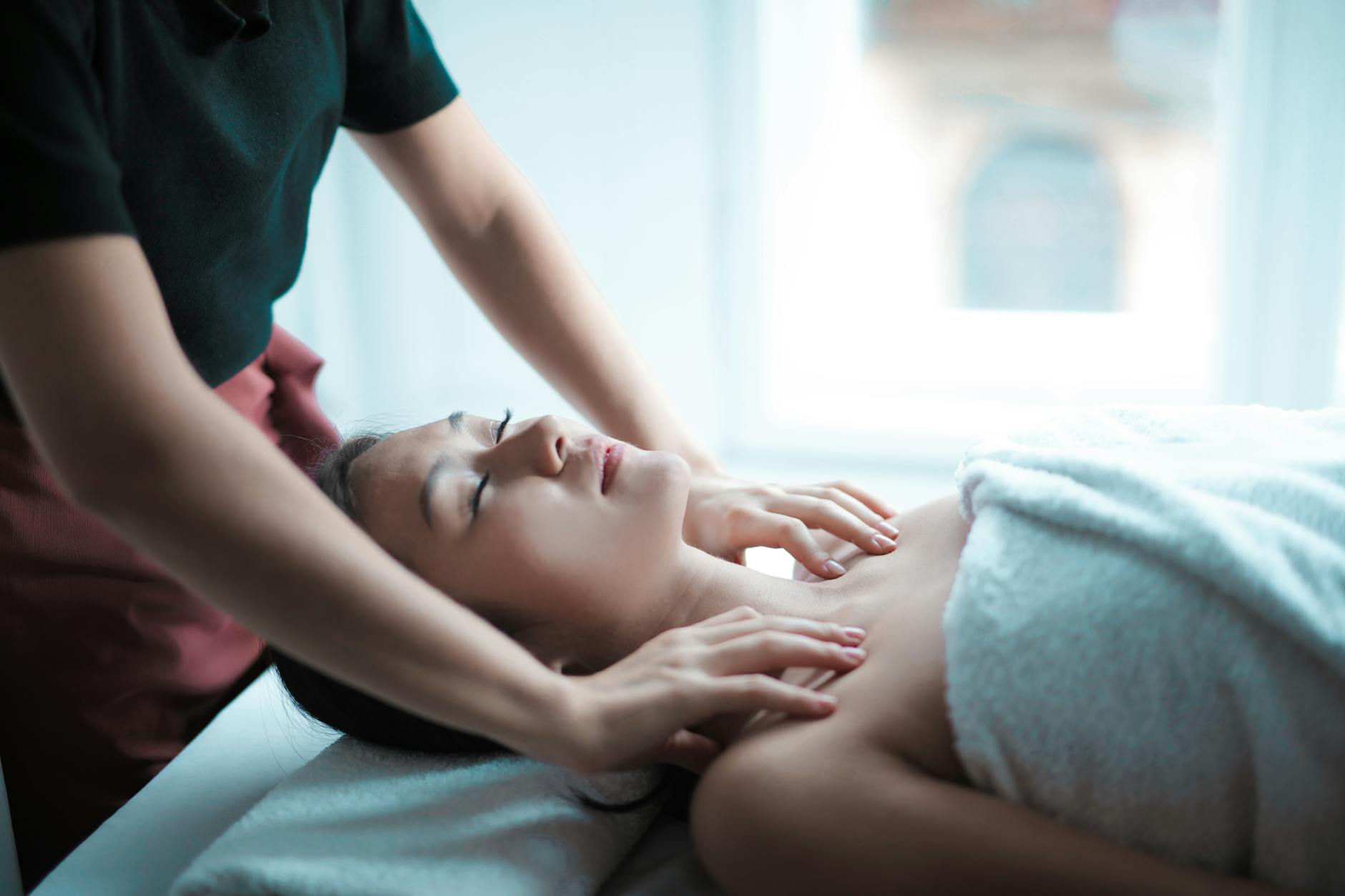
Swedish massage uses long, flowing strokes and gentle kneading to soothe muscles and calm the nervous system. It’s the easiest entry point for first-timers, since pressure stays light and the pace stays slow throughout. Research shows Swedish technique lowers cortisol and supports parasympathetic activity, which is the biological basis for that post-massage calm. At home, this session works well in a quiet, dimly lit room with soft music, since the whole point is minimizing stimulation.
Deep Tissue Massage
Deep tissue massage uses slow, firm pressure to reach deeper muscle layers and break down adhesions from chronic tension or old injuries. Evidence supports deep tissue technique for reducing muscle tension and improving range of motion. It can leave you a little sore the next day if your therapist worked deep into a tight area, mild soreness is normal and settles within a day or two.
Hot Stone Massage
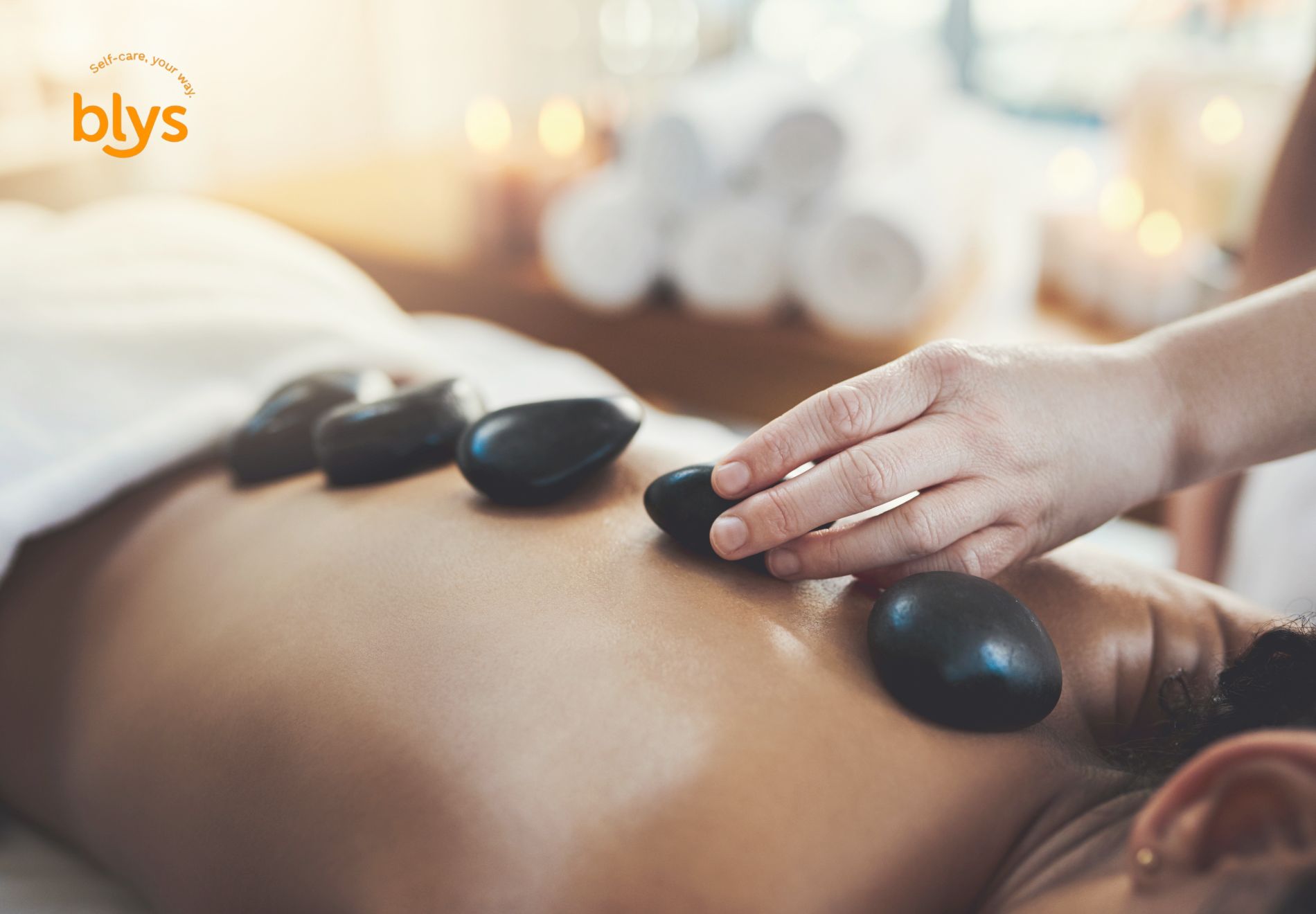
Heated basalt stones soften tight muscle before pressure arrives, letting your therapist work deep into tension using less force than a firm massage needs. It sits between Swedish and deep tissue, offering real therapeutic depth without firm sustained pressure. At home, your therapist brings a portable stone heater, no special setup required on your end.
Sports Massage
Sports massage targets the muscle groups under the most training load, easing soreness and speeding recovery. It’s built around your training schedule, so what you tell your therapist about the last few days matters as much as what they feel once they start working.
Trigger Point Therapy
Rather than working a whole muscle group, trigger point therapy zeroes in on specific tight spots, applying sustained pressure until the muscle releases. It pairs well as an add-on to a broader Swedish or deep tissue session when one particular area is the real problem.
Aromatherapy Massage
Aromatherapy massage layers essential oils into the session to lift mood and ease anxiety. It’s less a standalone technique and more an enhancement that pairs naturally with Swedish or a lighter session. At home, you can pick your own scent preferences ahead of time.
Thai Massage
Thai massage combines rhythmic pressure with assisted, yoga-like stretches to improve flexibility and ease stiffness. Research shows Thai technique improves flexibility and reduces musculoskeletal tightness. Sessions run longer than other types, often up to two hours, since stretching takes real time to work through properly. This is performed fully clothed on a mat, which works easily in any home with floor space.
Lymphatic Drainage Massage
Lymphatic drainage massage uses gentle, rhythmic strokes to encourage lymph flow and ease swelling. Studies show manual lymphatic drainage reduces post-operative swelling and discomfort, making it especially useful during recovery from illness or surgery.
Prenatal Massage
Prenatal massage uses adjusted positioning and lighter pressure to ease swelling, lower back pain, and hormonal tension during pregnancy. Sessions are typically conducted side-lying or with a specially designed support pillow, which is easier to set up at home than in a standard spa treatment room.
Myofascial Release Therapy
Myofascial release therapy targets the fascia around your muscles using sustained, gentle pressure to restore mobility. It’s a slower, more patient technique than deep tissue, relying on time rather than force.
Reflexology
Reflexology applies pressure to specific points on the hands and feet, believed to have effects elsewhere in the body. It’s a gentler alternative when a full-body massage feels like too much, and sessions typically run shorter, 30 to 60 minutes.
Cupping Massage
Cupping massage uses suction cups along the back to draw blood flow toward the surface, easing inflammation. It’s often used alongside another technique rather than as a full standalone session.
Couples Massage
A couples massage lets two people enjoy a session side by side, with two therapists working at the same time. At home, this means no shared spa room, just two tables set up in your own space, popular for anniversaries or simply reconnecting together.
Match Your In-Home Massage to Your Lifestyle
Your daily routine shapes which massage type delivers the most noticeable benefit, and the right match often depends more on how you live day to day than on any single symptom.
Office worker or busy professional with back and neck pain
Long hours at a desk lead to rounded shoulders, a stiff neck, and lower back tightness that builds up gradually rather than appearing all at once. Deep tissue massage releases those knots directly, working into the deeper layers where postural strain tends to settle, while remedial work takes a more clinical approach, assessing muscular imbalances and helping correct the underlying posture issue over several sessions rather than just easing that day’s tension. If your pain sits closer to your spine and feels more like nerve irritation than muscle tightness, mention that upfront, since it changes how your therapist approaches the area.
Physically active or athletic lifestyle
Regular training, whether that’s weekend runs, gym sessions, or organized sport, puts real strain on muscles, tendons, and joints even when the activity itself is good for you. Left unmanaged, that strain builds into tightness, soreness, and a higher risk of injury. Sports massage prepares muscles before activity with lighter, circulation-focused work and supports recovery afterward with deeper, more targeted pressure on the areas doing the most work. For specific overuse issues like a strained calf or stiff shoulder from repetitive motion, remedial massage supports sports injury recovery by addressing the exact problem area rather than treating the whole body the same way.
Stressed parent or busy carer
Caring for children, aging parents, or juggling multiple responsibilities takes a toll that often shows up physically before it registers mentally: tight shoulders, fatigue, disrupted sleep, or a general sense of being worn down. Swedish massage eases that mental load directly, using slow, flowing strokes to calm the nervous system and lower cortisol, the hormone most associated with chronic stress. Lymphatic drainage massage offers a subtler but still meaningful boost, supporting circulation and easing the sluggish, run-down feeling that comes with prolonged stress or a lack of proper rest.
Post-surgery or medical recovery
Recovering from a medical procedure, whether major surgery or something smaller, often calls for gentler, more specialized support than a standard relaxation session. Lymphatic drainage massage is commonly used for post-surgical swelling once a doctor has cleared you for treatment, since its light, rhythmic strokes support fluid movement without disturbing healing tissue. Our guide on in-home massage support for post-surgery recovery walks through what to expect at each stage of recovery, including how your therapist adjusts the session around dressings, restricted movement, or other doctor-recommended limitations.
Achieve Your Wellness Goals With the Right Massage
Different wellness goals call for different massage types, and matching the two is what separates a session that actually helps from one that just feels nice for an hour. Whether you’re after stress relief, pain management, better mobility, or support during pregnancy, there’s a specific technique built for that outcome.
Relaxation and Stress Relief
Swedish massage remains the classic choice for unwinding, using long, flowing strokes and gentle kneading to release tension built up from daily life. Adding aromatherapy oils into the mix deepens that calming effect further, since scent works alongside touch to shift your body out of a stressed state.
Pain Management and Muscle Recovery
Deep tissue massage and trigger point therapy do the heavy lifting for chronic pain. Deep tissue works into the deeper layers of muscle and connective tissue, breaking down adhesions built up from long-term strain or old injuries, while trigger point therapy zeroes in on the exact knots causing trouble rather than working an entire muscle group at once.
Flexibility and Mobility Improvement
Thai massage and myofascial release both work well if you’re recovering from an injury or simply feel stiff all over. Thai massage combines rhythmic pressure with assisted stretches that open up the body, while myofascial release loosens the fascia surrounding your muscles to ease stiffness from a sedentary routine or physical strain.
Detoxification and Circulation Boost
Lymphatic drainage massage is gentle but effective for boosting circulation and easing fluid retention, encouraging your lymphatic system to drain properly and supporting your immune system in the process. Cupping massage works on a similar principle from a different angle, using suction to draw blood flow toward the surface and loosen tissue that’s become stuck or inflamed.
Athletic Performance and Muscle Recovery
If you train hard or spend your week on your feet, sports massage targets the specific muscle groups carrying the most load, easing soreness, speeding up recovery time, and reducing the chance of injury before it happens. It’s built around your training schedule rather than a fixed routine, so what you tell your therapist about the last few days matters as much as what they feel once they start working.
Pregnancy-Related Discomfort
Prenatal massage is designed specifically around a pregnant body, using adjusted positioning and lighter, targeted pressure to ease swelling, lower back pain, and hormonal tension without putting strain on areas that need extra care.
The Right Massage for Specific Conditions
Some aches and conditions point clearly toward one massage type over another, and knowing which one to ask for can save you a session that doesn’t actually address the problem. Here’s what tends to work best for the most common issues people book massage to treat.
Best Massage for Back Pain
A sore upper or lower back usually responds best to deep tissue or therapeutic massage for lower back pain, both built around treating tight, knotted, or immobile muscle and speeding up your body’s own healing process, rather than just skimming the surface with lighter strokes. If the pain sits closer to your spine and feels more like nerve irritation, mention that upfront so your therapist can adjust their approach accordingly.
Best Massage for Neck Pain
A gentler Swedish massage does the job without adding more stress to an already tender area. Long strokes and steady pressure work through tight muscles and improve blood flow without aggravating the pain further, and your therapist can shift toward light trigger point work on specific spots once the area has warmed up.
Best Massage for Inflammation
If swelling or inflammation is the issue, lymphatic drainage massage can gently reduce fluid retention through slow, rhythmic strokes. Cupping is another option worth considering, since the suction draws blood toward inflamed tissue and can ease localized swelling that resists regular hands-on pressure.
Best Massage for Migraines and Headaches
A few options work here depending on what you respond to. Aromatherapy massage uses calming scents like lavender to relieve stress-driven tension headaches, while a Swedish massage focused on the neck and shoulders can loosen the muscles that are often the real source of the headache in the first place. Reflexology is worth a mention too, since some people find pressure applied to the hands and feet has a noticeable calming effect on headache frequency over time.
What to Think About When Choosing Your Ideal Massage
Beyond matching a massage type to your main goal, a few practical factors shape which session actually delivers the best results: your current physical condition, what you want out of the session, your day-to-day activity level, and how much pressure you’re genuinely comfortable with.
Your Current Physical Condition
Start with an honest read on your body. Deep muscle stiffness or long-standing pain points toward deep tissue massage, usually 60 to 90 minutes, since it targets those deeper layers directly. Milder discomfort or general stress pairs better with a 60-minute Swedish massage, since it works with your body rather than pushing hard against it.
Desired Outcome
Name your main goal before you book. Relaxation points toward Swedish or aromatherapy massage, persistent pain points toward deep tissue or trigger point therapy, and improved mobility points toward Thai massage or myofascial release. For a direct side-by-side comparison of the two most commonly requested options, see deep tissue versus Swedish massage.
Lifestyle and Activity Level
Your day-to-day activity level matters more than people expect. Active bodies tend to do well with sports massage or deep tissue work to relieve soreness and prevent injury, while a more sedentary lifestyle or a recovery period usually pairs better with Swedish or lymphatic drainage massage.
Your Comfort Level
Pressure tolerance is personal, and there’s no prize for pushing through more than you can handle. A lighter Swedish massage suits anyone who isn’t comfortable with deep pressure, while deep tissue or trigger point work suits people who want firmer, more targeted relief. Reflexology sits at the gentler end too, since it works through the feet and hands rather than the muscles carrying the tension itself.
How Session Length and Frequency Fit Into Your Choice
The type of massage you choose often decides how long the session should run and how often it’s worth repeating. A 60-minute Swedish massage is usually enough for general relaxation, while deep tissue, sports, and Thai massage benefit from 90 minutes once your therapist needs time to work through multiple problem areas rather than just one.
Frequency follows a similar logic. General wellness holds up fine on a monthly session, since the goal is maintenance rather than active repair. Chronic pain or ongoing muscle tension responds better to something closer to every one to two weeks, at least until the underlying tightness settles down, at which point spacing sessions out further usually keeps things in check.
How to Prepare for Your In-Home Massage
A little preparation on both ends, your space and yourself, makes the difference between a session you settle into right away and one where the first fifteen minutes go to waiting around. Here’s what to sort out before your therapist arrives and how to make the most of it afterward.
Before Your Massage
Drink water beforehand to support circulation, wear something loose and easy to remove, and tell your therapist your goals and pressure preference upfront so the session actually gets built around what you need. If you’re booking a technique you haven’t tried before, mentioning that too helps your therapist pace the session appropriately. For a full breakdown of room setup and mindset prep specific to an in-home session, see our guide on how to prepare for a massage.
Aftercare Tips
Keep drinking water afterward to help flush out what the session released, give your body a bit of rest instead of jumping straight into something strenuous, and follow whatever specific aftercare advice your therapist gives you. Mild soreness the next day is normal after a firmer session and usually settles within a day or two on its own.
What to Expect From Your In-Home Massage Therapist
Every provider on the Blys platform is professional, insured, and experienced with in-home sessions specifically, not just massage in general. They arrive with everything needed for a full spa-quality experience: a professional table, fresh linens, massage oils, and calming music if you’d like it, so there’s nothing for you to prepare beyond choosing a quiet space and being ready to relax. You have full control over the session itself, from massage style to duration, with flexible timing ranging from 60 to 120 minutes depending on the technique. Same-day availability is common in most metro areas, and sessions run seven days a week including evenings and weekends. For guidance on finding the right fit for your specific needs, see our guide on how to choose the right massage therapist.
Frequently Asked Questions
How do I know what type of massage is right for me?
It comes down to your goal. Swedish massage suits stress relief and general relaxation, while deep tissue massage suits chronic pain or muscle stiffness. A quick chat with your therapist before the session helps narrow it down further based on what they notice once they start working.
Which massage is best for relaxation?
Swedish massage is the standard choice, using long, flowing strokes to lower cortisol and calm the nervous system. Aromatherapy massage adds an extra layer of relaxation through scent, and hot stone massage offers deeper therapeutic relief without the intensity of firm pressure.
Can I combine different types of massage?
Yes. Many therapists build custom sessions that combine Swedish for relaxation with deep tissue for targeted relief, so you can address more than one need in a single booking. Just flag your preferences upfront so your therapist can plan the session around them.
Are there any risks to certain massage types?
Massage is generally safe, but some techniques, deep tissue and sports massage especially, aren’t ideal if you have certain conditions like severe injuries, infections, or blood clots. Always tell your therapist about any medical concerns beforehand, and check with your doctor first if you’re ever unsure.
How long should my first massage session be?
60 minutes is the safest starting point for any massage type, since it gives your therapist enough time to assess how your body responds without committing you to 90 minutes before you know what you’re in for.
How often should you get a massage?
Once a month is enough for general wellness, while chronic pain or high physical activity levels usually call for something closer to every one to two weeks until things settle down.
Is choosing a massage type different for an in-home session?
Not in terms of the technique itself, the same considerations around goals, pain points, and pressure tolerance still apply. What changes is the environment: in-home sessions remove the constraints of a shared spa menu, fixed room setup, or rushed scheduling, giving you more control over your surroundings while your therapist focuses entirely on matching the massage to what your body actually needs that day.