 You might brush it off as normal tension, but it adds up fast at work. Tight shoulders in meetings. A 2pm headache. Sitting causes a stiff back. Then it turns into painkillers, brain fog, a shorter fuse, and slower output on tasks that should feel simple.
That’s where muscle tension relief becomes more than comfort. The right remedial massage benefits can show up as easier movement at your desk and clearer focus, because you’re not spending the day bracing against discomfort.
This guide covers 7 clear signs you need a massage, plus what to do next in plain language, including quick self-checks and simple fixes you can try right away. One quick note before we start: remedial massage isn’t a relaxation-only treatment. It’s targeted work for problem areas when “tight” has started to affect your day.
Remedial Massage in Plain English
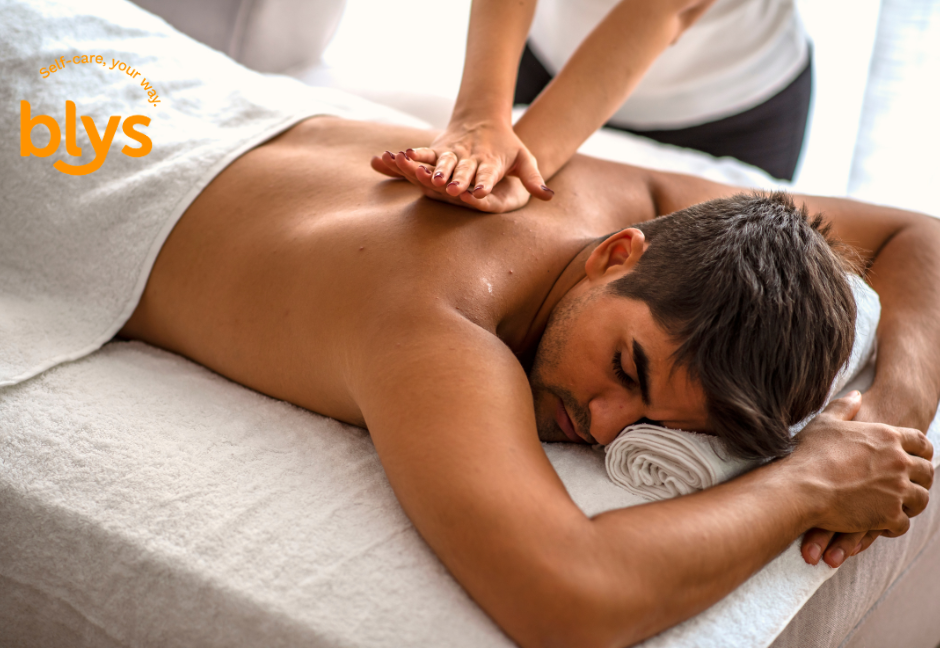
Remedial massage is targeted, firm work that focuses on sore or tight areas to ease pain, reduce tension, and improve mobility, which are core remedial massage benefits when work posture starts to bite. Blys describes it as a deep, strong massage that targets muscles and soft tissues rather than a light relaxation session.
In a real session, your therapist will spend more time on the spots that feel restricted, then work nearby areas so the muscle tension relief holds. It may feel intense, but “good pain” is not the goal. If anything feels sharp or too much, ask to adjust the pressure.
It is also normal to feel mild soreness for 24-48 hours afterwards, especially if it has been a while. If you have blood clots (DVT), osteoporosis, cancer, or recent surgery, pause and check with a clinician first.
Sign 1: Your Neck and Shoulders Feel Stuck during Desk Work
If your shoulders creep up during meetings or your neck feels stiff by mid-afternoon, that is a clear sign you need a massage for desk strain. It often shows up as one-sided tightness (usually the mouse side) and constant shoulder rolling between calls. Safe Work Australia notes that prolonged sitting and poor posture can contribute to musculoskeletal strain, which is why this pattern is so common in desk-heavy weeks.
Turn your head left and right. If one side stops early, pulls, or pinches at the base of the skull, note it. Then lift both arms overhead. If you cannot do it without shrugging or tensing your neck, your upper back is overworking, and you likely need muscle tension relief beyond quick stretches.
Raise your screen, support your elbows, and use a micro-break cue (every time you hit send, drop your shoulders and take three slow breaths). Heat helps if it feels achy, while gentle movement helps if it feels stuck. For in-session work, ask for upper back and neck focus and share pressure preferences so you get the remedial massage benefits without bracing.
Sign 2: 2pm Headaches, Jaw Clenching, or a Heavy Head
If your head starts to feel heavy by mid-afternoon, or you catch yourself clenching through emails, it is a common sign you need a massage. The work cost is real: attention drops, your patience gets shorter, and you lean on painkillers instead of proper muscle tension relief.
| Quick self-check | What helps today | In-session focus |
| Jaw soreness on waking, or you catch yourself clenching while you work. | Use an “unclench cue” every time you open your inbox: lips together, teeth apart, tongue resting. | Neck and upper shoulder work, with a gentle approach around the jaw if needed. |
| Temple pressure builds after lunch, or you feel tight at the base of your skull. | Hydration first, then reassess caffeine (too little or too much can worsen headaches). | Suboccipital release (base of skull) and neck release. |
| Your neck feels loaded when you read on screen, and turning your head feels restricted. | Raise the screen height, bring the keyboard closer, and relax shoulders down. | Neck and upper back focus to reduce trigger tension. |
If this pattern repeats, mention the timing (2pm flare-up) when you book, so the therapist targets the most likely trigger points. One of the practical remedial massage benefits is fewer tension spikes that derail the second half of your day.
Want to break the tension loop at work? Our guide, Workplace wellness not found, shares simple habits that pair well with remedial massage between busy weeks.
Sign 3: Low Back Tightness after Sitting, Driving, or Long Calls
If your lower back tightens up after desk time or driving, it is a clear sign you need massage, especially when it starts to affect how you sit, stand, and concentrate through the day.
Real-life triggers
If your lower back feels tight after the commute, a laptop-on-couch afternoon, or a run of back-to-back calls, it is one of the most common signs you need a massage. It can also show up as your back “locking” when you stand, or needing a few steps before you feel normal again.
Quick self-check
Maintain a lengthened spine, gently bend your knees, and hinge forward from your hips as if you are closing a car door with your buttocks. If you feel an immediate pull in the low back (rather than your hips and hamstrings) or stiffness that eases only after you move around, that’s a strong clue you need better muscle tension relief than stretching once at night.
What helps today
Safe Work Australia recommends avoiding long static postures by changing position and not staying seated (or standing) for long periods. Use that as your cue to stand, walk, or reset your posture regularly, even for 30–60 seconds.
A small lumbar support tweak can help, but the fastest win is short movement breaks plus a quick hip flexor reset after long sits.
In-session focus
Ask for hips and glutes plus lower back work, because the tight “back” feeling often has hip involvement. One of the practical remedial massage benefits is that sitting feels less expensive the next day, especially when you match treatment to your real triggers.
Sign 4: Forearm, Wrist, or Mouse Hand Strain
This one is easy to miss because it starts small, and then suddenly your hands feel tired halfway through the day. If you are noticing any of the signs below, it is often a sign you need massage for muscle tension relief in the forearms (not just the wrist).
- What it looks like: Typing fatigue, grip weakness, sore forearm knots, or a cranky mouse hand by late morning.
- Quick self-check: You may experience discomfort when gripping a bottle or when pulling your fingers back into a gentle wrist extension position.
- What helps today: Keep the mouse close, support your forearm, and keep the wrist neutral. Share the load with shortcuts, shorthand breaks, and a 30–60 second forearm press-and-release.
- Red flag note: If you experience persistent numbness or tingling, night symptoms, or worsening weakness, you should get assessed.
If it keeps returning, ask your therapist to work through the forearms, plus the shoulder and neck on the same side, so the relief lasts longer.
Want more context on ongoing aches? See our guide on remedial massage for chronic pain to see how targeted sessions support lasting relief.
Sign 5: You’re Tired, but Your Sleep Is Lighter and You Wake up Sore
When you are exhausted but your sleep is light or broken, tension may be part of the problem. Healthdirect notes that poor sleep can affect concentration, mood, productivity, and decision-making at work.
| What you notice | Why it hits work | What to do today and how remedial help works |
| You wake with the same tight neck, shoulders, or low back you had at bedtime. | Brain fog and slower decisions. | Warm shower and light stretch. A remedial session can reduce muscle guarding so recovery feels easier. |
| You feel wired but tired, and small annoyances hit harder. | Lower stress tolerance and focus. | 5-minute wind-down away from screens. Ask for neck and upper back work for muscle tension relief. |
| You wake with jaw tension or a heavy head. | Headaches and painkiller reliance. | Unclench cue before sleep. Request gentle jaw-adjacent work and suboccipital release. |
If this keeps repeating, it is one of those signs you need a massage. The goal is practical remedial massage benefits you feel the next morning: less stiffness, fewer flare-ups by afternoon, and an easier start overall.
Sign 6: You’re Managing Symptoms Instead of Fixing the Pattern
If your “plan” is heat packs, painkillers, and pushing through until the day is done, you are in the maintenance loop. It might keep you functioning short-term, but it is also one of the clearest signs you need a massage, because tension has stopped being occasional and started shaping how you work, move, and concentrate.
- Quick self-check: You plan your day around what hurts.
- What helps today: Name the repeat trigger (desk, travel, gym, stress week) and change one thing early.
- In-session focus: Ask for the sore zone plus nearby areas so muscle tension relief lasts longer and you feel the real remedial massage benefits.
Once you stop treating flare-ups like random bad luck, it is easier to choose the right session timing and break the cycle before it steals another week of comfort and output.
Book a remedial massage with Blys and add your trigger plus focus areas in the notes.
Sign 7: Your Recovery Is Slower and You’re Changing Your Routine
If you are skipping workouts, avoiding stairs, or feeling stiff for days after a normal week, recovery has slowed. That is a clear sign you need a massage because you start moving less to avoid discomfort, even when you want to stay active.
At work, it becomes a loop. Less movement leads to more tightness, then more discomfort at your desk, then even less movement. Safe Work Australia advises changing position regularly rather than staying in a seated or static posture for long periods.
Quick self-check. What is one activity you now avoid because you know you will pay for it later? If that list is growing, aim for muscle tension relief that supports movement again. In session, ask for mobility support plus problem-area work, and share your main trigger. That is where remedial massage benefits tend to feel most useful.
Your 2-minute plan to book the right session and get results faster
If you recognized a few signs that you need a massage, keep the next step simple. Pick the right length, write clear notes, and then give yourself a light recovery window so muscle tension relief and the remedial massage benefits show up at work.
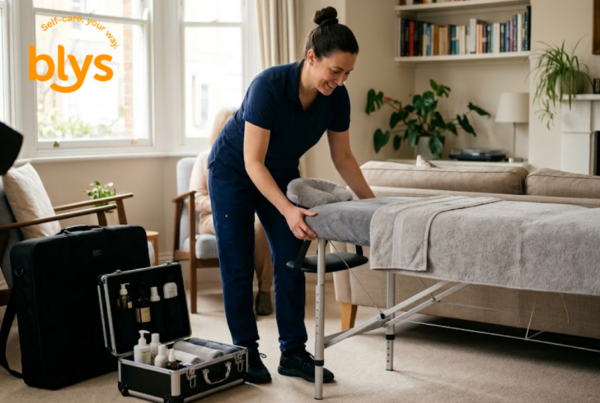
A 60-minute session suits one to two areas, such as the neck and shoulders or low back. A 90-minute session suits multiple areas or full-body work plus a focused zone. In your booking notes, please include details about access and parking, whether there are stairs or a lift, where to set up, your top focus areas, preferred pressure, areas to avoid, and any injuries or flare-ups. You can also message your therapist on the app before the appointment if you need to clarify anything practical.
Afterwards, hydrate and keep movement gentle. Blys notes you may feel sore or stiff for 24 to 48 hours after a remedial massage. If you have blood clots, osteoporosis, cancer, or recent surgery, check with a clinician first.