 You’ve pushed through another long week. Maybe it’s the stress of back-to-back meetings, an intense training block, or the kind of tension that just won’t quit no matter how much you stretch. And if you’ve ever tried a standard relaxation massage only to feel like it barely scratched the surface, you already know the issue: sometimes, the problem runs deeper.
Deep tissue massage is a therapeutic technique designed to reach those deeper layers of muscle and connective tissue. It addresses chronic tension, supports muscle recovery, and helps manage pain that keeps coming back. It’s one of the most popular massage modalities in the US, and when delivered by a skilled therapist, it produces real, lasting results.
This guide covers what deep tissue massage is, how it works, who benefits most from it, and what to expect from a professional session.
What Is Deep Tissue Massage?
Deep tissue massage is a targeted form of therapeutic massage that uses sustained, firm pressure and slow strokes to access the deeper layers of muscle tissue, tendons, and fascia. Where a Swedish or relaxation massage works primarily at the surface to promote general calm and wellbeing, deep tissue massage is deliberate and focused. It targets specific areas of chronic tension and works to break down adhesions, commonly called knots, that develop in muscle tissue over time.
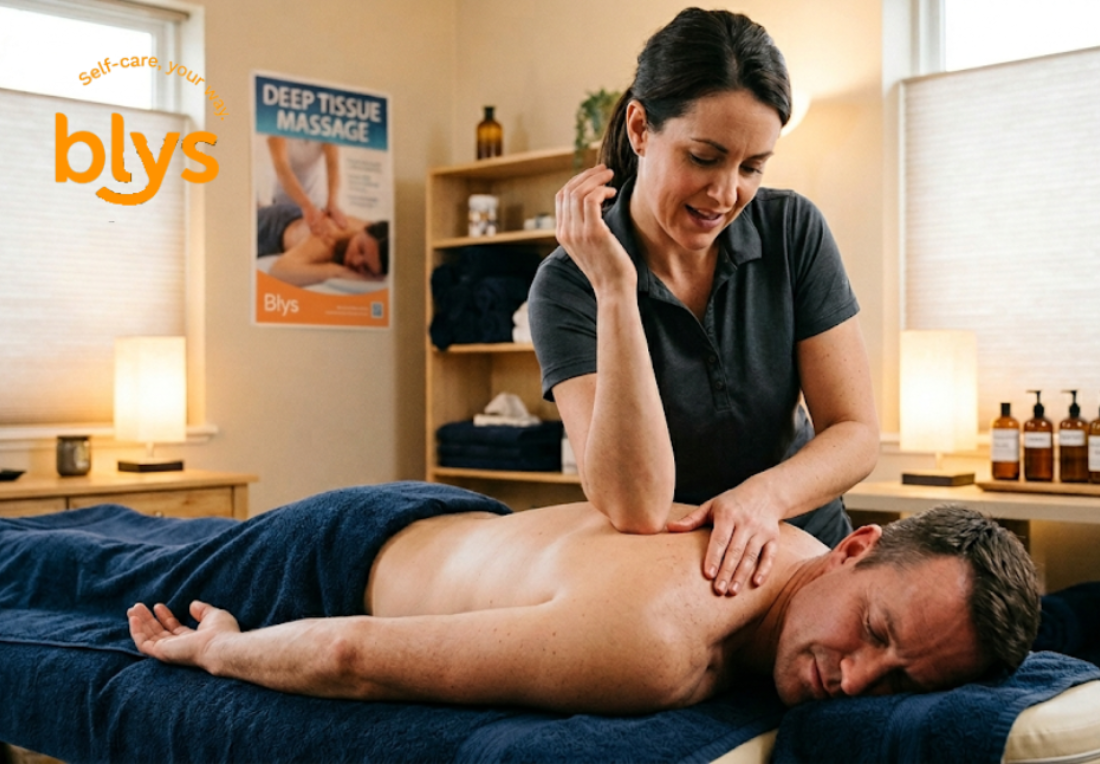
The technique involves working across and along the grain of the muscle, which is what allows a therapist to reach deeper structures. Depending on the area being treated and the pressure needed, your therapist may use their fingers, thumbs, forearms, or elbows.
Deep tissue massage is not just a firmer version of a relaxation massage. The intention, technique, and outcomes are meaningfully different. A skilled therapist will adjust pressure throughout the session and communicate with you to keep it within a therapeutic and effective range.
How Does Deep Tissue Massage Work?
Understanding how deep tissue massage works starts with understanding what happens to muscle tissue under chronic stress or repeated physical strain. Over time, muscles can develop restricted circulation, a buildup of metabolic waste, and tight bands of fibrous tissue. These restrictions cause pain, reduce range of motion, and alter posture and movement patterns.
Deep tissue massage addresses these issues through a combination of physiological mechanisms. Research published via PubMed has documented how manual therapy techniques influence soft tissue physiology, including improvements in local circulation, reductions in muscle tone, and changes to pain perception pathways.
Breaking Down Adhesions and Scar Tissue
Adhesions are bands of rigid tissue that develop in muscles, tendons, and ligaments as a result of injury, inflammation, or overuse. They restrict movement and cause persistent discomfort. Deep tissue massage applies cross-fiber friction and sustained pressure to break these adhesions down, restoring mobility and reducing pain.
Improving Circulation and Supporting Recovery
The pressure applied during a deep tissue session promotes blood flow to the treated area, delivering oxygen and nutrients while helping clear out metabolic waste like lactic acid. This circulation boost supports the body’s natural healing processes, which is why deep tissue massage is often incorporated into injury rehabilitation programs.
Resetting Muscle Tone
Chronically overactive muscles stay in a partial state of contraction, contributing to persistent pain and fatigue. Deep tissue massage stimulates the nervous system in ways that help these muscles release and return to a more neutral resting state, reducing tension and improving overall function in the area.
The Benefits of Deep Tissue Massage
Deep tissue massage delivers a range of physical and mental health benefits, especially for those dealing with chronic pain, physical strain, or the effects of a desk-bound lifestyle.
Chronic Pain Relief
Reducing chronic pain is one of the most well-supported benefits of deep tissue massage. It’s commonly used for lower back pain, neck and shoulder tension, repetitive strain injuries, and fibromyalgia. Research from the Mayo Clinic notes that massage therapy can be effective for chronic pain conditions, positioning it as a meaningful complement to other treatment approaches.
Muscle Recovery and Athletic Performance
Whether you’re a recreational runner, a gym regular, or a competitive athlete, deep tissue massage can play a meaningful role in your recovery. It reduces delayed onset muscle soreness (DOMS), addresses areas of tightness that accumulate over a training cycle, and helps keep muscle tissue healthy and functional. Many athletes use it proactively rather than waiting for an injury to develop.
Posture Correction
Poor posture often reflects muscle imbalances where some muscles are chronically tight while others are underused. Deep tissue massage helps release overactive muscles that pull the body out of alignment. Combined with targeted exercise and postural awareness, it can make a meaningful difference over time.
Stress Reduction and Mental Health Benefits
The physical release from a deep tissue session also has real effects on the nervous system. It reduces cortisol, the body’s primary stress hormone, and supports the production of serotonin and oxytocin. For people dealing with chronic stress, the mental health benefits of deep tissue massage can be just as significant as the physical ones.
Who Is Deep Tissue Massage Best For?
Deep tissue massage works well for a wide range of people, but it tends to produce the most significant results for those with specific physical needs.
It’s especially effective for people dealing with chronic pain or recurring muscle tension that hasn’t responded well to lighter massage styles. If you consistently carry tightness in the same spots, whether that’s the neck, shoulders, or lower back, deep tissue work targets the root cause rather than just offering temporary relief.
People training regularly or at higher intensities will find deep tissue massage a valuable part of their recovery toolkit. It helps maintain healthy muscle tissue, addresses tightness before it becomes injury, and supports sustained athletic performance.
It’s also a great fit for people in desk jobs or physically demanding work environments. Both sedentary postures and repetitive physical tasks create predictable patterns of muscle overuse and strain, and deep tissue massage addresses these directly.
Not sure if deep tissue massage is right for your situation? Our deep tissue massage safety guide covers contraindications and what to discuss with your therapist before booking.
What to Expect from a Deep Tissue Massage Session
If you’ve never had a deep tissue massage before, here’s what a typical session looks like.
Your therapist will start with a quick intake conversation to understand your areas of concern, any injuries or health conditions that are relevant, and your pressure preferences. This helps them tailor the session specifically to your needs.
The massage typically starts with lighter strokes to warm up the tissue before moving into deeper work. You may feel some discomfort as the therapist works through areas of tension, but it should feel productive, not painful. Communicating openly with your therapist throughout the session is key.
It’s common to experience some muscle soreness for 24 to 48 hours afterward, especially if it’s your first time or if the therapist worked a heavily affected area. Staying hydrated and resting after your session can help with this. For a more detailed look, check out our guide on how deep tissue massage works and its benefits.
With Blys, your therapist comes directly to you, which means you can rest and recover at home right after your session rather than navigating a commute.
The Bottom Line on Deep Tissue Massage
If you’re managing recurring pain, stuck in a cycle of tension that never fully resolves, or recovering from training without the right support, deep tissue massage is one of the most effective tools available to you. It goes well beyond relaxation it targets the underlying tissue restrictions that cause chronic discomfort, limit mobility, and affect how your body moves and feels day to day.
Waiting until things get worse is rarely the right call. Book a Blys deep tissue massage and have a licensed therapist come to you available across the US, with flexible scheduling and thoroughly vetted professionals.