 The beauty industry is one of the US’s fastest-growing sectors, and the career opportunities within it go well beyond the treatment room. Whether you are just starting out or looking to level up your qualifications, understanding what the highest-paying jobs in the beauty industry actually look like can help you plan a career that is both fulfilling and financially rewarding.
Many people enter beauty therapy for the creative satisfaction, the flexibility, and the chance to genuinely help clients feel their best. But it is also a field where your earning potential grows significantly with experience, specialization, and business acumen. Some roles in the industry command salaries that rival other professional services sectors, particularly when you move into clinical aesthetics, education, or business ownership.
Below, we break down the top-earning paths available to beauty professionals in the US, what qualifications they typically require, and what you can realistically expect to earn at different stages of your career.
What Makes a Beauty Job High Paying?
Not all beauty roles are created equal when it comes to income. The highest-paying positions in the industry tend to share a few common traits: they require advanced qualifications, they involve clinical skill or significant business responsibility, or they operate in premium and specialized markets where demand outstrips supply.
Several factors influence how much you can earn as a beauty professional:
- Qualifications and certifications: Advanced diplomas, nursing degrees, or specialist training in areas like laser, cosmetic injectables, or trichology all command higher rates.
- Location: Metropolitan areas, particularly Sydney and Melbourne, generally offer higher earning potential than regional markets.
- Work setting: Clinic-based roles, medical spas, and private practice often pay more than high-street salons.
- Experience and client base: Senior therapists with a loyal following can charge premium rates, particularly in mobile or self-employed settings.
- Business ownership: Running your own salon, clinic, or mobile service puts your income ceiling in your own hands.
According to research from Labor Market Insights, demand for personal care workers is expected to grow steadily over the coming years, with increasing consumer interest in skin health, wellness, and non-surgical aesthetics fuelling that growth. For beauty professionals willing to invest in specialist skills, the timing has rarely been better.
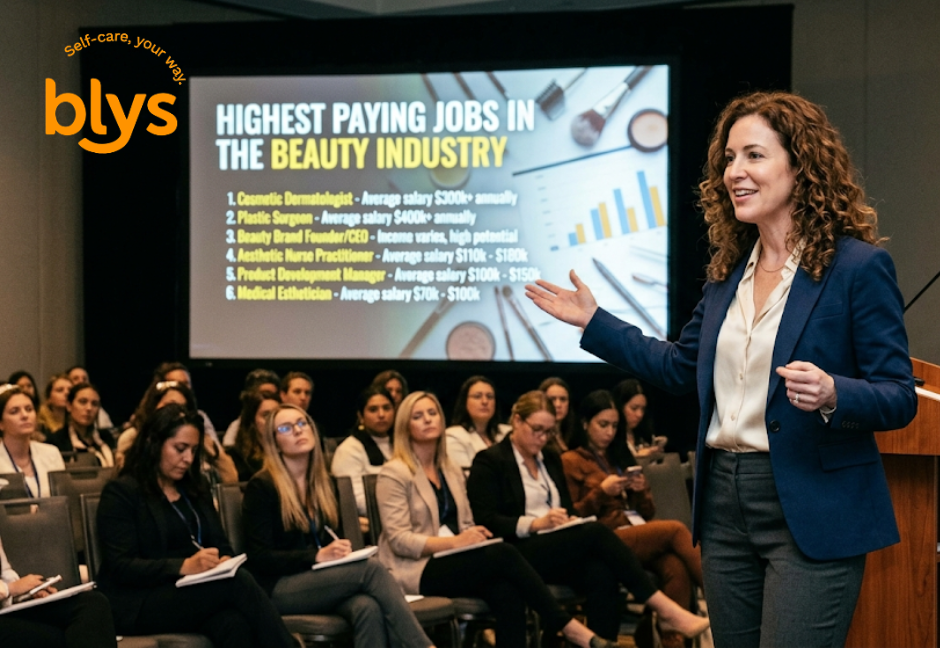
The Highest Paying Jobs in the Beauty Industry
Beauty offers more than one path to strong earning potential. The highest-paying roles usually combine advanced skills, specialist training, and the ability to work in premium or high-demand areas.
Cosmetic Nurse or Injector
Cosmetic nursing is one of the highest-paying roles in the beauty industry, but it sits closer to healthcare than traditional beauty therapy. Cosmetic nurses usually work in aesthetic clinics and perform treatments such as anti-wrinkle injections and dermal fillers under strict professional standards. In the US, these procedures must only be provided or prescribed by registered health practitioners with the right education, training, and competence.
To enter this field, you generally need a Bachelor of Nursing, current Ahpra registration, clinical experience, and extra training in cosmetic injectables. Pay can vary depending on location, clinic type, and commission structure, but SEEK lists the average cosmetic nurse salary in the US at around $70,000 to $85,000, with some roles and high-performing clinics offering more.
Medical Aesthetician or Clinical Skin Specialist
This role sits in the higher-paying end of the beauty field because it combines advanced treatment skills with stronger technical knowledge of skin health. Medical aestheticians and clinical skin specialists often work in advanced clinics, medi-spas, and cosmetic settings, where they provide treatments such as chemical peels, microneedling, LED therapy, and tailored skin programs.
Why this role can pay well:
- It involves advanced skin treatments rather than basic beauty services
- It often sits in premium clinics and results-driven settings
- Strong treatment knowledge can support higher client spend and retention
- Extra certifications can open the door to more specialised services
International beauty education bodies such as CIDESCO recognize advanced aesthetics and beauty therapy training as a professional pathway for higher-level clinical skin work, with qualifications designed to support specialist treatment skills and broader career opportunities.
The Bureau of Labor Statistics also notes that skincare specialist roles have a wide earning range, with higher earners sitting well above the median, which reflects how much income can increase with skill, location, and premium service settings.
Laser and IPL Technician
Laser and IPL technicians provide higher-value treatments such as hair reduction, skin rejuvenation, and pigmentation services. Because these treatments involve specialized equipment and stronger safety requirements, they often sit above standard beauty services in earning potential. Research notes that operators need proper training and must understand laser-related hazards.
| Area | What It Involves |
| Main work | Laser hair removal, IPL treatments, pigmentation care, and skin rejuvenation |
| Why it pays more | Advanced devices, technical skill, and higher-risk treatments |
| What lifts income | Experience, premium clinics, repeat clients, and strong results |
| Growth path | Senior technician, supervisor, or clinic owner |
Pay varies by market and clinic model, but broader labor data shows a wide earnings range for skincare specialists, including laser hair removal specialists, with top earners making well above the median.
Trichologist
Trichology is a specialist area focused on the hair and scalp, including concerns such as hair thinning, hair loss, and scalp disorders. It is a more niche path within the beauty and wellness space, but that is also what can make it financially rewarding.
Practitioners with strong expertise, clear results, and a steady referral network can often charge premium consultation fees, especially in private practice.
Beauty Business Owner or Mobile Therapist
Owning a beauty business can be one of the most profitable paths in the industry. Whether you run a salon, a skin clinic, or a mobile service, your income depends more on your pricing, client retention, and business skills than on a fixed wage.
Why this path can pay well:
- You set your own rates
- You control your schedule
- Mobile services usually have lower overhead
- Repeat clients can create steadier income
- Events and group bookings can increase earnings
For therapists who want more flexibility and more control over what they earn, this path offers strong long-term potential.
Makeup Artist (Film, TV, and Editorial)
Makeup artistry can be highly paid at the top end, especially in film, television, and editorial work. In these areas, income often comes from day rates rather than fixed salaries, and artists with specialist skills such as prosthetics, special effects, or high-level screen experience can earn more on larger productions.
MEAA publishes fee schedules and motion picture production rates that reflect this project-based pay structure.
| Area | What It Usually Looks Like |
| Highest-paying sectors | Film, TV, editorial, fashion campaigns, and major productions |
| Why pay is higher | Project rates, specialist skills, and premium client demand |
| Skills that lift earnings | Prosthetics, SFX makeup, body painting, and strong on-set experience |
| What helps long-term? | A strong portfolio, industry contacts, and repeat production work |
This path usually takes time to build, but the earning ceiling is much higher than retail beauty or standard event makeup once you start securing consistent production work.
Beauty Educator or Brand Trainer
Some experienced beauty therapists move into training roles, either teaching students in beauty schools and colleges or working as brand trainers for skincare and device companies. These roles suit professionals who have strong technical knowledge and enjoy teaching, presenting, and mentoring others.
Education and brand training roles can offer solid pay, and some brand positions may also include travel and professional development benefits. For therapists who want to grow beyond hands-on treatments, this path offers a strong mix of income, variety, and long-term career growth.
How Qualifications Shape Your Earning Potential
In the beauty industry, your qualifications are directly linked to your income ceiling. A Certificate III in Beauty Services provides an entry-level foundation for salon work, while a Diploma of beauty therapy opens access to advanced clinical treatments, higher-paying clinic roles, and the credibility to build a professional independent practice. For anyone targeting the top of the earnings ladder, post-diploma certifications, nursing registration, or specialist courses in laser safety, cosmetic injectables, or trichology are the clearest and most direct investment.
Continuing professional development (CPD) is not just a regulatory requirement in clinical fields. It is also an ongoing investment in what you can charge. The more current and versatile your skills, the broader the client base you can serve and the stronger your justification for premium pricing. Clients and employers alike are willing to pay more for practitioners who stay ahead of the curve.
When evaluating courses and providers, always verify that the training provider is registered with the Australian Skills Quality Authority (ASQA) and that the qualification appears on the Australian Qualifications Framework (AQF). This ensures your credentials are nationally recognized and respected by future employers and clients.
Tips to Maximise Your Income as a Beauty Therapist
Whatever path you choose within the industry, the following strategies can help you move toward the higher end of the pay scale more quickly:
- Specialize early: Identify a niche that genuinely interests you and invest in advanced training. Specialists consistently out-earn generalists throughout the beauty industry.
- Build your personal brand: A polished social media presence, a professional website, and genuine client testimonials all help you attract premium-rate clients and stand out in a competitive market.
- Consider going mobile: Lower overheads and flexible scheduling make mobile beauty services a strong income option, particularly in urban areas with consistent demand for in-home treatments.
- Know your award rates: If you are employed, research the current Hair and Beauty Industry Award and relevant salary benchmarks before your next performance review. Many beauty therapists accept below-market wages simply because they are not across the numbers.
- Invest in business skills: Financial literacy, basic marketing, and client retention strategies are as valuable to your long-term income as your technical skills. Even if you plan to remain employed, understanding how a beauty business operates makes you a far more valuable team member.
If you are seriously considering the mobile route, the guide to becoming a mobile massage therapist is a practical resource worth reading. Many of the same principles around client acquisition, scheduling, and building a sustainable independent income apply directly to mobile beauty therapy.
Wrapping Up
The highest-paying jobs in the beauty industry are not reserved for a select few. With the right qualifications, a clear niche, and a genuine commitment to the client experience, you can build an income that reflects the level of skill and care you bring to your work.
Whether you are drawn to clinical aesthetics, trichology, screen makeup, education, or the freedom of a mobile practice, the American beauty industry has real room to grow for practitioners who take their careers seriously. If you are ready to explore what the mobile path looks like in practice, join the Blys community as a beauty professional and start connecting with clients across the US who value skilled, in-home beauty services.